Text Now Live Help

Generations Heating and Air Conditioning Ltd

Generations Logo
  • Heating
    • Furnaces
    • Water Heaters
    • Pool Heaters
    • Ductless Heating
    • Hybrid Heating
    • Fireplaces
    • Heat Pumps
    • HVAC Rebates
  • Cooling
    • Air Conditioners
    • Ductless Cooling
    • Heat Pumps
    • HVAC Rebates
  • Home Services
    • Air Quality
    • Water Softeners
    • Gas Fitting and Piping
  • Products
    • Bryant
    • Payne
    • John Wood Water Heaters
    • Navien Water Heaters
    • Continental
    • Kingsman
  • Reviews
  • Contact
  • Financing

Pool Equipment Ontario: What You Need to Keep Your Pool Clean and Clear

July 17, 2026 By profitworks

Pool Equipment Ontario: What You Need to Keep Your Pool Clean and Clear

pool equipment

Pool equipment is the foundation of a clean, clear, and enjoyable swimming pool. In this guide, you'll learn how the essential pieces of pool equipment work together, what to look for when upgrading your system, and how to choose durable equipment that can withstand Ontario's hot summers and freezing winters.

  1. Why Quality Pool Equipment Matters in Ontario
  2. How Pool Equipment Works Together to Keep Water Clean
  3. Pool Pumps: The Heart of Your Pool System
  4. Sand Filters: Removing Dirt Before It Becomes a Problem
  5. Pool Chemistry Equipment: Keeping Water Safe and Balanced
  6. Why Circulation + Filtration + Sanitization Must Work Together
  7. Pool Heaters: Extend Your Ontario Swimming Season
  8. Choosing Pool Equipment That Can Handle Ontario Winters
  9. Environmental Rules Ontario Pool Owners Should Know
  10. Signs Your Pool Equipment May Need Repair or Replacement
  11. Frequently Asked Questions About Pool Equipment

If you're ready to extend your swimming season with a new pool heater, contact Generations Heating & Air Conditioning for expert advice and professional installation.

Contact Us

Key Takeaways: Pool Equipment

  • Quality pool equipment is essential for maintaining clean, clear, and healthy water while reducing maintenance and repair costs over time.
  • Ontario’s changing seasons create unique challenges for pool systems, making durable, properly sized equipment especially important for freeze protection and long-term performance.
  • A pool pump, sand filter, heater, and sanitization system must work together as a complete circulation loop to keep water moving, filtered, heated, and safe for swimming.
  • Sand filters remove dirt, debris, pollen, and organic contaminants before they impact water clarity and increase chemical demands.
  • Pool chemistry equipment, including chlorinators, salt water systems, test kits, and pH monitoring tools, helps maintain balanced water that protects swimmers, equipment, and pool surfaces.
  • Pool heaters allow Ontario homeowners to enjoy comfortable swimming earlier in the spring and later into the fall, maximizing the value of their pool investment.
  • Choosing winter-ready pool equipment with corrosion-resistant and durable materials helps protect against Ontario’s freezing temperatures and freeze/thaw cycles.
  • Proper winterization, seasonal maintenance, and regular equipment inspections help prevent damage and extend the lifespan of your pool system.
  • Recognizing warning signs such as cloudy water, weak return jets, leaks, unusual pump noises, rising energy bills, and frequent algae growth can help prevent costly equipment failures.
  • Investing in reliable pool equipment designed for Canadian climates helps create a more efficient, easier-to-maintain pool that lasts for years.

1. Why Quality Pool Equipment Matters in Ontario

swimming pool heater

Ontario's climate puts swimming pools through conditions that many warmer regions simply don't experience. While pool owners in southern climates often operate their systems year-round, Ontario homeowners must prepare their equipment for freezing temperatures, seasonal shutdowns, and dramatic weather changes. Choosing high-quality, properly sized pool equipment helps ensure your system performs reliably, lasts longer, and requires fewer repairs over time.

Ontario's Climate Creates Unique Challenges for Pool Equipment

Every season brings different demands that can affect your pool's performance and the lifespan of its equipment. Understanding these challenges makes it easier to appreciate why investing in durable components is so important.

  • Long winter shutdowns mean pool equipment sits unused for several months, making proper winterization essential to prevent damage when freezing temperatures arrive.
  • Freeze/thaw cycles can place significant stress on pumps, filters, plumbing, and other components if water is not completely drained before winter.
  • Heavy spring debris, including leaves, pollen, seeds, and dirt, increases the workload on your pump and sand filter as you prepare your pool for swimming season.
  • Hot, humid summer weather encourages algae growth, requiring your circulation system and water chemistry equipment to work efficiently to keep the water clean and safe.
  • Seasonal opening and closing place additional wear on pool equipment, as components must be inspected, cleaned, started up, and winterized every year.

These seasonal conditions mean Ontario pool equipment must be able to handle both months of inactivity and periods of heavy use without sacrificing performance.

Durable Equipment Delivers Better Long-Term Value

Although premium pool equipment may cost more upfront, it often provides better value over its lifetime. Well-built components are designed to withstand Ontario's demanding weather conditions while maintaining efficient operation season after season.

Investing in quality equipment offers several long-term benefits including:

  • Durable pumps, filters, and plumbing components are less likely to crack or fail after repeated freeze/thaw cycles.
  • Properly sized equipment circulates and filters water more efficiently, helping maintain clearer water with less effort.
  • Energy-efficient pumps can reduce electricity consumption while still providing the circulation needed for healthy pool water.
  • Reliable filtration systems remove debris more effectively, reducing the amount of time spent vacuuming and balancing water chemistry.
  • High-quality equipment typically requires fewer repairs and can provide many years of dependable performance when properly maintained.

Selecting equipment that matches the size and needs of your pool is just as important as choosing durable products. Oversized or undersized equipment can increase operating costs, reduce efficiency, and place unnecessary strain on your entire pool system.

By investing in well-built, properly sized pool equipment, you can enjoy cleaner water, lower maintenance costs, and greater peace of mind throughout every swimming season.

2. How Pool Equipment Works Together to Keep Water Clean

Clear, healthy pool water doesn't happen by chance. Your pool equipment works together as a complete circulation system, with each component performing a specific job to keep the water clean, balanced, and comfortable for swimming. If one part of the system isn't working properly, the entire pool can suffer from cloudy water, algae growth, or poor water quality.

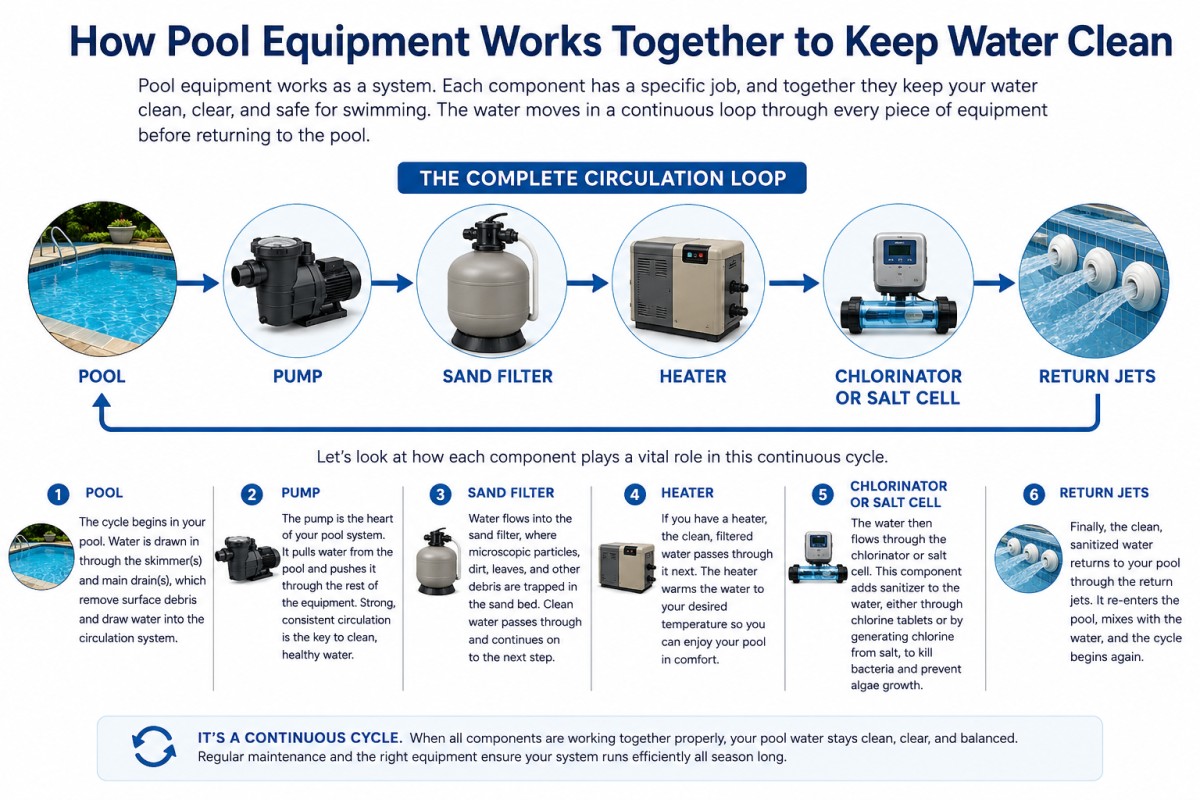
The following infographic explains how your pool equipment operates together to make sure that the water in your pool stays clean and healthy. Read on to discover more about each individual step.

how pool equipment circulates water efficiently

The Pool Equipment Circulation Loop

Water is constantly moving through your pool's equipment in a continuous cycle that removes debris, sanitizes the water, and returns it to the pool.

The complete circulation loop looks like this:

Pool → Pump → Sand Filter → Heater → Chlorinator or Salt Cell → Return Jets → Pool

Each piece of equipment relies on the others to do its job effectively. Here's how the process works from start to finish.

Step 1: Water Leaves the Pool

The circulation cycle begins when water is drawn from the pool through the skimmers and main drain. The skimmers collect floating debris like leaves, insects, and pollen, while the main drain helps pull water from the deeper areas of the pool.

Once the water leaves the pool, it travels through the plumbing toward the pump.

Step 2: The Pump Keeps Water Moving

The pool pump is often called the heart of the pool system because it creates the circulation needed for every other piece of equipment to function. By pulling water through the plumbing and pushing it through the equipment, the pump ensures the entire pool is continuously cleaned and treated.

Without proper circulation, debris settles, chemicals become unevenly distributed, and algae can begin to grow.

Step 3: The Sand Filter Removes Dirt and Debris

After leaving the pump, the water enters the sand filter, where dirt, dust, pollen, leaves, insects, and other fine particles are trapped within the filter media.

As water passes through the sand bed, unwanted debris is removed before the clean water continues through the rest of the system. Regular backwashing helps keep the filter operating efficiently and maintains strong water flow.

Step 4: The Heater Warms the Clean Water

If your pool is equipped with a heater, the filtered water passes through it next. Heating the water after filtration helps protect the heater from unnecessary debris and allows it to operate more efficiently.

Many Ontario homeowners install a pool heater to enjoy comfortable swimming temperatures earlier in the spring and later into the fall.

Step 5: The Chlorinator or Salt Cell Sanitizes the Water

Once the water has been filtered and heated, it moves through the sanitizing equipment.

Depending on your pool, this may include:

  • An inline chlorinator that slowly dissolves chlorine tablets to maintain consistent sanitizer levels.
  • A salt water chlorination system that converts dissolved salt into chlorine to continuously disinfect the water.

Both systems help destroy bacteria, viruses, and algae while keeping the water safe and clear throughout the swimming season.

Step 6: Clean Water Returns to the Pool

Finally, the clean, filtered, heated, and sanitized water flows back into the pool through the return jets. These jets help distribute treated water evenly throughout the pool while creating circulation that prevents stagnant areas where algae and bacteria can develop.

The cycle then begins again, operating continuously while the pool pump is running.

Every Component Plays an Important Role

Although each piece of equipment performs a different function, they all work together to maintain healthy pool water.

  • The pump keeps the water moving through the system.
  • The sand filter removes dirt and microscopic debris.
  • The heater provides comfortable swimming temperatures without affecting water quality.
  • The chlorinator or salt cell continuously sanitizes the water to prevent algae and harmful bacteria.
  • The return jets evenly distribute clean, treated water throughout the pool.

When every component is operating efficiently, your pool stays cleaner, requires fewer chemicals, and is easier to maintain. Regular inspections and routine maintenance help ensure the entire circulation system continues working together to keep your water crystal clear all season long.

3. Pool Pumps: The Heart of Your Pool System

A pool pump is often called the heart of your pool system because it keeps water moving through every other piece of equipment. Without proper circulation, your filter cannot remove debris, your sanitizer cannot effectively kill bacteria and algae, and your heater cannot warm the water efficiently.

A reliable pool pump ensures that clean, treated water is continuously circulated throughout your pool, making it one of the most important investments for maintaining healthy water.

How a Pool Pump Works

The pool pump creates the circulation that powers your entire filtration system. It pulls water from the pool through the skimmers and main drain before pushing it through the filter, heater, and sanitizing equipment. Once the water has been cleaned and treated, it returns to the pool through the return jets to begin the cycle again.

A properly functioning pool pump helps:

  • Continuously circulate water throughout the entire pool to prevent stagnant areas.
  • Move water through the filtration system so dirt and debris can be removed.
  • Distribute chlorine and other pool chemicals evenly to maintain balanced water chemistry.
  • Deliver consistent water flow through heaters and other equipment for optimal performance.

Without adequate circulation, even the best filtration and sanitization systems cannot perform as intended.

Choosing the Right Pool Pump

Not every pool requires the same size or type of pump. Selecting a properly sized pump is essential for maintaining efficient circulation while avoiding unnecessary energy costs.

When choosing a pool pump, consider factors such as:

  • The size and volume of your pool.
  • The length and complexity of your plumbing system.
  • Whether your pool includes features such as waterfalls, spas, or water slides that require additional flow.
  • Your desired level of energy efficiency and operating costs.

Many homeowners today choose variable-speed pumps because they can adjust their speed based on the pool's needs, providing excellent performance while using significantly less electricity than traditional single-speed models.

A properly sized pump delivers consistent circulation without wasting energy or placing unnecessary strain on the rest of your equipment.

Signs Your Pool Pump May Need Service

Like any mechanical equipment, pool pumps experience wear over time. Identifying problems early can help prevent larger repairs and keep your pool operating efficiently throughout the swimming season.

You may need to service or inspect your pool pump if you notice any of the following signs.

  • Water flow from the return jets becomes noticeably weaker.
  • The pump begins making grinding, squealing, rattling, or unusually loud noises.
  • Air bubbles appear in the return jets, indicating a possible suction-side air leak.
  • The pump struggles to maintain prime or loses prime frequently.
  • Water is leaking around the pump housing, seals, or plumbing connections.
  • Your pool water becomes cloudy despite having clean filters and balanced water chemistry.
  • Your electricity bills increase unexpectedly because the pump is operating inefficiently.

Routine inspections and prompt repairs can help prevent small issues from developing into costly equipment failures.

Ontario Pools Place Extra Demands on Pool Pumps

Ontario's changing seasons require pool pumps to perform under a wide variety of conditions. From heavy spring debris to hot summer weather and annual winter shutdowns, pumps experience significant seasonal stress.

Some of the most common challenges include:

  • Heavy spring pollen, leaves, and seeds increase the amount of debris the pump must circulate and filter.
  • Hot summer temperatures and increased swimmer activity require longer pump run times to maintain water quality.
  • Severe thunderstorms can introduce large amounts of dirt and organic material that place additional strain on the circulation system.
  • Seasonal opening and closing require pumps to be inspected, cleaned, properly drained, and winterized to prevent freeze damage.

These seasonal demands make routine maintenance especially important for Ontario homeowners who want dependable performance year after year.

A properly maintained pool pump keeps water circulating efficiently, allowing every other piece of pool equipment to do its job effectively. By choosing the right pump, performing regular maintenance, and addressing small issues before they become major problems, you'll enjoy cleaner water, lower operating costs, and a more reliable pool system throughout the swimming season.

4. Sand Filters: Removing Dirt Before It Becomes a Problem

pool heaters

A sand filter is one of the most important pieces of pool equipment because it removes dirt and debris before they have a chance to cloud your water or affect its chemistry.

Working alongside your pool pump, the sand filter continuously cleans the circulating water, helping you maintain a sparkling pool with less effort throughout the swimming season.

How a Sand Filter Works

As water leaves the pool, the pump pushes it into the sand filter. Inside the filter is a specially graded bed of filter sand that traps unwanted particles while allowing clean water to pass through and continue through the rest of the circulation system.

Most residential sand filters can capture particles as small as 20 to 40 microns, which is fine enough to remove many of the contaminants that make pool water appear cloudy.

A properly functioning sand filter helps remove:

  • Leaves, insects, and other visible debris before they break down in the water.
  • Pollen, dirt, and dust that can make pool water look dull or hazy.
  • Small organic particles that contribute to algae growth and increased chlorine demand.
  • Debris washed into the pool during rainstorms or windy weather.

By removing these contaminants on a continuous basis, the sand filter helps reduce the workload on your sanitizing system while improving overall water quality.

Why Backwashing Is Important

As the filter captures more debris, water flow gradually becomes restricted. When this happens, the filter needs to be backwashed, a process that reverses the direction of water flow to flush trapped dirt and debris out through the waste line.

Regular backwashing provides several important benefits.

  • It restores proper water flow through the filtration system.
  • It prevents excessive pressure from building inside the filter.
  • It improves filtration efficiency by removing accumulated debris.
  • It helps maintain clear water by allowing the filter to continue trapping fine particles effectively.

Many pool owners monitor the pressure gauge on their filter and perform a backwash whenever the pressure rises approximately 8 to 10 PSI above the normal operating level.

When Should Filter Sand Be Replaced?

Although the sand itself is durable, it gradually becomes smoother over time and loses its ability to trap fine particles effectively. For most residential pools, replacing the filter sand every 5 to 7 years helps maintain peak filtration performance.

You may also need to service or inspect your sand filter if you notice any of the following signs.

  • Your pool water remains cloudy even though the water chemistry is properly balanced.
  • The filter pressure remains unusually high or low after backwashing.
  • Water flow from the return jets becomes noticeably weaker.
  • The filter requires more frequent backwashing than it did in previous seasons.
  • You notice sand returning to the pool, which may indicate damaged internal components.

Routine inspections help identify these issues before they lead to more significant water quality problems.

Ontario Pools Put Extra Demands on Sand Filters

Ontario's climate creates unique filtration challenges throughout the year. Spring and summer often bring a constant supply of organic debris that places additional strain on pool filters.

Some of the most common seasonal challenges include:

  • Heavy spring pollen coats the surface of the pool and quickly clogs filters if it is not removed regularly.
  • Maple keys, seeds, blossoms, and leaves add large amounts of organic debris during the spring and early summer.
  • Trees surrounding many Ontario backyards continuously drop leaves, twigs, and other debris throughout the swimming season.
  • Heavy rainstorms and storm runoff can wash dirt, dust, and other contaminants into the pool, increasing the workload on the filtration system.

These seasonal conditions make regular filter maintenance especially important if you want to keep your pool clean and inviting.

A clean, properly maintained sand filter removes contaminants before they become bigger problems, helping your pump, sanitizer, and other pool equipment operate more efficiently. By keeping your filter in good condition and replacing the sand when needed, you'll enjoy clearer water, lower maintenance requirements, and a healthier pool all season long.

5. Pool Chemistry Equipment: Keeping Water Safe and Balanced

pool heaters

Maintaining proper pool chemistry requires more than just running the pump and keeping water circulating, because circulation alone cannot guarantee that sanitizers are evenly distributed or that water chemistry stays balanced over time. This is why dedicated pool chemistry equipment plays a big role in keeping water clean, safe, and comfortable for swimmers.

Chlorinators: Controlled Chlorine Delivery

Chlorinators are one of the most common tools used to automate sanitization and ensure that chlorine levels remain consistent in the pool.

Inline chlorinators, in particular, are installed directly into the pool’s plumbing system so they can deliver chlorine as water passes through the circulation line. They are designed to provide a steady and predictable dosage rather than relying on manual application.

  • Inline chlorinators provide a slow, consistent release of chlorine into the pool water as it flows through the system.
  • They help maintain more stable chlorine levels, reducing the risk of sudden spikes or drops in sanitation.
  • They minimize the need for frequent manual dosing, making routine maintenance easier for pool owners.

Inline chlorinators are especially useful for homeowners who want reliable sanitization with minimal day-to-day intervention.

Salt Water Chlorination Systems

Salt water chlorination systems offer an alternative approach to traditional chlorine addition by generating chlorine directly from dissolved salt in the pool water.

These systems use a salt cell, which converts salt into chlorine through an electrochemical process as water passes through the unit. This means the pool continuously produces its own sanitizer rather than relying on external chlorine products.

  • Salt cells generate chlorine by converting dissolved salt in the water through a process called electrolysis.
  • They provide a steady, automated supply of chlorine without the need for regular manual addition of tablets or liquid chlorine.
  • They often reduce ongoing maintenance requirements compared to traditional chlorination systems.
  • They create a softer-feeling swimming experience that many users find more comfortable on skin and eyes.

Salt water systems are popular because they simplify maintenance while still maintaining consistent sanitation levels.

Supporting Pool Chemistry Equipment

Beyond chlorinators and salt systems, several other tools help pool owners maintain balanced water chemistry and prevent common issues before they develop.

  • Test kits are essential because they allow pool owners to regularly measure chlorine, pH, alkalinity, and other key water balance factors.
  • Automatic chemical feeders help maintain consistent dosing of chemicals such as chlorine or pH adjusters, reducing fluctuations caused by manual application.
  • pH monitoring systems provide ongoing feedback about acidity levels in the water, helping prevent conditions that can lead to scaling or corrosion.

Together, these tools create a more controlled and predictable pool environment by reducing guesswork and improving response time to chemical imbalances.

Why Balanced Chemistry Matters

Proper pool chemistry is essential not only for water clarity but also for protecting swimmers, equipment, and the pool itself from long-term damage.

When chemistry is properly balanced:

  • Swimmers are protected from irritation to the skin, eyes, and respiratory system caused by improper chlorine or pH levels.
  • Pool equipment such as pumps, heaters, and filters experiences less corrosion and scaling, extending operational lifespan.
  • Pool surfaces, including liners, tile, and plaster, are preserved from staining, etching, and deterioration.

Maintaining balanced chemistry ensures that the entire pool system operates safely, efficiently, and with fewer costly repairs over time.

6. Why Circulation + Filtration + Sanitization Must Work Together

A swimming pool only stays clean and safe when circulation, filtration, and sanitization operate as a connected system rather than separate functions. This interconnected process is often referred to as the “equipment loop,” where each stage depends on the others to maintain healthy water conditions.

The Pool “Equipment Loop”

The equipment loop describes how water continuously moves through the pool system to be cleaned, treated, and returned in a safe condition. Each step plays a specific role in maintaining water quality.

The basic process works as follows:

  • The pump circulates water from the pool through the plumbing system.
  • The filter removes dirt, debris, and suspended particles from the water.
  • The sanitizer neutralizes bacteria, algae, and other harmful contaminants.
  • The clean, treated water is then returned back into the pool.

This cycle repeats continuously, ensuring that the entire body of water is consistently cleaned and protected as it moves through the system.

When all four stages work together properly, the pool remains clear, balanced, and safe for regular use.

What Happens When One Component Fails

When even one part of the equipment loop is not functioning correctly, the entire system becomes unbalanced and water quality begins to decline quickly. Each component depends on the others to maintain overall effectiveness.

Common issues that can occur when a component fails include:

  • A weak pump reduces water circulation, which prevents proper distribution of chemicals and leaves stagnant areas in the pool.
  • A dirty or clogged filter allows debris and fine particles to remain in the water, reducing clarity and efficiency of the system.
  • Low chlorine levels allow bacteria and algae to grow unchecked, increasing health risks for swimmers.
  • Cloudy water develops when contaminants are not properly removed or sanitized by the system.
  • Algae blooms can form rapidly when circulation and sanitization are both insufficient.

These problems often escalate quickly because one failure places additional strain on the remaining parts of the system.

Why System Balance Is Essential

The effectiveness of a pool depends on all three core systems working in harmony. Circulation ensures water is moving, filtration removes physical contaminants, and sanitization eliminates biological threats. When any one of these is compromised, the overall system cannot maintain safe or clear water conditions.

A properly balanced equipment loop ensures that pool water remains consistently clean, clear, and safe for swimmers while reducing strain on equipment and minimizing long-term maintenance issues.

7. Pool Heaters: Extend Your Ontario Swimming Season

In Ontario, where swimming weather can be limited by cool spring and early fall temperatures, many homeowners install pool heaters to get more consistent use and greater value from their backyard pool. A heater allows the swimming season to extend well beyond the hottest summer weeks by keeping water at a comfortable and controlled temperature.

Why Ontario Homeowners Install Pool Heaters

Pool heaters are especially popular in Ontario because the natural swimming season is relatively short, and water temperatures can drop quickly even during otherwise sunny months. A heater helps stabilize conditions so the pool remains comfortable for longer periods of the year.

Installing a pool heater provides several key benefits:

  • Pool heaters allow for comfortable swimming in the spring when air temperatures may be warm but the water is still too cold.
  • Pool heaters extend the swimming season into the fall when evenings cool down and water temperatures begin to drop.
  • Pool heaters increase the overall value of the pool by maximizing how often it can be used throughout the year.

These advantages make heating systems a practical upgrade for homeowners who want to get more consistent enjoyment from their pool investment.

Learn more about choosing the right heating system on our Pool Heater Installation page.

Higher Costs from Emergency Repairs

Waiting until something breaks often turns a simple fix into a more expensive emergency service call.

  • You risk facing emergency repair costs that are typically higher than scheduled maintenance or early diagnostics.
  • You may also experience longer wait times, which can further delay getting your pool back in working order.

Addressing issues early helps you avoid unnecessary expenses and stressful last-minute repairs.

Types of Pool Heaters

Different heating systems are available depending on budget, efficiency goals, and how often the pool is used throughout the season.

Gas Pool Heaters

Gas pool heaters are one of the fastest ways to heat pool water and are commonly used by homeowners who want quick temperature control.

  • Gas heaters heat pool water rapidly, making them ideal for situations where the pool is not used every day but needs to warm up quickly before use.
  • They perform well even in cooler outdoor temperatures, which makes them a strong option for early spring or late fall swimming.
  • They provide consistent heating regardless of air temperature, offering reliable performance when fast results are needed.

Gas heaters are best suited for homeowners who prioritize speed and flexibility in heating their pool.

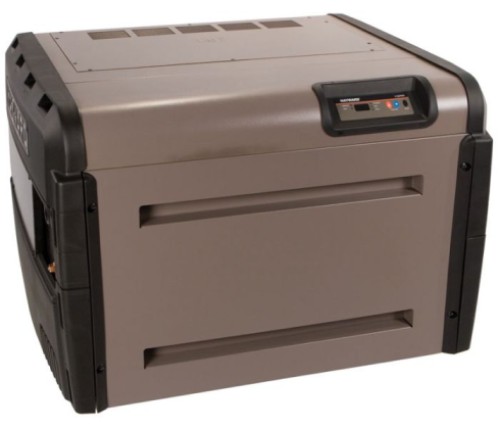
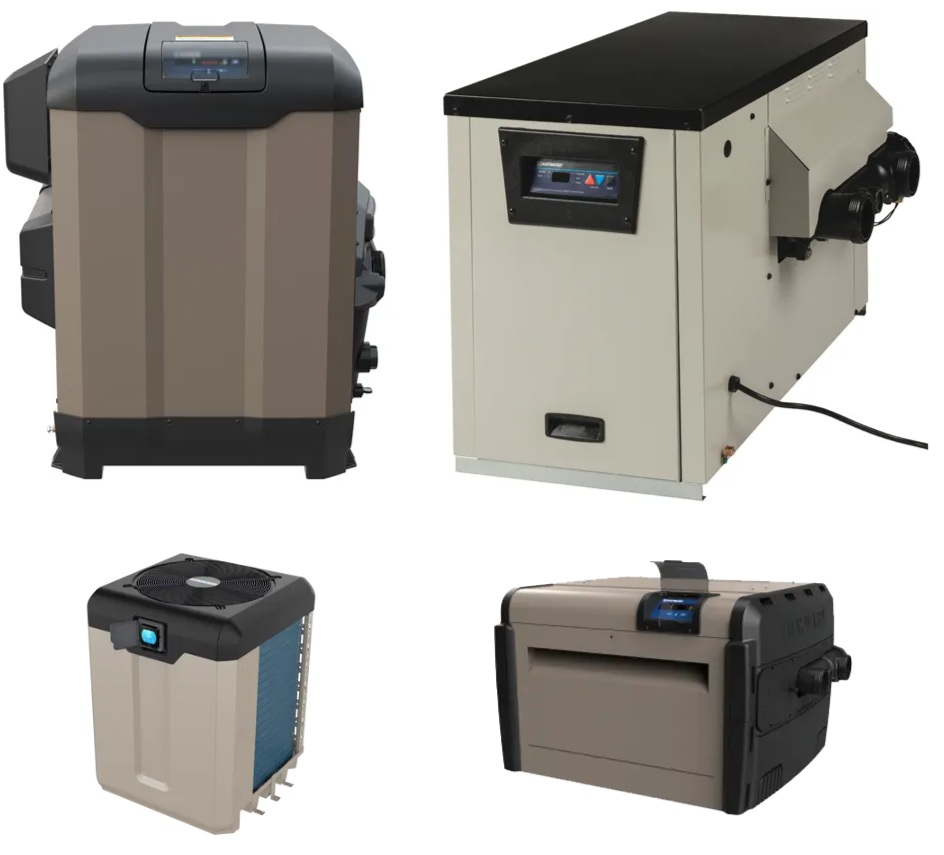
Hayward Universal H-Series H250 Low NOx Pool Heater, 250,000 BTU, Natural Gas

Heat Pumps

Heat pumps are a more energy-efficient option that work by extracting warmth from the surrounding air and transferring it into the pool water.

  • Heat pumps operate by capturing heat from the outside air and using it to gradually warm the pool water.
  • They are more energy-efficient than gas heaters, which can lead to lower long-term operating costs.
  • They perform best in moderate temperatures and are ideal for maintaining steady warmth over longer swimming periods.

Heat pumps are a strong choice for homeowners who want efficient, consistent heating throughout the extended swimming season.

Making the Most of Your Swimming Season

Pool heaters give you the ability to take control of your swimming season rather than being limited by weather conditions. Whether using a fast-acting gas heater or an energy-efficient heat pump, heating systems help ensure the pool remains comfortable, usable, and enjoyable for more months of the year.

8. Choosing Pool Equipment That Can Handle Ontario Winters

Ontario’s long, cold winters create unique challenges for pool owners, and choosing equipment that is built for freezing temperatures is essential for avoiding costly damage and premature system failure. Local conditions such as repeated freeze, thaw cycles can put significant stress on pool components, making durability and winter readiness a key part of any installation decision.

The Risks of Ontario Winter Conditions

Cold weather introduces several risks that can seriously damage pool systems if the equipment is not properly designed or prepared for winter conditions. Understanding these risks helps explain why winter-rated equipment is so important in this climate.

The most common winter-related issues include:

  • Freeze damage can occur when water remains inside pipes or equipment and expands as it freezes, leading to cracks or ruptures.
  • Expansion cracking can affect rigid components such as plumbing lines, pump housings, and filters when ice formation forces materials to expand beyond their limits.
  • Corrosion increases during seasonal transitions when moisture, salt, and fluctuating temperatures accelerate wear on metal parts.

These issues can result in expensive repairs and even full equipment replacement if proper precautions are not taken.

Seasonal Draining and Winterization

Proper winter preparation is one of the most important steps in protecting pool equipment in Ontario. Seasonal draining and winterization procedures help ensure that no water is left in vulnerable areas of the system where it could freeze.

Effective winterization typically involves:

  • Removing water from plumbing lines and equipment to prevent internal freezing and expansion damage.
  • Lowering water levels to a safe point so that ice formation does not affect skimmers or tile lines.
  • Adding winterizing plugs and covers to protect openings from debris and moisture infiltration.

Proper winterization significantly reduces the risk of structural damage and helps ensure a smoother start-up in the spring.

Materials Built for Canadian Conditions

Equipment durability is especially important in regions with harsh seasonal changes, and choosing materials designed for Canadian climates can make a significant difference in long-term performance.

Key material considerations include:

  • Corrosion-resistant components that can withstand moisture, chemicals, and fluctuating temperatures without deteriorating quickly.
  • UV-resistant materials that prevent degradation from strong summer sun exposure, which can weaken plastic and rubber parts over time.
  • Heavy-duty construction designed to handle repeated freeze–thaw cycles without cracking or warping.

These features help ensure that pool equipment remains reliable year after year despite extreme seasonal variation.

Investing in Equipment Built for Ontario Winters

When selecting pool equipment, you'll benefit from choosing systems specifically designed to handle freezing temperatures and seasonal stress. Higher-quality, winter-ready equipment reduces the risk of damage, lowers long-term maintenance costs, and ensures more reliable performance throughout the swimming season and beyond.

Investing in durable, Canadian-ready equipment ultimately provides better protection, greater peace of mind, and a longer lifespan for your entire pool system.

9. Environmental Rules Ontario Pool Owners Should Know

Hayward Universal H-Series H250 Low NOx Pool Heater, 250,000 BTU, Natural Gas

Pool maintenance in Ontario comes with important environmental responsibilities, especially when it comes to draining or discharging pool water. Understanding local rules helps protect waterways, avoid fines, and ensure that pool care practices remain safe for the surrounding environment.

Why Pool Water Disposal Matters

Pool water is often treated with chlorine and other chemicals that can be harmful if released directly into the environment. Improper disposal can negatively affect local ecosystems, particularly when large volumes of treated water enter natural drainage systems.

Key environmental concerns include:

  • Chlorinated pool water should never be drained directly into storm drains because it can flow untreated into rivers, lakes, and wetlands.
  • Improper discharge of chemically treated water can harm aquatic life and disrupt local ecosystems by introducing toxic levels of chlorine or other pool additives.
  • Many Ontario municipalities have specific bylaws that regulate how and where pool water can be safely discharged.

These rules exist to protect local water systems and ensure that chemical-treated water is properly managed before entering the environment.

Special Considerations for Salt Water Pools

Salt water pool systems introduce additional environmental considerations because of the presence of chloride in the water. While salt levels in pools are relatively low compared to seawater, they can still have an impact when discharged in large volumes.

Salt water pool owners should be aware that:

  • Chloride discharge from salt water pools can contribute to soil and water salinity issues if released improperly.
  • Some municipalities have stricter guidelines for salt water pool drainage due to potential long-term environmental effects.
  • Additional precautions may be required to ensure that salt levels are reduced or properly diluted before discharge.

Because of these factors, salt water pool owners should always verify local requirements before draining their systems.


Responsible Drainage Practices for Ontario Homeowners

Following proper procedures when draining a pool helps protect the environment and ensures compliance with local regulations. Homeowners are encouraged to take a proactive approach rather than assuming that all discharge methods are acceptable.

Recommended steps include:

  • Checking municipal bylaws before draining a pool to confirm approved disposal methods and any seasonal restrictions.
  • Neutralizing chlorine levels when required so that discharged water does not exceed safe chemical thresholds.
  • Using approved discharge methods such as sanitary sewer connections or designated drainage points as directed by local authorities.

These steps help ensure that pool maintenance is carried out responsibly and in accordance with environmental standards.

10. Signs Your Pool Equipment May Need Repair or Replacement

Even well-maintained pool equipment will eventually wear out. Recognizing the early warning signs of a problem can help you address minor issues before they lead to expensive repairs, equipment failure, or prolonged pool downtime.

Common Warning Signs to Watch For

Many equipment problems begin with subtle changes in water quality or system performance. Paying attention to these symptoms can help you determine when it's time to have your pool equipment inspected.

Some of the most common warning signs include:

  • Cloudy water may indicate that the filter is no longer removing fine particles effectively or that water circulation has been compromised.
  • Weak return jets often suggest that the pump is losing efficiency, the filter is clogged, or there is a blockage somewhere in the plumbing system.
  • Higher-than-normal energy bills can be a sign that pumps, heaters, or other equipment are working harder than they should because of mechanical problems or reduced efficiency.
  • Unusual pump noises, such as grinding, rattling, or squealing, may indicate worn bearings, motor issues, or debris affecting the impeller.
  • Frequent algae growth can occur when circulation, filtration, or sanitization systems are no longer operating effectively.
  • Poor filtration that allows dirt and debris to remain suspended in the water may point to a clogged, damaged, or aging filter.
  • Visible leaks around pumps, filters, heaters, or plumbing connections should be addressed promptly to prevent water loss and equipment damage.
  • Constant chemical adjustments may indicate that poor circulation or malfunctioning equipment is preventing chemicals from being distributed evenly throughout the pool.

While any one of these symptoms may have a simple explanation, persistent problems often indicate that one or more pieces of equipment require professional attention.

Repair or Replace?

Not every equipment issue means a full replacement is necessary. In many cases, replacing a seal, valve, pressure gauge, motor component, or filter media can restore proper performance. However, older equipment that experiences repeated breakdowns or declining efficiency may be more cost-effective to replace.

Factors that often point toward replacement include:

  • The equipment requires frequent repairs that continue to increase in cost.
  • Replacement parts have become difficult to obtain because the equipment is outdated.
  • The system consumes significantly more energy than newer, high-efficiency models.
  • Performance continues to decline even after routine maintenance or repairs have been completed.

A professional inspection can help determine whether repairing the existing equipment or upgrading to a newer system offers the best long-term value.

Don't Ignore Small Problems

Small issues rarely resolve themselves and often become more expensive over time. Addressing unusual noises, declining water quality, leaks, or inconsistent system performance early can help prevent additional damage to pumps, filters, heaters, and other pool equipment.

Routine inspections and timely repairs help keep your pool operating efficiently, maintain clear and healthy water, and extend the lifespan of your entire pool system.

Trust Generations Heating & Air Conditioning for All Your Pool Heating Requirements

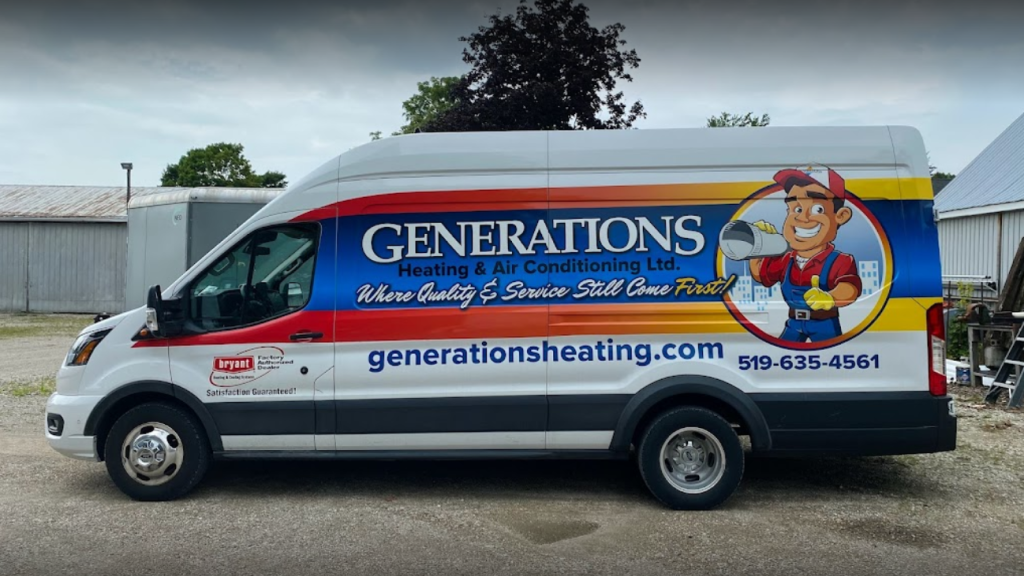
Generation Heating and Air Conditioning van

Whether you're installing a new pool heater, replacing an older unit, or looking for ways to extend your swimming season, the experienced team at Generations Heating & Air Conditioning is here to help. We can recommend the right gas pool heater or heat pump for your pool, provide professional installation, perform routine maintenance, and upgrade existing equipment to improve comfort and energy efficiency.

Contact Generations Heating & Air Conditioning today to speak with one of our pool heating specialists. We'll help you choose the best solution for your pool, your budget, and the Ontario climate so you can enjoy warm, comfortable swimming for more months of the year.

Reasons to Choose Generations:

If it's the comfort of your house that you're concerned about, you want to work with a company you can trust. At Generations Heating & Air Conditioning, we pride ourselves on offering professional advice, honest service, and dependable help from start to finish.

Local Experts Serving Kitchener and Beyond

We know Kitchener's weather and home styles inside and out. Our recommendations are based on hands-on experience here, not guesswork.

Friendly, Knowledgeable Technicians

Our service pros are highly trained technicians who care about you and your home. We take the time to clearly explain your options and answer your questions so that you feel confident making every decision.

No Pushy Sales Tricks, Just Honest Advice

You'll never be pressured into buying something you don't need. We prioritize what's best for you and your home, not what's easiest to sell.

Start-to-Finish Service

From the moment you receive your quote to long after your new system is installed, we're with you. Expect clear communication, tidy work, and follow-up service you can trust.

Ready to experience the Generations difference? Book a free consultation today and get the best home comfort for your needs and budget.

Contact Us
5 stars

What Our Customers Are Saying...

"We trust Generations to maintain our HVAC system. Their service is prompt, professional, and friendly. They are also very genuine when it comes to purchases, explaining the pros and cons of each model, with zero pressure/upselling.

If you’re looking for an honest, reliable HVAC company that genuinely cares about its customers, then Generations fits the bill."

-Michele A.

"What a great team - they installed our pool heater this summer....and now just came to the rescue when our furnace broke in the dead of winter in the middle of the night - found a board and replaced it right away. Great nice friendly and efficient service."

-Alison Wills

"I had a problem with my millivolt pool heater. I called Generations Heating and A/C They came within two days, Rob the technician was polite, professional and very competent. He had the problem solved in no time. The price was very reasonable. I have no hesitation in recommending or calling Generations Heating and A/C again.
Excellent work !"

-Jimmy M

Read More Reviews

Filed Under: Pools Tagged With: Pool Equipment

Is Your AC Running But Not Lowering the Temperature? Here’s What It Really Means

May 12, 2026 By profitworks

Is Your AC Running But Not Lowering the Temperature? Here’s What It Really Means

furnace maintenance benefits

When your air conditioner is running nonstop, but your home still won’t cool down, it’s more than just frustrating; it’s a sign that something isn’t working the way it should. Many homeowners assume their AC is fine because it’s “on,” but in reality, several underlying issues can prevent it from actually lowering the temperature. In this guide, we’ll break down what’s really happening, what warning signs to watch for, and when it’s time to call in a professional.

  1. What It Means When Your AC Runs But Doesn’t Cool
  2. Common Causes of an AC Running But Not Lowering Temperature
  3. Warning Signs You Shouldn’t Ignore
  4. Safe Troubleshooting Steps Homeowners Can Try
  5. Why Most AC Issues Require a Professional
  6. Why You Shouldn’t Wait to Fix the Problem
  7. When to Call Generations Heating & Air Conditioning

If your AC is running but not lowering the temperature in your home, contact Generations Heating & Air Conditioning today.

Contact Us

Key Takeaways: Pool Heater Repair

  • An AC running without lowering the temperature usually indicates an underlying issue rather than normal operation.
  • Common causes include refrigerant problems, frozen coils, airflow restrictions, thermostat issues, compressor faults, duct leaks, or incorrect system sizing.
  • Warning signs such as constant operation, warm airflow, ice buildup, rising humidity, or unusual noises should not be ignored.
  • Homeowners can safely check filters, thermostat settings, vents, and the outdoor unit, but most deeper issues require professional diagnosis.
  • Delaying repairs can lead to higher energy bills, increased system strain, and a higher risk of complete system failure.
  • Professional service helps restore efficiency, prevent further damage, and ensure long-term system reliability.

1. What It Means When Your AC Runs But Doesn’t Cool

When your air conditioner is running, but your home isn’t getting cooler, it usually means the system is operating, but not doing its primary job effectively. Understanding the difference between “running” and “cooling” is key to identifying the issue early.

Your AC Should Do More Than Just Run

At its core, your air conditioner is designed to remove heat from your home, not just move air around. A properly functioning system actively cools your indoor space by cycling refrigerant and transferring heat outdoors.

Here’s what your AC is supposed to be doing when it’s working correctly:

  • Your system should pull warm air from inside your home and pass it over cold evaporator coils.
  • The refrigerant inside the coils should absorb heat and carry it outside to be released.
  • The system should then circulate cooled air back into your home through the ductwork.

If all of these steps are working together, your home should steadily reach and maintain your desired temperature. If not, something in that process is being disrupted.

How an air conditioner works Diagram showing warm air being pulled from inside a home, passing over cold evaporator coils, refrigerant carrying heat outside to the condenser unit, and cooled air circulating back into the home. Inside your home Outside Indoor air handler Cold evaporator coils Fan Outdoor condenser Releases heat outside Fan Return duct Supply duct Warm air in Cool air out Heat released outside Legend Warm air flow Cool air flow Refrigerant (cold) Refrigerant (hot) 1 2 3 4

Running Doesn’t Always Mean Cooling

It’s important to understand that just because your AC is “on” doesn’t mean it’s actually cooling your home. In many cases, the system is operating in a limited or ineffective way.

Here are a few reasons why your AC may be running without properly cooling:

  • Your system may be circulating air without removing enough heat from it.
  • A component like the compressor or refrigerant system may not be functioning properly.
  • Airflow restrictions may be preventing cooled air from reaching your living spaces.

These situations can make it feel like your AC is working, even though it’s not delivering real cooling performance.

A Warning Sign of Inefficiency or Bigger Problems

An air conditioner that runs constantly without lowering the temperature is often a sign that something is wrong beneath the surface. While the issue may start small, it can quickly lead to bigger problems if ignored.

This type of behaviour often indicates the following:

  • Your system is working harder than it should to try to reach the set temperature.
  • Energy usage is increasing, which leads to higher utility bills.
  • Key components may be wearing down faster due to continuous operation.

Catching this issue early can help prevent more expensive repairs and ensure your system continues to run efficiently when you need it most.

2. Common Causes of an AC Running But Not Lowering Temperature

When your air conditioner is running continuously but the temperature inside your home is not improving, there are several common underlying issues that could be responsible. These problems range from simple maintenance issues to more serious mechanical faults that require professional repair.

Common Reasons Your AC Is Running but Not Cooling

Refrigerant Issues

Low refrigerant or leaks prevent proper heat absorption and cooling.

Frozen Coils

Ice buildup blocks heat transfer and stops the cooling process.

Airflow Problems

Dirty filters or blocked vents reduce system efficiency.

Compressor Issues

A failing compressor stops proper refrigerant circulation.

Duct Leaks

Cooled air escapes before reaching your living spaces.

Wrong System Size

An undersized or oversized unit cannot maintain proper cooling.

Low Refrigerant or Refrigerant Leaks

Refrigerant is the chemical that allows your air conditioner to absorb heat from inside your home and release it outside. When levels are too low or there is a leak, the system cannot complete the cooling process effectively.

Here are the most common signs of refrigerant-related issues:

  • Your AC may blow warm or room-temperature air from the vents even while running continuously.
  • You may hear a faint hissing or bubbling sound coming from the refrigerant lines.
  • Ice may begin to form on the refrigerant lines or outdoor unit due to pressure imbalances.

These symptoms indicate a serious issue that requires professional diagnosis and repair, as refrigerant problems do not resolve on their own.

Frozen Evaporator Coils

Evaporator coils are responsible for absorbing heat from the air inside your home, but they can freeze when something disrupts normal airflow or refrigerant levels.

Coils typically freeze due to restricted airflow or low refrigerant, and when they do, cooling performance drops significantly or stops altogether.

Common signs of frozen evaporator coils include:

  • Ice visibly forming on the indoor unit or refrigerant lines.
  • Noticeably reduced airflow coming from your vents.
  • The system running continuously without effectively cooling the home.

If frozen coils are suspected, the system should be turned off and inspected by a professional to prevent further damage.

Dirty Air Filters & Airflow Restrictions

Proper airflow is essential for your air conditioner to function efficiently, and anything that restricts airflow can significantly reduce cooling performance.

Airflow issues often develop gradually due to lack of maintenance or blocked ventilation.

Common causes of airflow restriction include:

  • Air filters becoming clogged with dust and debris over time.
  • Supply or return vents being blocked by furniture or closed off unintentionally.
  • Dirt and buildup accumulating on the indoor or outdoor coils.

When airflow is restricted, your system struggles to circulate cooled air evenly throughout your home.

Thermostat Issues or Incorrect Settings

Sometimes the problem is not with the air conditioner itself but with the thermostat controlling it. Incorrect settings or faulty readings can prevent proper cooling cycles from activating.

Thermostat-related issues can be subtle but impactful on overall performance.

Common thermostat problems include:

  • The system running without properly triggering the cooling cycle when the desired temperature is reached.
  • Incorrect mode settings such as “fan only” instead of “cooling.”
  • Confusion between fan settings, which circulate air, and cooling settings, which actively lower temperature.

Checking thermostat settings is a simple first step, but persistent issues may indicate a faulty unit.

Compressor Problems

The compressor is one of the most important components in your air conditioning system, as it is responsible for pressurizing and circulating refrigerant.

When the compressor is not working properly, the entire cooling process is affected.

Signs of compressor issues include:

  • The AC running continuously but only blowing warm or mildly cool air.
  • Unusual noises such as clicking, grinding, or rattling coming from the outdoor unit.
  • The outdoor unit failing to engage or operate properly when the system is on.

Compressor issues are serious and typically require professional repair or replacement.

Leaky or Poorly Insulated Ductwork

Your ductwork is responsible for delivering cooled air throughout your home, but leaks or poor insulation can allow that cooled air to escape before it reaches its destination.

This results in uneven cooling and reduced system efficiency.

Common signs of ductwork problems include:

  • Some rooms in the home feeling cool while others remain warm.
  • Noticeably higher energy bills without an obvious change in usage.

Duct issues are often hidden within walls or ceilings, making professional inspection important for accurate diagnosis.

Incorrect System Size (Oversized or Undersized AC)

Your air conditioner must be properly sized for the home in order to cool effectively and efficiently. If the system is too small or too large, performance problems are almost guaranteed.

Sizing issues affect both comfort and long-term system health.

The effects of incorrect sizing include:

  • Undersized systems running constantly but never reaching the desired temperature.
  • Oversized systems cooling too quickly and shutting off frequently, which reduces humidity control and comfort.

Proper system sizing is critical for consistent cooling performance and energy efficiency.

Understanding these common causes can help you identify why your AC is running but not effectively cooling your home, but most of these issues require professional diagnosis to resolve correctly.

3. Warning Signs You Shouldn’t Ignore

When your air conditioner is running but not properly cooling your home, there are often early warning signs that point to a developing issue. Paying attention to these symptoms can help you avoid more serious damage and costly repairs.

Warning Signs You Shouldn’t Ignore

  • Your AC runs constantly but never reaches the set temperature.
  • Your energy bills are increasing without changes in usage.
  • Air coming from vents feels warm or inconsistent.
  • You notice ice buildup or unusual noises from the system.
  • Indoor humidity levels are rising despite the AC running.

These symptoms often indicate a developing issue that should be inspected promptly.

AC Runs Constantly Without Reaching the Set Temperature

One of the most common signs of a problem is when your system never seems to shut off because it cannot reach the temperature you have set.
This often looks like the following:

  • Your air conditioner runs for long periods without cycling off, even when the thermostat setting has already been reached.
  • Your home remains consistently warmer than the temperature displayed on the thermostat.
  • The system appears to be working harder than usual with little to no improvement in comfort.

If your system is constantly running without achieving the desired temperature, it is a clear sign that something is preventing proper cooling.

Rising Energy Bills

Another key warning sign is an unexplained increase in your energy bills, especially during periods when your usage habits have not changed. Higher costs often indicate that your system is working inefficiently.

  • Your monthly hydro or electricity bills begin to increase without a clear reason.
  • Your air conditioner runs for longer cycles to maintain basic comfort levels.
  • You notice a steady upward trend in energy usage during the cooling season.

Rising energy costs often go hand in hand with reduced system efficiency and should not be ignored.

Warm or Inconsistent Airflow

Your AC should deliver consistent, cool air throughout your home, so any changes in airflow temperature or strength are a concern. These issues can present in several ways:

  • Air coming from your vents feels warm or only slightly cool instead of properly chilled.
  • Different rooms in your home experience uneven cooling, with some areas feeling much warmer than others.
  • Airflow from vents feels weak or inconsistent even when the system is running.

Inconsistent airflow is often a sign of underlying system or ductwork issues.

Ice Buildup or Unusual Noises

Visible ice or strange sounds coming from your system are clear indicators that something is not functioning correctly. These symptoms usually point to mechanical or airflow-related problems.

  • Ice forms on the indoor unit, refrigerant lines, or outdoor components of the system.
  • You hear unusual noises such as rattling, buzzing, hissing, or grinding during operation.
  • The system may behave unpredictably, switching between normal and abnormal operation.

If you notice ice or unusual noises, it is important to turn the system off and have it inspected promptly.

Increasing Indoor Humidity

Your air conditioner also plays a key role in controlling indoor humidity, so changes in moisture levels can indicate a problem. When the system is not functioning properly, humidity often increases noticeably.

  • The air inside your home feels damp, sticky, or uncomfortable even when the AC is running.
  • Windows may show signs of condensation more frequently than usual.
  • The overall indoor environment feels less comfortable despite continuous cooling attempts.

Rising indoor humidity often signals that your AC is no longer effectively removing moisture from the air.

Recognizing these warning signs early can help prevent more serious system damage and ensure your air conditioner is repaired before the issue worsens.

4. Safe Troubleshooting Steps Homeowners Can Try

Before calling for service, there are a few simple and safe checks you can perform that may help improve performance or identify obvious issues. These steps won’t fix deeper mechanical problems, but they can rule out basic causes and help your technician diagnose the issue faster.

Safe Troubleshooting Steps

Check and replace air filter
↓
Confirm thermostat settings are correct
↓
Ensure vents are open and unblocked
↓
Check for ice buildup and turn system off if needed
↓
Clear debris around outdoor unit

If issues persist after these steps, professional service is recommended.

Check and Replace Air Filters

One of the easiest and most common issues that affects cooling performance is a dirty or clogged air filter.

Start by inspecting your filter and taking the following steps:

  • You should check your air filter to see if it is visibly dirty, grey, or clogged with dust and debris.
  • You should replace the filter if it has not been changed within the last one to three months, depending on usage and home conditions.
  • You should ensure the new filter is installed correctly with proper airflow direction.

Keeping your filter clean helps maintain proper airflow and system efficiency, but if the issue continues after replacement, the problem is likely deeper.

Ensure the Thermostat Is Set Correctly

Sometimes cooling issues are caused by incorrect thermostat settings rather than a mechanical failure. Before assuming a larger problem, check the following:

  • You should confirm that the thermostat is set to “cooling” mode rather than “fan only” or “heat.”
  • You should make sure the temperature setting is lower than the current room temperature to properly trigger cooling.
  • You should check that the fan setting is on “auto” rather than “on” to ensure the system cycles correctly.

Correct thermostat settings are essential, but if your system still struggles after adjustments, further inspection is needed.

Inspect Vents and Registers for Blockages

Blocked or closed vents can restrict airflow and reduce cooling efficiency throughout your home. A quick visual inspection can help identify simple issues:

  • You should ensure that all supply and return vents are fully open and not accidentally closed.
  • You should check that furniture, curtains, or rugs are not blocking airflow from vents.
  • You should make sure vents are free from dust buildup or obvious obstructions.

Proper airflow is critical for even cooling, and while this step is simple, it can make a noticeable difference.

Look for Visible Ice on the Unit

Ice buildup is a sign that your system is not functioning correctly and should be addressed immediately. If you notice freezing, take the following precautions:

  • You should turn the system off immediately if you see ice forming on the indoor unit or refrigerant lines.
  • You should allow the system to thaw completely before attempting to restart it.
  • You should avoid repeatedly running the system while it is frozen, as this can cause further damage.

Ice formation is usually a symptom of a larger issue and should be inspected by a professional once the system is safely thawed.

Make Sure the Outdoor Unit Is Clear of Debris

Your outdoor condenser unit needs proper airflow to release heat effectively, and obstructions can significantly reduce performance. A quick inspection around the unit can help prevent issues:

  • You should check that leaves, grass, dirt, or other debris are not blocking the outdoor unit.
  • You should ensure there is at least a clear space around the unit for proper airflow.
  • You should gently remove any visible debris without damaging the fins or internal components.

Keeping the outdoor unit clear helps maintain efficiency, but persistent cooling issues will still require professional diagnosis.

These simple troubleshooting steps can help rule out basic issues, but most cases of an AC running without properly cooling require a trained technician to identify and fix the root cause safely and effectively.

5. Why Most AC Issues Require a Professional

While there are a few basic troubleshooting steps you can safely take, most issues that cause an air conditioner to run without properly cooling require professional attention. Modern AC systems are complex, and attempting advanced repairs without the right training can often make the problem worse.

CheckingGauge

Refrigerant Handling Requires Certification

Refrigerant is a controlled substance, and handling it safely requires specialized tools and certification. This is not something that can be safely managed as a DIY repair. Here’s why professional involvement is necessary:

  • Refrigerant levels must be measured precisely using specialized diagnostic equipment that most homeowners do not have.
  • Any leaks must be properly located, repaired, and sealed before refrigerant can be safely recharged.
  • Only certified technicians are legally allowed to handle, recover, or recharge refrigerant in HVAC systems.

Because refrigerant directly affects system performance and safety, this type of repair should always be left to a licensed professional.

Electrical and Compressor Issues Are Complex and Risky

Many of the more serious causes of cooling problems involve electrical components or the compressor, both of which require technical expertise to diagnose and repair safely. These systems carry significant risks if handled incorrectly:

  • Electrical components operate at high voltage and can pose a serious safety hazard if improperly handled.
  • The compressor is a critical and expensive part of the system that requires precise diagnostics and repair procedures.
  • Incorrect handling of these components can lead to further system damage or complete failure.

Because of the complexity and safety concerns, these issues should always be addressed by trained HVAC professionals.

Improper DIY Fixes Can Cause More Damage or Void Warranties

Attempting to fix an air conditioning system without proper training can often lead to unintended consequences that make the situation worse. You should be aware of the risks involved:

  • Incorrect repairs can cause additional damage to sensitive components, increasing overall repair costs.
  • Many manufacturers require professional service to keep warranties valid, meaning DIY repairs can void coverage.
  • Temporary fixes may mask the real issue, allowing underlying problems to worsen over time.

In most cases, what seems like a simple fix can lead to much more expensive repairs if not handled correctly.

Professional Diagnostics Save Time and Money Long-Term

While calling a professional may seem like an added expense, it often results in faster, more accurate solutions that prevent repeat issues. Professional service provides clear advantages:

  • Technicians use specialized tools to quickly identify the root cause of cooling problems.
  • Proper diagnostics help avoid unnecessary part replacements or trial-and-error repairs.
  • Early intervention can prevent minor issues from turning into major system failures.

In the long run, professional diagnosis ensures your system runs efficiently and helps reduce overall repair and energy costs.

For most AC problems involving poor cooling performance, professional service is the safest and most effective way to restore comfort and protect your system.

6. Why You Shouldn’t Wait to Fix the Problem

When your air conditioner is running but not effectively lowering the temperature, it can be tempting to delay repairs especially if the system is still technically “working.” However, postponing service often leads to bigger problems, higher costs, and reduced system lifespan.

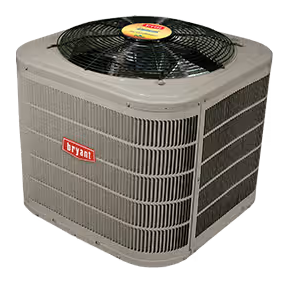
Bryant preferred-2-stage-air-conditioner

Increased Energy Consumption and Higher Utility Bills

An inefficient air conditioner has to work much harder to achieve the same level of cooling, which directly impacts your energy usage. Here’s what typically happens when the issue is left unresolved:

  • Your system runs for longer cycles, consuming more electricity to try to reach the set temperature.
  • Your monthly utility bills increase even though your cooling performance continues to decline.
  • Your home becomes less comfortable despite higher energy usage.

Over time, these increased operating costs can add up significantly, making early repair the more cost-effective option.

Added Strain on System Components

When your AC is forced to run continuously without properly cooling, it puts unnecessary stress on critical components. This strain can lead to ongoing wear and tear, including:

  • Your compressor and fan motors working harder than designed for extended periods.
  • Internal components experiencing accelerated wear due to constant operation.
  • Increased likelihood of small issues developing into larger mechanical failures.

Continued strain on the system often shortens its overall lifespan and reduces reliability.

Risk of Complete System Failure

What starts as a cooling issue can quickly escalate into a full system breakdown if not addressed in time. This is especially concerning because:

  • A struggling system may eventually stop cooling altogether during peak demand periods.
  • Key components such as the compressor or refrigerant system may fail completely under stress.
  • Emergency breakdowns often occur at the worst possible time, such as during extreme heat.

Addressing the issue early can help prevent a total system failure and avoid emergency repair situations.

More Expensive Repairs If Ignored

Delaying repairs often turns a minor issue into a much more expensive problem to fix. The longer the system runs inefficiently, the more likely you are to face:

  • Compounded damage affecting multiple components instead of a single repair point.
  • Higher labour and parts costs due to more extensive system damage.
  • Potential need for partial or full system replacement in severe cases.

Prompt repairs are almost always more affordable than waiting until the problem worsens.

Ignoring cooling issues rarely makes them go away. In most cases, acting quickly helps protect both your comfort and your investment in your HVAC system.

7. When to Call Generations Heating & Air Conditioning

Delaying pool heater repair might seem harmless in the spring, but it often leads to costly and frustrating consequences right when you need your system the most. In a short Southern Ontario summer, even a few days of downtime can have a big impact on your enjoyment and overall costs.

If your system is showing any of the signs discussed in this post, contacting Generations Heating & Air Conditioning can help restore comfort quickly and prevent more costly breakdowns in the future.

Generation Heating and Air Conditioning van

Reasons to Choose Generations:

If it's the comfort of your house that you're concerned about, you want to work with a company you can trust. At Generations Heating & Air Conditioning, we pride ourselves on offering professional advice, honest service, and dependable help from start to finish.

Local Experts Serving Kitchener and Beyond

We know Kitchener's weather and home styles inside and out. Our recommendations are based on hands-on experience here, not guesswork.

Friendly, Knowledgeable Technicians

Our service pros are highly trained technicians who care about you and your home. We take the time to clearly explain your options and answer your questions so that you feel confident making every decision.

No Pushy Sales Tricks, Just Honest Advice

You'll never be pressured into buying something you don't need. We prioritize what's best for you and your home, not what's easiest to sell.

Start-to-Finish Service

From the moment you receive your quote to long after your new system is installed, we're with you. Expect clear communication, tidy work, and follow-up service you can trust.

Ready to experience the Generations difference? Book a free consultation today and get the best home comfort for your needs and budget.

Contact Us
5 stars

What Our Customers Are Saying...

"What a great team - they installed our pool heater this summer....and now just came to the rescue when our furnace broke in the dead of winter in the middle of the night - found a board and replaced it right away. Great nice friendly and efficient service."

-Alison Wills

"We trust Generations to maintain our HVAC system. Their service is prompt, professional, and friendly. They are also very genuine when it comes to purchases, explaining the pros and cons of each model, with zero pressure/upselling.

If you’re looking for an honest, reliable HVAC company that genuinely cares about its customers, then Generations fits the bill."

-Michele A.

"I had a problem with my millivolt pool heater. I called Generations Heating and A/C They came within two days, Rob the technician was polite, professional and very competent. He had the problem solved in no time. The price was very reasonable. I have no hesitation in recommending or calling Generations Heating and A/C again.
Excellent work !"

-Jimmy M

Read More Reviews

Filed Under: Air Conditioners Tagged With: AC Running but not lowering temperature

Pool Heater Repair: Ensuring Your Pool is Ready for the Season

April 15, 2026 By profitworks

Pool Heater Repair: Ensuring Your Pool is Ready for the Season

pool heater maintenance

When the first warm days of the year arrive in Southern Ontario, the last thing you want is to discover your pool heater isn’t working. With such a short swimming season, even a few days of downtime can mean missed opportunities to enjoy your pool. The good news is that most major breakdowns don’t happen without warning. Subtle signs like ignition issues, strange noises, or inconsistent heating often appear well in advance.

Taking a proactive approach to pool heater repair in the spring can help you avoid costly emergency fixes and ensure your system is running efficiently when you need it most. By addressing small issues early, you can protect your investment, improve performance, and enjoy a stress-free summer.

  1. Early Warning Signs Your Pool Heater Needs Repair
  2. Why Spring is the Best Time for Pool Heater Repair
  3. The Hidden Value of Professional Maintenance
  4. Why DIY Fixes Often Lead to Bigger Problems
  5. Why Choose Professional Pool Heater Repair
  6. Trusted Service for All Pool Heater Brands
  7. The Cost of Waiting: What “Down-Time” Really Means
  8. Book Your Pool Heater Repair Before the Rush

Book your pool heater repair with Generations Heating & Air Conditioning today and make sure your pool is ready when the heat arrives.

Contact Us

Key Takeaways: Pool Heater Repair

  • Pool heater issues often show early warning signs such as ignition problems, strange noises, inconsistent temperatures, and rising energy bills.
  • Spring is the best time for pool heater repair in Southern Ontario to avoid peak-season delays and ensure reliable summer performance.
  • Professional maintenance like heat exchanger cleaning and sensor calibration improves efficiency, prevents breakdowns, and extends equipment life.
  • DIY repairs can lead to safety risks, warranty issues, and more expensive long-term damage.
  • Choosing experienced technicians like Generations Heating & Air Conditioning ensures accurate diagnostics, safe repairs, and fast service.
  • Early repairs help avoid costly downtime during the short Canadian swimming season, where every warm day counts.

1. Early Warning Signs Your Pool Heater Needs Repair

Most pool heaters will show clear signs of trouble before they fail completely. Catching these early warning signals in the spring can help you avoid costly repairs and frustrating downtime during peak swimming season.

Early Warning Signs Your Pool Heater Needs Repair

Warning Sign What It Means
Heater won't ignite or struggles to start Possible ignition failure or gas supply issue.
Unusual noises (clicking, banging, humming) Mechanical or electrical components may be failing.
Inconsistent or low water temperature Reduced efficiency or failing internal components.
Error codes or system shutdowns Sensor or safety system triggering a fault.
Visible corrosion or soot buildup Burner or ventilation issues requiring inspection.
Rising energy bills without explanation System is losing efficiency and working harder than normal.

Performance Issues You Shouldn’t Ignore

If your pool heater isn’t performing like it used to, it’s often one of the first indicators that something is wrong.

  • The heater won’t ignite or struggles to start, which may point to ignition system or gas supply issues.
  • The water temperature is inconsistent or lower than expected, even when the heater is running.
  • Your energy bills are rising without explanation, which can signal reduced efficiency or internal component wear.

These performance-related problems typically worsen over time, so addressing them early can prevent a complete system breakdown.

Unusual Sounds and System Alerts

Strange noises and error messages, such as the following, are your system’s way of telling you something isn’t right.

  • The heater makes unusual noises such as clicking, banging, or humming: This can indicate mechanical or electrical issues.
  • The system displays error codes or shuts down unexpectedly: This is often due to sensor faults or safety triggers.

These warning signs should never be ignored, as they often point to underlying issues that require professional diagnosis.

Visible Signs of Wear and Damage

Sometimes, the problem is visible before it becomes serious.

  • There is visible corrosion or rust on components: This can weaken the system and lead to leaks or failure.
  • You notice soot buildup around the unit: This may indicate improper combustion or ventilation problems.

Physical damage and buildup can quickly impact both safety and performance if left unaddressed.

Don’t ignore these signs; they rarely fix themselves.

2. Why Spring is the Best Time for Pool Heater Repair

If you wait until the first heatwave to check your pool heater, you’re already behind. Spring is the ideal time to schedule repairs, giving you a head start before demand spikes and small issues turn into major problems.

Factor
☀ Spring Repair
Summer Repair
Service Availability ✓ Better
Fast appointments with flexible scheduling.
✗ Worse
Long wait times during peak demand.
Cost Risk ✓ Better
Lower risk of emergency repair costs.
✗ Worse
Higher risk of urgent, expensive repairs.
System Reliability ✓ Better
Proactive fixes prevent breakdowns.
✗ Worse
Repairs happen after failure occurs.
Pool Downtime ✓ Better
Minimal disruption before season starts.
✗ Worse
Lost swim days during peak summer.

Beat the Mid-Summer Repair Rush

As temperatures rise, so does the demand for pool heater service. Booking early helps you stay ahead of the seasonal rush. Here's why:

  • You can avoid peak-season service delays when HVAC companies are at their busiest.
  • You will have faster appointment availability, making it easier to schedule service at a convenient time.

By acting in the spring, you eliminate the stress of long wait times and ensure your pool is ready when you need it most.

Prevent Bigger, More Expensive Problems

Minor issues have a way of escalating quickly if they aren’t addressed early.

  • You can prevent minor issues from becoming major failures by catching problems before they worsen.
  • You reduce the risk of unexpected breakdowns that often require more expensive emergency repairs.

Taking a proactive approach now can save you both time and money later in the season.

Be Ready the Moment Warm Weather Arrives

In Southern Ontario, warm weather doesn’t last long, so you need to make the most of it.

  • You ensure your system is fully operational and efficient when the first hot days arrive.
  • You avoid losing valuable swim time due to preventable equipment issues.

Getting ahead of repairs in the spring means you can enjoy a smooth, stress-free start to pool season.

3. The Hidden Value of Professional Maintenance

Professional pool heater maintenance goes far beyond a basic inspection. It addresses the internal components that directly impact performance, efficiency, and lifespan, especially after a long Ontario winter.

Heat Exchanger Cleaning

The heat exchanger is one of the most critical components in your pool heater, and it’s also one of the most commonly overlooked.

  • Professional cleaning removes scale, debris, and buildup that restrict proper operation.
  • It improves heat transfer efficiency, allowing your system to heat water faster and more consistently.
  • It helps prevent overheating and premature failure caused by restricted airflow or insulation from buildup.
  • It is especially important in Ontario due to the mineral content in the water and the effects of seasonal use.

Keeping the heat exchanger clean ensures your heater runs efficiently and reduces the risk of costly internal damage.

Sensor Calibration & System Diagnostics

Modern pool heaters rely on sensors and controls to operate safely and efficiently, but these systems can drift out of calibration over time.

  • Professional calibration ensures accurate temperature readings and proper system performance.
  • It prevents short cycling, which wastes energy and puts unnecessary strain on components.
  • It allows technicians to detect hidden faults before they turn into major breakdowns.
  • It is especially critical after months of winter inactivity when components may have shifted or degraded.

By fine-tuning these systems, professional maintenance helps your pool heater operate reliably when you need it most.

Service Benefit
♨
Heat Exchanger Cleaning
Improves efficiency, prevents overheating, and removes mineral buildup common in Ontario water.
◎
Sensor Calibration
Ensures accurate temperature control and prevents wasted energy from short cycling.

4. Why DIY Fixes Often Lead to Bigger Problems

While it can be tempting to troubleshoot pool heater issues on your own, modern systems are far more complex than they appear. What looks like a simple fix can quickly turn into a more expensive and time-consuming repair.

Complex Systems Require Professional Expertise

Today’s pool heaters rely on integrated gas, electrical, and digital control systems that must work together precisely.

  • Modern pool heaters are complex systems that require specialized tools and technical knowledge to diagnose correctly.
  • Small adjustments or incorrect repairs can easily disrupt the balance of the entire system.

Because of this complexity, even minor mistakes during DIY repairs can lead to larger system failures.

Warranty and Cost Risks

Attempting repairs without proper certification or training can create unexpected financial consequences.

  • There is a risk of voiding manufacturer warranties when unapproved repairs or parts are used.
  • Misdiagnosis can lead to costly part replacements that do not actually solve the underlying issue.

What seems like a money-saving fix upfront can often result in higher repair costs later.

Safety Concerns You Should Not Overlook

Pool heaters involve systems that must be handled with care and precision to ensure safe operation.

  • DIY repairs can create serious safety concerns involving gas lines, combustion systems, and electrical components.
  • Improper handling of these systems can increase the risk of leaks, electrical faults, or system hazards.

For safety reasons alone, professional servicing is the recommended approach for pool heater repair.

The Smarter Choice for Long-Term Reliability

Ultimately, professional repair ensures that issues are diagnosed correctly and resolved safely the first time, helping protect both your equipment and your investment.

5. Why Choose Professional Pool Heater Repair

When your pool heater starts showing signs of trouble, choosing professional repair is the most reliable way to restore performance quickly and safely. Experienced technicians bring the tools, knowledge, and training needed to diagnose issues accurately and prevent repeat problems.

pool heaters

Expert Tools and Accurate Diagnostics

Professional service ensures that your system is evaluated with the right equipment and expertise from the start.

  • Technicians use proper tools and diagnostic equipment designed specifically for modern pool heater systems.
  • They provide accurate troubleshooting the first time, reducing guesswork and unnecessary part replacements.

With the right approach, issues are identified quickly and resolved correctly, saving you time and frustration.

Safety You Can Rely On

Pool heaters involve systems that must be handled with care to ensure safe and reliable operation.

  • Professionals are trained in the safe handling of gas and electrical systems, reducing the risk of hazards during repair.
  • They follow proper procedures to ensure your equipment operates safely after service is completed.

This level of care helps protect both your home and your investment.

Long-Term Savings Through Preventative Care

Professional repairs are not just about fixing immediate problems, they also help prevent future breakdowns.

  • Technicians can identify early warning signs that support long-term cost savings through preventative care.
  • Proper servicing helps extend the life of your equipment and reduces the likelihood of expensive emergency repairs.

By addressing issues early and thoroughly, professional repair helps you avoid repeated service calls and unexpected downtime.

A Smarter Investment for Your Pool System

Choosing professional pool heater repair ensures your system runs efficiently, safely, and reliably throughout the entire season.

6. Trusted Service for All Pool Heater Brands

When it comes to pool heater repair, choosing a company with broad experience across multiple brands ensures your system is serviced correctly the first time. Generations Heating & Air Conditioning is a trusted local expert providing reliable repair and maintenance services throughout Southern Ontario.

Hayward Heat Pumps

A Local Team You Can Rely On

Working with an experienced local provider means faster service and a better understanding of the systems commonly used in the region.

  • Generations Heating & Air Conditioning is a trusted local expert with a strong reputation for quality HVAC and pool heater service.
  • The team is known for reliable service, experienced technicians, and fast response times during the busy spring and summer seasons.

This combination of local knowledge and technical expertise ensures customers receive dependable support when they need it most.

Authorized Warranty Service for Leading Brands

Having factory authorization matters when it comes to warranty work and proper system care.

  • Generations is an authorized warranty service provider for both Hayward and Jandy pool heating systems.
  • This authorization ensures repairs are completed according to manufacturer standards and warranty requirements.

Customers can feel confident knowing their equipment is being serviced to the highest professional standards.

Service for All Makes and Models

Pool systems vary widely, and experience across different manufacturers is essential for accurate repair.

  • The team is fully capable of servicing all makes and models of pool heaters, not just specific brands.
  • Technicians are trained to diagnose and repair a wide range of systems, ensuring consistent results regardless of equipment type.

This versatility allows you to rely on one trusted provider for all your pool heating needs.

Experience, Reliability, and Fast Service

In peak season, responsiveness and reliability make all the difference in maintaining a functional pool system.

  • Generations prioritizes fast, efficient service to minimize downtime during the short swimming season.
  • The company focuses on delivering dependable repairs backed by years of hands-on experience in the field.

This commitment ensures customers receive both quality workmanship and timely support when it matters most.

7. The Cost of Waiting: What “Down-Time” Really Means

Delaying pool heater repair might seem harmless in the spring, but it often leads to costly and frustrating consequences right when you need your system the most. In a short Southern Ontario summer, even a few days of downtime can have a big impact on your enjoyment and overall costs.

Lost Time During Peak Swimming Season

When your pool heater isn’t working during the warmest days of the year, the impact is immediate and disappointing.

  • You lose valuable swim days during peak season when your pool should be at its most enjoyable.
  • You miss out on making full use of your backyard during the limited warm weather window.

Every day of downtime in summer is a day you cannot get back, which makes early repairs essential.

Higher Costs from Emergency Repairs

Waiting until something breaks often turns a simple fix into a more expensive emergency service call.

  • You risk facing emergency repair costs that are typically higher than scheduled maintenance or early diagnostics.
  • You may also experience longer wait times, which can further delay getting your pool back in working order.

Addressing issues early helps you avoid unnecessary expenses and stressful last-minute repairs.

Stress and Inconvenience for Your Family

A malfunctioning pool heater doesn’t just affect equipment, it impacts your entire household’s plans and enjoyment.

  • You experience stress and inconvenience for families who are expecting to enjoy the pool during warm weather.
  • You may need to adjust or cancel gatherings, events, or everyday leisure time due to unexpected downtime.

A well-maintained system helps ensure your summer plans stay on track without disruption.

Short Canadian Summers Leave No Room for Delay

In Southern Ontario, the swimming season is limited, which makes every warm day especially valuable.

  • You lose the opportunity to enjoy your pool during the short Canadian summers where warm weather is not guaranteed.
  • You risk missing out on some of the few ideal swimming days if your system is not ready when you need it most.

Maximizing every warm day starts with ensuring your pool heater is repaired and ready before the season begins.

pool heaters

8. Book Your Pool Heater Repair Before the Rush

The best way to ensure your pool is ready for a stress-free summer is to take action early. Scheduling a spring diagnostic gives you time to address small issues before they turn into costly breakdowns during peak season.

Take Advantage of Early Spring Diagnostics

Spring is the ideal time to have your system inspected, repaired, and optimized before demand increases.

  • Early spring diagnostics help identify small issues before they develop into major system failures.
  • They allow technicians to complete repairs quickly, without the delays that come during peak summer demand.

By acting early, you give your pool heater the best chance to perform reliably all season long.

Think of It as an Investment, Not an Expense

Professional pool heater repair is not just about fixing problems, it is about protecting your long-term comfort and enjoyment.

  • Proper service helps extend the lifespan of your equipment, reducing the need for premature replacement.
  • Preventative care improves efficiency, which can lead to lower operating costs over time.

When viewed this way, early repair becomes a smart investment in your home and lifestyle.

Enjoy Peace of Mind All Summer Long

A well-maintained pool heater ensures you can enjoy your pool without interruptions or unexpected issues.

  • You gain peace of mind knowing your system is ready for consistent, reliable performance.
  • You enjoy uninterrupted summer use without worrying about sudden breakdowns during the hottest days.

This preparation allows you to focus on enjoying your pool instead of worrying about it.

Get Ready for the Season Now

Do not wait until the first heatwave to discover a problem with your pool heater.

Schedule your pool heater inspection today with Generations Heating & Air Conditioning and ensure your system is ready before the rush begins.

A Small Fix Now by Generations Heating & Air Conditioning = A Full Summer Later

Generation Heating and Air Conditioning van

Taking care of your pool heater in the spring is one of the simplest ways to protect your summer plans. A small, proactive repair today can prevent major breakdowns, reduce unexpected costs, and ensure your system is running efficiently when you need it most. It also helps you avoid the stress and delays that come with peak-season service demand, giving you more time to simply enjoy your pool.

In a short Southern Ontario swimming season, every warm day matters. Waiting until something fails can quickly turn into lost swim time, emergency repairs, and unnecessary frustration that could have easily been avoided with early attention.

For reliable, professional pool heater repair you can trust, contact Generations Heating & Air Conditioning today. Book your inspection now and enjoy a full, worry-free summer by making sure your pool is ready before the rush.

Reasons to Choose Generations:

If it's the comfort of your house that you're concerned about, you want to work with a company you can trust. At Generations Heating & Air Conditioning, we pride ourselves on offering professional advice, honest service, and dependable help from start to finish.

Local Experts Serving Kitchener and Beyond

We know Kitchener's weather and home styles inside and out. Our recommendations are based on hands-on experience here, not guesswork.

Friendly, Knowledgeable Technicians

Our service pros are highly trained technicians who care about you and your home. We take the time to clearly explain your options and answer your questions so that you feel confident making every decision.

No Pushy Sales Tricks, Just Honest Advice

You'll never be pressured into buying something you don't need. We prioritize what's best for you and your home, not what's easiest to sell.

Start-to-Finish Service

From the moment you receive your quote to long after your new system is installed, we're with you. Expect clear communication, tidy work, and follow-up service you can trust.

Ready to experience the Generations difference? Book a free consultation today and get the best home comfort for your needs and budget.

Contact Us
5 stars

What Our Customers Are Saying...

"What a great team - they installed our pool heater this summer....and now just came to the rescue when our furnace broke in the dead of winter in the middle of the night - found a board and replaced it right away. Great nice friendly and efficient service."

-Alison Wills

"We trust Generations to maintain our HVAC system. Their service is prompt, professional, and friendly. They are also very genuine when it comes to purchases, explaining the pros and cons of each model, with zero pressure/upselling.

If you’re looking for an honest, reliable HVAC company that genuinely cares about its customers, then Generations fits the bill."

-Michele A.

"I had a problem with my millivolt pool heater. I called Generations Heating and A/C They came within two days, Rob the technician was polite, professional and very competent. He had the problem solved in no time. The price was very reasonable. I have no hesitation in recommending or calling Generations Heating and A/C again.
Excellent work !"

-Jimmy M

Read More Reviews

Filed Under: Pools

Why Your AC Isn’t Cooling Even on Mild Days: Hidden Issues Most Homeowners Miss

April 2, 2026 By profitworks

Why Your AC Isn’t Cooling Even on Mild Days: Hidden Issues Most Homeowners Miss

Air conditioners

It’s easy to assume your air conditioner will only struggle during extreme heat, but many homeowners notice their AC isn’t cooling properly even on mild days when it should have no trouble keeping the house comfortable. The system may be running, air may be blowing, but the temperature just doesn’t seem to drop the way it used to.

In this article, we’ll walk through the most common reasons your AC isn’t cooling properly, what you can safely check yourself, and when it’s time to call a professional to prevent a bigger and more expensive repair.

  1. Start With the Basics: Quick Checks You Can Do First
  2. Thermostat Problems You Might Not Notice
  3. Restricted Airflow: The Silent Efficiency Killer
  4. Dirty Coils: A Hidden Cause of Poor Cooling
  5. Low Refrigerant or Leaks
  6. Aging or Worn-Out Components
  7. When Mild Weather Still Causes Problems
  8. When to Call a Professional HVAC Technician
  9. Preventative Maintenance: The Best Way to Avoid Cooling Problems

If your AC isn’t cooling and you’re not sure why, contact Generations Heating & Air Conditioning for a professional inspection and reliable solutions.

Contact Us

Key Takeaways: Why Your AC Isn’t Cooling

  • An AC that isn’t cooling, even on mild days, often points to hidden or overlooked issues rather than extreme heat.
  • Simple homeowner checks like thermostat settings, air filter condition, and vent clearance can solve many common problems.
  • Thermostat problems, including miscalibration, poor placement, or aging components, can prevent your AC from cooling efficiently.
  • Restricted airflow from dirty filters, blocked ducts, closed vents, or a failing blower reduces cooling performance.
  • Dirty evaporator or condenser coils limit heat transfer, making it harder for your system to cool your home.
  • Low refrigerant or leaks are serious issues that require a licensed HVAC professional to repair.
  • Aging or worn-out components can reduce system efficiency and may make repairs less cost-effective over time.
  • Struggling AC during mild weather is a warning sign of reduced efficiency or hidden strain; early detection prevents bigger problems.
  • Preventative maintenance, including annual tune-ups, filter changes, and keeping outdoor units clear, improves efficiency, extends lifespan, and catches issues early.
  • When problems persist despite basic troubleshooting, call a professional HVAC technician to ensure proper diagnosis and repair.

1. Why a Spring AC Tune-Up Matters

A spring AC tune-up is more than just routine maintenance. It’s an investment in your comfort, your wallet, and the longevity of your system. Taking the time to prepare your air conditioner before the heat arrives can save you from costly repairs and headaches later.

Check What to do
Thermostat
Set to cool, temperature below room temp — replace batteries if needed
Air Filter
Check monthly and replace every 1–3 months
Vents
Keep vents open and clear of furniture, rugs, or curtains

Check Your Thermostat Settings

Your thermostat controls when and how your air conditioner runs, so this is always the first place to check. Incorrect settings or simple thermostat issues can make it seem like your AC isn’t working properly when it actually is.

Start by checking the following thermostat settings and conditions:

  • Make sure the thermostat is set to cool, not fan or heat mode.
  • Confirm the temperature setting is lower than the current room temperature, so the system will actually turn on.
  • Replace the thermostat batteries if your thermostat uses them, because low batteries can cause the system to malfunction or not turn on at all.

After checking your thermostat, wait a few minutes to see if the system starts cooling properly before moving on to the next step.

Inspect Your Air Filter

A clogged air filter is one of the most common reasons an AC isn’t cooling properly. When the filter is dirty, it restricts airflow, which makes it harder for your system to circulate cool air throughout your home and can even cause the system to freeze up or overheat.

Here are a few simple air filter tips every homeowner should follow:

  • Check your air filter at least once per month, especially during the cooling season.
  • Replace the air filter every 1–3 months, depending on usage, pets, and dust levels in your home.
  • If the filter looks grey, dusty, or clogged, it should be replaced immediately.

Keeping your air filter clean is one of the easiest and most effective ways to keep your air conditioner running efficiently.

The following video shows you how to easily change your furnace/AC filter.

https://youtu.be/sOcfx5o9-B4

Make Sure Vents Aren’t Blocked

Even if your air conditioner is working properly, blocked vents can prevent cool air from circulating through your home. This can make certain rooms feel warm and give the impression that the entire system isn’t cooling.

Walk through your home and check for common airflow obstructions:

  • Make sure furniture is not placed directly in front of vents.
  • Check that rugs are not covering floor vents.
  • Ensure curtains or drapes are not blocking airflow from wall vents.
  • Confirm that vents are open and not accidentally closed.

Proper airflow throughout your home is essential for your air conditioner to cool effectively and maintain consistent temperatures.

If these simple fixes don’t solve the problem, the issue may be deeper inside your system.

2. Thermostat Problems You Might Not Notice


When an AC isn’t cooling, many homeowners assume the air conditioner itself is the problem, but sometimes the issue is actually the thermostat. Thermostats can malfunction in subtle ways that cause your system to run at the wrong times, shut off too early, or not cool your home properly even though everything else is working.

Thermostat Miscalibration

One common issue is thermostat miscalibration. This means the thermostat is reading the indoor temperature incorrectly, which causes the air conditioner to behave improperly.

Here are a few signs your thermostat may be miscalibrated:

  • The thermostat says the home is at the correct temperature, but the house feels warmer or cooler than the reading.
  • The air conditioner turns off before the home actually reaches the set temperature.
  • The air conditioner runs for very short cycles and never fully cools the home.

If the thermostat temperature reading is inaccurate, the system will not run long enough to properly cool your home.

Poor Thermostat Placement

The location of your thermostat can also affect how well your air conditioner cools your home. If the thermostat is placed in a poor location, it may read a temperature that does not reflect the rest of the house.

Common thermostat placement problems include the following:

  • The thermostat is located in direct sunlight, which makes it think the house is warmer than it is.
  • The thermostat is installed near an air vent, causing it to cool down too quickly and shut off the system early.
  • The thermostat is near kitchens, appliances, or other heat sources that affect temperature readings.

When the thermostat gets incorrect temperature readings due to placement, your AC may shut off too soon or run when it doesn’t need to.

Aging or Outdated Thermostats

Older thermostats can simply become less accurate over time. Mechanical thermostats and older digital models may lose accuracy, respond slowly, or fail to communicate properly with your HVAC system.

Older thermostats may cause the following issues:

  • The temperature reading may drift and become inaccurate over time.
  • The system may not turn on or off at the correct times.
  • The thermostat may not control newer high-efficiency systems properly.

If your thermostat is more than 10–15 years old, upgrading can often improve comfort and efficiency immediately.

Consider Upgrading Your Thermostat

If you suspect your thermostat may be part of the problem, upgrading to a newer model can make a big difference in comfort and energy efficiency. Programmable and smart thermostats allow better temperature control, scheduling, and more accurate readings, which helps your air conditioning system cool your home more consistently and efficiently.

3. Restricted Airflow: The Silent Efficiency Killer

Airflow is essential for your air conditioner to cool your home effectively. Even if your AC is running perfectly, poor airflow can prevent cool air from circulating, making rooms feel warmer than they should and causing the system to work harder than necessary.

Why Airflow Matters

Airflow carries the cooled air from your system through the ducts and into your living spaces. When airflow is restricted, your home may not reach the desired temperature, and your AC may run longer, increasing energy use and wear on the system. Maintaining proper airflow is crucial for efficiency, comfort, and the longevity of your air conditioner.

Common Causes of Restricted Airflow

There are several reasons your AC may not be delivering air properly. Some of the most common causes include:

  • Dirty or clogged air filters:
    A blocked filter reduces airflow and makes it harder for your system to cool the home efficiently.
  • Blocked or leaky ductwork:
    Dust buildup, debris, or holes in your ducts can reduce airflow and prevent cool air from reaching certain rooms.
  • Closed or improperly balanced vents:
    If vents are closed or unevenly distributed, some rooms may get too little airflow while others get too much.
  • Failing blower motor:
    The blower is responsible for pushing air through the system. If it is worn or malfunctioning, airflow can be weak or inconsistent.

Checking these factors can help you identify airflow problems and determine whether a simple fix or professional service is needed.

Key takeaway: Even a perfectly functioning AC unit can’t cool your home without proper airflow, making it critical to address restrictions promptly.

Dirty filter
Dirty filter
Reduced airflow
AC works harder
Poor cooling & higher energy bills

Blocked ducts
Blocked ductsor closed vents
Uneven air distribution
Hot rooms & AC strain

Blower motor
Failing blower motor
Weak airflow
Can't reach desired temperature

Key takeaway: Even a perfectly functioning AC unit can’t cool your home without proper airflow, making it critical to address restrictions promptly.

4. Dirty Coils: A Hidden Cause of Poor Cooling

Even when your air conditioner is running, dirty coils can prevent it from cooling your home effectively. Both the indoor and outdoor coils play a critical role in the heat transfer process, and when they get clogged with dirt or debris, your AC’s efficiency and performance suffer.

Evaporator Coils (Indoor)

The evaporator coils are located inside your air handler or furnace and are responsible for absorbing heat from your home. When these coils become coated with dust, dirt, or grime, they can’t absorb heat efficiently, which makes your AC work harder and reduces cooling performance.

Common effects of dirty evaporator coils include:

  • The AC takes longer to reach the desired temperature.
  • Air may feel less cold even when the system is running continuously.
  • Frost or ice may form on the coils due to restricted airflow.

Regular maintenance and professional cleaning help keep evaporator coils operating efficiently.

Condenser Coils (Outdoor)


Air Conditioner Repair

The condenser coils are part of your outdoor unit and are responsible for releasing heat from your home to the outside air. Dirt, leaves, pollen, and other debris can accumulate on these coils, trapping heat and reducing the system’s ability to cool effectively.

Signs that condenser coils may be dirty include:

  • The outdoor unit feels unusually hot to the touch.
  • The system runs continuously without achieving the set temperature.
  • Higher than normal energy bills.

Simple Homeowner Checks

While professional cleaning is recommended for coils, homeowners can perform a few simple checks to help maintain efficiency:

  • Visually inspect the outdoor unit for leaves, dirt, or other debris that may block airflow.
  • Keep at least 2 feet of clearance around the outdoor unit to ensure proper ventilation.

Keeping both the indoor and outdoor coils clean is essential for maintaining your air conditioner’s cooling performance and preventing unnecessary strain on the system.

Coil type
Function
Common issues
■ Indoor
Evaporator coil
Absorbs heat from inside your home
Dirt buildup reduces heat absorption
May cause ice to form on coils
■ Outdoor
Condenser coil
Releases heat to the outside air
Debris, dirt, or leaves trap heat
Reduces system efficiency

5. Low Refrigerant or Leaks

Low refrigerant or a refrigerant leak is a more serious issue that can prevent your air conditioner from cooling properly. Refrigerant is the substance that carries heat from inside your home to the outside, making it essential for your AC to function. Unlike normal wear and tear, low refrigerant almost always indicates a leak that needs professional attention.

Why Refrigerant Levels Matter

Refrigerant allows your system to absorb heat from inside your home and release it outside. When refrigerant levels are too low:

  • The air conditioner cannot absorb or release heat effectively.
  • Cooling performance drops, even if the system appears to be running normally.
  • Components like the compressor can be damaged over time due to strain.

Warning Signs of Low Refrigerant or Leaks

Homeowners should watch for these signs that may indicate a refrigerant problem:

  • The AC blows warm or slightly cool air instead of reaching the set temperature.
  • Ice buildup on refrigerant lines or the evaporator coil can occur due to restricted flow.
  • Hissing or bubbling sounds coming from the indoor or outdoor unit may indicate a refrigerant leak.

Important Safety Note

Handling refrigerant is not safe for homeowners. It is a hazardous substance, and improper handling can damage the system or cause personal injury. Always contact a licensed HVAC professional to inspect, diagnose, and repair refrigerant leaks.

Addressing low refrigerant promptly ensures your AC can cool effectively and prevents more costly damage to your system.

6. Aging or Worn-Out Components

Even if your air conditioner is still running, aging or worn-out components can reduce its ability to cool your home effectively. Over time, normal wear and tear, dust, and environmental factors gradually degrade system performance, making it harder for the AC to maintain consistent temperatures, even on mild days.

Common Aging Issues

Several components can wear down over time and contribute to poor cooling:

  • Compressor inefficiency:
    The compressor may lose efficiency, making it harder to move refrigerant through the system.
  • Electrical component wear:
    Worn capacitors, relays, or other electrical parts can cause the system to cycle improperly or fail intermittently.
  • Reduced overall system capacity:
    Ducts, coils, and other parts may become less effective due to age, lowering the system’s ability to cool the home consistently.

These issues often develop gradually, so you may notice your AC taking longer to cool your home or struggling even when the weather is mild.

Guidance for Homeowners

  • Systems over 10–15 years old may no longer be able to provide efficient cooling, especially if maintenance has been irregular.
  • While repairs can sometimes restore performance, frequent or major fixes may become less cost-effective than replacing the system with a newer, more efficient unit.

Monitoring the performance of older systems and scheduling regular professional inspections can help prevent unexpected breakdowns and maintain comfort throughout the year.

7. When Mild Weather Still Causes Problems

Your air conditioner should have no trouble keeping your home comfortable during mild weather. If you notice your AC isn’t cooling properly even when it’s not particularly hot outside, it often points to underlying issues that need attention.

What Mild Weather Problems Reveal

When an AC struggles in mild temperatures, it is usually a sign of hidden problems that could get worse if left unchecked. Common causes include:

  • Reduced efficiency:
    The system may be losing cooling capacity due to dirty components, clogged filters, or worn-out parts.
  • Hidden system strain:
    Even minor issues like low refrigerant, airflow restrictions, or thermostat problems can make the system work harder than necessary.
  • Early warning signs of bigger issues:
    Problems that seem small now, like inconsistent cooling or higher energy bills, can lead to major breakdowns when temperatures rise.

Why Early Detection Matters

Catching these issues early can save you from costly repairs and uncomfortable home conditions during peak summer heat. Regular inspections, preventive maintenance, and prompt professional attention ensure your AC continues to run efficiently, even before the hottest days arrive.


8. When to Call a Professional HVAC Technician

CheckingGauge


Sometimes, despite your best efforts, your air conditioner still isn’t cooling properly. Knowing when to call a professional is essential to prevent further damage and ensure your home stays comfortable. This section helps you identify clear signs that it’s time to bring in an expert.

Signs You Need Professional Service

If any of the following issues occur, it’s a good indication that your AC requires a licensed HVAC technician:

  • Your AC runs constantly but doesn’t cool the home effectively.
  • Airflow is weak throughout the house, even with vents open and filters clean.
  • You notice ice forming on refrigerant lines, refrigerant leaks, or unusual noises coming from the system.
  • Your energy bills are rising without any clear reason.
  • Basic troubleshooting; like checking filters, vents, and thermostat settings; didn’t solve the problem.

Why Professional Help Matters

Calling a professional ensures that underlying issues are correctly diagnosed and repaired. Licensed HVAC technicians have the tools and expertise to safely handle refrigerant, clean components, repair worn parts, and restore your system to full efficiency. Acting promptly can save you from more extensive repairs and keep your home comfortable year-round.

9. Preventative Maintenance: The Best Way to Avoid Cooling Problems

Regular maintenance is the most effective way to keep your air conditioner running efficiently and prevent hidden issues from becoming major problems. By taking proactive steps, homeowners can extend the life of their system, improve comfort, and reduce costly repairs.

Benefits of Regular AC Maintenance

Improves cooling efficiency
Faster cooling and consistent comfort throughout your home
Extends system lifespan
Reduces wear and tear on components over time
Reduces repair costs
Prevents expensive breakdowns before they happen
Catches issues early
Identifies problems before they worsen or become costly

Scheduling routine maintenance for your air conditioner provides multiple benefits, including:

  • Improves cooling efficiency:
    Clean components and proper airflow allow your system to cool your home more effectively.
  • Extends system lifespan:
    Regular upkeep prevents unnecessary strain on key components, helping your AC last longer.
  • Reduces repair costs:
    Identifying small problems early can prevent expensive breakdowns later.
  • Catches issues early:
    Maintenance inspections can detect worn parts, low refrigerant, or airflow restrictions before they become major concerns.

Recommended Preventative Steps

Homeowners can take simple, consistent actions to maintain AC performance, including:

  • Schedule an annual AC tune-up, ideally in the spring before the cooling season begins.
  • Perform regular air filter changes, checking monthly and replacing as needed.
  • Keep outdoor units clean and free of debris, with at least 2 feet of clearance around the unit to ensure proper airflow.

By following these preventative maintenance steps, you can keep your air conditioner running smoothly, avoid unexpected cooling problems, and enjoy consistent comfort throughout the year.

Don’t Ignore the Early Signs: Trust Generations Heating & Air Conditioning

Generation Heating and Air Conditioning van

An air conditioner that isn’t cooling properly, even on mild days, is a warning sign that something isn’t working as it should. Small issues, like clogged filters, restricted airflow, or low refrigerant, can quickly turn into costly repairs if left unaddressed. Taking action early can save both time and money while keeping your home comfortable year-round.

If your AC isn’t cooling the way it should, don’t wait to get professional help. Generations Heating & Air Conditioning offers:

  • Experienced technicians who can accurately diagnose and fix your AC problems.
  • Fast, reliable service to restore comfort quickly.
  • Honest recommendations to help you make the best decisions for your home and system.

Whether it’s a simple fix or a deeper issue, our team will get your home cool and comfortable again, before the heat really hits.

Reasons to Choose Generations:

If it's the comfort of your house that you're concerned about, you want to work with a company you can trust. At Generations Heating & Air Conditioning, we pride ourselves on offering professional advice, honest service, and dependable help from start to finish.

Local Experts Serving Kitchener and Beyond

We know Kitchener's weather and home styles inside and out. Our recommendations are based on hands-on experience here, not guesswork.

Friendly, Knowledgeable Technicians

Our service pros are highly trained technicians who care about you and your home. We take the time to clearly explain your options and answer your questions so that you feel confident making every decision.

No Pushy Sales Tricks, Just Honest Advice

You'll never be pressured into buying something you don't need. We prioritize what's best for you and your home, not what's easiest to sell.

Start-to-Finish Service

From the moment you receive your quote to long after your new system is installed, we're with you. Expect clear communication, tidy work, and follow-up service you can trust.

Ready to experience the Generations difference? Book a free consultation today and get the best home comfort for your needs and budget.

Contact Us
5 stars

What Our Customers Are Saying...

"These guys are top notch. I had an issue of no heat due to my error (humidifier issue) that occurred after hours. They called me back within an hour to problem solve the issue and sent a technician first thing in the morning to ensure all was well. Maintenance performed at a reasonable price. Courteous and professional team. Highly recommend."

-Kris Pryke

"We trust Generations to maintain our HVAC system. Their service is prompt, professional, and friendly. They are also very genuine when it comes to purchases, explaining the pros and cons of each model, with zero pressure/upselling.

If you’re looking for an honest, reliable HVAC company that genuinely cares about its customers, then Generations fits the bill."

-Michele A.

"I would like to express my sincere appreciation for the excellent services provided by Generations Heating to me and my family. I highly recommend their services, as they consistently demonstrate professionalism, and the quality of their work is truly outstanding."

-Jeff Chircop

Read More Reviews

Filed Under: Air Conditioners Tagged With: AC Isn't Cooling

The Ultimate Spring AC Tune-Up Checklist: Prepare Your System Before the Heat Arrives

March 24, 2026 By profitworks

The Ultimate Spring AC Tune-Up Checklist: Prepare Your System Before the Heat Arrives

CheckingGauge

Summer is just around the corner, and there’s nothing worse than a malfunctioning air conditioner when the heat hits. A spring AC tune up is the best way to ensure your system runs efficiently, avoids unexpected breakdowns, and keeps your energy bills in check. By taking a few proactive steps now, you can extend the lifespan of your AC and enjoy a cool, comfortable home all season long.

  1. Why a Spring AC Tune-Up Matters
  2. Homeowner-Friendly Spring AC Tasks
  3. Professional AC Tune-Up Tasks
  4. Quick Checklist Summary
  5. Spring AC Tune-Up FAQ

Ready to get your system in top shape? Contact Generations Heating and Air Conditioning today to schedule your professional spring AC tune-up and stay ahead of the summer heat.

Contact Us

Key Takeaways

  • A spring AC tune-up prevents unexpected breakdowns, improves energy efficiency, and extends the life of your system.
  • Homeowners can handle simple tasks like replacing or cleaning filters, clearing debris, trimming plants, inspecting coils, and checking thermostat settings.
  • Professional tasks, including deep coil cleaning, checking refrigerant levels, inspecting electrical components, and system performance testing, ensure safe and efficient operation.
  • Combining DIY maintenance with professional service protects your investment and helps maintain manufacturer warranties.
  • Scheduling a spring tune-up before the heat arrives ensures a cooler, more comfortable, and energy-efficient summer.

1. Why a Spring AC Tune-Up Matters

A spring AC tune-up is more than just routine maintenance. It’s an investment in your comfort, your wallet, and the longevity of your system. Taking the time to prepare your air conditioner before the heat arrives can save you from costly repairs and headaches later.

Prevent Unexpected Breakdowns

Spring tune-ups help identify small issues before they turn into major problems. By catching potential failures early, you reduce the risk of your AC breaking down during the hottest days of summer.

  • A professional inspection can detect worn parts or loose connections that might otherwise cause your system to fail.
  • Cleaning and checking the system ensures that airflow and refrigerant levels are optimized, preventing strain on the unit.

Early detection of issues allows you to schedule repairs on your timeline, rather than dealing with emergency service calls.

Regular tune-ups give you peace of mind knowing your AC is ready to handle the summer heat without surprises.

Improve Energy Efficiency and Lower Utility Bills

A well-maintained air conditioner uses less energy while keeping your home comfortable. Performing a spring tune-up helps your system run at peak efficiency.

  • Cleaning the coils and replacing or cleaning filters allows air to flow freely, reducing the energy your AC needs to cool your home.
  • Proper refrigerant levels ensure your system cools effectively without overworking the compressor.
  • Calibrating your thermostat guarantees accurate temperature control, preventing unnecessary energy consumption.

Investing in efficiency now helps lower your utility bills throughout the season.

AC Energy Use: Maintained vs. Neglected

Approximate energy consumption — lower is better

Well Maintained
~70% energy use
Neglected
~100% energy use
Well Maintained AC
Neglected AC

According to the U.S. Department of Energy, a poorly maintained AC can use up to 25–30% more energy than a well-serviced system. The EPA’s Energy Star program estimates regular maintenance reduces energy use by 5–15%. The bar widths above reflect a mid-range estimate of approximately 30% excess energy use in a neglected system and are intended as a general illustration only — actual savings will vary depending on your system, home, and usage habits.

Extend the Life of the AC System

Regular maintenance reduces wear and tear on your system, helping it last longer and perform more reliably.

  • Lubricating moving parts and inspecting electrical components reduces stress on the system.
  • Removing debris and keeping the condenser clean prevents overheating and mechanical damage.
  • Consistent tune-ups ensure that your AC operates under optimal conditions, delaying the need for a full replacement.

Taking care of your system today means fewer repairs and a longer-lasting AC tomorrow.

Keep Your Warranty Valid

Many manufacturer warranties require proof of regular maintenance. Skipping tune-ups could jeopardize coverage if a problem arises.

  • Documented annual maintenance shows that you have followed manufacturer guidelines.
  • Professional inspections ensure compliance with warranty requirements, protecting your investment.
  • Missing routine tune-ups could result in denied warranty claims for repairs or replacements.

Scheduling a spring AC tune-up keeps your system covered and your investment protected.

2. Homeowner-Friendly Spring AC Tasks

Some parts of a spring AC tune-up can be safely completed by homeowners. These simple tasks help your system run efficiently and reduce the likelihood of problems later, all without the need for professional tools or training.

Seasonal AC Maintenance Timeline – Generations Heating and Air Conditioning
Spring

DIY

Replace air filters

Clear outdoor unit

Professional

Full AC tune-up

Refrigerant check

Summer

DIY

Monthly filter checks

Monitor performance

Professional

Only if issues arise

Fall

DIY

Cover outdoor unit

Replace filters

Professional

Furnace inspection

Pre-winter AC check

DIY task
Professional task
Generations Heating & Air

Change or Clean Air Filters

One of the easiest ways to improve your AC’s performance is by maintaining clean filters.

  • Replace disposable filters or clean reusable filters every 1–3 months, depending on usage.
  • Dirty filters restrict airflow, making your AC work harder and increasing energy costs.
  • Regular filter maintenance can also improve indoor air quality for your home.

Clear Debris Around the Outdoor Unit

Leaves, sticks, and grass clippings can accumulate around your condenser, blocking airflow and reducing efficiency.

  • Remove any visible debris from the area surrounding the unit.
  • Keep at least two feet of clearance around the AC to ensure proper airflow.
  • Trim back shrubs or plants that might be encroaching on the unit.

Visual Inspection of Condenser Coils

A quick visual check of the condenser coils can help you spot potential issues.

  • Look for dirt, dust, or other debris on the coils.
  • Lightly brush away debris using a soft brush or cloth. Avoid high-pressure water or harsh chemicals, which could damage the coils.
  • Noticing buildup early can help you decide if a professional deep cleaning is needed.

Check Thermostat Settings

Making sure your thermostat is working properly helps your system operate efficiently.

  • Ensure the thermostat is set to cooling mode and the temperature is accurate.
  • Test fan settings to confirm proper airflow.
  • Consider upgrading to a programmable thermostat for better energy savings.

These homeowner-friendly tasks help your AC operate smoothly and make professional maintenance more effective. Completing them early in the season sets the stage for a cooler, more efficient summer.

3. Professional AC Tune-Up Tasks

furnace filter replacement


Some furnace problems require immediate attention to protect your home, your health, and your comfort. Knowing when to call for emergency furnace repair can prevent dangerous situations and costly damage. If you experience any of the following issues, do not wait. Contact a professional right away.

While homeowners can handle basic maintenance, certain spring AC tune-up tasks require a trained HVAC technician. These steps ensure your system operates safely, efficiently, and reliably throughout the summer.

Deep Clean Condenser Coils

Condenser coils transfer heat from your home to the outside. A professional cleaning removes stubborn dirt and grime that can reduce efficiency.

  • Technicians use specialized tools to clean coils without damaging the delicate fins or wiring.
  • Clean coils improve heat transfer, helping your AC cool more effectively.
  • Deep cleaning prevents your system from overworking, reducing wear and tear.

Check Refrigerant Levels

Proper refrigerant levels are essential for optimal cooling and system performance.

  • Low refrigerant can make your AC work harder, leading to higher energy bills and potential damage.
  • Only certified technicians can safely check and recharge refrigerant.
  • Ensuring the correct levels helps prevent compressor strain and prolongs system life.

Inspect Electrical Components and Connections

Electrical problems are a common cause of AC failures.

  • Professionals check wiring, connections, and capacitors for wear or damage.
  • Identifying electrical issues early reduces the risk of system breakdowns or safety hazards.
  • Repairs or replacements are handled safely by trained technicians.

Test System Performance

A full performance check ensures your AC is ready for summer heat.

  • Technicians measure airflow, temperature consistency, and overall system operation.
  • They confirm that the thermostat, compressor, and fan are functioning properly.
  • Performance testing helps catch hidden issues before they lead to costly repairs.

Schedule Preventive Maintenance

Professional tune-ups often include additional preventive measures to protect your AC.

  • Lubrication of moving parts and calibration of controls reduce wear.
  • Safety inspections ensure your system is operating within manufacturer specifications.
  • Regular service visits establish a maintenance record, helping preserve warranties and system longevity.

Completing these professional tasks alongside your homeowner maintenance ensures your AC is fully prepared for the season. By combining DIY care with expert inspections, you can prevent breakdowns, save on energy costs, and enjoy reliable comfort all summer long.

4. Quick Checklist Summary: DIY vs Professional Spring AC Tasks

Keeping your AC in top shape is easier when you know which tasks you can do yourself and which require a professional. Use this checklist as a simple guide to plan your spring AC tune-up.

Quick Checklist Summary: DIY vs Professional Spring AC Tasks

✓ DIY Tasks You Can Do Yourself
  • Replace or clean air filtersEvery 1–3 months
  • Remove leaves, sticks and debrisFrom around the outdoor unit
  • Trim shrubs or plantsMaintain at least 2 ft of clearance
  • Visual inspection of condenser coilsBrush away light debris
  • Check thermostat settingsEnsure proper cooling and accurate readings
You have got this!These quick tasks take under an hour and can prevent costly breakdowns. Do them at the start of the season before your first AC use.
✓ Professional Tasks to Schedule
  • Deep clean condenser coilsFor maximum efficiency
  • Check and recharge refrigerant levelsIf needed
  • Inspect electrical componentsConnections, wear and damage
  • Test system performanceAirflow, temp consistency and thermostat
  • Schedule preventive maintenanceLubrication, calibration and safety checks
Book early this spring!A certified technician has the tools and training to safely service your system. Annual tune-ups extend AC lifespan and keep your warranty valid.
Generations Heating and Air Conditioning — Ready to book your spring tune-up?

5. Spring AC Tune-Up FAQ

If you’re planning a spring AC tune-up, you probably have a few questions about what’s involved, what you can do yourself, and when to call a professional. Below are answers to some of the most common questions homeowners have about preparing their air conditioning system for the summer season.

1. What is a spring AC tune-up?

A spring AC tune-up is a seasonal maintenance check to prepare your air conditioner for the summer. It includes cleaning, inspecting, and testing components to ensure your system runs efficiently and reliably.

2. How often should I have my AC tuned up?

It’s recommended to schedule a professional tune-up once a year, ideally in the spring before the hot weather arrives. Regular maintenance helps prevent breakdowns and keeps your system running efficiently.

3. Which AC tune-up tasks can I do myself?

Homeowners can safely handle simple tasks such as:

  • Replacing or cleaning air filters
  • Clearing leaves and debris around the outdoor unit
  • Trimming shrubs or plants near the condenser
  • Performing a visual inspection of condenser coils
  • Checking thermostat settings

4. Which tasks should a professional handle?

Professional tasks include:

  • Deep cleaning condenser coils
  • Checking and recharging refrigerant levels
  • Inspecting electrical components and connections
  • Testing overall system performance
  • Scheduling preventive maintenance

5. How does a tune-up save me money?

A properly maintained AC runs more efficiently, which reduces energy usage and lowers utility bills. It also prevents costly repairs by catching small problems early before they become major issues.

6. Can a spring tune-up extend my AC’s lifespan?

Yes. Routine maintenance reduces wear and tear on components, keeps your system running smoothly, and can extend the life of your AC by several years.

7. Do I need to schedule a professional tune-up if I do all the DIY tasks?

While DIY maintenance helps, a professional tune-up ensures your system is fully inspected, safe, and operating at peak efficiency. Combining both DIY care and professional service gives the best results.

8. How do I schedule a spring AC tune-up with Generations Heating and Air Conditioning?

It’s easy! Contact Generations Heating and Air Conditioning to book a professional tune-up and ensure your AC is ready for a cool, comfortable summer.

Get Your AC Ready for Summer with a Professional Spring Tune-Up

Generation Heating and Air Conditioning van

A thorough spring AC tune-up combines simple homeowner maintenance with expert professional care to keep your system running efficiently and reliably all season long. By replacing filters, clearing debris, and performing routine inspections, you can prevent unexpected breakdowns, lower energy bills, and extend the life of your air conditioner.

Don’t wait until the heat arrives, schedule your professional tune-up today. Contact Generations Heating and Air Conditioning to have our certified technicians prepare your AC for a cool, worry-free summer.

Reasons to Choose Generations:

If it's the comfort of your house that you're concerned about, you want to work with a company you can trust. At Generations Heating & Air Conditioning, we pride ourselves on offering professional advice, honest service, and dependable help from start to finish.

Local Experts Serving Kitchener and Beyond

We know Kitchener's weather and home styles inside and out. Our recommendations are based on hands-on experience here, not guesswork.

Friendly, Knowledgeable Technicians

Our service pros are highly trained technicians who care about you and your home. We take the time to clearly explain your options and answer your questions so that you feel confident making every decision.

No Pushy Sales Tricks, Just Honest Advice

You'll never be pressured into buying something you don't need. We prioritize what's best for you and your home, not what's easiest to sell.

Start-to-Finish Service

From the moment you receive your quote to long after your new system is installed, we're with you. Expect clear communication, tidy work, and follow-up service you can trust.

Ready to experience the Generations difference? Book a free consultation today and get the best home comfort for your needs and budget.

Contact Us
5 stars

What Our Customers Are Saying...

"These guys are top notch. I had an issue of no heat due to my error (humidifier issue) that occurred after hours. They called me back within an hour to problem solve the issue and sent a technician first thing in the morning to ensure all was well. Maintenance performed at a reasonable price. Courteous and professional team. Highly recommend."

-Kris Pryke

"We trust Generations to maintain our HVAC system. Their service is prompt, professional, and friendly. They are also very genuine when it comes to purchases, explaining the pros and cons of each model, with zero pressure/upselling.

If you’re looking for an honest, reliable HVAC company that genuinely cares about its customers, then Generations fits the bill."

-Michele A.

"I would like to express my sincere appreciation for the excellent services provided by Generations Heating to me and my family. I highly recommend their services, as they consistently demonstrate professionalism, and the quality of their work is truly outstanding."

-Jeff Chircop

Read More Reviews

Filed Under: Air Conditioners Tagged With: Spring AC Tune up

Furnace Repair in Kitchener-Waterloo: Signs You Need a Professional Before It’s Too Late

March 12, 2026 By profitworks

Furnace Repair in Kitchener-Waterloo: Signs You Need a Professional Before It’s Too Late

Bryant furnace maintenance

When winter temperatures hit Kitchener-Waterloo, your furnace isn’t just another appliance; it’s essential to your family’s comfort and safety. Unfortunately, many homeowners ignore early warning signs until they’re left without heat on the coldest day of the year. Strange noises, uneven heating, rising energy bills, or frequent cycling are often clear indicators that you need professional furnace repair before the problem gets worse.

In this guide, we’ll cover the most common signs you need furnace repair in Kitchener-Waterloo, the risks of delaying service, and when it’s time to call for emergency furnace repair. Acting early can save you money, prevent safety hazards, and ensure your home stays warm all season long.

  1. Why Prompt Furnace Repair Matters
  2. Warning Signs You Need Furnace Repair
  3. When to Call for Emergency Furnace Repair
  4. Why Choose Professional Furnace Repair in Kitchener-Waterloo
  5. Prevent Future Breakdowns with Regular Maintenance

If you’re noticing any of these warning signs, don’t wait. Contact Generations Heating and Air Conditioning today to schedule fast, reliable furnace repair in Kitchener-Waterloo and restore your home’s comfort before it’s too late.

Contact Us

Key Takeaways

  • Small furnace issues can quickly turn into major repairs if ignored, so early action is crucial.
  • Strange noises, uneven heating, rising energy bills, frequent cycling, and other warning signs indicate your furnace may need professional repair.
  • Delaying repairs increases the risk of carbon monoxide leaks, higher costs, reduced system lifespan, and unexpected mid-winter breakdowns.
  • Professional heating repair services provide accurate diagnosis, safe and code-compliant repairs, improved efficiency, and long-term solutions.
  • Emergency furnace repair is necessary for no heat, gas smells, loud banging, or carbon monoxide alarm activation.
  • Regular maintenance, including annual inspections and early detection of worn parts, improves efficiency and reduces the need for emergency repairs.
  • Choosing a local, licensed, and insured technician ensures fast response times, transparent pricing, and expert service tailored to Kitchener-Waterloo’s climate.
  • Scheduling furnace repair promptly helps maintain safety, comfort, and peace of mind throughout the winter.

1. Why Prompt Furnace Repair Matters

When your furnace starts showing signs of trouble, it can be tempting to wait and see if the problem resolves itself. However, delaying service often turns a small, manageable issue into a much bigger and more expensive problem. Prompt furnace repair helps protect your comfort, your budget, and your family’s safety.

The Risks of Delaying Repairs

▶ How a Small Issue Becomes a Major Breakdown
1
Small Furnace Issue
Minor noise or uneven heating
→
2
System Strain
Furnace works harder and efficiency drops
→
3
Component Failure
Parts begin to wear out or break
→
4
Emergency Breakdown
No heat during winter
⚠ Don’t let a small problem become a winter emergency — call Generations Heating and Air Conditioning at the first sign of trouble.

Putting off furnace repair may save time today, but it can create serious consequences tomorrow. Even minor issues can escalate quickly, especially during the peak heating season in Kitchener-Waterloo.

Here’s what can happen when repairs are delayed:

  • Minor problems can turn into major system failures when worn or damaged components are left unaddressed.
  • Repair costs often increase because damage spreads to additional parts of the system.
  • The risk of carbon monoxide leaks can rise if combustion or ventilation issues are ignored.
  • Your furnace’s overall lifespan can be reduced due to prolonged strain and mechanical stress.
  • You may experience an unexpected mid-winter breakdown that requires emergency furnace repair during the coldest days of the year.

Addressing issues early with professional furnace repair in Kitchener-Waterloo can prevent these risks and keep your heating system running reliably.

The Benefits of Professional Heating Repair Services

Hiring a qualified technician for heating repair services is about more than fixing a single part; it is about ensuring your entire system operates safely and efficiently. Professional service provides long-term value and protection.

When you choose professional furnace repair, you benefit from:

  • An accurate diagnosis that identifies the root cause of the problem instead of just treating symptoms.
  • Safe and code-compliant repairs that protect your home and family.
  • Improved efficiency and performance that can help lower your monthly energy bills.
  • Warranty protection, since many manufacturers require professional service to maintain coverage.
  • Peace of mind knowing your furnace is ready to handle cold weather without unexpected failure.

Prompt, professional service helps you avoid emergency situations while restoring comfort and confidence in your home’s heating system.

2. Warning Signs You Need Furnace Repair

Your furnace will usually give you clear warning signs before it completely breaks down. Recognizing these symptoms early allows you to schedule furnace repair before the issue turns into a costly emergency. If you notice any of the following problems, it may be time to call for professional heating repair services.

🔍 Furnace Warning Signs & What To Do
Warning Sign Possible Cause Action Needed
Banging or strange noises Ignition problems or loose internal parts ● Schedule professional furnace repair
Uneven heating Blower issues, duct problems, or thermostat malfunction ● Inspection by heating repair technician
Higher energy bills Reduced efficiency from worn or failing parts ● System inspection and tune-up
Frequent cycling Clogged filters or faulty sensors ● Professional diagnosis required
Yellow pilot light Incomplete combustion — possible CO risk ● Call for emergency furnace repair

Strange or Unusual Noises

Furnaces are not silent, but they should not be loud, sudden, or alarming. New or unusual noises often signal mechanical or ignition problems that require professional attention.

Here are common sounds and what they may indicate:

  • Banging or booming noises can signal ignition issues, such as delayed gas ignition.
  • Squealing sounds may indicate belt or motor problems that need adjustment or replacement.
  • Rattling noises often suggest loose components or panels that should be secured before damage worsens.
  • Grinding sounds can point to serious mechanical wear within the motor or other internal parts.

Any new or increasingly loud noise should never be ignored, as it often indicates a developing problem that could quickly lead to system failure or the need for emergency furnace repair.

Uneven Heating Throughout Your Home

If some rooms feel too hot while others remain cold, your furnace may not be distributing heat properly. Uneven heating is more than an inconvenience — it can be a sign of a deeper system issue.

Common causes of uneven heating include:

  • Certain rooms being significantly warmer or colder than others throughout the day.
  • Weak airflow coming from one or more vents.
  • Underlying issues such as duct problems, blower malfunctions, or thermostat errors.

While homeowners often suspect the thermostat, uneven heating frequently signals the need for furnace repair rather than a simple temperature adjustment.

Rising Energy Bills Without Explanation

If your energy bills are climbing but your usage habits have not changed, your furnace could be losing efficiency. A struggling system works harder to produce the same amount of heat, which directly impacts your monthly costs.

Watch for these warning signs:

  • A sudden increase in heating costs compared to previous months or years.
  • A furnace that seems to run longer than usual to maintain the same temperature.
  • Decreased efficiency caused by worn components or dirty internal parts.

A professional inspection can identify the source of inefficiency and restore proper performance before costs continue to rise.

Frequent Cycling (Turning On and Off Constantly)

Short cycling occurs when your furnace turns on and off repeatedly without completing a full heating cycle. This pattern puts excessive strain on the system and reduces overall efficiency.

Frequent cycling may be caused by:

  • Overheating due to restricted airflow or internal component issues.
  • Clogged filters that prevent proper air circulation.
  • Faulty sensors or thermostat malfunctions that misread temperature.

Short cycling not only increases wear and tear but can significantly shorten the lifespan of your furnace if not addressed promptly.

Furnace Running Constantly

On the opposite end of the spectrum, a furnace that runs continuously without shutting off is also a red flag. This often means the system is struggling to reach the desired temperature.

This issue may indicate:

  • The system cannot reach the set temperature despite running constantly.
  • Airflow restrictions, thermostat problems, or mechanical failures.
  • An early warning sign of an imminent breakdown.

If your furnace never seems to rest, it is important to schedule furnace repair before the system overheats or fails completely.

Yellow Pilot Light Instead of Blue

Your pilot light color can reveal serious safety concerns. Under normal conditions, the flame should burn blue.

A change in color may indicate:

  • A blue flame typically means the furnace is operating properly.
  • A yellow or flickering flame can signal incomplete combustion and a potential carbon monoxide risk.

A yellow pilot light should prompt an immediate call for emergency furnace repair, as carbon monoxide exposure can be dangerous and even life-threatening.

Poor Indoor Air Quality

Your furnace plays a major role in maintaining indoor air quality. When it malfunctions, you may notice changes in the air throughout your home.

Common air quality warning signs include:

  • Increased dust accumulation on surfaces.
  • Dry air that causes discomfort or irritation.
  • Strange smells such as burning odours, musty scents, or gas odours.

These symptoms can indicate airflow problems, dirty components, or combustion issues that require professional heating repair services.

Furnace Is 15+ Years Old

Age alone can be a warning sign. Most furnaces have a lifespan of 15 to 20 years, and older systems are more prone to breakdowns.

If your furnace is over 15 years old, you may notice:

  • More frequent service calls and unexpected repairs.
  • Increased need for heating repair services as components wear out.
  • Higher operating costs compared to newer, more efficient models.

At this stage, a professional can help you evaluate whether furnace repair is still cost-effective or if replacement would be the better long-term investment.

3. When to Call for Emergency Furnace Repair

furnace filter replacement


Some furnace problems require immediate attention to protect your home, your health, and your comfort. Knowing when to call for emergency furnace repair can prevent dangerous situations and costly damage. If you experience any of the following issues, do not wait. Contact a professional right away.

⚠ Don’t Wait — These Signs Demand Immediate Action
Emergency Warning Sign Why It’s Dangerous
No heat during freezing temperatures Your home can quickly become unsafe and pipes may freeze — a costly chain reaction on top of furnace repairs.
Strong gas smell Leave immediately. A possible natural gas leak requires urgent professional attention — do not operate any switches or appliances.
Loud banging or sudden shutdown Potential mechanical failure that could damage the system further and result in a full furnace replacement if ignored.
Carbon monoxide alarm triggered Evacuate and call 911. A possible carbon monoxide leak is life-threatening. Do not re-enter until cleared by professionals.

Signs You Need Immediate Service

Furnace emergencies are usually obvious, and responding quickly is critical. These warning signs indicate a serious problem that cannot wait for a standard repair appointment:

  • If your furnace is producing no heat during freezing temperatures, your home can quickly become unsafe and uncomfortable.
  • A strong gas smell in or around your home may indicate a natural gas leak, which is extremely hazardous and requires immediate action.
  • Loud banging noises or sudden system shutdowns can signal dangerous mechanical failures that risk further damage or even fire.
  • Activation of a carbon monoxide alarm indicates a potential leak of this colourless, odourless, and deadly gas.

Each of these situations demands prompt attention. Attempting to troubleshoot on your own can put you and your family at risk, so it’s important to call for professional emergency furnace repair without delay.

Acting quickly when these emergencies occur ensures your home remains safe, your furnace is protected from further damage, and you can restore heat efficiently during the coldest days of the year.

4. Why Choose Professional Furnace Repair in Kitchener-Waterloo

Generation Heating and Air Conditioning van


When it comes to furnace repair, choosing a qualified professional can make all the difference. A trained technician ensures that your system is repaired safely, efficiently, and in a way that prevents future problems. In Kitchener-Waterloo, working with a local expert provides additional benefits tailored to the region’s specific heating needs.

Advantages of Hiring Local Experts

Selecting a professional furnace repair service in Kitchener-Waterloo offers several key benefits. Local technicians understand the unique climate challenges and common issues in the area, allowing them to provide more effective solutions. Consider the following advantages:

  • Local expertise and knowledge of the regional climate ensures your furnace is optimized for the cold winters and temperature fluctuations common in Kitchener-Waterloo.
  • Fast response times mean your heating system can be restored quickly, minimizing discomfort and preventing further damage.
  • Licensed and insured technicians provide peace of mind, guaranteeing safe, high-quality repairs that comply with all local codes.
  • Transparent pricing ensures there are no hidden costs, and you know exactly what to expect before work begins.
  • Long-term solutions, not quick fixes, focus on repairing the root cause of problems, improving efficiency, and extending the life of your furnace.

By choosing professional furnace repair in Kitchener-Waterloo, you gain reliable service, expert knowledge, and lasting results that keep your home safe and warm throughout the winter.

5. Prevent Future Breakdowns with Regular Maintenance

Regular maintenance is one of the most effective ways to keep your furnace running smoothly and prevent costly repairs. By scheduling routine service, you can catch small issues early, improve efficiency, and avoid unexpected emergencies.

✓ Why Regular Maintenance Matters
📅
Annual Furnace Inspection
Catch small issues before they become costly breakdowns.
🔍
Early Problem Detection
Identify worn parts and failing components before winter hits.
⚡
Improved Efficiency
A well-maintained furnace uses less energy and lowers your bills.
🛠
Fewer Emergency Repairs
Regular tune-ups dramatically reduce the risk of sudden failures.

Key Benefits of Regular Furnace Maintenance

Scheduling professional maintenance each year provides multiple advantages that protect both your furnace and your home. Regular service helps you avoid surprises and ensures your system operates safely and efficiently.

Here are the main benefits:

  • Annual inspections allow a qualified technician to examine every component of your furnace and identify potential problems before they become serious.
  • Early detection of worn parts helps prevent breakdowns and reduces the risk of more expensive repairs later.
  • Improved efficiency keeps your furnace running at optimal performance, which can lower energy bills and extend the system’s lifespan.
  • Reduced need for emergency furnace repair ensures that your heating system is less likely to fail during the coldest months.

Investing in preventative maintenance not only keeps your home comfortable but also provides peace of mind that your furnace will perform reliably when you need it most.

Schedule Your Preventative Service Today

Don’t wait until a small problem becomes a major repair. Contact a professional heating repair service to schedule routine maintenance and ensure your furnace is ready to keep your Kitchener-Waterloo home warm and safe all year long.

Don’t Wait Until It’s Too Late: Contact Generations

Generations Logo

Even small warning signs in your furnace can quickly escalate into major repairs if left unaddressed. Acting early not only protects your home and family’s safety but also saves money, improves comfort, and prevents unexpected breakdowns during Kitchener-Waterloo’s coldest months.

Professional heating repair services ensure your furnace is repaired correctly, efficiently, and safely, giving you long-term peace of mind. With same-day and emergency furnace repair available, there’s no reason to wait when issues arise.

Contact Generations Heating and Air Conditioning today to schedule expert furnace repair in Kitchener-Waterloo. Let our licensed technicians restore warmth, safety, and comfort to your home, because when it comes to your furnace, early action is the smartest choice.

Reasons to Choose Generations:

If it's the comfort of your house that you're concerned about, you want to work with a company you can trust. At Generations Heating & Air Conditioning, we pride ourselves on offering professional advice, honest service, and dependable help from start to finish.

Local Experts Serving Kitchener and Beyond

We know Kitchener's weather and home styles inside and out. Our recommendations are based on hands-on experience here, not guesswork.

Friendly, Knowledgeable Technicians

Our service pros are highly trained technicians who care about you and your home. We take the time to clearly explain your options and answer your questions so that you feel confident making every decision.

No Pushy Sales Tricks, Just Honest Advice

You'll never be pressured into buying something you don't need. We prioritize what's best for you and your home, not what's easiest to sell.

Start-to-Finish Service

From the moment you receive your quote to long after your new system is installed, we're with you. Expect clear communication, tidy work, and follow-up service you can trust.

Ready to experience the Generations difference? Book a free consultation today and get the best home comfort for your needs and budget.

Contact Us
5 stars

What Our Customers Are Saying...

"I would like to express my sincere appreciation for the excellent services provided by Generations Heating to me and my family. I highly recommend their services, as they consistently demonstrate professionalism, and the quality of their work is truly outstanding."

-Jeff Chircop

"We trust Generations to maintain our HVAC system. Their service is prompt, professional, and friendly. They are also very genuine when it comes to purchases, explaining the pros and cons of each model, with zero pressure/upselling.

If you’re looking for an honest, reliable HVAC company that genuinely cares about its customers, then Generations fits the bill."

-Michele A.

"These guys are top notch. I had an issue of no heat due to my error (humidifier issue) that occurred after hours. They called me back within an hour to problem solve the issue and sent a technician first thing in the morning to ensure all was well. Maintenance performed at a reasonable price. Courteous and professional team. Highly recommend."

-Kris Pryke

Read More Reviews

Filed Under: Furnace Maintenance, Furnaces Tagged With: Furnace Repair

Smart Water Heaters: The Future of Hot Water Technology for Canadian Homes

January 29, 2026 By GenHeatAirAdmin

Smart Water Heaters: The Future of Hot Water Technology for Canadian Homes

running hot water

Hot water is something most homeowners rely on every day, but few stop to think about how efficiently their water heater is actually working. As home technology continues to evolve, smart water heaters are transforming the way Canadians heat and manage their hot water.

In this guide, we’ll explain how smart water heaters work, explore their key benefits, and help you decide whether upgrading to an energy-efficient water heater is the right move for your home.

  1. What Are Smart Water Heaters?
  2. How Smart Water Heaters Work
  3. Key Benefits of Smart Water Heaters
  4. Why Smart Water Heaters Make Sense for Canadian Homes
  5. Smart Water Heaters vs Traditional Water Heaters
  6. Available Rebates & Incentives for Smart Water Heaters in Canada
  7. Is a Smart Water Heater Right for Your Home?
  8. Professional Installation Matters

Ready to upgrade your home’s hot water system? Contact Generations Heating and Air Conditioning today for expert advice and professional smart water heater installation.

Contact Us

Key Takeaways

  • Smart water heaters combine advanced sensors, Wi-Fi connectivity, and automation to optimize hot water delivery and energy use.
  • They are more energy-efficient than traditional tank or tankless systems, helping reduce utility bills and environmental impact.
  • App-based controls allow for remote temperature adjustments, scheduling, usage tracking, and alerts for convenience and peace of mind.
  • Smart water heaters are especially beneficial for families, busy households, energy-conscious homeowners, and smart home enthusiasts.
  • Proper professional installation is essential for efficiency, safety, and seamless integration with smart home technology.
  • Many smart water heaters are eligible for provincial and utility rebates in Canada, particularly ENERGY STAR®-certified or heat pump models.
  • Generations Heating and Air Conditioning offers expert guidance, personalized recommendations, and professional installation to ensure reliable performance and long-term savings.

1. What Are Smart Water Heaters?

Smart water heaters are a new generation of hot water systems designed to improve efficiency, convenience, and control for homeowners. By combining advanced sensors, internet connectivity, and automated controls, these systems actively manage how and when hot water is heated, rather than simply turning on and off as needed.

https://youtu.be/ayOPSoic06c

Definition of Smart Water Heaters

At their core, smart water heaters use technology to monitor and optimize performance in real time. Unlike conventional systems, they adjust operation based on actual household usage and system conditions.

Key characteristics of smart water heaters include:

  • Smart water heaters use built-in sensors to track water temperature, energy consumption, and system performance.
  • These systems connect to home Wi-Fi networks, allowing homeowners to monitor and control them remotely.
  • Smart controls automatically adjust heating schedules to reduce energy waste while maintaining reliable hot water availability.

Together, these features make smart water heaters a more responsive and energy-conscious solution for modern homes.

How Smart Water Heaters Differ from Traditional Systems

Smart water heaters go beyond the basic functionality of traditional tank and tankless water heaters by adding intelligence and automation. While conventional systems focus solely on heating water, smart models actively manage energy use and performance.

Compared to traditional water heaters:

  • Standard tank water heaters continuously heat and store hot water, even when it is not needed, which can lead to higher energy costs.
  • Tankless water heaters heat water on demand but lack advanced monitoring, usage tracking, or remote control capabilities.
  • Smart water heaters combine efficient heating methods with real-time data and automated decision-making to improve overall performance.

This added intelligence allows homeowners to better control costs and avoid unnecessary energy use.

Built-In Smart Features That Improve Performance

Smart water heaters include a range of advanced features designed to enhance efficiency, convenience, and reliability. These technologies work together to deliver smarter hot water management.

Common built-in smart features include:

  • Wi-Fi connectivity that allows homeowners to adjust settings, monitor usage, and receive alerts through a mobile app.
  • Advanced sensors that detect temperature changes, water flow, and potential leaks to prevent damage and improve efficiency.
  • Automated learning technology that adapts heating schedules based on household hot water usage patterns.

By combining these smart features, smart water heaters represent a significant upgrade in hot water technology, offering Canadian homeowners greater control, improved efficiency, and long-term savings.

To better understand the potential impact of upgrading, the chart below compares estimated monthly energy costs for a traditional water heater versus a smart water heater over the course of a year. It highlights how adaptive heating, off-peak scheduling, and smarter energy management can lead to noticeable savings over time, especially during high-demand winter months.

2. How Smart Water Heaters Work

Smart water heaters use a combination of sensors, connectivity, and automation to manage hot water more efficiently than traditional systems. Instead of operating on a fixed schedule, these systems continuously collect data and adjust performance to match your household’s actual needs.

Sensors That Monitor Usage, Temperature, and Performance

Smart water heaters rely on advanced sensors to understand how the system is operating at all times. These sensors provide the data needed to improve efficiency and reliability.

Key sensor-driven functions include:

  • Sensors that monitor water temperature to ensure consistent and comfortable hot water delivery.
  • Usage sensors that track when and how much hot water your household consumes throughout the day.
  • Performance sensors that identify inefficiencies or irregular operation before they turn into major problems.

By constantly monitoring these factors, smart water heaters can make real-time adjustments that traditional systems cannot.

Wi-Fi Connectivity and Mobile App Control

Connectivity is what turns a standard water heater into a smart one. Wi-Fi-enabled systems allow homeowners to interact with their water heater remotely using a smartphone or tablet.

Through mobile app integration:

  • Homeowners can adjust temperature settings and operating modes from anywhere.
  • Real-time energy usage data can be viewed to help manage utility costs.
  • System alerts and maintenance notifications can be sent directly to the user’s device.

This level of control makes managing hot water more convenient and energy efficient.

Learning Usage Patterns to Optimize Heating Cycles

Smart water heaters use automation and learning technology to adapt to your household’s routines. Over time, the system recognizes patterns and adjusts heating cycles accordingly.

This adaptive functionality allows the system to:

  • Learn peak hot water usage times, such as mornings or evenings.
  • Reduce heating during low-use periods to conserve energy.
  • Ensure hot water is ready when it is most needed without unnecessary reheating.

As a result, you enjoy reliable hot water while minimizing wasted energy.

Learning Usage Patterns to Optimize Heating Cycles

Many smart water heaters include built-in leak detection features that help protect your home from water damage. These systems monitor for abnormal water flow or moisture around the unit.

Leak protection features typically include:

  • Sensors that detect leaks or unusual water movement near the water heater.
  • Instant alerts sent to a mobile device when a potential issue is detected.
  • Early warnings that allow homeowners to address small problems before they cause costly damage.

This proactive monitoring adds an extra layer of safety and peace of mind.


Integration with Smart Home Ecosystems

Smart water heaters can also connect with popular smart home platforms, allowing for seamless integration into a connected home environment.

Common smart home integrations include:

  • Compatibility with platforms such as Google Home and Amazon Alexa for voice control.
  • The ability to coordinate with other smart devices to improve overall energy management.
  • Centralized control through a single smart home app or dashboard.

By working alongside other smart home technologies, smart water heaters help create a more efficient, convenient, and connected living space.


3. Key Benefits of Smart Water Heaters

Smart Water Heaters - bubble bath

Smart water heaters offer you more than just hot water; they combine convenience, energy efficiency, and cost savings into one modern system. By intelligently managing heating cycles and providing real-time insights, these systems help households save money while improving comfort.

Energy Efficiency & Lower Utility Bills

One of the biggest advantages of energy efficient water heaters is their ability to minimize wasted energy while ensuring hot water is always available. Smart water heaters use advanced technology to heat water only when needed, helping homeowners reduce their monthly utility bills.

Smart energy-saving features include:

  • Smart controls that automatically reduce unnecessary heating when water is not being used.
  • Off-peak scheduling that heats water during lower electricity rate periods, saving on energy costs.
  • Adaptive heating technology that learns your household’s routines and optimizes water heating accordingly.

By using energy intelligently, smart water heaters can significantly lower your home’s energy consumption without sacrificing comfort.

Convenience & App-Based Controls

Smart water heaters are designed to give homeowners complete control over their hot water, right from a smartphone or tablet. This convenience makes managing your system effortless and helps prevent unnecessary energy use.

Convenience-focused features include:

  • Remote temperature adjustment, so you can ensure hot water is ready when you need it.
  • Usage tracking and alerts that notify you of irregular patterns or potential issues.
  • Vacation mode and scheduling features that allow you to reduce heating when you’re away from home.

These app-based controls put you in command of your water heater, providing flexibility, efficiency, and peace of mind.


Cost Savings Over Time

Investing in a smart water heater can lead to long-term savings, not just on energy bills but also on maintenance and replacement costs. By proactively monitoring your system, smart water heaters help prevent small problems from becoming costly emergencies.

Cost-saving benefits include:

  • Reduced energy consumption thanks to optimized heating cycles and intelligent controls.
  • Fewer emergency repairs due to proactive alerts and early problem detection.
  • A longer system lifespan as smart features prevent unnecessary wear and tear on components.

Over time, these benefits make smart water heaters a financially wise choice for Canadian homeowners seeking efficiency, reliability, and modern hot water technology.

4. Why Smart Water Heaters Make Sense for Canadian Homes

Navien-water-heaters-NPE2-NWP500

*Image by Navien

Canadian homes face unique challenges when it comes to heating water, from frigid winter temperatures to high energy costs. Smart water heaters are designed to address these challenges, offering reliable performance, energy savings, and convenience that make them an ideal choice for homeowners across the country.

Reliable Performance in Cold Canadian Climates

Smart water heaters are engineered to maintain consistent hot water even during Canada’s harsh winters. Advanced technology ensures that your household never runs out of hot water, no matter how cold it gets outside.

Performance benefits for cold climates include:

  • Smart water heaters maintain consistent temperatures even when incoming water is extremely cold.
  • Sensors and adaptive controls adjust heating cycles to meet increased demand during winter months.
  • Leak detection and alerts help prevent costly damage caused by frozen pipes or system malfunctions.

With these features, homeowners can enjoy dependable hot water all year long, even in the coldest regions.

Managing High Winter Energy Costs

Electricity and natural gas bills often spike during Canadian winters, making energy efficiency more important than ever. Smart water heaters help reduce unnecessary energy use while keeping your home comfortable.

Energy-saving advantages include:

  • Intelligent scheduling heats water during off-peak hours to take advantage of lower utility rates.
  • Adaptive heating reduces energy waste by tailoring hot water production to household needs.
  • Continuous monitoring allows homeowners to track usage and identify ways to lower costs.

By managing energy intelligently, smart water heaters help you save money while staying warm and comfortable.

Ideal for Families, Rentals, and Busy Households

Households with multiple occupants or varying schedules benefit greatly from the flexibility of smart water heaters. These systems ensure everyone has access to hot water when they need it most.

Convenience benefits include:

  • Multiple users can rely on consistent hot water without experiencing shortages.
  • Vacation or scheduling modes allow you to reduce energy use when away from the home.
  • Smart alerts provide peace of mind in rental properties or busy households by notifying owners of potential issues


This adaptability makes smart water heaters a practical solution for any busy Canadian household.

Compatibility with Various Water Heater Types

Smart technology is not limited to a single style of water heater. Homeowners can enjoy smart functionality with a variety of system types to suit their home’s needs.

Compatibility features include:

  • Smart controls can be added to electric, hybrid, and heat pump water heaters.
  • Upgrading to a smart system does not require replacing your entire setup in many cases.
  • You can select a system that balances efficiency, performance, and installation cost.

By working with multiple types of water heaters, smart systems provide flexibility and long-term value for Canadian homeowners.

Smart water heaters are a modern solution designed to meet the unique demands of Canadian homes, offering energy efficiency, reliability, and convenience that traditional systems simply cannot match.

al solution for any busy Canadian household.

5. Smart Water Heaters vs Traditional Water Heaters

Choosing the right water heater often comes down to understanding how newer technology compares to traditional systems. The table below highlights the key differences between smart water heaters and traditional water heaters, including energy use, control options, monitoring capabilities, and long-term operating costs. This side-by-side comparison makes it easier to see why smart water heaters are quickly becoming the preferred choice for modern Canadian homes.

Feature Traditional Water Heater Smart Water Heater
Energy Use Constant heating or on-demand, often inefficient Adaptive heating based on usage patterns, reduces energy waste
Control Options Manual temperature adjustment App-based control, schedules, vacation mode
Monitoring & Alerts No monitoring or alerts Real-time alerts for leaks, temperature, and system performance
Long-Term Costs Higher energy bills, more frequent repairs Lower energy bills, proactive maintenance reduces repair costs

When considering a water heater upgrade, it’s important to understand how smart water heaters differ from traditional models. While conventional systems focus on basic hot water delivery, smart water heaters add intelligence, automation, and efficiency that can save you time and money.

Energy Use

One of the most noticeable differences between smart and traditional water heaters is how they manage energy consumption. Smart water heaters are designed to minimize waste and operate more efficiently than older models.

Key energy differences include:

  • Traditional tank water heaters continuously heat stored water, which can lead to unnecessary energy use when hot water isn’t needed.
  • Tankless systems heat water on demand but lack advanced monitoring, which can result in energy inefficiencies in some households.
  • Smart water heaters use sensors and adaptive controls to heat water only when needed, reducing overall energy consumption and lowering utility bills.

By optimizing energy use, smart water heaters deliver a more cost-effective and eco-friendly solution for Canadian homes.

Control Options

Smart water heaters give homeowners unprecedented control over their hot water, while traditional systems offer only basic temperature adjustments.

Control differences include:

  • Traditional water heaters rely on manual temperature settings and fixed operation schedules.
  • Smart water heaters allow remote temperature adjustments via mobile apps from anywhere in the home or on the go.
  • Users can set schedules, vacation modes, and off-peak heating times to match household needs and energy savings goals.

These advanced controls make smart water heaters more convenient and responsive to daily routines.

Monitoring and Alerts

Another major advantage of smart water heaters is their ability to monitor system performance and provide alerts before small issues become major problems.

Monitoring differences include:

  • Traditional water heaters provide no real-time feedback on system performance or potential problems.
  • Smart water heaters continuously track usage, temperature, and system health.
  • You receive alerts for potential leaks, unusual energy usage, or maintenance needs, helping prevent costly repairs.

This proactive monitoring enhances reliability and protects both your home and investment.

Long-Term Operating Costs

While smart water heaters may have a higher upfront cost than traditional units, their energy savings and reduced maintenance can lead to lower long-term operating costs.

Cost comparisons include:

  • Traditional water heaters can incur higher energy bills due to constant heating and inefficiencies.
  • Older systems may require more frequent repairs or early replacement due to wear and tear.
  • Smart water heaters reduce energy consumption, prevent damage through alerts, and often have longer lifespans, providing better value over time.
  • Investing in a smart water heater can pay off through both savings and reliability for years to come.

Smart water heaters represent the future of hot water technology. By combining energy efficiency, advanced controls, proactive monitoring, and long-term savings, they offer Canadian homeowners a modern alternative that outperforms traditional water heaters in nearly every way.


6. Available Rebates & Incentives for Smart Water Heaters in Ontario

Upgrading to a smart water heater or other energy‑efficient hot water system can qualify Ontario homeowners for several government and utility rebate programs. While there isn’t always a rebate specifically labeled for “smart water heaters,” many incentives apply to energy efficient water heaters, specially ENERGY STAR®‑rated heat pump and high‑efficiency systems. These rebates can help reduce your upfront costs and improve long‑term energy savings.

Provincial and Utility Rebate Programs in Ontario

Ontario offers several rebate opportunities through provincial and utility programs that support energy‑efficient home upgrades, including water heaters:

  • The Home Renovation Savings Program, delivered by Enbridge Gas and Save on Energy with provincial support, offers rebates on qualifying energy‑efficient upgrades, including heat pump water heaters when installed with other eligible improvements.
  • Under this program, Ontario homeowners can receive rebates on qualified heat pump water heaters when ENERGY STAR®‑certified models are installed by licensed professionals.

This program is designed to encourage homeowners to reduce energy consumption and greenhouse gas emissions while improving home comfort.


Focus on Energy‑Efficient Water Heating Technologies

Although rebates may not specifically mention “smart water heaters,” many of the qualifying systems for Ontario rebates fall into categories that often include smart‑ready or smart‑enabled technology:

  • Heat pump water heaters are widely supported by rebate programs due to their high energy efficiency and lower operating costs.
  • ENERGY STAR®‑rated electric or tankless water heaters may also qualify for rebates in certain utility streams when installed professionally.
  • Rebates often require ENERGY STAR® certification, which ensures that the system meets rigorous energy‑efficiency standards and may include advanced features like smart controls.

Because smart water heaters frequently incorporate ENERGY STAR® certification and operate with greater efficiency, they are well‑aligned with programs aimed at promoting energy savings.

Check Your Local Eligibility

Rebate programs and eligibility criteria can change over time, and availability may vary depending on your local utility, home type, and installation details:

  • Always verify current rebate offerings with your utility provider or provincial energy office before purchasing or installing a new system.
  • Confirm that your chosen water heater model is ENERGY STAR®‑certified and that professional installation requirements are met to qualify for rebates.
  • Some rebates may require a home energy assessment or documentation from a licensed contractor, so planning ahead can help ensure you receive all available incentives.

Taking these steps can help you make the most of current rebate opportunities and maximize savings on your upgrade.

How Generations Can Help You Navigate Rebates

Generations Heating and Air Conditioning stays up to date on the latest rebate programs that apply to energy efficient water heaters and high‑efficiency hot water systems in Ontario. We can help you understand which incentives you may qualify for, assist with proper documentation, and ensure your installation meets rebate requirements. Contact us for expert guidance and to make your smart water heater upgrade as cost‑effective as possible.

Long-Term Operating Costs

While smart water heaters may have a higher upfront cost than traditional units, their energy savings and reduced maintenance can lead to lower long-term operating costs.

Cost comparisons include:

  • Traditional water heaters can incur higher energy bills due to constant heating and inefficiencies.
  • Older systems may require more frequent repairs or early replacement due to wear and tear.
  • Smart water heaters reduce energy consumption, prevent damage through alerts, and often have longer lifespans, providing better value over time.
  • Investing in a smart water heater can pay off through both savings and reliability for years to come.

Smart water heaters represent the future of hot water technology. By combining energy efficiency, advanced controls, proactive monitoring, and long-term savings, they offer Canadian homeowners a modern alternative that outperforms traditional water heaters in nearly every way.


7. Is a Smart Water Heater Right for Your Home?

Smart water heaters offer a range of benefits, but deciding whether one is the right choice for your home depends on your household’s needs, lifestyle, and existing infrastructure. Evaluating who will benefit most, as well as important installation considerations, can help you make an informed decision.

Not every home has the same hot water needs. The table below shows which types of homeowners benefit most from smart water heater technology and why it may be a smart upgrade for your household.

Homeowner Type Why a Smart Water Heater Is a Good Fit
Families Provides consistent hot water during peak usage times while reducing unnecessary energy use.
Energy-Conscious Homeowners Uses adaptive heating and scheduling to lower utility bills and improve efficiency.
Smart Home Users Integrates with apps, Google Home, or Alexa for convenient remote control and automation.
Busy Households Offers scheduling, alerts, and vacation modes that reduce manual adjustments and worry.
Rental Property Owners Provides leak alerts and performance monitoring to help prevent costly water damage.

Who Benefits Most from a Smart Water Heater

Certain households gain the most value from smart water heater technology. By understanding these scenarios, you can determine whether a smart system fits your lifestyle.

Homeowners who benefit the most include:

  • Families with multiple members or high hot water demand, who need consistent supply throughout the day.
  • Energy-conscious homeowners looking to reduce utility bills and environmental impact through energy efficient water heaters.
  • Smart home users who want the convenience of controlling temperature and settings remotely through mobile apps or voice assistants.

For these groups, a smart water heater can offer both financial savings and improved convenience, making it a practical upgrade for modern homes.

Considerations Before Installing a Smart Water Heater

Before making the switch, it’s important to consider factors that may affect the installation and operation of your new system.

Key considerations include:

  • Upfront cost, which can be higher than traditional water heaters but is often offset by long-term energy savings.
  • Electrical requirements, since some smart and heat pump water heaters may need dedicated circuits or higher voltage.
  • Wi-Fi access, which is necessary for app-based controls, remote monitoring, and receiving alerts.

Evaluating these factors ensures that your home is ready for a smart water heater and that you’ll enjoy all its benefits without surprises.

Importance of Professional Assessment

A professional assessment is essential to determine the best smart water heater for your home and to ensure it is installed safely and efficiently.

Professional assessment benefits include:

  • Confirming that your home’s electrical system can support the water heater’s requirements.
  • Recommending the right size and type of system based on your household’s hot water usage.
  • Ensuring proper installation to maximize energy efficiency, maintain warranty coverage, and integrate with smart home features.

Working with an experienced contractor guarantees that your investment in a smart water heater delivers reliable performance, long-term savings, and peace of mind.

8. Professional Installation Matters

water heater repair


Installing a smart water heater is more than just replacing an old unit. To ensure your system operates efficiently, safely, and integrates seamlessly with your smart home, professional installation is essential. Expert setup maximizes the performance of your energy efficient water heater and helps you get the most value from your investment.

Why Smart Water Heaters Require Expert Installation

Smart water heaters include advanced technology and require precise installation to function correctly. Proper installation ensures reliability, safety, and long-term efficiency.

Key reasons professional installation matters:

  • Smart water heaters involve electrical, plumbing, and sometimes high-voltage connections that must meet safety standards.
  • Improper installation can compromise efficiency, reduce lifespan, or void warranties.
  • Correct setup is essential for integrating smart features like Wi-Fi connectivity, app controls, and voice assistant compatibility.

Working with a licensed professional eliminates common installation issues and ensures your system operates as intended.

Proper Setup for Efficiency, Safety, and App Integration

A properly installed smart water heater delivers maximum performance while providing convenience and peace of mind.

Benefits of professional setup include:

  • Ensuring optimal placement and connection to your home’s plumbing and electrical systems.
  • Calibrating temperature settings and heating cycles for energy efficiency and consistent hot water supply.
  • Configuring app integration so you can control your water heater remotely and receive alerts for maintenance or issues.

This thorough setup helps you enjoy all the advanced features of your smart water heater without headaches or interruptions.

Ongoing Maintenance and Support

Smart water heaters are designed for longevity, but like all complex systems, they require occasional maintenance. Professional support ensures your system continues to operate efficiently over time.

Maintenance advantages include:

  • Routine inspections and servicing to maintain energy efficiency and prevent costly repairs.
  • Troubleshooting alerts or malfunctions detected by your smart water heater.
  • Guidance on upgrades or adjustments to match changes in household usage or energy-saving goals.

Generations Heating and Air Conditioning offers ongoing maintenance and support, giving you confidence that your system will perform reliably year after year.

Why Choose Generations for Your Smart Water Heater

As local experts in energy efficient water heaters and modern hot water solutions, Generations provides personalized recommendations and professional installation tailored to your home. Our team has extensive experience with smart systems and can help you select the right unit for your household.

Ready to Upgrade?

Ready to upgrade to a smarter, more efficient hot water system? Contact Generations Heating and Air Conditioning to:

  • Book a consultation with our experienced team.
  • Explore the best smart water heater options for your home.
  • Receive professional installation and guidance on maximizing energy savings and convenience.

Take the first step toward reliable, efficient, and modern hot water. Schedule your consultation with Generations today.”

Contact Generations for All Your Home Comfort Needs

Generation Heating and Air Conditioning van

Reasons to Choose Generations:

If it's the comfort of your house that you're concerned about, you want to work with a company you can trust. At Generations Heating & Air Conditioning, we pride ourselves on offering professional advice, honest service, and dependable help from start to finish.

Local Experts Serving Kitchener and Beyond

We know Kitchener's weather and home styles inside and out. Our recommendations are based on hands-on experience here, not guesswork.

Friendly, Knowledgeable Technicians

Our service pros are highly trained technicians who care about you and your home. We take the time to clearly explain your options and answer your questions so that you feel confident making every decision.

No Pushy Sales Tricks, Just Honest Advice

You'll never be pressured into buying something you don't need. We prioritize what's best for you and your home, not what's easiest to sell.

Start-to-Finish Service

From the moment you receive your quote to long after your new system is installed, we're with you. Expect clear communication, tidy work, and follow-up service you can trust.

Ready to experience the Generations difference? Book a free consultation today and get the best home comfort for your needs and budget.

Contact Us
5 stars

What Our Customers Are Saying...

"I would like to express my sincere appreciation for the excellent services provided by Generations Heating to me and my family. I highly recommend their services, as they consistently demonstrate professionalism, and the quality of their work is truly outstanding."

-Jeff Chircop

"We trust Generations to maintain our HVAC system. Their service is prompt, professional, and friendly. They are also very genuine when it comes to purchases, explaining the pros and cons of each model, with zero pressure/upselling.

If you’re looking for an honest, reliable HVAC company that genuinely cares about its customers, then Generations fits the bill."

-Michele A.

"These guys are top notch. I had an issue of no heat due to my error (humidifier issue) that occurred after hours. They called me back within an hour to problem solve the issue and sent a technician first thing in the morning to ensure all was well. Maintenance performed at a reasonable price. Courteous and professional team. Highly recommend."

-Kris Pryke

Read More Reviews

Filed Under: Water Heaters Tagged With: Smart Water Heaters

Water Heater Leaking? Troubleshooting Guide for Quick Fixes and When to Call a Pro

January 29, 2026 By GenHeatAirAdmin

Water Heater Leaking? Troubleshooting Guide for Quick Fixes and When to Call a Pro

water heater leaking guide

A water heater leaking is one of those home problems that can go from minor to major in a hurry. A small puddle near the tank might not seem urgent at first, but leaks often signal bigger issues that can lead to water damage, electrical hazards, or a complete system failure. The good news is that there are a few safe, simple checks you can do to understand what’s happening without attempting any repairs yourself. In this guide, we’ll walk you through the most common causes of water heater leaks, what you can quickly look for, and when it’s time to call a licensed professional for water heater repair or emergency service in Kitchener-Waterloo.

  • Step 1: Stay Safe First (Before You Troubleshoot)
  • Step 2: Is It Actually the Water Heater Leaking?
  • Step 3: Common Places a Water Heater Leaks From
  • Step 4: Is Your Water Heater Electric? Do These Basic Checks
  • Step 5: When a Water Heater Leak Is an Emergency
  • Step 6: What a Professional Water Heater Repair Technician Will Do

If your water heater is leaking, don’t wait. Contact Generations Heating & Air Conditioning for fast, professional water heater repair and emergency service you can trust in the Kitchener-Waterloo area.

Contact Us

Key Takeaways

  • A water heater leaking can signal serious issues and should never be ignored.
  • Safety comes first: turn off power or gas, shut off the water supply, and avoid touching pooled water.
  • Not all leaks come from the tank—check nearby plumbing, drain pans, and appliances to identify the source.
  • Common leak points include water connections, T&P relief valves, drain valves, and internal tank corrosion.
  • Electric water heater owners can do basic checks like confirming the unit is plugged in and breakers haven’t tripped, but never attempt electrical repairs yourself.
  • Signs of an emergency leak include rapid flooding, water near electrical panels, gas smells, or loss of hot water combined with leaking.
  • DIY repairs are risky and can cause electrical shock, gas hazards, flooding, or void warranties.
  • Licensed technicians provide proper diagnosis, repairs or replacements, and code-compliant safety checks.
  • Regular professional maintenance, including flushing sediment and inspecting aging units, helps prevent future leaks and saves money long-term.
  • For reliable water heater repair and emergency service in Kitchener-Waterloo, contact Generations Heating & Air Conditioning.

Step 1: Stay Safe First (Before You Troubleshoot)

Water heater leaking - shut off cold water and turn off breaker

Before you look for the cause of a water heater leaking, safety must come first. Water heaters combine water, electricity, and sometimes natural gas, which means even a small leak can create serious hazards if handled incorrectly.

Why Safety Matters

A leaking water heater is not just a plumbing issue, it can also be an electrical or gas safety risk. Water near live electrical components can cause shock or fire hazards, while gas-powered units can pose risks if valves or connections are disturbed. Taking the right safety steps right away helps protect you, your home, and your family.

What to Do Immediately

As soon as you notice water around your water heater, take the following steps to reduce risk before doing any further checks.

  • Turn off the power to the water heater at the breaker if it is an electric unit, or turn the gas control valve to the “off” position if it is gas-powered.
  • Shut off the cold water supply valve to prevent more water from entering the tank and worsening the leak.
  • Avoid touching or stepping in pooled water, especially if it is near electrical panels, wiring, or the base of the unit.

These steps are meant to stabilize the situation, not fix the problem. They help limit damage and keep conditions safe until the issue can be properly diagnosed.

Do Not Attempt Repairs Yourself

It is important to be clear that you should not attempt to repair a leaking water heater on your own. Water heater repairs involve specialized tools, electrical components, pressurized systems, and gas connections that should only be handled by a licensed technician. Attempting repairs yourself can lead to injury, property damage, or more costly repairs later.

Once the area is safe, you can move on to simple visual checks to identify where the leak may be coming from and determine when to call a professional for water heater repair or emergency service.

Step 2: Is It Actually the Water Heater Leaking?

water heater leaking

Not every puddle near your water heater comes from the tank itself. Sometimes water can appear to be leaking from the heater, but it may actually be coming from nearby plumbing lines, drain pans, or even appliances like humidifiers. Before calling for water heater repair, it’s important to confirm the source of the leak so the right solution can be applied.

Quick Checks You Can Safely Do

You can perform a few simple, safe observations to determine whether the water is truly coming from the water heater:

  • Look closely at the tank to distinguish between condensation on the outside and an actual leak. Condensation may appear as dripping water but usually isn’t a cause for alarm.
  • Inspect nearby plumbing lines for loose fittings or signs of corrosion that could be producing the water.
  • Check the drain pan under the heater to see if it is collecting overflow from the tank or another source.
  • Examine other nearby appliances, such as humidifiers, washing machines, or water softeners, that could be leaking and creating the puddle.

These checks help you narrow down the origin of the water and provide accurate information when you contact a licensed professional. Knowing exactly where the leak is coming from can save time, prevent unnecessary repairs, and ensure that emergency water heater service addresses the real problem.

Step 3: Common Places a Water Heater Leaks From

Leak Source What to Look For Recommended Action
Cold/Hot Water Connections Drips or corrosion at the pipes connected to the tank Call a licensed technician; do not tighten or replace fittings yourself
Temperature & Pressure (T&P) Relief Valve Dripping from the valve or discharge pipe Have a professional test and replace if necessary; never cap or ignore it
Drain Valve Water pooling at the bottom of the tank Technician should inspect for valve wear or tank corrosion
Internal Tank Corrosion Rust-colored water or leaks from tank body Replacement is usually required; never attempt DIY repair

If your water heater is leaking, it usually comes from one of several common areas. Understanding where leaks typically occur can help you identify the issue and explain it clearly when contacting a licensed technician.

1. Loose or Leaking Cold/Hot Water Connections

The most common source of leaks is often the pipes connected to your water heater.

  • You can visually inspect the cold and hot water connections at the top of the tank for water buildup, dripping, or corrosion.
  • Even if you notice a small leak at a fitting, tightening or replacing the connection yourself is not recommended, as improper handling can cause bigger leaks or damage the tank.

These connections are usually straightforward for a professional to repair safely and correctly.

2. Temperature & Pressure (T&P) Relief Valve

The T&P relief valve is a critical safety feature that prevents excessive pressure from building inside your water heater.

  • This valve releases water if the tank gets too hot or pressurized, so dripping can indicate the system is working to protect itself.
  • Dripping from the T&P valve is a warning sign, and you should never try to cap it or bypass it yourself, as this can create dangerous pressure buildup.

A licensed technician can test the valve and determine whether it needs replacement or if the leak indicates a deeper problem.

3. Drain Valve at the Bottom of the Tank

The drain valve allows you to flush sediment from the tank but can also become a leak point over time.

  • This valve is a common failure point, especially in older water heaters.
  • Leaks from the drain valve often indicate internal wear or corrosion inside the tank, which is more than a simple repair can address.

A professional can assess whether the valve itself is failing or if the tank is nearing the end of its lifespan.

4. Internal Tank Corrosion (Most Serious)

Corrosion inside the tank is the most serious cause of a water heater leak.

  • Over time, the metal tank can rust from the inside out, eventually causing cracks or holes that allow water to escape.
  • Internal tank corrosion usually means replacement is necessary, as attempting to patch a rusted tank is unsafe and unlikely to last.

Recognizing this type of leak early can prevent flooding and property damage, but it always requires professional intervention.

Identifying which part of your water heater is leaking helps your technician diagnose the problem quickly and recommend the safest and most effective repair or replacement option.

Step 4: Is Your Water Heater Electric? Do These Basic Checks

electric water heater leaking

If your water heater is electric, there are a few simple checks you can safely do to help identify potential issues. These are visual or basic checks only. They are not repairs, and you should never attempt to open or fix electrical components yourself.

Quick Electric Water Heater Checks

Start by confirming the most obvious factors before calling a professional:

  • Check if the unit is still plugged in and the power cord is secure. Sometimes power can be disconnected accidentally or tripped due to moisture.
  • Inspect your home’s circuit breaker to see if it has tripped. Moisture or small leaks can sometimes cause the breaker to shut off for safety.
  • Look around the wiring or access panels for any visible water, but do not open panels or touch wiring, as this can be extremely dangerous.

These checks help you determine whether the issue might be related to power or electrical components, but they do not fix the leak itself.

Why You Should Call a Professional

Any combination of water and electricity is a serious safety hazard. If you notice water near wiring, a tripped breaker, or any other electrical concerns with a leaking water heater, contact a licensed technician immediately. A professional can safely diagnose and repair the problem, protecting both your home and your safety.

Step 5: When a Water Heater Leak Is an Emergency

professional water heater repair

Not all water heater leaks are immediate emergencies, but some signs indicate that you need emergency water heater service right away. Acting quickly can prevent serious damage to your home and protect your family.

Signs You Need Emergency Service

Watch for these warning signs that a water heater leak requires urgent professional attention:

  • Rapid leaking or flooding around the water heater, which can quickly damage floors, walls, and belongings.
  • Water pooling near electrical panels or outlets, creating a severe risk of electrical shock or fire.
  • Any gas smell or hissing near a gas-powered water heater, which could indicate a dangerous gas leak.
  • A complete loss of hot water combined with visible leaking, signaling a possible tank rupture or internal failure.

Ignoring these warning signs can lead to costly repairs, extensive water damage, and potential safety hazards that could have been prevented with prompt professional service.

Why You Should Not Attempt Water Heater Repairs Yourself

It is important to understand the serious risks involved in trying to fix a leaking water heater on your own:

  • You risk electrical shock if the unit is powered or water comes into contact with wiring.
  • Gas leaks or carbon monoxide exposure can occur if you tamper with a gas-powered heater.
  • The tank could rupture, causing major flooding and property damage.
  • Attempting repairs yourself may void manufacturer warranties and affect insurance coverage.

Licensed technicians have the specialized tools, training, and replacement parts to safely diagnose and fix leaking water heaters. Calling a professional ensures the repair is done correctly, protects your home, and keeps you and your family safe.

Step 6: What a Professional Water Heater Repair Technician Will Do

water heater repair

Once you call a licensed technician, they can safely and accurately address a water heater leaking. Professionals have the training and tools to diagnose problems quickly and prevent further damage.

How Professionals Handle Water Heater Leaks

A licensed technician will perform several key steps to ensure your water heater is repaired correctly and safely including the following:

  • Conduct a proper leak diagnosis to identify the exact source of the problem.
  • Perform pressure testing and inspect the T&P relief valve to ensure it is functioning correctly and safely.
  • Provide repair versus replacement recommendations based on the age, condition, and severity of the leak.
  • Carry out code-compliant repairs and safety checks to meet local regulations and protect your home from hazards.

These steps ensure that the issue is resolved safely, reducing the risk of further leaks, flooding, or electrical or gas hazards.

Preventing Future Water Heater Leaks

In addition to repairing your current leak, a professional can help prevent future problems:

  • Conduct annual inspections to catch minor issues before they become major leaks.
  • Flush sediment from the tank, which helps maintain efficiency and extends the life of your water heater.
  • Recommend replacing aging units before failure, avoiding emergency situations and costly water damage.
  • Show how proactive service saves money long-term by preventing emergency repairs, extending equipment life, and maintaining energy efficiency.

Call the Professionals at Generations Heating & Air Conditioning

If your water heater is leaking, don’t wait. Contact Generations Heating & Air Conditioning for fast, reliable water heater repair and emergency service in the Kitchener-Waterloo area. Their licensed technicians will ensure your home stays safe and your water heater runs efficiently.

Contact Generations Heating & Air Conditioning: For Reliable Water Heater Repair

Generation Heating and Air Conditioning van

A water heater leaking may start as a small drip, but it can quickly turn into a serious problem that risks water damage, electrical hazards, or even a complete tank failure. While there are a few safe checks you can perform yourself, most leaks require the expertise of a licensed professional.

Don’t wait until a minor leak becomes an emergency. Contact Generations Heating & Air Conditioning for fast, reliable water heater repair and emergency service in the Kitchener-Waterloo area. Their experienced technicians will diagnose the problem, provide safe, code-compliant solutions, and help prevent future leaks, keeping your home safe and your water heater running efficiently.

More Reasons to Choose Generations:

If it's the comfort of your house that you're concerned about, you want to work with a company you can trust. At Generations Heating & Air Conditioning, we pride ourselves on offering professional advice, honest service, and dependable help from start to finish.

Local Experts Serving Kitchener and Beyond

We know Kitchener's weather and home styles inside and out. Our recommendations are based on hands-on experience here, not guesswork.

Friendly, Knowledgeable Technicians

Our service pros are highly trained technicians who care about you and your home. We take the time to clearly explain your options and answer your questions so that you feel confident making every decision.

No Pushy Sales Tricks, Just Honest Advice

You'll never be pressured into buying something you don't need. We prioritize what's best for you and your home, not what's easiest to sell.

Start-to-Finish Service

From the moment you receive your quote to long after your new system is installed, we're with you. Expect clear communication, tidy work, and follow-up service you can trust.

Ready to experience the Generations difference? Book a free consultation today and get the best home comfort for your needs and budget.

Contact Us
5 stars

What Our Customers Are Saying...

"Considerate and thorough as always. Happy to recommend Generations. They have been our trusted go-to for over 15 years."

-Neil Macleod

Read More Reviews

Filed Under: Water Heaters Tagged With: Water Heater Leaking

Air Conditioner Repair in Kitchener: Common Problems and Expert Solutions

January 6, 2026 By GenHeatAirAdmin

Air Conditioner Repair in Kitchener: Common Problems and Expert Solutions

Bryant preferred-2-stage-air-conditioner

A properly functioning air conditioner is essential for staying comfortable during Kitchener’s hot summer months. However, like any complex system, AC units can develop problems over time, from poor cooling and strange noises to leaks and electrical issues. While you can do some minor checks yourself, most air conditioner repairs require professional expertise to ensure safety and prevent further damage. In this post, we’ll explore common air conditioner problems in Kitchener, offer basic troubleshooting tips, and explain when it’s time to contact the experts.

  1. Common Air Conditioner Problems in Kitchener
  2. Troubleshooting vs. Professional Repair
  3. When to Call a Professional
  4. Preventive Maintenance Tips

If your air conditioner is showing any signs of trouble, don’t wait. Contact Generations Heating & AC for fast, reliable air conditioner repair in Kitchener.

Contact Us

Key Takeaways

  • Air conditioners in Kitchener can experience common issues such as poor cooling, strange noises, water leaks, electrical problems, and foul odours.
  • Homeowners can perform basic troubleshooting like checking filters, vents, and thermostat settings, but most repairs require professional expertise.
  • Attempting DIY repairs can be dangerous, may void your warranty, and can cause further damage to your AC system.
  • Immediate professional attention is needed if the AC won’t turn on, produces unusual noises, leaks water, has persistent cooling problems, or emits burning smells.
  • Regular preventive maintenance, including filter replacement, keeping vents clear, and annual professional inspections, helps extend the life of your system and improves efficiency.
  • Generations Heating & AC provides reliable, local air conditioner repair in Kitchener, ensuring safety, proper diagnosis, and lasting performance.

1. Common Air Conditioner Problems in Kitchener

Air conditioners are complex systems that can develop a variety of issues over time. Understanding the most common problems can help you identify when something is wrong and decide whether a professional repair is needed. Below are some of the typical issues homeowners in Kitchener may experience, along with troubleshooting tips.

Common AC Problem Signs to Watch For Action Needed
Poor Cooling Performance Air isn't cold, uneven room temperatures Check filters & vents; call professional if persists
Strange Noises Buzzing, rattling, grinding, or hissing sounds Call a professional immediately
Water Leaks Pooling water around indoor unit Turn off AC and call a professional
Electrical Issues AC won't turn on, frequent breaker trips Call a professional immediately
Foul or Strange Odors Moldy or chemical smells from vents Replace filters; schedule professional cleaning if persists

1.1 Poor Cooling Performance

If your AC isn’t keeping your home as cool as it should, it may be suffering from poor cooling performance. This problem can make some rooms uncomfortable while others remain too warm.

Common signs and causes include:

  • The air coming from the vents isn’t as cold as it should be.
  • Some rooms are cooler than others, indicating uneven cooling.
  • Dirty filters are restricting airflow and reducing cooling efficiency.
  • Low refrigerant levels can prevent the system from reaching the desired temperature.
  • Blocked vents or failing compressors can also impact performance.

Quick Troubleshooting Tip:

Check and replace filters and ensure that all vents are open.

Even with these basic checks, persistent poor cooling often requires a professional to safely diagnose and repair the system.

1.2 Strange Noises

Unusual sounds from your air conditioner are often a warning that something is wrong. Buzzing, rattling, grinding, or hissing noises should never be ignored.

Common causes include:

  • Loose components within the unit.
  • Worn-out motors or bearings.
  • Refrigerant leaks create hissing or bubbling sounds.

Quick Troubleshooting Tip:

Listen carefully to identify the location of the noise, but avoid opening the unit yourself.

Persistent or loud noises should always be inspected by a professional to prevent further damage.

1.3 Water Leaks

Water pooling around your indoor unit is a clear sign that your AC isn’t draining properly. Leaks can cause damage to floors, walls, and ceilings if not addressed quickly.

Possible causes include:

  • A clogged condensate drain prevents water from leaving the system.
  • Frozen evaporator coils that thaw and drip onto surfaces.
  • A damaged or rusted drain pan.

Quick Troubleshooting Tip:

Turn off your air conditioner to prevent water damage, and do not attempt to dismantle the unit yourself.

A licensed technician can safely clear clogs and repair any damaged components to stop leaks.

1.4 Electrical Issues

Electrical problems can prevent your AC from turning on or cause frequent tripping of breakers. These issues are not only inconvenient but can be dangerous if handled incorrectly.

Common causes include:

  • Faulty wiring within the unit or home.
  • Damaged capacitors that affect startup and operation.
  • Tripped breakers caused by overloads or short circuits.

Safety Note:

Electrical repairs are extremely hazardous, and attempting them yourself can result in injury or further damage. Call a professional immediately.

1.5 Foul or Strange Odors

Unpleasant smells coming from your air conditioner often indicate a hygiene or maintenance problem.

Common causes include:

  • Mould or mildew growing in the ductwork or on coils.
  • Dirty filters that trap dust and debris.
  • Refrigerant leaks that can produce chemical odours.

Quick Tip:

Replace filters regularly, and schedule a professional cleaning if odours persist.

Ignoring these odours can affect indoor air quality and potentially lead to health issues, so prompt professional attention is recommended.

2. Troubleshooting vs. Professional Repair

Air Conditioner Repair

While some minor air conditioner issues can be addressed by homeowners, most problems require the expertise of a licensed technician. Understanding what you can safely troubleshoot versus what should be left to professionals is essential for protecting your home, your AC system, and your safety.

2.1 Safe Troubleshooting You Can Try at Home

There are a few simple checks that you can perform without risking damage or injury. These include:

  • You can check and replace your air filters to improve airflow and cooling efficiency.
  • You can make sure all vents and registers are open and unblocked.
  • You can verify that your thermostat settings are correct and functioning properly.
  • You can check your circuit breakers to see if a tripped breaker is preventing your AC from running.
  • You can clear any overgrown foliage or debris that is located near your outside AC unit.

These basic steps may solve minor issues, such as reduced airflow or uneven cooling, but they do not address deeper mechanical, electrical, or refrigerant problems.

The following video demonstrates how to reset a tripped circuit breaker.

https://youtu.be/-uFQOoU7YL0

2.2 Why Professional Repair is Important

Attempting to repair complex AC problems on your own can be risky. Calling a professional is the safest and most effective course of action for several reasons:

  • Safety risks:
    Air conditioners contain high-voltage components and refrigerants that can be dangerous to handle without proper training.
  • Warranty protection:
    Attempting DIY repairs can void your manufacturer’s warranty, leaving you responsible for expensive repairs.
  • Preventing further damage:
    Improper repairs can worsen existing issues, potentially leading to costly damage to the compressor, coils, or other critical parts.
  • Accurate diagnosis:
    Professionals have the tools and experience to pinpoint hidden issues such as refrigerant leaks, electrical faults, or mechanical wear that are not visible during basic troubleshooting.

By calling a licensed technician, you ensure that the repair is performed safely, efficiently, and correctly the first time.

3. When to Call a Professional

Bryant furnace warranty

Knowing when to call a professional for air conditioner repair is crucial to protect your home, ensure your system operates efficiently, and keep your family safe. While some minor issues can be resolved with basic troubleshooting, certain signs indicate that immediate expert attention is required.

3.1 Signs Your AC Needs Professional Repair

If you notice any of the following issues, it’s time to stop troubleshooting and call a licensed technician:

  • Your air conditioner won’t turn on at all, even after checking circuit breakers and thermostat settings.
  • Unusual or loud noises persist after basic checks, indicating possible mechanical or electrical issues.
  • Water is leaking from your AC unit, which could cause damage to floors, walls, or ceilings.
  • Your air conditioner continues to provide poor cooling, even after replacing filters and checking vents.
  • You detect burning smells or experience frequent electrical breaker trips, which are serious safety concerns.

These problems are not only inconvenient but can lead to costly repairs or safety hazards if left unaddressed.

3.2 Benefits of Calling Generations Heating & AC

Contacting Generations Heating & AC for air conditioner repair in Kitchener ensures that your system is repaired quickly, safely, and correctly.

  • Our licensed technicians have the experience and tools to accurately diagnose and fix both common and complex AC issues.
  • We provide reliable, local service so you can trust that your system will be maintained according to the highest standards.
  • By calling a professional, you minimize the risk of further damage to your air conditioner and protect your home and family.

Recognizing the signs that require professional attention can save you time, money, and stress. When your air conditioner exhibits any of these warning signs, don’t wait; contact Generations Heating & AC for expert air conditioner repair in Kitchener.

4. Preventive Maintenance Tips

CheckingGauge

Regular maintenance can help keep your air conditioner running efficiently, reduce the likelihood of costly repairs, and extend the life of your system. While professional inspections are essential, there are simple steps you can take to help your AC perform at its best.

4.1 Simple Maintenance Steps for Homeowners

Even with professional service, these routine tasks can make a noticeable difference in your AC’s performance:

  • Replace or clean air filters every 1–3 months to maintain proper airflow and cooling efficiency.
  • Keep vents and registers clear of furniture, curtains, or other obstructions to allow air to circulate freely.
  • Maintain proper thermostat settings to reduce unnecessary strain on your system.
  • Keep the outdoor unit free of debris, leaves, and vegetation that could block airflow.
  • Schedule annual professional tune-ups to inspect refrigerant levels, electrical components, and overall system performance.

Performing these simple steps can help prevent common problems and keep your home comfortable all summer long.

4.2 The Value of Professional Maintenance

Even with regular homeowner checks, a licensed technician should inspect your AC at least once a year. Professional maintenance can:

  • Detect hidden issues before they become major problems.
  • Ensure that all electrical and mechanical components are working safely and efficiently.
  • Maintain your warranty and protect the long-term performance of your system.
  • Improve energy efficiency, which can lower your cooling costs over time.

Air conditioners are complex systems that require both regular maintenance and professional expertise when problems arise. While basic troubleshooting can help with minor issues, most air conditioner repairs in Kitchener should be handled by licensed technicians to ensure safety, protect your warranty, and prevent further damage.

If you’re experiencing poor cooling, unusual noises, leaks, or any other AC problem, don’t wait; contact Generations Heating & AC for fast, reliable, and professional air conditioner repair in Kitchener. Our local experts are ready to keep your home cool and comfortable all season long.

Keep Your Air Conditioner Running Smoothly: Schedule Professional Maintenance Today

Generation Heating and Air Conditioning van

Don’t wait for a breakdown to remind you that your air conditioner needs attention. Professional maintenance ensures your system runs efficiently, lasts longer, and keeps your home comfortable all season long.

Generations Heating and Air Conditioning offers comprehensive AC tune-ups and maintenance services performed by certified HVAC technicians. From checking refrigerant levels to inspecting electrical components, we handle the tasks that keep your system at peak performance safely and reliably.

Contact us today to book your professional air conditioner maintenance and enjoy a worry-free cooling season.

More Reasons to Choose Generations:

If it's the comfort of your house that you're concerned about, you want to work with a company you can trust. At Generations Heating & Air Conditioning, we pride ourselves on offering professional advice, honest service, and dependable help from start to finish.

Local Experts Serving Kitchener and Beyond

We know Kitchener's weather and home styles inside and out. Our recommendations are based on hands-on experience here, not guesswork.

Friendly, Knowledgeable Technicians

Our service pros are highly trained technicians who care about you and your home. We take the time to clearly explain your options and answer your questions so that you feel confident making every decision.

No Pushy Sales Tricks, Just Honest Advice

You'll never be pressured into buying something you don't need. We prioritize what's best for you and your home, not what's easiest to sell.

Start-to-Finish Service

From the moment you receive your quote to long after your new system is installed, we're with you. Expect clear communication, tidy work, and follow-up service you can trust.

Ready to experience the Generations difference? Book a free consultation today and get the best home comfort for your needs and budget.

Contact Us
5 stars

What Our Customers Are Saying...

"I would like to express my sincere appreciation for the excellent services provided by Generations Heating to me and my family. I highly recommend their services, as they consistently demonstrate professionalism, and the quality of their work is truly outstanding."

-Jeff Chircop

Read More Reviews

Filed Under: Air Conditioners Tagged With: Air Conditioner Repair

Essential Air Conditioner Maintenance Tips to Keep Your Home Cool All Summer

December 22, 2025 By GenHeatAirAdmin

Essential Air Conditioner Maintenance Tips to Keep Your Home Cool All Summer

Air Conditioner Repair

Regular air conditioner maintenance not only ensures your system runs efficiently but also helps extend its lifespan and prevent costly breakdowns. While some basic tasks, like changing filters or clearing debris around the outdoor unit, can be handled by homeowners, most maintenance should be performed by a professional to ensure safety and protect your warranty. Click on the following sections to learn more.

  1. Why Air Conditioner Maintenance Matters
  2. Homeowner-Friendly Maintenance Tasks
  3. Professional Maintenance Tasks
  4. Signs Your Air Conditioner Needs Professional Attention
  5. Tips for Extending the Lifespan of Your Air Conditioner

Contact Generations Heating and Air Conditioning today to schedule professional air conditioner maintenance and keep your system running efficiently all year long

Contact Us

Key Takeaways

  • Regular air conditioner maintenance keeps your system running efficiently and extends its lifespan.
  • Homeowners can safely perform simple tasks like changing air filters, clearing debris around the outdoor unit, and keeping indoor vents clean.
  • Most maintenance tasks, including coil cleaning, refrigerant checks, and electrical inspections, should be performed by certified HVAC professionals.
  • Neglecting maintenance can lead to reduced efficiency, higher energy bills, increased wear and tear, and costly breakdowns.
  • Recognizing early warning signs, such as unusual noises, reduced cooling, or water leaks—can help prevent major repairs.
  • Combining homeowner upkeep with professional maintenance ensures reliable performance, improved energy efficiency, and a longer-lasting air conditioner.
  • Additional lifestyle steps, like using a programmable thermostat and keeping your home well-insulated, further reduce strain on your system.

1. Why Air Conditioner Maintenance Matters

Regular maintenance is essential for keeping your air conditioner running efficiently and reliably. Neglecting even basic upkeep can lead to a range of problems that affect your comfort, your wallet, and the lifespan of your system.

How Air Conditioner Maintenance Impacts Performance and Cost

Performance Factor Well-Maintained AC Poorly Maintained AC
Energy Efficiency High efficiency, lower energy use Reduced efficiency, higher energy use
Monthly Energy Bills Lower and predictable Higher and inconsistent
System Lifespan 12–15+ years Significantly shortened lifespan
Breakdown Risk Low risk of unexpected failures High risk, especially during heat waves
Overall Comfort Consistent, reliable cooling Uneven temperatures and discomfort

The Risks of Neglecting Maintenance

Failing to maintain your air conditioner can create several issues over time. Key risks include:

  • Reduced efficiency leads to higher energy bills. When your system is dirty or worn, it has to work harder to cool your home, which consumes more electricity.
  • Increased wear and tear shortens the lifespan of your system. Components under constant strain can fail sooner, requiring expensive replacements.
  • Greater likelihood of breakdowns results in costly repairs. Neglected systems are more prone to sudden failures, especially during peak summer months.

By understanding these risks, it’s clear that skipping maintenance can be costly and inconvenient.

The Benefits of Regular Maintenance

Regular professional maintenance ensures that your air conditioner operates safely, efficiently, and reliably. Benefits include:

  • Maintaining consistent comfort in your home. A well-maintained AC delivers steady cooling throughout your living spaces.
  • Maximizing energy efficiency. Proper upkeep reduces energy waste, helping you save on monthly utility bills.
  • Extending the lifespan of your system. Routine inspections and tune-ups prevent premature wear, protecting your investment.
  • Reducing the risk of unexpected breakdowns. Preventative care allows small issues to be addressed before they become major problems.

By prioritizing regular air conditioner maintenance, you can enjoy a cool, comfortable home while avoiding unnecessary expenses and stress.

2. Homeowner-Friendly Maintenance Tasks

furnace filter replacement


While most air conditioner maintenance should be performed by a professional, there are a few simple tasks that homeowners can safely do themselves. These tasks help improve airflow, maintain efficiency, and prevent minor issues from becoming major problems.

Simple Tasks You Can Do Yourself

Homeowners can perform several basic maintenance tasks without specialized tools or training. These include:

  • Changing or cleaning air filters improves airflow and system efficiency. Dirty filters restrict airflow, forcing your AC to work harder and increasing energy costs. Regularly replacing or cleaning filters also helps maintain better indoor air quality.
  • Clearing debris around the outdoor unit keeps your system from overheating. Leaves, dirt, and other debris can block airflow, reducing cooling performance. Gently removing debris and trimming vegetation around the unit allows it to operate properly.
  • Keeping the area around indoor vents and units clean ensures consistent cooling. Dust and clutter can obstruct airflow, making your system work harder and reducing overall efficiency.

By performing these simple tasks, you can help your air conditioner run more efficiently and maintain a comfortable home environment.

Why Professional Maintenance Is Still Necessary

Even with regular homeowner upkeep, most air conditioner maintenance tasks require a trained professional. Complex tasks like inspecting electrical components, cleaning coils, and checking refrigerant levels involve safety risks and require specialized knowledge. Attempting these tasks yourself could damage the system, reduce efficiency, or even void your warranty.

By combining basic homeowner tasks with professional maintenance, you can keep your air conditioner running smoothly while protecting your investment.

3. Professional Maintenance Tasks

While homeowners can handle a few basic tasks, most air conditioner maintenance requires a trained professional. Certified HVAC technicians have the tools, knowledge, and experience to keep your system running safely and efficiently. Professional maintenance not only improves performance but also protects your warranty and extends the lifespan of your system.

Homeowner Maintenance vs. Professional Air Conditioner Maintenance

Maintenance Task Homeowner Professional
Change air filter ✔ Safe to DIY —
Clear debris around outdoor unit ✔ Safe to DIY —
Clean evaporator & condenser coils ✖ Not recommended ✔ Required
Check refrigerant levels ✖ Not allowed ✔ Certified task
Inspect electrical components ✖ Safety risk ✔ Required
Full system tune-up ✖ Not possible ✔ Recommended annually

Key Professional Maintenance Tasks

These tasks are best left to experts due to their complexity and safety considerations:

  • Coil maintenance keeps your system efficient and prevents overheating.
    Both the evaporator and condenser coils can collect dirt over time, reducing heat transfer and forcing the system to work harder. Professionals use specialized tools to clean coils without damaging delicate components.
  • Checking and adjusting refrigerant levels ensures proper cooling performance.
    Low or imbalanced refrigerant can cause your AC to cool inefficiently or even freeze up. Handling refrigerant requires certification and proper safety procedures.
  • Inspecting electrical components and connections prevents hazards and system failure.
    Loose or damaged wiring can create safety risks and lead to breakdowns. Professionals ensure all connections are secure and functioning properly.
  • Scheduling regular tune-ups allows early detection of potential problems.
    During a tune-up, technicians inspect the entire system, lubricate moving parts, calibrate the thermostat, and verify optimal operation, helping to prevent costly repairs.

By relying on professional maintenance for these critical tasks, you can ensure your air conditioner runs efficiently, stays safe, and lasts for many years.

4. Signs Your Air Conditioner Needs Professional Attention

furnace maintenance benefits

Even with regular homeowner maintenance, your air conditioner may still show early warning signs that it needs professional care. Highlighting these signs helps homeowners know when to call a technician before a small problem becomes a costly repair.

Common Signs Your AC May Need Professional Maintenance

Here are some of the more common signs that indicate your air conditioner needs professional maintenance:

  • Reduced cooling performance.
    If your home isn’t reaching the desired temperature or certain rooms stay warmer than others, it may indicate low refrigerant, dirty coils, or other underlying issues.
  • Unusual noises.
    Rattling, buzzing, or grinding sounds often point to loose components, worn motors, or other mechanical problems.
  • Increased energy bills.
    A sudden spike in energy costs can be a sign that your system is working harder than it should due to inefficiency or a failing component.
  • Frequent cycling on and off.
    Short cycles, or the AC turning on and off too often, can indicate electrical issues, a dirty filter, or an improperly sized system.
  • Water leaks or excessive moisture.
    Standing water or ice around your AC unit may signal clogged drains, refrigerant problems, or coil issues.

By recognizing these signs early, you can schedule professional maintenance before small problems lead to expensive repairs or system failure.

5. Tips for Extending the Lifespan of Your Air Conditioner

evolution-extreme-26-variable-speed-air-conditioner-red-shield-186C

Beyond regular maintenance, there are practical steps you can take to help your air conditioner last longer and perform efficiently. While many of these tasks are simple, they complement professional maintenance and reduce the risk of costly repairs.

Effective ways to extend your AC’s lifespan include:

  • Using a programmable thermostat helps reduce unnecessary wear.
    Setting your AC to run only when needed minimizes strain on the system and lowers energy costs.
  • Keeping your home well-insulated improves efficiency.
    Proper insulation and sealed windows reduce the workload on your air conditioner, allowing it to operate more efficiently.
  • Closing blinds or curtains during hot days prevents overheating.
    Reducing the indoor heat load helps your system cool your home more easily.
  • Scheduling maintenance at least once a year ensures early problem detection.
    Annual professional tune-ups catch small issues before they turn into major repairs.
  • Avoiding DIY repairs beyond simple tasks prevents damage.
    Attempting complex repairs yourself can harm the system, create safety hazards, and void your warranty.

By combining these tips with routine professional maintenance, you can enjoy reliable cooling, lower energy bills, and a longer-lasting air conditioner.

Stay Cool and Protect Your AC: The Importance of Maintenance

Proper air conditioner maintenance is essential for keeping your home comfortable, reducing energy costs, and protecting your investment. While homeowners can handle simple tasks like changing filters and clearing debris, most maintenance should be left to certified professionals to ensure safety, system efficiency, and warranty compliance. By combining basic upkeep with regular professional service, you can enjoy a reliable, long-lasting air conditioner that keeps your home cool all season long.

Keep Your Air Conditioner Running Smoothly: Schedule Professional Maintenance Today

Generation Heating and Air Conditioning van

Don’t wait for a breakdown to remind you that your air conditioner needs attention. Professional maintenance ensures your system runs efficiently, lasts longer, and keeps your home comfortable all season long.

Generations Heating and Air Conditioning offers comprehensive AC tune-ups and maintenance services performed by certified HVAC technicians. From checking refrigerant levels to inspecting electrical components, we handle the tasks that keep your system at peak performance safely and reliably.

Contact us today to book your professional air conditioner maintenance and enjoy a worry-free cooling season.

More Reasons to Choose Generations:

If it's the comfort of your house that you're concerned about, you want to work with a company you can trust. At Generations Heating & Air Conditioning, we pride ourselves on offering professional advice, honest service, and dependable help from start to finish.

Local Experts Serving Kitchener and Beyond

We know Kitchener's weather and home styles inside and out. Our recommendations are based on hands-on experience here, not guesswork.

Friendly, Knowledgeable Technicians

Our service pros are highly trained technicians who care about you and your home. We take the time to clearly explain your options and answer your questions so that you feel confident making every decision.

No Pushy Sales Tricks, Just Honest Advice

You'll never be pressured into buying something you don't need. We prioritize what's best for you and your home, not what's easiest to sell.

Start-to-Finish Service

From the moment you receive your quote to long after your new system is installed, we're with you. Expect clear communication, tidy work, and follow-up service you can trust.

Ready to experience the Generations difference? Book a free consultation today and get the best home comfort for your needs and budget.

Contact Us
5 stars

What Our Customers Are Saying...

"I would like to express my sincere appreciation for the excellent services provided by Generations Heating to me and my family. I highly recommend their services, as they consistently demonstrate professionalism, and the quality of their work is truly outstanding."

-Jeff Chircop

Read More Reviews

Filed Under: Air Conditioners, HVAC Tagged With: air conditioner maintenance

  • 1
  • 2
  • 3
  • →

Services

We offer the following services:

  • Furnaces
  • Air Quality
  • Ductless Heating
  • Hybrid Heating
  • Fireplaces
  • Water Softeners
  • Pool Heating
  • Air Conditioning
  • Duct Free
  • Gas Fitting
  • Water Heaters

FEATURED SERVICES

  • Furnaces
  • Ductless Cooling
  • Air Conditioners
  • Water Softeners
  • Pool Heaters

Our Products

We offer many products and use the most trusted brands. Some types of products we offer are furnaces & air conditioners, ductless heating & cooling, air exchangers, and air quality products.

Contact

Generations Heating and Air Conditioning Ltd
Kitchener, Ontario
Phone : 519-635-4561
Email : info@generationsheating.net

Site Dudes