Text Now Live Help

Generations Heating and Air Conditioning Ltd

Generations Logo
  • Heating
    • Furnaces
    • Water Heaters
    • Pool Heaters
    • Ductless Heating
    • Hybrid Heating
    • Fireplaces
    • Heat Pumps
    • HVAC Rebates
  • Cooling
    • Air Conditioners
    • Ductless Cooling
    • Heat Pumps
    • HVAC Rebates
  • Home Services
    • Air Quality
    • Water Softeners
    • Gas Fitting and Piping
  • Products
    • Bryant
    • Payne
    • John Wood Water Heaters
    • Navien Water Heaters
    • Continental
    • Kingsman
  • Reviews
  • Contact
  • Financing

How Long Does a Furnace Last? Signs It’s Time to Replace Yours

September 29, 2026 By profitworks

How Long Does a Furnace Last? Signs It's Time to Replace Yours
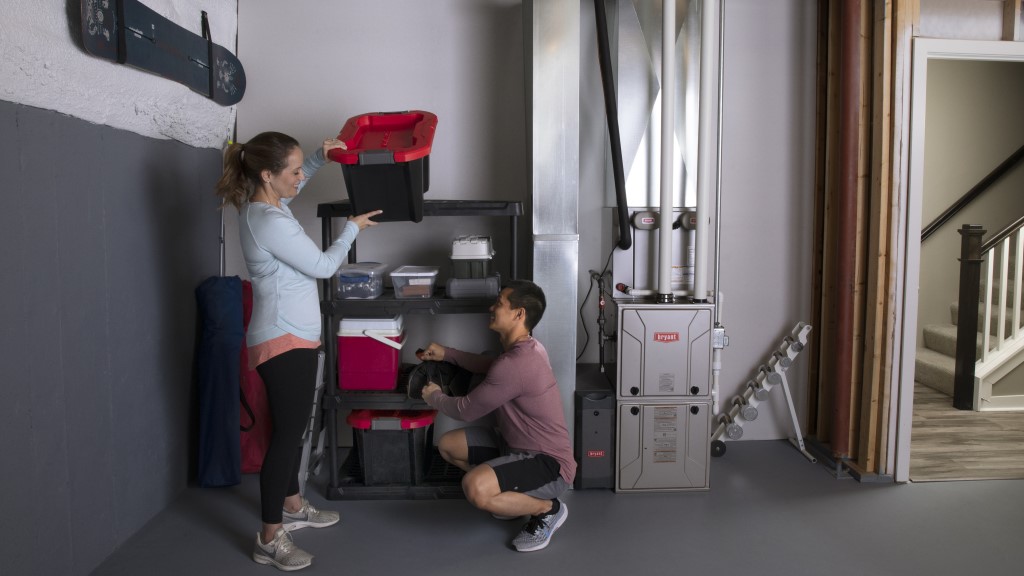
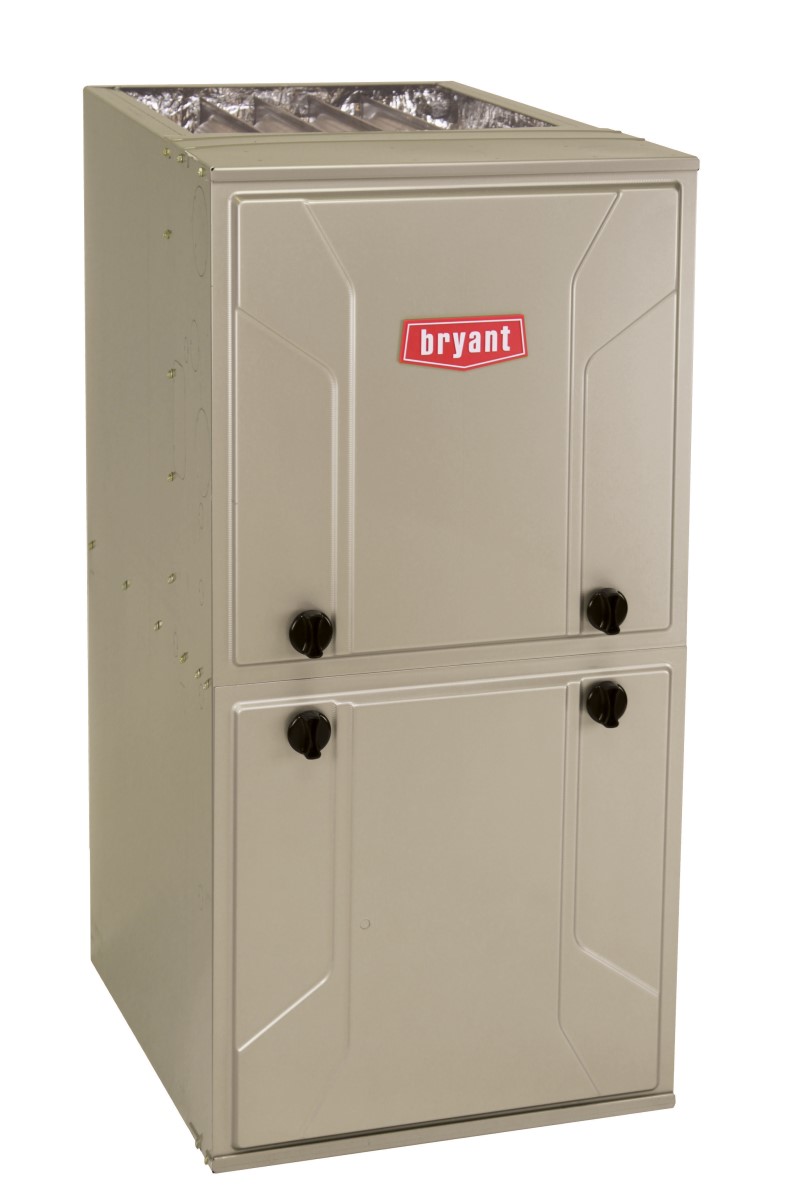
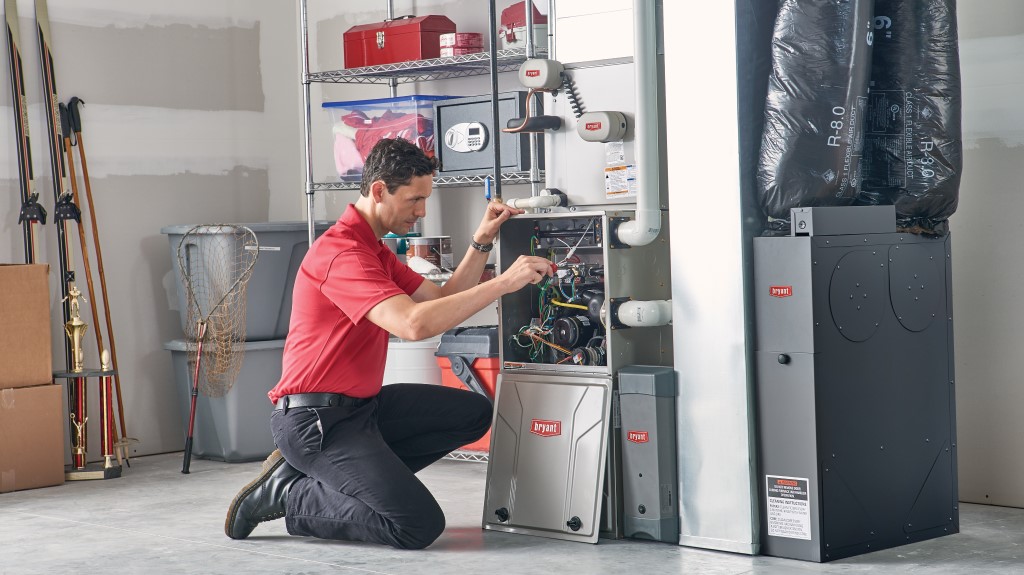
Bryant furnace

If you're wondering how long a furnace lasts, the typical gas furnace has a lifespan of about 15–20 years. But age alone doesn't tell the whole story. Rising energy bills, frequent repairs, uneven heating and unusual noises can all be signs that an aging furnace may be nearing the end of its service life.

  1. How Long Does a Gas Furnace Last?
  2. Is a 15-Year-Old Furnace Too Old?
  3. Four Signs Your Aging Furnace May Be Ready for Replacement
  4. Should You Repair or Replace Your Furnace?
  5. The Cost-Benefit of Replacing an Aging Furnace
  6. Don't Wait Until Your Furnace Stops Working
  7. How to Know If Your Furnace Needs Replacing
  8. Frequently Asked Questions About Furnace Lifespan

If your furnace is getting older and you're unsure whether to repair it again or consider replacement, contact Generations Heating & Air Conditioning for a free assessment. We can help you understand the condition of your current system and determine the most practical next step for your home.

Contact Us
Key Takeaways
  • Most gas furnaces last 15–20 years, although maintenance, installation and usage can affect their lifespan.
  • Age alone doesn't mean replacement is necessary. The furnace's condition, reliability and repair history also matter.
  • Rising energy bills, frequent repairs and declining comfort can be reasons to evaluate an aging furnace.
  • Replacing before a breakdown gives you more options and allows you to plan your investment rather than make a rushed decision.
  • A professional assessment can help you determine whether repairing or replacing your furnace makes the most sense.

1. How Long Does a Gas Furnace Last?

A typical gas furnace lasts 15–20 years, although some systems may last longer with proper care and favourable operating conditions. The 15–20 year range is a useful guideline, not an expiration date.

A well-maintained furnace may continue operating reliably beyond 20 years, while a poorly maintained or heavily used system may require replacement sooner.

What Affects Furnace Lifespan?

Several factors can affect how long your furnace lasts. These include:

  • Regular professional maintenance:
    Annual inspections and maintenance can help identify worn components and keep the system operating properly.
  • How often the furnace operates:
    A furnace that runs frequently throughout long, cold winters generally experiences more wear than one that operates less often.
  • Quality of the original installation:
    Proper installation helps ensure the furnace operates safely and efficiently from the beginning.
  • Airflow and ductwork:
    Restricted airflow or poorly designed ductwork can make the furnace work harder than necessary.
  • Filter maintenance:
    Replacing or cleaning the filter as recommended helps maintain proper airflow and reduces strain on the system.
  • Age and condition of major components:
    The condition of the heat exchanger, blower motor, ignition system and other components can influence the furnace's remaining service life.
  • Proper sizing:
    A furnace that is correctly sized for the home can operate more efficiently and avoid unnecessary cycling and wear.

Ultimately, age is only one factor in determining whether a furnace should be replaced. Its condition, reliability, operating costs and maintenance history also matter when deciding how much life it may have left.

2. Is a 15-Year-Old Furnace Too Old?

Reaching 15 years does not automatically mean your furnace needs to be replaced. Instead, it is a good time to take a closer look at the furnace's reliability, repair history, operating costs and overall condition.

The following questions can help you determine whether it makes sense to keep repairing your current system or start planning for replacement.

Is Your Furnace Still Reliable?
Consider whether your furnace consistently provides heat when you need it or whether breakdowns are becoming more common.
How Often Does It Need Repairs?
Frequent service calls can be a sign that an older furnace is becoming less reliable.
Are Repair Costs Increasing?
If repairs are becoming more expensive or you're facing another major repair, compare that cost with the investment in a newer system.
Are Your Energy Bills Rising?
Increasing heating costs may be worth investigating, particularly if your furnace is older and your home's heating needs have not changed significantly.
Is Your Home Heated Evenly?
Persistent hot and cold spots can indicate that your heating system is no longer meeting your home's needs.
Are Replacement Parts Harder to Find?
As equipment gets older, certain parts may become harder or more costly to source, which can make future repairs more challenging.
How Much Longer Do You Expect It to Last?
If your furnace is already approaching or exceeding 15–20 years, consider whether you would rather plan for replacement on your own schedule or wait until an unexpected breakdown forces the decision.

3. Four Signs Your Aging Furnace May Be Ready for Replacement

An aging furnace does not need to stop working completely before replacement becomes worth considering. The more important question is whether your furnace is becoming less efficient, less reliable or more expensive to keep operating.

I) Your Energy Bills Keep Going Up

Aging equipment can lose efficiency over time, which may cause your furnace to use more energy to provide the same amount of heat. However, rising energy bills are not automatically caused by the furnace. Weather, fuel prices, insulation, ductwork and other factors can also affect your heating costs.

If an older furnace is costing more to operate while providing the same level of comfort, it may be time to consider replacement.

II) You're Paying for Repairs More Often

One isolated repair does not necessarily mean you need a new furnace. However, repeated service calls are a different story. Multiple component failures can indicate that an older furnace is entering the later part of its service life, making continued repairs increasingly difficult to justify when major components fail.

A Repair Is Not Always the Best Long-Term Option
The question isn't just “Can my furnace be repaired?” It's “Does repairing it still make financial sense?”

III) Your Home Isn't Heating Evenly

Cold rooms, hot and cold spots, longer furnace cycles or difficulty maintaining your thermostat setting can indicate a heating problem. However, these issues do not automatically mean the furnace needs replacing. Ductwork, insulation, airflow and equipment sizing can also affect how evenly your home is heated. A professional assessment can help identify the actual cause.

IV) Your Furnace Is Getting Louder or Making Unusual Noises

New or increasingly loud rattling, banging, grinding, squealing or whistling can indicate worn or failing components. On an older furnace, recurring noises are worth having professionally evaluated rather than simply ignoring them.

The Key Distinction
One strange noise doesn't mean “replace your furnace.” But recurring noises on a 15–20-year-old system deserve professional evaluation.

4. Should You Repair or Replace Your Furnace?

When an aging furnace needs attention, the decision isn't always as simple as choosing the cheapest option today. Consider the age and condition of your system, its repair history, operating costs and how reliably it heats your home.

The comparison below can help you determine whether another repair makes sense or whether it may be time to start planning for replacement.

When Repairing May Make Sense

Repair may be a reasonable option when your furnace is still relatively young and otherwise operating reliably.

  • The furnace is relatively young.
  • The problem is isolated rather than part of a pattern of breakdowns.
  • The required repair is relatively minor.
  • The system has been reliable overall.
  • The furnace is otherwise operating efficiently.

When Replacement May Make More Sense

Replacement may be worth considering when an older furnace is becoming increasingly expensive or unreliable to keep operating.

  • The furnace is around 15–20 years old.
  • Repairs are becoming more frequent.
  • Major components are beginning to fail.
  • Energy costs are increasing.
  • Your home's comfort has declined.
  • You are facing another significant repair.
  • You want to avoid an unexpected furnace breakdown during the winter.

5. The Cost-Benefit of Replacing an Aging Furnace

When an older furnace needs another repair, the immediate cost can make repairing it seem like the obvious choice. However, you should consider the total cost of keeping an aging system running, rather than looking only at the price of the next repair.

Look at the Bigger Picture
A $500 repair may seem much cheaper than replacing a furnace—but if that repair is followed by another major repair six months later, the economics can look very different.

The Cost of Continuing to Repair

An inexpensive repair may be worthwhile if it resolves an isolated problem on an otherwise reliable furnace. But repeated repairs can add up, particularly when major components begin to fail.

For an older system, it is worth considering how much you have already spent on repairs and whether additional repairs are likely in the coming years.

What You Gain With a New Furnace

Replacing an aging furnace can provide benefits beyond simply having new equipment. Depending on the system selected and how it is installed, a new furnace may offer:

  • Improved heating efficiency and potentially lower operating costs.
  • More consistent heating throughout your home.
  • Greater reliability and fewer unexpected service calls.
  • New equipment warranty protection.
  • Better control over temperature and home comfort.

ENERGY STAR notes that higher-efficiency heating equipment can reduce energy costs and emphasizes that proper installation and correct equipment sizing are important to achieving expected performance.

Ultimately, the right choice depends on your furnace's age, condition, repair history and operating costs, not on a single repair bill or a universal replacement rule.

6. Don't Wait Until Your Furnace Stops Working
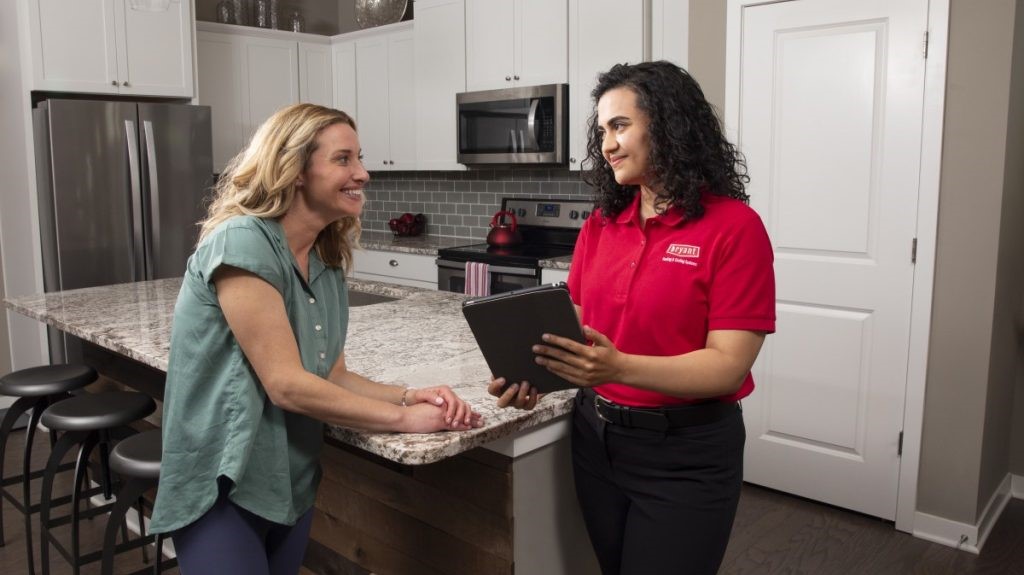
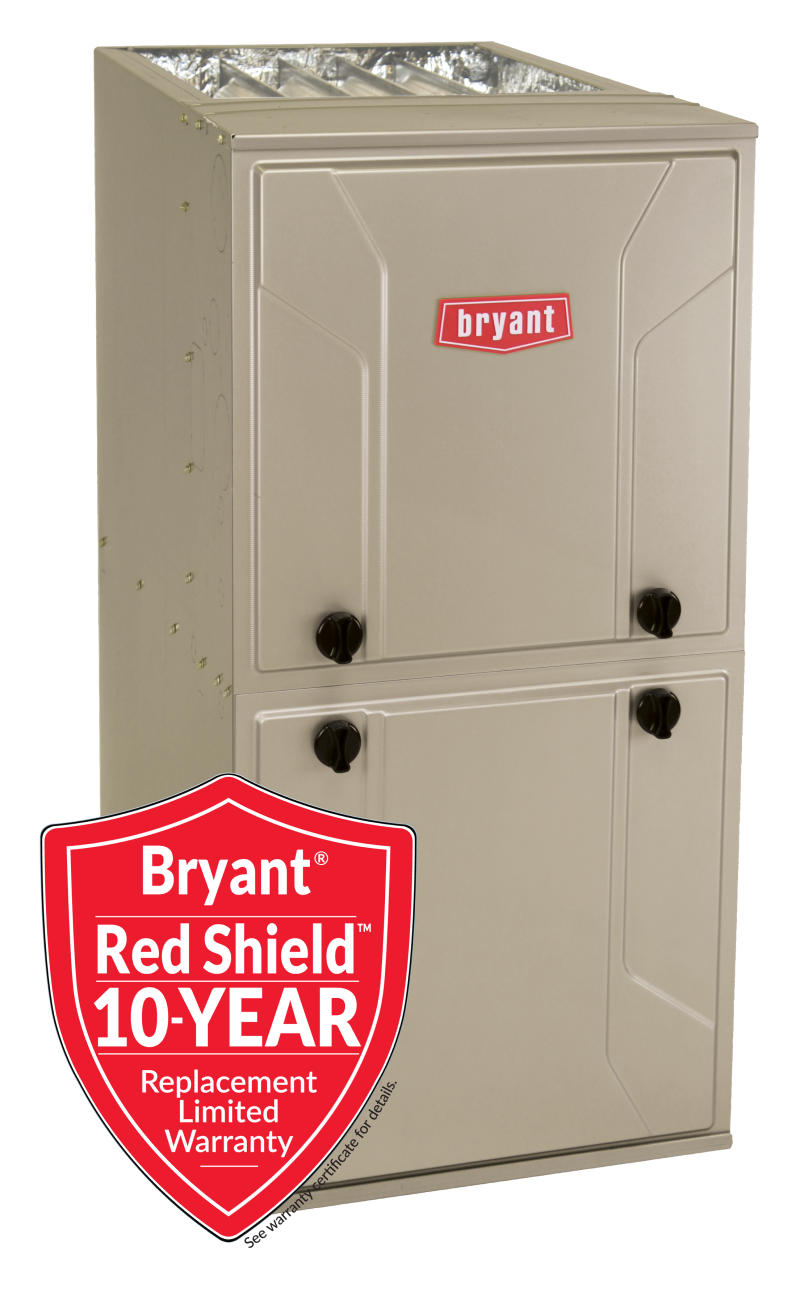
Bryant furnace warranty

If your furnace is getting older and showing signs of declining reliability, you do not have to wait for a complete breakdown before considering your options. Planning ahead gives you time to evaluate your current system and make a decision based on your home's needs rather than the urgency of having no heat.

Why Plan Your Furnace Replacement?

Replacing a furnace before an emergency can give you more control over the process. You can:

  • Compare your options and choose equipment that fits your home's heating needs.
  • Discuss proper system sizing to help ensure your new furnace is matched to your home.
  • Consider efficiency and how different equipment options may affect long-term operating costs.
  • Budget for the investment instead of facing an unexpected expense.
  • Schedule installation at a convenient time rather than waiting for an emergency service appointment.
  • Avoid making a rushed decision during a cold-weather breakdown when restoring heat is your immediate priority.

Planning does not mean replacing a furnace simply because it has reached a certain age. It means understanding its condition and having a plan if replacement becomes the more practical option.

If your furnace is approaching 15–20 years old, planning ahead for furnace replacement in Kitchener can help you avoid waiting until you have no heat to make the decision.

Plan Ahead for Your Next Furnace
If your furnace is approaching 15–20 years old, planning ahead for furnace replacement in Kitchener can help you avoid waiting until you have no heat to make the decision.

7. How to Know If Your Furnace Needs Replacing

There is no single age or symptom that automatically means your furnace needs to be replaced. Instead, look at the bigger picture. If several of the following apply to your furnace, it may be time to have a professional assess its condition and help you understand your options.

Consider Having Your Furnace Assessed If:
☐ Your furnace is 15 years old or more.
☐ Your energy bills are increasing.
☐ You're calling for furnace repairs more frequently.
☐ Your home has persistent hot and cold spots.
☐ Your furnace is making new or unusual noises.
☐ You're facing another expensive repair.
☐ You're concerned about your furnace's reliability during winter.
The more of these boxes you check, the more worthwhile it is to have your furnace professionally assessed before deciding whether to repair or replace it.

8. Frequently Asked Questions About Furnace Lifespan

Still wondering whether your furnace has years left or whether it's time to consider replacement? These answers address some of the most common questions homeowners have about furnace lifespan, repairs and replacement.

How long does a furnace last?
Most gas furnaces last approximately 15–20 years, although maintenance, installation quality, usage, airflow and other factors can affect how long a particular system operates.
Should I replace my 15-year-old furnace?
Not necessarily. Reaching 15 years does not automatically mean your furnace needs to be replaced. However, it is a good time to assess its condition, efficiency, repair history and reliability so you can make an informed decision about its remaining service life.
How often should a furnace be replaced?
There is no fixed replacement schedule that applies to every home. A typical gas furnace lasts about 15–20 years, but the right time to replace yours depends on its age, condition, performance and operating costs.
Is it worth repairing a 20-year-old furnace?
It depends on the repair cost, how frequently the furnace has needed repairs, its overall condition and how much useful life it may have remaining. A professional assessment can help you compare the cost of another repair with the longer-term benefits of replacement.
How much can a new furnace save on energy bills?
There is no single savings amount that applies to every home. Potential savings depend on your existing furnace's efficiency, the efficiency of the replacement system, your home's characteristics, fuel costs and how much you use your furnace.

Get a Free Furnace Assessment From Generations
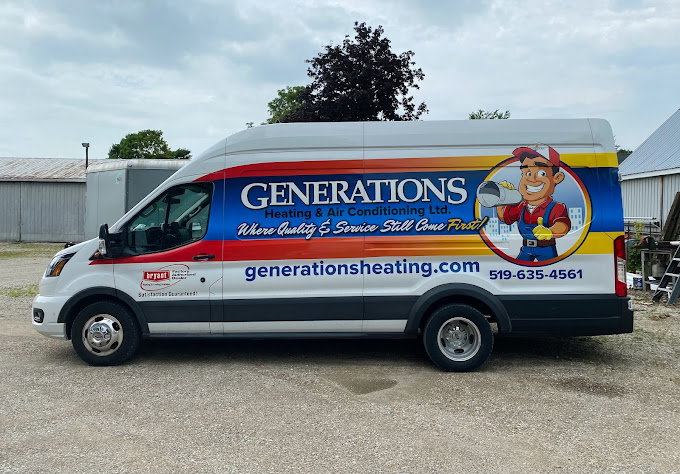
Generation Heating and Air Conditioning van

Thinking About Furnace Replacement in Kitchener?

Not sure whether your furnace needs another repair or is ready for replacement? Let Generations Heating & Air Conditioning take a look.

If your furnace is 15 years old or more, you don't have to wait for it to break down before deciding what to do next. Generations can assess your current system, discuss its condition and help you understand whether repair or replacement makes the most sense for your home.

A free furnace assessment gives you the information you need to plan ahead, without the pressure of making a rushed decision when your furnace stops working.

Book your free furnace assessment today and get a clearer picture of your furnace's condition and your options.

Reasons to Choose Generations:

If it's the comfort of your house that you're concerned about, you want to work with a company you can trust. At Generations Heating & Air Conditioning, we pride ourselves on offering professional advice, honest service, and dependable help from start to finish.

Local Experts Serving Kitchener and Beyond

We know Kitchener's weather and home styles inside and out. Our recommendations are based on hands-on experience here, not guesswork.

Friendly, Knowledgeable Technicians

Our service pros are highly trained technicians who care about you and your home. We take the time to clearly explain your options and answer your questions so that you feel confident making every decision.

No Pushy Sales Tricks, Just Honest Advice

You'll never be pressured into buying something you don't need. We prioritize what's best for you and your home, not what's easiest to sell.

Start-to-Finish Service

From the moment you receive your quote to long after your new system is installed, we're with you. Expect clear communication, tidy work, and follow-up service you can trust.

Ready to experience the Generations difference? Book a free consultation today and get the best home comfort for your needs and budget.

Schedule a Free Consultation
5 stars

What Our Customers Are Saying...

"Scott and his team provided excellent service when our furnace unexpectedly quit in the very cold days of February. Excellent communication through the entire process put our minds at ease knowing we would be looked after! We would highly recommend Generations for both their service and new installations!"

-Gavin Albrecht

"We trust Generations to maintain our HVAC system. Their service is prompt, professional, and friendly. They are also very genuine when it comes to purchases, explaining the pros and cons of each model, with zero pressure/upselling.

If you’re looking for an honest, reliable HVAC company that genuinely cares about its customers, then Generations fits the bill."

-Michele A.

"Generations is my go-to for furnace and air conditioning maintenance and repairs. Recently Rob and the Co-op student came to my house for my furnace’s yearly maintenance checkup. They interacted with me in a friendly and respectful manner, communicating clearly as they told me about my furnace and answered my questions. Scott is always friendly when I call to set up my appointments. I find their prices to be fair. If you need help with heating or cooling, I recommend that you call Generations."

-Elain Mason
Read More Reviews

Filed Under: Furnace Maintenance, Furnaces Tagged With: How long does a furnace last

Furnace Repair in Kitchener-Waterloo: Signs You Need a Professional Before It’s Too Late

March 12, 2026 By profitworks

Furnace Repair in Kitchener-Waterloo: Signs You Need a Professional Before It’s Too Late

Bryant furnace maintenance

When winter temperatures hit Kitchener-Waterloo, your furnace isn’t just another appliance; it’s essential to your family’s comfort and safety. Unfortunately, many homeowners ignore early warning signs until they’re left without heat on the coldest day of the year. Strange noises, uneven heating, rising energy bills, or frequent cycling are often clear indicators that you need professional furnace repair before the problem gets worse.

In this guide, we’ll cover the most common signs you need furnace repair in Kitchener-Waterloo, the risks of delaying service, and when it’s time to call for emergency furnace repair. Acting early can save you money, prevent safety hazards, and ensure your home stays warm all season long.

  1. Why Prompt Furnace Repair Matters
  2. Warning Signs You Need Furnace Repair
  3. When to Call for Emergency Furnace Repair
  4. Why Choose Professional Furnace Repair in Kitchener-Waterloo
  5. Prevent Future Breakdowns with Regular Maintenance

If you’re noticing any of these warning signs, don’t wait. Contact Generations Heating and Air Conditioning today to schedule fast, reliable furnace repair in Kitchener-Waterloo and restore your home’s comfort before it’s too late.

Contact Us

Key Takeaways

  • Small furnace issues can quickly turn into major repairs if ignored, so early action is crucial.
  • Strange noises, uneven heating, rising energy bills, frequent cycling, and other warning signs indicate your furnace may need professional repair.
  • Delaying repairs increases the risk of carbon monoxide leaks, higher costs, reduced system lifespan, and unexpected mid-winter breakdowns.
  • Professional heating repair services provide accurate diagnosis, safe and code-compliant repairs, improved efficiency, and long-term solutions.
  • Emergency furnace repair is necessary for no heat, gas smells, loud banging, or carbon monoxide alarm activation.
  • Regular maintenance, including annual inspections and early detection of worn parts, improves efficiency and reduces the need for emergency repairs.
  • Choosing a local, licensed, and insured technician ensures fast response times, transparent pricing, and expert service tailored to Kitchener-Waterloo’s climate.
  • Scheduling furnace repair promptly helps maintain safety, comfort, and peace of mind throughout the winter.

1. Why Prompt Furnace Repair Matters

When your furnace starts showing signs of trouble, it can be tempting to wait and see if the problem resolves itself. However, delaying service often turns a small, manageable issue into a much bigger and more expensive problem. Prompt furnace repair helps protect your comfort, your budget, and your family’s safety.

The Risks of Delaying Repairs

▶ How a Small Issue Becomes a Major Breakdown
1
Small Furnace Issue
Minor noise or uneven heating
→
2
System Strain
Furnace works harder and efficiency drops
→
3
Component Failure
Parts begin to wear out or break
→
4
Emergency Breakdown
No heat during winter
⚠ Don’t let a small problem become a winter emergency — call Generations Heating and Air Conditioning at the first sign of trouble.

Putting off furnace repair may save time today, but it can create serious consequences tomorrow. Even minor issues can escalate quickly, especially during the peak heating season in Kitchener-Waterloo.

Here’s what can happen when repairs are delayed:

  • Minor problems can turn into major system failures when worn or damaged components are left unaddressed.
  • Repair costs often increase because damage spreads to additional parts of the system.
  • The risk of carbon monoxide leaks can rise if combustion or ventilation issues are ignored.
  • Your furnace’s overall lifespan can be reduced due to prolonged strain and mechanical stress.
  • You may experience an unexpected mid-winter breakdown that requires emergency furnace repair during the coldest days of the year.

Addressing issues early with professional furnace repair in Kitchener-Waterloo can prevent these risks and keep your heating system running reliably.

The Benefits of Professional Heating Repair Services

Hiring a qualified technician for heating repair services is about more than fixing a single part; it is about ensuring your entire system operates safely and efficiently. Professional service provides long-term value and protection.

When you choose professional furnace repair, you benefit from:

  • An accurate diagnosis that identifies the root cause of the problem instead of just treating symptoms.
  • Safe and code-compliant repairs that protect your home and family.
  • Improved efficiency and performance that can help lower your monthly energy bills.
  • Warranty protection, since many manufacturers require professional service to maintain coverage.
  • Peace of mind knowing your furnace is ready to handle cold weather without unexpected failure.

Prompt, professional service helps you avoid emergency situations while restoring comfort and confidence in your home’s heating system.

2. Warning Signs You Need Furnace Repair

Your furnace will usually give you clear warning signs before it completely breaks down. Recognizing these symptoms early allows you to schedule furnace repair before the issue turns into a costly emergency. If you notice any of the following problems, it may be time to call for professional heating repair services.

🔍 Furnace Warning Signs & What To Do
Warning Sign Possible Cause Action Needed
Banging or strange noises Ignition problems or loose internal parts ● Schedule professional furnace repair
Uneven heating Blower issues, duct problems, or thermostat malfunction ● Inspection by heating repair technician
Higher energy bills Reduced efficiency from worn or failing parts ● System inspection and tune-up
Frequent cycling Clogged filters or faulty sensors ● Professional diagnosis required
Yellow pilot light Incomplete combustion — possible CO risk ● Call for emergency furnace repair

Strange or Unusual Noises

Furnaces are not silent, but they should not be loud, sudden, or alarming. New or unusual noises often signal mechanical or ignition problems that require professional attention.

Here are common sounds and what they may indicate:

  • Banging or booming noises can signal ignition issues, such as delayed gas ignition.
  • Squealing sounds may indicate belt or motor problems that need adjustment or replacement.
  • Rattling noises often suggest loose components or panels that should be secured before damage worsens.
  • Grinding sounds can point to serious mechanical wear within the motor or other internal parts.

Any new or increasingly loud noise should never be ignored, as it often indicates a developing problem that could quickly lead to system failure or the need for emergency furnace repair.

Uneven Heating Throughout Your Home

If some rooms feel too hot while others remain cold, your furnace may not be distributing heat properly. Uneven heating is more than an inconvenience — it can be a sign of a deeper system issue.

Common causes of uneven heating include:

  • Certain rooms being significantly warmer or colder than others throughout the day.
  • Weak airflow coming from one or more vents.
  • Underlying issues such as duct problems, blower malfunctions, or thermostat errors.

While homeowners often suspect the thermostat, uneven heating frequently signals the need for furnace repair rather than a simple temperature adjustment.

Rising Energy Bills Without Explanation

If your energy bills are climbing but your usage habits have not changed, your furnace could be losing efficiency. A struggling system works harder to produce the same amount of heat, which directly impacts your monthly costs.

Watch for these warning signs:

  • A sudden increase in heating costs compared to previous months or years.
  • A furnace that seems to run longer than usual to maintain the same temperature.
  • Decreased efficiency caused by worn components or dirty internal parts.

A professional inspection can identify the source of inefficiency and restore proper performance before costs continue to rise.

Frequent Cycling (Turning On and Off Constantly)

Short cycling occurs when your furnace turns on and off repeatedly without completing a full heating cycle. This pattern puts excessive strain on the system and reduces overall efficiency.

Frequent cycling may be caused by:

  • Overheating due to restricted airflow or internal component issues.
  • Clogged filters that prevent proper air circulation.
  • Faulty sensors or thermostat malfunctions that misread temperature.

Short cycling not only increases wear and tear but can significantly shorten the lifespan of your furnace if not addressed promptly.

Furnace Running Constantly

On the opposite end of the spectrum, a furnace that runs continuously without shutting off is also a red flag. This often means the system is struggling to reach the desired temperature.

This issue may indicate:

  • The system cannot reach the set temperature despite running constantly.
  • Airflow restrictions, thermostat problems, or mechanical failures.
  • An early warning sign of an imminent breakdown.

If your furnace never seems to rest, it is important to schedule furnace repair before the system overheats or fails completely.

Yellow Pilot Light Instead of Blue

Your pilot light color can reveal serious safety concerns. Under normal conditions, the flame should burn blue.

A change in color may indicate:

  • A blue flame typically means the furnace is operating properly.
  • A yellow or flickering flame can signal incomplete combustion and a potential carbon monoxide risk.

A yellow pilot light should prompt an immediate call for emergency furnace repair, as carbon monoxide exposure can be dangerous and even life-threatening.

Poor Indoor Air Quality

Your furnace plays a major role in maintaining indoor air quality. When it malfunctions, you may notice changes in the air throughout your home.

Common air quality warning signs include:

  • Increased dust accumulation on surfaces.
  • Dry air that causes discomfort or irritation.
  • Strange smells such as burning odours, musty scents, or gas odours.

These symptoms can indicate airflow problems, dirty components, or combustion issues that require professional heating repair services.

Furnace Is 15+ Years Old

Age alone can be a warning sign. Most furnaces have a lifespan of 15 to 20 years, and older systems are more prone to breakdowns.

If your furnace is over 15 years old, you may notice:

  • More frequent service calls and unexpected repairs.
  • Increased need for heating repair services as components wear out.
  • Higher operating costs compared to newer, more efficient models.

At this stage, a professional can help you evaluate whether furnace repair is still cost-effective or if replacement would be the better long-term investment.

3. When to Call for Emergency Furnace Repair

furnace filter replacement


Some furnace problems require immediate attention to protect your home, your health, and your comfort. Knowing when to call for emergency furnace repair can prevent dangerous situations and costly damage. If you experience any of the following issues, do not wait. Contact a professional right away.

⚠ Don’t Wait — These Signs Demand Immediate Action
Emergency Warning Sign Why It’s Dangerous
No heat during freezing temperatures Your home can quickly become unsafe and pipes may freeze — a costly chain reaction on top of furnace repairs.
Strong gas smell Leave immediately. A possible natural gas leak requires urgent professional attention — do not operate any switches or appliances.
Loud banging or sudden shutdown Potential mechanical failure that could damage the system further and result in a full furnace replacement if ignored.
Carbon monoxide alarm triggered Evacuate and call 911. A possible carbon monoxide leak is life-threatening. Do not re-enter until cleared by professionals.

Signs You Need Immediate Service

Furnace emergencies are usually obvious, and responding quickly is critical. These warning signs indicate a serious problem that cannot wait for a standard repair appointment:

  • If your furnace is producing no heat during freezing temperatures, your home can quickly become unsafe and uncomfortable.
  • A strong gas smell in or around your home may indicate a natural gas leak, which is extremely hazardous and requires immediate action.
  • Loud banging noises or sudden system shutdowns can signal dangerous mechanical failures that risk further damage or even fire.
  • Activation of a carbon monoxide alarm indicates a potential leak of this colourless, odourless, and deadly gas.

Each of these situations demands prompt attention. Attempting to troubleshoot on your own can put you and your family at risk, so it’s important to call for professional emergency furnace repair without delay.

Acting quickly when these emergencies occur ensures your home remains safe, your furnace is protected from further damage, and you can restore heat efficiently during the coldest days of the year.

4. Why Choose Professional Furnace Repair in Kitchener-Waterloo

Generation Heating and Air Conditioning van


When it comes to furnace repair, choosing a qualified professional can make all the difference. A trained technician ensures that your system is repaired safely, efficiently, and in a way that prevents future problems. In Kitchener-Waterloo, working with a local expert provides additional benefits tailored to the region’s specific heating needs.

Advantages of Hiring Local Experts

Selecting a professional furnace repair service in Kitchener-Waterloo offers several key benefits. Local technicians understand the unique climate challenges and common issues in the area, allowing them to provide more effective solutions. Consider the following advantages:

  • Local expertise and knowledge of the regional climate ensures your furnace is optimized for the cold winters and temperature fluctuations common in Kitchener-Waterloo.
  • Fast response times mean your heating system can be restored quickly, minimizing discomfort and preventing further damage.
  • Licensed and insured technicians provide peace of mind, guaranteeing safe, high-quality repairs that comply with all local codes.
  • Transparent pricing ensures there are no hidden costs, and you know exactly what to expect before work begins.
  • Long-term solutions, not quick fixes, focus on repairing the root cause of problems, improving efficiency, and extending the life of your furnace.

By choosing professional furnace repair in Kitchener-Waterloo, you gain reliable service, expert knowledge, and lasting results that keep your home safe and warm throughout the winter.

5. Prevent Future Breakdowns with Regular Maintenance

Regular maintenance is one of the most effective ways to keep your furnace running smoothly and prevent costly repairs. By scheduling routine service, you can catch small issues early, improve efficiency, and avoid unexpected emergencies.

✓ Why Regular Maintenance Matters
📅
Annual Furnace Inspection
Catch small issues before they become costly breakdowns.
🔍
Early Problem Detection
Identify worn parts and failing components before winter hits.
⚡
Improved Efficiency
A well-maintained furnace uses less energy and lowers your bills.
🛠
Fewer Emergency Repairs
Regular tune-ups dramatically reduce the risk of sudden failures.

Key Benefits of Regular Furnace Maintenance

Scheduling professional maintenance each year provides multiple advantages that protect both your furnace and your home. Regular service helps you avoid surprises and ensures your system operates safely and efficiently.

Here are the main benefits:

  • Annual inspections allow a qualified technician to examine every component of your furnace and identify potential problems before they become serious.
  • Early detection of worn parts helps prevent breakdowns and reduces the risk of more expensive repairs later.
  • Improved efficiency keeps your furnace running at optimal performance, which can lower energy bills and extend the system’s lifespan.
  • Reduced need for emergency furnace repair ensures that your heating system is less likely to fail during the coldest months.

Investing in preventative maintenance not only keeps your home comfortable but also provides peace of mind that your furnace will perform reliably when you need it most.

Schedule Your Preventative Service Today

Don’t wait until a small problem becomes a major repair. Contact a professional heating repair service to schedule routine maintenance and ensure your furnace is ready to keep your Kitchener-Waterloo home warm and safe all year long.

Don’t Wait Until It’s Too Late: Contact Generations

Generations Logo

Even small warning signs in your furnace can quickly escalate into major repairs if left unaddressed. Acting early not only protects your home and family’s safety but also saves money, improves comfort, and prevents unexpected breakdowns during Kitchener-Waterloo’s coldest months.

Professional heating repair services ensure your furnace is repaired correctly, efficiently, and safely, giving you long-term peace of mind. With same-day and emergency furnace repair available, there’s no reason to wait when issues arise.

Contact Generations Heating and Air Conditioning today to schedule expert furnace repair in Kitchener-Waterloo. Let our licensed technicians restore warmth, safety, and comfort to your home, because when it comes to your furnace, early action is the smartest choice.

Reasons to Choose Generations:

If it's the comfort of your house that you're concerned about, you want to work with a company you can trust. At Generations Heating & Air Conditioning, we pride ourselves on offering professional advice, honest service, and dependable help from start to finish.

Local Experts Serving Kitchener and Beyond

We know Kitchener's weather and home styles inside and out. Our recommendations are based on hands-on experience here, not guesswork.

Friendly, Knowledgeable Technicians

Our service pros are highly trained technicians who care about you and your home. We take the time to clearly explain your options and answer your questions so that you feel confident making every decision.

No Pushy Sales Tricks, Just Honest Advice

You'll never be pressured into buying something you don't need. We prioritize what's best for you and your home, not what's easiest to sell.

Start-to-Finish Service

From the moment you receive your quote to long after your new system is installed, we're with you. Expect clear communication, tidy work, and follow-up service you can trust.

Ready to experience the Generations difference? Book a free consultation today and get the best home comfort for your needs and budget.

Contact Us
5 stars

What Our Customers Are Saying...

"I would like to express my sincere appreciation for the excellent services provided by Generations Heating to me and my family. I highly recommend their services, as they consistently demonstrate professionalism, and the quality of their work is truly outstanding."

-Jeff Chircop

"We trust Generations to maintain our HVAC system. Their service is prompt, professional, and friendly. They are also very genuine when it comes to purchases, explaining the pros and cons of each model, with zero pressure/upselling.

If you’re looking for an honest, reliable HVAC company that genuinely cares about its customers, then Generations fits the bill."

-Michele A.

"These guys are top notch. I had an issue of no heat due to my error (humidifier issue) that occurred after hours. They called me back within an hour to problem solve the issue and sent a technician first thing in the morning to ensure all was well. Maintenance performed at a reasonable price. Courteous and professional team. Highly recommend."

-Kris Pryke

Read More Reviews

Filed Under: Furnace Maintenance, Furnaces Tagged With: Furnace Repair

Signs Your Furnace is Failing: Don’t Ignore These Warning Signals

October 10, 2025 By GenHeatAirAdmin

Signs Your Furnace is Failing: Don’t Ignore These Warning Signals

Signs Your Furnace is Failing

Your furnace works hard to keep your home warm and comfortable during the cold months, but like any major appliance, it won’t last forever. Sometimes, a failing furnace gives warning signs before it completely breaks down.

Recognizing these signals early can save you from unexpected repairs, high energy bills, or even safety hazards. In this post, we’ll cover the most common signs that your furnace is failing, what they could mean, and when it’s time to contact a professional.

  1. Strange Noises
  2. Poor or Inconsistent Airflow
  3. Rising Energy Bills
  4. Frequent Cycling
  5. Yellow or Flickering Pilot Light (for older models)
  6. Unusual Odours
  7. Age of the Furnace
  8. Increased Humidity or Moisture Problems

Don’t wait until a small problem turns into a costly repair. Schedule a professional furnace inspection or repair today to keep your home safe and warm.

Contact Us

Key Takeaways

  • A furnace often shows warning signs before it completely fails, and recognizing them early can prevent costly repairs and safety hazards.
  • Strange noises such as rattling, squealing, or grinding usually indicate loose or worn parts and should be checked by a professional.
  • Poor or inconsistent airflow may be caused by clogged filters, duct issues, or blower problems, and it can reduce comfort and efficiency.
  • Rising energy bills often signal an inefficient or failing furnace that requires inspection.
  • Frequent cycling can indicate thermostat issues, clogged filters, or overheating components.
  • Yellow or flickering pilot lights and unusual odours are serious safety concerns and should be addressed immediately by a licensed technician.
  • The age of the furnace matters; older units are more prone to failures and decreased efficiency.
  • Increased humidity or moisture problems in the home can indicate leaks or ventilation issues, which may lead to mold or structural damage.
  • Scheduling a professional inspection or repair at the first sign of trouble ensures your home stays safe, warm, and energy-efficient.

1. Strange Noises

furnace maintenance benefits

Don't ignore strange noises coming from your furnace.

When your furnace makes unusual noises, it's trying to tell you something. Typical sounds are rattling, banging, squealing, or grinding. Even a small change in sound can let you know that something is malfunctioning.

What it Could Mean:

Unusual noises can be caused by a variety of things, such as:

  • Worn or loose parts: Components in the furnace can loosen or wear down with time.
  • Blower motor issues: An erratic blower motor can cause squealing or grinding sounds.
  • Faulty bearings: Worn bearings can create a noticeable grinding or rattling noise.

Action:

If the noise is constant or suspicious, turn off your furnace immediately. Have a licensed service technician inspect and repair the system before the problem gets out of hand.

2. Poor or Inconsistent Airflow

When you notice that some rooms are not heating evenly or that airflow from your vents is poor, your furnace may not be circulating air the way it should. Poor airflow can leave your home less comfortable and make your system work harder than it needs to.

What it Could Be:

Unreliable airflow can be caused by several things, including:

  • Dirty or clogged filters: Clogged filters restrict airflow and reduce heating efficiency.
  • Blower motor issues: A faulty motor will not force air through the ducts properly.
  • Ductwork problems: Leaks, obstructions, or undersized ducts can keep warm air from circulating to all rooms.

Action:

Inspect and replace filters on a regular basis to enhance airflow and system performance. If the airflow does not get any better, have a professional technician examine your blower and ductwork.

3. Rising Energy Bills

Signs Your Furnace is Failing - High energy bills

An inefficient furnace will drive up your bill.

A sudden spike in your energy bills can be more than a mere seasonal variation; it could be a sign that your furnace is broken. Even if your heating habits haven't changed, an inefficient system will drive up your bills.

What it Could Mean:

Higher energy bills can indicate:

  • Worn-out furnace components: Broken components are inefficient and make your system work harder.
  • Dirty filters or ducts: Dirty filter or ducts can limit your airflow. Limited airflow makes the furnace work longer to keep warm.
  • Faulty heat exchanger: A compromised heat exchanger may cause inadequate heating and higher energy use.

Action:

Check and replace filters on a regular basis to ensure efficiency. Have your furnace inspected professionally if your bills just continue to go up without a clear reason. If issues are caught early, money is saved and an entire system failure can be avoided.

4. Frequent Cycling

When your furnace turns on and off more than usual, this is known as frequent cycling or short cycling. Short cycling can prevent your house from maintaining a constant temperature and put extra wear on the system.

What it Could Be:

Frequent cycling is caused by:

  • Thermostat issues: A malfunctioning thermostat can provide inaccurate signals, with the furnace turning on and off repeatedly.
  • Dirty filters: Reduced airflow can make the furnace cycle more often in an attempt to maintain temperature.
  • Overheating: Overheated electrical and mechanical parts can shut down the furnace temporarily in an attempt to prevent damage.

Action:

Replace and/or clean your furnace filters if they are dirty or clogged. Have a professional technician look at the situation if cycling continues frequently, as it could be a root mechanical or electrical problem that needs to be repaired immediately.

5. Yellow or Flickering Pilot Light (for older furnaces)

older home

If an older furnace with a pilot light has a flickering or yellow flame, something is wrong.

A sudden spike in your energy bills can be more than a mere seasonal variation; it could be a sign that your furnace is broken. Even if your heating habits haven't changed, an inefficient system will drive up your bills.

What it Could Mean:

Higher energy bills can indicate:

  • Worn-out furnace components: Broken components are inefficient and make your system work harder.
  • Dirty filters or ducts: Dirty filter or ducts can limit your airflow. Limited airflow makes the furnace work longer to keep warm.
  • Faulty heat exchanger: A compromised heat exchanger may cause inadequate heating and higher energy use.

Action:

Check and replace filters on a regular basis to ensure efficiency. Have your furnace inspected professionally if your bills just continue to go up without a clear reason. If issues are caught early, money is saved and an entire system failure can be avoided.

6. Unusual Odours

Unusual odours from your furnace or vents are a warning that you should pay attention to. Typical smells you could notice are gas-like, musty, or burning odours.

What it Could Be:

Unusual odours may be caused by:

  • Electrical issues: Burning odours might be a result of overheating parts or wiring.
  • Burning dust: The dust contained within the furnace may produce a brief burning smell when the system is turned on for the first time.
  • Mold or mildew: Pungent smells can signal water buildup in the ducts or furnace.
  • Gas leaks: Gas odour is a critical safety hazard that has to be addressed immediately.

Action:

Replace and/or clean your furnace filters if they are dirty or clogged. Have a professional technician look at the situation if cycling continues frequently, as it could be a root mechanical or electrical problem that needs to be repaired immediately.

7. Age of the Furnace

older furnace

Furnaces normally last 15–20 years, and older ones are more likely to break down or lose efficiency.

Even when your furnace is running smoothly, age is a factor. Furnaces normally last 15–20 years, and older ones are more likely to break down or lose efficiency.

What it Could Mean:

With time, a furnace may develop signs of failure like:

  • Increased repairs: Older parts deteriorate quicker and need more maintenance.
  • Decreased efficiency: Older machines use more energy to heat your home.
  • Increased risk of failure: Components can fail with disastrous results, shutting down the entire system.

Action:

Closely observe the performance of your furnace as it ages. Consider having a professional inspect to assess whether or not replacement is more cost-effective than ongoing repair.

8. Increased Humidity or Moisture Problems

If you notice additional humidity, condensation, or wet spots in your home, there could be a problem with your furnace. Moisture problems will not only affect comfort but cause damage over time.

What it Could Be:

Too much moisture could be indicative of:

  • Leaks in heat exchangers: Cracks or damage can allow the transmission of moisture into your home.
  • Poor ventilation: Insufficient air circulation can lead to the buildup of condensation.
  • Mold or mildew growth: Too much moisture increases the likelihood of mold, which can impact indoor air quality.

Action:

Have a professional technician check your furnace and ductwork. Address moisture issues early to prevent structural damage or health issues.

Take Action Before It’s Too Late: Contact Generations Heating & Air Conditioning

Generation Heating and Air Conditioning van

Ignoring warning signs can lead to costly repairs, higher energy bills, or even safety hazards. If you’ve noticed any of the issues above: strange noises, poor airflow, rising energy costs, or unusual odors, it’s time to act.

Schedule a professional furnace inspection or repair today to ensure your home stays safe, warm, and efficient all winter long. Don’t wait until a small problem turns into an emergency. Contact Generations Heating & Air Conditioning now to book your service.

More Reasons to Choose Generations:

If it's the comfort of your house that you're concerned about, you want to work with a company you can trust. At Generations Heating & Air Conditioning, we pride ourselves on offering professional advice, honest service, and dependable help from start to finish.

Local Experts Serving Kitchener and Beyond

We know Kitchener's weather and home styles inside and out. Our recommendations are based on hands-on experience here, not guesswork.

Friendly, Knowledgeable Technicians

Our service pros are highly trained technicians who care about you and your home. We take the time to clearly explain your options and answer your questions so that you feel confident making every decision.

No Pushy Sales Tricks, Just Honest Advice

You'll never be pressured into buying something you don't need. We prioritize what's best for you and your home, not what's easiest to sell.

Start-to-Finish Service

From the moment you receive your quote to long after your new system is installed, we're with you. Expect clear communication, tidy work, and follow-up service you can trust.

Ready to experience the Generations difference? Book a free consultation today and get the best air conditioning system for your needs and budget.

Contact Us
5 stars

What Our Customers Are Saying...

"Great service, very adorable. they showed up when they said they would. And technician was professional. Happy to recommend and use them again if I need to."

-Louis Ormston

Read More Reviews

Filed Under: Furnace Maintenance, Furnaces Tagged With: Signs Your Furnace is Failing

Why Is My Furnace Not Blowing Hot Air?

September 18, 2025 By GenHeatAirAdmin

Bryant furnace

Nothing is more frustrating than turning on your furnace on a cold day only to feel cold air blowing from the vents. A furnace not blowing hot air is a common problem, and while it can feel alarming, the cause is often something simple. From thermostat settings to clogged filters, there are a few issues you can safely check yourself before calling in a professional.

In this post, we’ll break down the top reasons your furnace may not be heating properly, along with clear steps you can take, and when it’s time to call the experts at Generations Heating & AC.

  1. Top Reasons Your Furnace Is Not Blowing Hot Air
  2. Preventing Future Problems
  3. When to Call Generations Heating & AC

If your furnace is not blowing hot air, don’t wait. Contact Generations Heating & AC today for fast, reliable service and get your home warm again.

Contact Us

Key Takeaways

  • A furnace not blowing hot air can often be traced back to simple issues like thermostat settings or a dirty filter.
  • DIY fixes include switching the thermostat fan to AUTO, replacing clogged filters, checking the pilot light, and ensuring vents are open.
  • Complex problems such as ignition failures, overheating safety shutoffs, or ductwork leaks usually require professional help.
  • Preventive steps like regular filter changes, annual maintenance, clear vents, and duct inspections reduce the risk of future breakdowns.
  • Generations Heating & AC offers local expertise, fast service, and safe, reliable furnace repairs for homeowners.

Why Is My Furnace Not Blowing Hot Air?

1. Top Reasons Your Furnace Is Not Blowing Hot Air

There are a number of common causes when your furnace is running but not producing hot air. Some issues are easy to fix on your own, while others require the expertise of a professional HVAC technician. Let's take a look at the top reasons this happens and what you can do about it.

Furnace Common Problems

Common Problem DIY Fix Available? Professional Help Needed?
Thermostat Settings ✅ Yes ⚪ Only if wiring issues
Dirty or Clogged Air Filter ✅ Yes ⚪ If overheating persists
Pilot Light / Ignition Problems ⚪ Only for pilot light ✅ Yes for ignition or gas issues
Overheating Safety Shutoff ✅ Check airflow ✅ If recurring
Ductwork Leaks / Disconnections ✅ Minor gaps ✅ Extensive or hidden leaks

Thermostat Settings

Occasionally, the problem isn't with the furnace itself, it's with the thermostat. If your fan is on the "ON" position rather than the "AUTO", the blower will continue to run even when no heat is being generated. This can give the illusion that your furnace is blowing cold air.

Problem:
The fan mode is on ON, so the blower never turns off even when there is no heat being generated.

DIY Fix:
Set the fan mode to AUTO so the blower runs only when the furnace is actually heating.

When to Call a Pro:
If the thermostat won't respond, isn't communicating with your furnace, or has electrical issues, call an HVAC professional.

Ensuring your thermostat is all right is always a good first step before thinking there might be a bigger furnace problem.

Clogged or Dirty Air Filter

The most common reason a furnace isn't blowing hot air anymore is that the air filter is clogged. Over time, dust and dirt clog the filter, restricting airflow. It makes the furnace labour too hard and can cause it to overheat. Safety switches then cut off the burners when that happens, and you are left with your furnace only blowing cold air.

Problem:
A dirty filter stops airflow, which leads to overheating and safety shutdowns.

DIY Fix:
Replace your air filter regularly (every 1–3 months, depending on use and home conditions like whether you have pets).

When to Call a Pro:

If the furnace continues to overheat with a fresh filter, you should contact a professional technician to inspect it for more severe airflow problems or safety switch issues.

Keeping your filter clean is one of the easiest and most worthwhile steps to keeping your furnace working properly.

https://youtu.be/SGYrVgFSzV4

Pilot Light or Ignition Problems (Gas Furnaces)

If you have a gas furnace, the burners won't produce heat without an operational ignition system. Older furnaces use a pilot light, but newer systems use electronic ignition. If the pilot light has extinguished or the igniter is dirty or bad, your furnace will not provide heat.

Problem:
Faulty igniter, clogged flame sensor, or dead pilot light prevents the burners from igniting.

DIY Fix:
If you have an older furnace with a standing pilot, see if the flame has gone out. If it has, follow the manufacturer's instructions very carefully to relight it.

When to Call a Pro:
If the ignition system will not operate time and again, you detect a gas smell, or you don't feel confident in dealing with gas appliances, have a professional do it immediately.

Gas problems can be dangerous, so it is always best to leave it to an HVAC technician.

Overheating Safety Shutoff

Modern furnaces are designed with built-in safety systems to prevent overheating. If your furnace gets too hot, it will automatically shut off the burners. Even though the blower may keep running, you’ll only feel cool air coming through your vents.

Problem:
The furnace overheats, causing the safety system to shut off the burners while the blower continues running.

DIY Fix:
Check for restricted airflow, replace a clogged filter, and make sure all registers and vents are open and clear. For example, move any furniture that may be covering your vent.

When to Call a Pro:
If your furnace repeatedly trips the safety cutoff, have a professional check for more serious mechanical or electrical problems.

Duct Leaks or Disconnections

Even though your furnace is producing heat, you may not have that heat circulating through your living spaces if there is a problem with your duct system. Leaks, holes, or disconnected sections of the duct will pull in cold, unheated air from spaces like attics, crawl spaces, or basements, and you will be getting cold air coming from the vents.

Problem:
Leaks and seams in ducts combine warm air with cold air in unconditioned areas.

DIY Fix:
Inspect any exposed ductwork for loose connections or small holes and seal them with aluminum foil tape (don't use the old-fashioned duct tape, which breaks down over time).

When to Call a Pro:
For extensive or hidden duct leaks, it’s best to have a professional test your ductwork and make proper, long-lasting repairs. Healthy ductwork ensures the warm air your furnace produces actually reaches your living areas.

A furnace that's not blowing hot air does not always mean a disastrous breakdown. Minor issues like thermostat settings or a clogged filter are usually the reasons in most cases. For more complex problems, Generations Heating & AC is dedicated to helping you get your house warmed up in no time and with no risk.


2. Preventing Future Problems

furnace filter replacement


Dealing with a furnace that won't blow hot air is frustrating, but the good news is that most of these issues can be prevented with simple, regular maintenance. By taking a few proactive steps, you can keep your system running well and avoid abrupt breakdowns.

Stay Ahead with Scheduled Maintenance.

  • Replace air filters on a regular basis. Dirty air filters are the most common source of airflow issues and overheating. Replacing them every 1–3 months ensures proper airflow, protects your furnace from stress, and maintains clean indoor air.
  • Schedule annual furnace maintenance. Having your furnace serviced by a professional once a year allows small problems to be found before they turn into costly repairs. Maintenance also keeps your system running safely and at peak efficiency.
  • Keep registers and vents open and clear. Blocking vents or covering registers with furniture impedes airflow, leading to overheating and shutdown of your furnace. Keeping your vents clear of obstructions permits even circulation of warm air around your house.
  • Have ductwork checked every couple of years. Leaks and disconnections in your ducts reduce heating efficiency and leave you with inconsistent temperatures. Professional duct inspection ensures your heated air reaches your living spaces.

By following these simple steps, you’ll reduce the chances of running into problems like cold air blowing from your furnace. Preventive care keeps your system reliable, your energy bills lower, and your home comfortable all winter long.


3. When to Call Generations Heating & AC

It is acceptable to try a few simple repairs yourself, like adjusting the thermostat or replacing a dirty air filter. However, when the problem is more complicated or keeps recurring, it is time to hire a professional. Having a professional come in ensures that your furnace will be fixed correctly and safely.

Why Trust Generations Heating & Air Conditioning?

  • Local expertise you can trust. We know the unique heating needs of our region and provide tailored solutions that keep your home comfortable every winter season.
  • Quick and dependable service. When your furnace isn't heating, you can't afford long waits. Our professionals get to your home quickly to restore warmth.
  • A very strong emphasis on safety. Furnaces contain gas, electricity, and high heat. Our professional technicians approach each repair with caution to protect your home and family.
Generations Logo
Generations truck

Whether your furnace is struggling with ignition issues, persistent overheating, or ductwork problems, you can trust Generations Heating & Air Conditioning to determine what's ailing it and provide you with lasting solutions.

Should your furnace be blowing cold air, call Generations Heating & AC today for reliable furnace repair and maintenance.

Contact Us

What Our Customers Are Saying...

"Brought Wonderful, thoughtful and creative solutions to retro fitting our old home for air conditioning and a new furnace. Never remember, the team was considerate and friendly, and they consistently worked above and beyond to deliver some really impressive ideas for minimizing the disruption to the house and hiding the air conditioner away thoughtfully. They took extra care to make sure that we felt informed at every step and that we knew what they were gonna do and why they were gonna do it! I particularly appreciate it how the team worked with both my wife and I and they talked to us together to help us both get the most out of the system. From the big things like price and reliability, to the small stuff like tuning the system to be as efficient as I could, they took care and pride in everything.

Everything was top class and we’re looking forward to welcoming them back for annual maintenance inspections."

-Emily and Michael

Read More Reviews

Filed Under: Furnace Maintenance, Furnaces Tagged With: Furnace Not Blowing Hot Air

Preventative Furnace Maintenance Before Winter

October 16, 2024 By GenHeatAirAdmin

Your furnace is an essential part of your home's comfort system. Regular maintenance can help ensure it operates reliably and efficiently, providing you with the warmth and comfort you need all year round.

To keep your furnace in top condition, we recommend following these maintenance tips. Some tasks can be handled by homeowners, while others require the expertise of a qualified HVAC technician. Click on each section to learn more:

  1. Replace or Clean Your Air Filter
  2. Get an Annual Furnace Inspection
  3. Furnace Maintenance & Safety Inspection Checklist
  4. Benefits of a Furnace Maintenance & Service Plan

At Generations Heating & Air Conditioning, our friendly and knowledgeable team is always available to assist you with furnace maintenance and optimization. Contact us today to schedule an appointment.

Contact Us

Preventative Furnace Maintenance

1. Replace or Clean Your Air Filter

furnace filter replacement

You should inspect your air filter regularly and replace it every three months.

A dirty air filter can strain your HVAC system, leading to increased energy consumption, reduced efficiency, and potential damage to components like the blower motor and coils. Additionally, circulating dirty air can exacerbate allergies and respiratory problems.

To maintain optimal performance and indoor air quality, inspect your air filter regularly and replace it every three months. If you have pets or live in a dusty environment, more frequent replacements may be necessary.

Steps to Change Your Furnace Air Filter:

Here are the steps you can take to change your furnace air filter. These are general guidelines. Each furnace is slightly different so you should consult your owners manual or ask your HVAC professional to show you how to do the replacement for your particular model.

  • Locate the Filter: The filter is usually located in the return air duct, which is often a rectangular opening on the side or top of your furnace.
  • Turn Off Power: For safety, turn off the furnace and disconnect the power supply.
  • Remove the Filter Cover: Open the filter compartment door or remove the filter cover.
  • Remove the Old Filter: Carefully pull out the old filter.
  • Inspect the Filter: Check the filter for dirt, dust, and debris. If it's heavily clogged, it should be replaced.
  • Insert the New Filter: Place the new filter in the compartment, ensuring it fits securely and the arrows on the filter match the airflow direction.
  • Replace the Cover: Close the filter compartment door or replace the cover.
  • Restore Power: Turn the power back on to the furnace.

Remember: The frequency of air filter replacement depends on factors like the type of filter, the size of your home, and the number of pets or occupants. Consult your furnace manual or a professional for specific recommendations.

2. Get an Annual Furnace Inspection

furnace maintenance

Schedule an annual furnace inspection to keep your heating system healthy.

A yearly furnace inspection by a qualified HVAC professional is essential for ensuring your heating system operates efficiently and safely. Here's why:

  • Identify Potential Problems Early: Regular inspections can help detect minor issues before they escalate into major breakdowns, saving you time and money.
  • Improve Efficiency: A well-maintained furnace operates more efficiently, reducing energy consumption and lowering your heating bills.
  • Ensure Safety: Inspections can identify potential safety hazards, such as carbon monoxide leaks, preventing risks to your health and well-being.
  • Prolong Lifespan: Proper maintenance can extend the lifespan of your furnace, delaying the need for costly replacements.

By scheduling an annual furnace inspection, you're investing in the long-term health and performance of your heating system.

3. Furnace Maintenance & Safety Inspection Checklist

The following tasks should only be done by a qualified HVAC technician. A thorough furnace maintenance and safety inspection should include:

Thermostat Operation: Ensure the thermostat is functioning correctly and responding appropriately to temperature changes. A malfunctioning thermostat can lead to inefficient heating or cooling.

Adequate Air Supply: Verify that there's sufficient airflow to the furnace for safe combustion. Insufficient air can result in incomplete combustion, leading to reduced efficiency and potential safety hazards.

Flue Connections: Tighten flue connections on both the furnace and water heater to prevent gas leaks. Gas leaks can be dangerous and should be addressed promptly.

Blower Assembly and Louvers: Remove the blower assembly and clean the louvers to improve airflow and prevent restrictions.

Blower Motor: Clean the blower motor and lubricate it if necessary. A clean and well-lubricated motor operates more efficiently and quietly.

Heat Exchanger Inspection: Clean and inspect the heat exchanger for signs of deterioration, such as cracks or corrosion. A damaged heat exchanger can pose a safety risk and reduce heating efficiency.

Burner Maintenance: Brush, clean, and adjust the burners to ensure proper combustion and prevent soot buildup.

Ignition or Pilot Assembly: Clean and adjust the ignition or pilot assembly to ensure reliable ignition and prevent flameouts.

Electrical Connections: Tighten electrical connections to prevent arcing and ensure the furnace operates safely.

Electrical Capacitor: Test the electrical capacitor for proper function. A faulty capacitor can affect the furnace's performance.

Voltage and Amperage: Measure voltage and amperage to ensure the furnace is receiving the correct power supply.

Gas Pressure: Check and adjust furnace gas pressure to maintain optimal combustion. Incorrect gas pressure can lead to inefficient operation and safety hazards.

Temperature Rise: Adjust the furnace to ensure it's providing the correct temperature rise for your specific needs.

High Limit Safety Shut-Off: Test the high limit safety shut-off to ensure it's functioning properly and preventing overheating.

Condensate Drain Assembly: Clear the condensate drain assembly to prevent clogs and water leaks.

Operating Efficiency: Test the furnace's operating efficiency to assess its overall performance and identify areas for improvement.

Carbon Monoxide Test: Test for the presence of carbon monoxide, a potentially deadly gas that can be produced by incomplete combustion.

Air Filter: Check and replace the furnace filter if necessary. A dirty filter can restrict airflow, reduce efficiency, and increase energy consumption.

By completing these tasks during a regular furnace maintenance and safety inspection, you can help ensure your furnace operates efficiently, safely, and reliably.

Bryant Gas Furnace
Bryant Gas Furnace
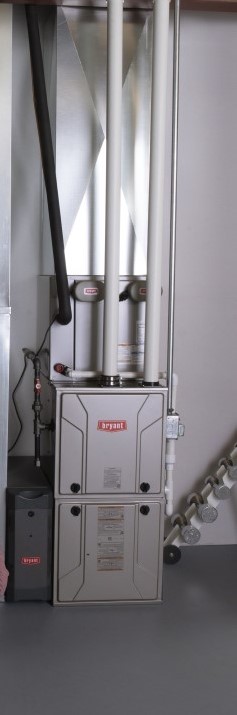
Bryant Evolution furnace

4. Benefits of a Furnace Maintenance & Service Plan

furnace maintenance benefits

Getting a furnace maintenance plan has many great benefits.

A furnace maintenance and service plan from Generations Heating & Air Conditioning Ltd in Kitchener, Waterloo, and Cambridge offers numerous advantages, including:

Financial Benefits:

  • Utility Savings: Regular maintenance ensures your furnace operates at peak efficiency, reducing energy consumption and lowering your utility bills.
  • Capital Savings: By preventing breakdowns and extending the lifespan of your furnace, a maintenance plan can save you money on costly replacements.

Comfort and Safety:

  • Avoid Emergency Repairs: Preventive maintenance can help identify and address potential issues before they escalate into costly emergencies, saving you time and money.
  • Peace of Mind: Knowing your furnace is well-maintained provides peace of mind, especially during harsh winter weather.
  • Improved Indoor Air Quality: Regular maintenance helps remove dust and debris from your furnace, improving the quality of air circulating throughout your home.
  • Reduced CO Risk: A well-maintained furnace is less likely to produce carbon monoxide (CO), a potentially dangerous gas.

By investing in a furnace maintenance and service plan, you can enjoy these benefits while ensuring the safety, comfort, and efficiency of your heating system.

Depend on Generations Heating & Air Conditioning for Expert Furnace Maintenance

At Generations Heating & Air Conditioning, our TSSA-certified technicians are friendly, knowledgeable, and dedicated to providing top-notch furnace maintenance and repair services. Serving Cambridge, Kitchener, Waterloo, and surrounding areas, we offer emergency furnace repair services when you need them most. To ensure your furnace operates at peak performance and efficiency, we strongly recommend a yearly inspection and maintenance program.

We will not only look after your furnace but also provide a full range of home comfort services including:

  • Air Quality
  • Ductless Heating
  • Hybrid Heating
  • Fireplaces
  • Water Softeners
  • Pool Heating
  • Air Conditioning
  • Duct Free
  • Gas Fitting
  • Water Heaters

Contact Generations Heating & Air Conditioning today at 519-635-4561 or fill out our online form to schedule your appointment.

Contact Generations
5 stars

What Our Customers Are Saying...

"Thank you for another amazing maintenance service call. As usual Rob was very pleasant, and very knowledgeable, kind and patient in responding to all of our questions. Our furnace and gas fireplaces are in tip top working condition, I highly recommend the team at Generations for any of your HVAC needs. See you in the spring Rob."

-R. Koszta
New Hamburg

Read More Reviews

Filed Under: Furnace Maintenance Tagged With: furnace maintenance

Services

We offer the following services:

  • Furnaces
  • Air Quality
  • Ductless Heating
  • Hybrid Heating
  • Fireplaces
  • Water Softeners
  • Pool Heating
  • Air Conditioning
  • Duct Free
  • Gas Fitting
  • Water Heaters

FEATURED SERVICES

  • Furnaces
  • Ductless Cooling
  • Air Conditioners
  • Water Softeners
  • Pool Heaters

Our Products

We offer many products and use the most trusted brands. Some types of products we offer are furnaces & air conditioners, ductless heating & cooling, air exchangers, and air quality products.

Contact

Generations Heating and Air Conditioning Ltd
Kitchener, Ontario
Phone : 519-635-4561
Email : info@generationsheating.net

Site Dudes