How Long Does a Furnace Last? Signs It's Time to Replace Yours
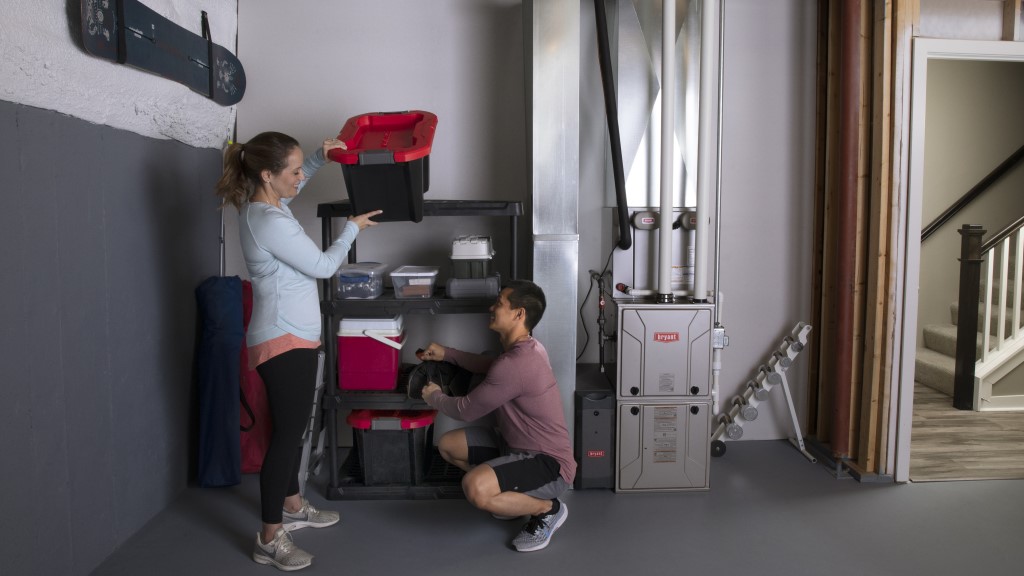
If you're wondering how long a furnace lasts, the typical gas furnace has a lifespan of about 15–20 years. But age alone doesn't tell the whole story. Rising energy bills, frequent repairs, uneven heating and unusual noises can all be signs that an aging furnace may be nearing the end of its service life.
- How Long Does a Gas Furnace Last?
- Is a 15-Year-Old Furnace Too Old?
- Four Signs Your Aging Furnace May Be Ready for Replacement
- Should You Repair or Replace Your Furnace?
- The Cost-Benefit of Replacing an Aging Furnace
- Don't Wait Until Your Furnace Stops Working
- How to Know If Your Furnace Needs Replacing
- Frequently Asked Questions About Furnace Lifespan
If your furnace is getting older and you're unsure whether to repair it again or consider replacement, contact Generations Heating & Air Conditioning for a free assessment. We can help you understand the condition of your current system and determine the most practical next step for your home.
- Most gas furnaces last 15–20 years, although maintenance, installation and usage can affect their lifespan.
- Age alone doesn't mean replacement is necessary. The furnace's condition, reliability and repair history also matter.
- Rising energy bills, frequent repairs and declining comfort can be reasons to evaluate an aging furnace.
- Replacing before a breakdown gives you more options and allows you to plan your investment rather than make a rushed decision.
- A professional assessment can help you determine whether repairing or replacing your furnace makes the most sense.
1. How Long Does a Gas Furnace Last?
A typical gas furnace lasts 15–20 years, although some systems may last longer with proper care and favourable operating conditions. The 15–20 year range is a useful guideline, not an expiration date.
A well-maintained furnace may continue operating reliably beyond 20 years, while a poorly maintained or heavily used system may require replacement sooner.
What Affects Furnace Lifespan?
Several factors can affect how long your furnace lasts. These include:
- Regular professional maintenance:
Annual inspections and maintenance can help identify worn components and keep the system operating properly. - How often the furnace operates:
A furnace that runs frequently throughout long, cold winters generally experiences more wear than one that operates less often. - Quality of the original installation:
Proper installation helps ensure the furnace operates safely and efficiently from the beginning. - Airflow and ductwork:
Restricted airflow or poorly designed ductwork can make the furnace work harder than necessary. - Filter maintenance:
Replacing or cleaning the filter as recommended helps maintain proper airflow and reduces strain on the system. - Age and condition of major components:
The condition of the heat exchanger, blower motor, ignition system and other components can influence the furnace's remaining service life. - Proper sizing:
A furnace that is correctly sized for the home can operate more efficiently and avoid unnecessary cycling and wear.
Ultimately, age is only one factor in determining whether a furnace should be replaced. Its condition, reliability, operating costs and maintenance history also matter when deciding how much life it may have left.
2. Is a 15-Year-Old Furnace Too Old?
Reaching 15 years does not automatically mean your furnace needs to be replaced. Instead, it is a good time to take a closer look at the furnace's reliability, repair history, operating costs and overall condition.
The following questions can help you determine whether it makes sense to keep repairing your current system or start planning for replacement.
3. Four Signs Your Aging Furnace May Be Ready for Replacement
An aging furnace does not need to stop working completely before replacement becomes worth considering. The more important question is whether your furnace is becoming less efficient, less reliable or more expensive to keep operating.
I) Your Energy Bills Keep Going Up
Aging equipment can lose efficiency over time, which may cause your furnace to use more energy to provide the same amount of heat. However, rising energy bills are not automatically caused by the furnace. Weather, fuel prices, insulation, ductwork and other factors can also affect your heating costs.
If an older furnace is costing more to operate while providing the same level of comfort, it may be time to consider replacement.
II) You're Paying for Repairs More Often
One isolated repair does not necessarily mean you need a new furnace. However, repeated service calls are a different story. Multiple component failures can indicate that an older furnace is entering the later part of its service life, making continued repairs increasingly difficult to justify when major components fail.
III) Your Home Isn't Heating Evenly
Cold rooms, hot and cold spots, longer furnace cycles or difficulty maintaining your thermostat setting can indicate a heating problem. However, these issues do not automatically mean the furnace needs replacing. Ductwork, insulation, airflow and equipment sizing can also affect how evenly your home is heated. A professional assessment can help identify the actual cause.
IV) Your Furnace Is Getting Louder or Making Unusual Noises
New or increasingly loud rattling, banging, grinding, squealing or whistling can indicate worn or failing components. On an older furnace, recurring noises are worth having professionally evaluated rather than simply ignoring them.
4. Should You Repair or Replace Your Furnace?
When an aging furnace needs attention, the decision isn't always as simple as choosing the cheapest option today. Consider the age and condition of your system, its repair history, operating costs and how reliably it heats your home.
The comparison below can help you determine whether another repair makes sense or whether it may be time to start planning for replacement.
When Repairing May Make Sense
Repair may be a reasonable option when your furnace is still relatively young and otherwise operating reliably.
- The furnace is relatively young.
- The problem is isolated rather than part of a pattern of breakdowns.
- The required repair is relatively minor.
- The system has been reliable overall.
- The furnace is otherwise operating efficiently.
When Replacement May Make More Sense
Replacement may be worth considering when an older furnace is becoming increasingly expensive or unreliable to keep operating.
- The furnace is around 15–20 years old.
- Repairs are becoming more frequent.
- Major components are beginning to fail.
- Energy costs are increasing.
- Your home's comfort has declined.
- You are facing another significant repair.
- You want to avoid an unexpected furnace breakdown during the winter.
5. The Cost-Benefit of Replacing an Aging Furnace
When an older furnace needs another repair, the immediate cost can make repairing it seem like the obvious choice. However, you should consider the total cost of keeping an aging system running, rather than looking only at the price of the next repair.
The Cost of Continuing to Repair
An inexpensive repair may be worthwhile if it resolves an isolated problem on an otherwise reliable furnace. But repeated repairs can add up, particularly when major components begin to fail.
For an older system, it is worth considering how much you have already spent on repairs and whether additional repairs are likely in the coming years.
What You Gain With a New Furnace
Replacing an aging furnace can provide benefits beyond simply having new equipment. Depending on the system selected and how it is installed, a new furnace may offer:
- Improved heating efficiency and potentially lower operating costs.
- More consistent heating throughout your home.
- Greater reliability and fewer unexpected service calls.
- New equipment warranty protection.
- Better control over temperature and home comfort.
ENERGY STAR notes that higher-efficiency heating equipment can reduce energy costs and emphasizes that proper installation and correct equipment sizing are important to achieving expected performance.
Ultimately, the right choice depends on your furnace's age, condition, repair history and operating costs, not on a single repair bill or a universal replacement rule.
6. Don't Wait Until Your Furnace Stops Working
If your furnace is getting older and showing signs of declining reliability, you do not have to wait for a complete breakdown before considering your options. Planning ahead gives you time to evaluate your current system and make a decision based on your home's needs rather than the urgency of having no heat.
Why Plan Your Furnace Replacement?
Replacing a furnace before an emergency can give you more control over the process. You can:
- Compare your options and choose equipment that fits your home's heating needs.
- Discuss proper system sizing to help ensure your new furnace is matched to your home.
- Consider efficiency and how different equipment options may affect long-term operating costs.
- Budget for the investment instead of facing an unexpected expense.
- Schedule installation at a convenient time rather than waiting for an emergency service appointment.
- Avoid making a rushed decision during a cold-weather breakdown when restoring heat is your immediate priority.
Planning does not mean replacing a furnace simply because it has reached a certain age. It means understanding its condition and having a plan if replacement becomes the more practical option.
If your furnace is approaching 15–20 years old, planning ahead for furnace replacement in Kitchener can help you avoid waiting until you have no heat to make the decision.
7. How to Know If Your Furnace Needs Replacing
There is no single age or symptom that automatically means your furnace needs to be replaced. Instead, look at the bigger picture. If several of the following apply to your furnace, it may be time to have a professional assess its condition and help you understand your options.
8. Frequently Asked Questions About Furnace Lifespan
Still wondering whether your furnace has years left or whether it's time to consider replacement? These answers address some of the most common questions homeowners have about furnace lifespan, repairs and replacement.
How long does a furnace last?
Should I replace my 15-year-old furnace?
How often should a furnace be replaced?
Is it worth repairing a 20-year-old furnace?
How much can a new furnace save on energy bills?
Get a Free Furnace Assessment From Generations
Thinking About Furnace Replacement in Kitchener?
Not sure whether your furnace needs another repair or is ready for replacement? Let Generations Heating & Air Conditioning take a look.
If your furnace is 15 years old or more, you don't have to wait for it to break down before deciding what to do next. Generations can assess your current system, discuss its condition and help you understand whether repair or replacement makes the most sense for your home.
A free furnace assessment gives you the information you need to plan ahead, without the pressure of making a rushed decision when your furnace stops working.
Book your free furnace assessment today and get a clearer picture of your furnace's condition and your options.
Reasons to Choose Generations:
If it's the comfort of your house that you're concerned about, you want to work with a company you can trust. At Generations Heating & Air Conditioning, we pride ourselves on offering professional advice, honest service, and dependable help from start to finish.
Local Experts Serving Kitchener and Beyond
We know Kitchener's weather and home styles inside and out. Our recommendations are based on hands-on experience here, not guesswork.
Friendly, Knowledgeable Technicians
Our service pros are highly trained technicians who care about you and your home. We take the time to clearly explain your options and answer your questions so that you feel confident making every decision.
No Pushy Sales Tricks, Just Honest Advice
You'll never be pressured into buying something you don't need. We prioritize what's best for you and your home, not what's easiest to sell.
Start-to-Finish Service
From the moment you receive your quote to long after your new system is installed, we're with you. Expect clear communication, tidy work, and follow-up service you can trust.
Ready to experience the Generations difference? Book a free consultation today and get the best home comfort for your needs and budget.

What Our Customers Are Saying...
"Scott and his team provided excellent service when our furnace unexpectedly quit in the very cold days of February. Excellent communication through the entire process put our minds at ease knowing we would be looked after! We would highly recommend Generations for both their service and new installations!"
-Gavin Albrecht
"We trust Generations to maintain our HVAC system. Their service is prompt, professional, and friendly. They are also very genuine when it comes to purchases, explaining the pros and cons of each model, with zero pressure/upselling.
If you’re looking for an honest, reliable HVAC company that genuinely cares about its customers, then Generations fits the bill."
-Michele A.
"Generations is my go-to for furnace and air conditioning maintenance and repairs. Recently Rob and the Co-op student came to my house for my furnace’s yearly maintenance checkup. They interacted with me in a friendly and respectful manner, communicating clearly as they told me about my furnace and answered my questions. Scott is always friendly when I call to set up my appointments. I find their prices to be fair. If you need help with heating or cooling, I recommend that you call Generations."
-Elain Mason