What Is a Two-Stage Furnace and Is It Worth the Upgrade?

When it’s time to replace your furnace, you may be surprised by how many options there are. Beyond choosing a brand or efficiency rating, you also need to consider how the furnace delivers heat. A two stage furnace can operate at a lower output for everyday heating and increase its output when your home needs more heat, offering a balance of comfort and efficiency.
But is a two-stage furnace actually worth the additional cost? And how does it compare with a single-stage or modulating furnace? In this guide, we’ll explain how each type works, compare their efficiency and operating costs, and look at when upgrading makes financial sense for Kitchener-Waterloo homeowners.
- What Does "Two Stage Furnace" Mean?
- Why Do Two-Stage Furnaces Often Use Less Energy?
- What Is AFUE and How Does It Affect Furnace Costs?
- Two-Stage vs. Single-Stage Furnace: Is the Extra Cost Worth It?
- Does a Two-Stage Furnace Last Longer?
- Two-Stage Furnace Comfort: What Will You Actually Notice?
- Two-Stage vs. Modulating Furnace: Which Is Better?
- What Is the Best Furnace for a Home in Kitchener-Waterloo?
- When Does Upgrading to a Two-Stage Furnace Make Financial Sense?
- Should You Replace Your Furnace or Upgrade It?
- Two-Stage Furnace FAQs
If you’re unsure which option is right for your home, Generations Heating & Air Conditioning can help you assess your current system and compare your upgrade options.
Key Takeaways
- A two-stage furnace offers two heating levels, allowing it to operate at a lower output when full capacity is not needed.
- Two-stage operation can improve comfort by providing more consistent heating and potentially quieter operation.
- Higher AFUE does not automatically mean better value. The right furnace depends on your home's heating needs, budget, and long-term plans.
- A two-stage furnace is not automatically the best choice. Single-stage and modulating furnaces may make more sense depending on your priorities.
- Proper sizing and installation matter. Furnace performance depends on the entire heating system, not just the equipment's specifications.
- The best upgrade is the one that fits your home. A professional assessment can help you compare comfort, efficiency, operating costs, and upfront investment before you choose.
1. What Does “Two Stage Furnace” Mean?
Furnace staging refers to how much heat a furnace produces when it runs. Single-stage furnaces have one heating level, while two-stage and modulating furnaces can adjust their output to better match the heating needs of your home.
How a Single-Stage Furnace Works
A single-stage furnace essentially operates at full capacity whenever it is heating. It turns on when the thermostat calls for heat and shuts off once the desired temperature is reached.
The main advantages are:
- A single-stage furnace generally has a lower purchase price.
- Its operation and controls are relatively simple.
However, there are some trade-offs:
- Full-output heating can create more noticeable temperature swings.
- More frequent starts and stops can occur.
- The furnace has less ability to match its output to milder heating demands.
How a Two-Stage Furnace Works
A two-stage furnace has two levels of heating output. It can run at a lower output for many heating cycles and switch to the higher stage when the home needs more heat, such as during very cold weather.
By spending more time heating at a lower output, a two-stage furnace can provide steadier warmth and reduce the need for repeated full-output cycles. This can contribute to more consistent indoor comfort and smoother operation.
How a Modulating Furnace Works
A modulating furnace takes this concept further by continuously adjusting its heating output, typically in much smaller increments. This allows the furnace to more closely match its output to the home's current heating demand.
Modulating furnaces generally provide the highest level of temperature control and comfort, but they also typically have a higher upfront price.
| Furnace Type | Heating Output | Comfort | Typical Upfront Cost |
|---|---|---|---|
| Single-Stage | One heating level, essentially full capacity when running. | Good, but temperature swings can be more noticeable. | Lowest |
| Two-Stage | Two heating levels that allow the furnace to operate at lower output when possible. | Better temperature consistency and smoother heating. | Moderate |
| Modulating | Continuously adjusts output in smaller increments to match heating demand. | Highest level of temperature control and comfort. | Highest |
2. Why Do Two-Stage Furnaces Often Use Less Energy?
A two-stage furnace can help reduce energy consumption by adjusting its heating output to better match your home's needs. However, the actual savings depend on your existing furnace, your home's energy efficiency, and how the new system is installed and operated.
Most Heating Doesn't Require Full Furnace Capacity
A furnace is typically sized to handle your home's heating needs during the coldest winter conditions. However, temperatures in Kitchener-Waterloo fluctuate throughout the heating season, and many days don't require maximum heating output.
A two-stage furnace can operate at its lower setting during these milder conditions, using less fuel per hour than it would at full capacity. It switches to the higher stage when additional heat is needed.
Longer, Lower-Output Cycles
Running at a lower output can allow a two-stage furnace to heat your home more steadily rather than repeatedly switching on and off at full capacity. This can reduce unnecessary cycling and help maintain a more consistent indoor temperature.
However, longer heating cycles don't automatically guarantee lower energy bills. The actual benefit depends on the equipment's design, operating conditions, and overall system efficiency.
Efficiency Depends on More Than Staging
Several factors influence how much energy your furnace uses:
- AFUE rating: A higher Annual Fuel Utilization Efficiency (AFUE) rating means a greater percentage of the fuel's energy is converted into usable heat.
- Correct sizing: A properly sized furnace is better equipped to meet your home's heating demands without excessive cycling.
- Installation quality: Correct installation helps the system operate as intended.
- Ductwork: Leaky or poorly designed ducts can waste heated air.
- Thermostat and controls: Compatible controls help the furnace manage its heating stages effectively.
- Insulation and air sealing: A well-insulated home retains heat, reducing the workload on your furnace.
The bottom line: A two-stage furnace can improve efficiency, but choosing the right equipment for your home is just as important as the number of heating stages.
3. What Is AFUE and How Does It Affect Furnace Costs?
When comparing furnaces, you'll often see an efficiency rating called AFUE, which stands for Annual Fuel Utilization Efficiency. This rating helps you understand how effectively a furnace converts fuel into usable heat and can help you compare the potential operating costs of different models.
Understanding Furnace Efficiency Ratings
AFUE is expressed as a percentage. A higher rating means a greater proportion of the fuel's energy is converted into heat for your home, while a smaller proportion is lost during operation.
For example, a furnace with a 95% AFUE rating converts approximately 95% of its fuel energy into usable heat. The remaining energy is lost through the heating process.
However, AFUE is a standardized efficiency rating, not a guarantee of what you'll pay to heat your home. Your actual energy costs depend on factors such as your home's size, insulation, thermostat settings, winter temperatures, and natural gas prices.
Approximately 80% of the fuel's energy is converted into usable heat.
Approximately 95% of the fuel's energy is converted into usable heat.
Approximately 98% of the fuel's energy is converted into usable heat.
Does a Higher AFUE Furnace Always Save Money?
Not necessarily. Although a higher AFUE rating can reduce fuel consumption, a more efficient furnace may cost more to purchase and install. Whether those potential savings justify the additional investment depends on your circumstances.
Before choosing a furnace, consider:
- Purchase and installation costs: How much more does the higher-efficiency model cost upfront?
- Annual heating use: How much natural gas does your household typically consume?
- Natural gas prices: What are your current energy costs, and how might they change?
- Existing equipment: How efficient is your current furnace, and is it nearing the end of its useful life?
- Long-term plans: How long do you expect to stay in your home?
- Rebates and incentives: Are any applicable programs available to reduce the initial cost?
Comparing these factors can help you determine whether a higher-efficiency furnace offers worthwhile long-term savings.
4. Two-Stage vs. Single-Stage Furnace: Is the Extra Cost Worth It?
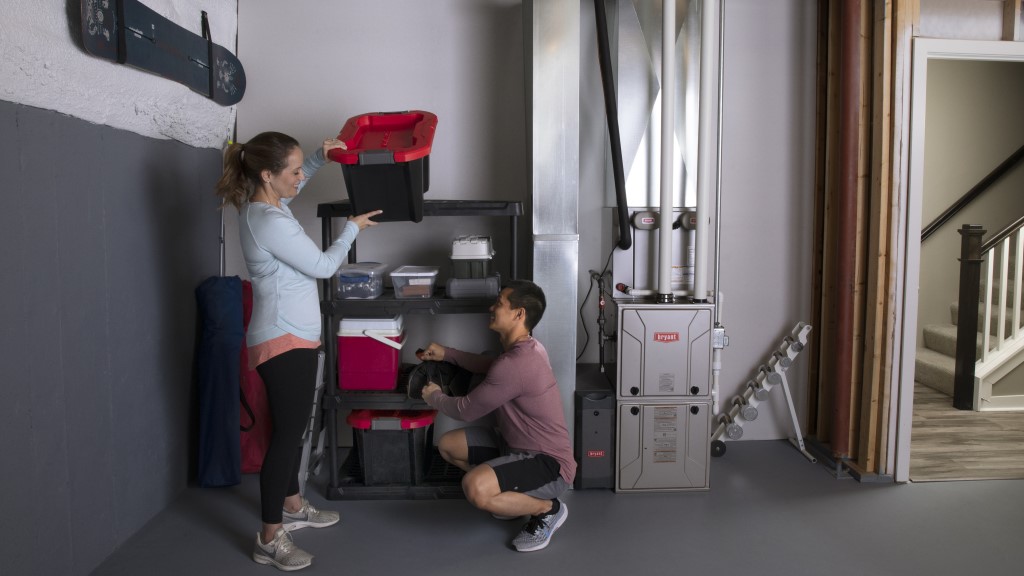
A two-stage furnace generally costs more upfront than a comparable single-stage model. However, the added investment may be worthwhile if you're looking for improved comfort, quieter operation, and the potential for lower energy consumption. The key is determining whether those benefits justify the additional cost for your home.
Typical Upfront Cost Difference
The installed cost of a two-stage furnace depends on several factors, including:
- Furnace size and efficiency: Larger furnaces and models with higher AFUE ratings can cost more.
- Brand and model: Equipment features, performance, and manufacturer influence pricing.
- Installation requirements: Venting, existing ductwork, thermostat compatibility, and any necessary electrical or gas modifications can affect the total cost.
- Installation complexity: Replacing an existing furnace with minimal modifications may cost less than a more involved installation.
When comparing quotes, look at the cost of the complete installation, not just the furnace itself. Ask your HVAC contractor to explain the price difference between comparable single-stage and two-stage options.
Where You May Get Value From a Two-Stage Furnace
The additional investment may provide several benefits:
- You may experience more consistent indoor temperatures throughout the heating season.
- Lower-output operation can provide steady heating during milder weather.
- You may benefit from lower energy consumption, depending on your existing system and household heating needs.
- The furnace may operate more quietly at its lower setting.
- Reduced full-output cycling may help limit operating stress on certain components.
When the Upgrade May Not Make Financial Sense
A two-stage furnace may not be worth the additional expense if you're planning to move soon, your current furnace is relatively new and efficient, or your home's heating demand is low.
The upgrade may also offer limited value if the price difference is substantial or your money would be better spent improving insulation and air sealing. An incorrectly sized furnace can undermine performance regardless of its staging.
The bottom line: Compare the upfront cost against the comfort benefits and potential operating savings. Generations Heating & Air Conditioning can help you assess your home's heating needs and determine whether a two-stage furnace is a worthwhile investment.
5. Does a Two-Stage Furnace Last Longer?
A two-stage furnace may experience less operating stress in certain conditions, but that doesn't automatically mean it will last longer than a single-stage model. The relationship between furnace operation and equipment lifespan depends on several factors, including how often the system runs, how well it's maintained, and the quality of the installation.
How Furnace Operation Affects Wear
Every time a furnace starts and stops, its components go through an operating cycle. Frequent cycling can contribute to wear on components such as the igniter, blower motor, and other system parts.
A two-stage furnace can operate at a lower output for many heating cycles rather than repeatedly running at full capacity. Depending on the home's heating demands and how the system is configured, this can reduce abrupt changes in operation and potentially limit stress on certain components.
However, lower-output operation doesn't eliminate wear, and a two-stage furnace won't necessarily outlast a well-maintained single-stage model.
What Really Determines Furnace Lifespan?
Several factors influence how long your furnace operates reliably:
- Regular maintenance helps identify developing problems and keeps components operating as intended.
- Proper installation ensures the furnace is correctly sized, configured, and connected to the home's heating system.
- Equipment quality influences component durability, reliability, and overall performance.
- Operating conditions, including heating demand, thermostat settings, and airflow, affect how hard the system works.
For Kitchener-Waterloo homeowners considering an upgrade, it's worth looking beyond the number of heating stages. A properly installed, well-maintained furnace that suits your home's needs is a better starting point for long-term reliability than choosing a model based on staging alone.
Generations Heating & Air Conditioning can assess your existing system and help you compare replacement options based on comfort, efficiency, reliability, and budget.
.
6. Two-Stage Furnace Comfort: What Will You Actually Notice?
One of the biggest reasons to consider a two-stage furnace is the difference it can make in everyday comfort. Rather than focusing solely on energy savings, it's worth considering how your home feels throughout the heating season. From more consistent temperatures to quieter operation, a two-stage furnace can offer several noticeable benefits during Kitchener-Waterloo's cold winters.
More Consistent Temperatures
A two-stage furnace can help maintain a steadier indoor temperature by adjusting its output to match your home's heating needs.
- You may notice fewer uncomfortable temperature swings.
- Longer heating cycles can help distribute warmth more evenly.
Better Performance During Ontario Winters
Winter temperatures in Kitchener-Waterloo can change considerably, and your heating needs change with them.
- The lower stage can handle much of your home's everyday heating demand.
- The higher stage provides additional heating capacity when temperatures drop.
Potentially Quieter Operation
When a two-stage furnace operates at its lower setting, it may be less noticeable than when running at full output.
- Lower-stage operation can produce less noticeable operating noise.
- The difference you experience depends on the furnace model, blower settings, and installation.
More Consistent Indoor Conditions
Longer heating cycles may contribute to a more consistent indoor environment, but furnace staging does not directly control humidity.
- Indoor humidity is also affected by outdoor conditions, ventilation, and air leakage.
- A whole-home humidifier may help if your indoor air becomes too dry during winter.
What does this mean for your home? The comfort benefits you'll notice depend on your home's layout, insulation, ductwork, and existing heating system. Choosing appropriately sized equipment and ensuring it is installed correctly are important steps toward getting the most from a two-stage furnace.
7. Two-Stage vs. Modulating Furnace: Which Is Better?
A two-stage furnace is not the only option if you are looking for improved comfort and efficiency. Modulating furnaces can adjust their heating output in smaller increments, giving them even more control over how much heat they produce. However, the most advanced option is not automatically the right choice for every home.
Comparing the options side by side can make the differences easier to understand.
Does "better" mean better for your home? Not necessarily. A modulating furnace offers the most precise control, but that does not automatically make it the best choice for every Kitchener-Waterloo homeowner. Your home's heating requirements, existing system, budget, comfort preferences, and long-term plans should all be considered before choosing an upgrade.
8. What Is the Best Furnace for a Home in Kitchener-Waterloo?
Choosing the best furnace is not simply a matter of selecting the highest AFUE rating or the most expensive model. The right furnace is the one that matches your home's heating requirements, comfort expectations, budget, and long-term plans.
What Should You Consider?
Before choosing a furnace, consider:
- Home size and heating load: Your furnace should be properly sized for the amount of heat your home actually requires.
- Insulation and air sealing: A well-insulated, properly sealed home may have different heating requirements than a draftier home of the same size.
- Existing ductwork: The condition and design of your ductwork can affect how effectively heated air reaches each room.
- Current furnace efficiency: Comparing a new furnace with your existing system can help put potential efficiency improvements into perspective.
- Budget: Consider both the upfront installation cost and potential long-term operating costs.
- Comfort expectations: If consistent temperatures and quieter operation are priorities, a two-stage or modulating system may be worth considering.
- How long you plan to stay: A larger upfront investment may make more sense if you expect to remain in your home for many years.
- Available rebates and incentives: Applicable programs may affect the overall cost of an upgrade.
- Thermostat and controls: Make sure the furnace and controls can work together properly to take advantage of the equipment's features.
- Installation quality: Proper installation is essential for achieving the performance the furnace is designed to deliver.
The Furnace Is Only Part of the Equation
A high-efficiency furnace cannot compensate for poor sizing, inadequate airflow, leaky ductwork, or installation problems. In many cases, proper sizing and installation can be just as important as the furnace's advertised efficiency.
That's why choosing the right furnace starts with evaluating the entire heating system and the home it serves.
9. When Does Upgrading to a Two-Stage Furnace Make Financial Sense?
A two-stage furnace typically costs more upfront than a comparable single-stage model, so the upgrade should make sense for more than just the appeal of newer technology.
If you are already considering furnace replacement, it may be worth comparing the additional cost of a two-stage system with the potential benefits over the years you expect to use it. A two-stage furnace may be particularly worth considering when several of the following situations apply.
Your current furnace is older. If your existing furnace is approaching the end of its expected service life, it may make more sense to compare replacement options rather than continue investing in an aging system.
Your furnace frequently cycles on and off. Frequent starts and stops may indicate that your system is not matching your home's heating demand effectively.
Temperatures vary noticeably between rooms. Uneven heating can be a reason to investigate whether a different furnace, controls, ductwork improvements, or other changes could improve comfort.
You want improved comfort. If maintaining more consistent temperatures is important to you, a two-stage furnace may offer an advantage over a basic single-stage system.
Your current furnace has a relatively low AFUE rating. Replacing an older, less-efficient furnace with a newer high-efficiency model may provide a more meaningful efficiency improvement than simply upgrading from one modern furnace to another.
You're already facing a major repair. If a significant repair is needed, it can be useful to compare the repair cost with the cost and benefits of replacing the furnace.
You're planning to stay in your home for several years. A higher upfront investment may be easier to justify when you expect to use the new furnace for many heating seasons.
You want better efficiency without choosing the highest-priced equipment. A two-stage furnace can provide a middle ground between a basic single-stage system and a more expensive modulating furnace.
10. Should You Replace Your Furnace or Upgrade It?
If you are dealing with furnace problems, the first question is not necessarily which new furnace to buy. It is whether replacing your current system makes sense at all. A repair may be the better choice in some situations, while replacement can make more sense when the equipment is aging or becoming increasingly costly to operate.
Consider Repairing If:
- Your furnace is relatively young and has otherwise been reliable.
- The required repair is minor and reasonably priced.
- The equipment is operating efficiently for its age and condition.
- You are not experiencing significant temperature or comfort problems.
Consider Replacement If:
- Your furnace is nearing the end of its expected service life.
- A major component has failed or is showing signs of significant deterioration.
- The furnace has poor efficiency compared with current replacement options.
- Repairs are becoming more frequent or increasingly expensive.
- Ongoing comfort problems or high operating costs are affecting your satisfaction with the system.
Consider a Two-Stage Upgrade If:
- You are replacing the furnace anyway and want to compare different equipment options.
- You want a balance between upfront cost and improved comfort and efficiency.
- The additional cost of a two-stage system fits comfortably within your budget.
- Your home's heating system, ductwork, controls, and installation requirements are suitable for the equipment.
The key is to look at the condition of your existing furnace first, then compare the replacement options that make sense for your home. A two-stage furnace can be a worthwhile upgrade, but it should be evaluated as part of the overall heating system rather than as a one-size-fits-all solution.
11. Two-Stage Furnace FAQs
Here are answers to some of the most common questions Kitchener-Waterloo homeowners ask when considering a two-stage furnace.
A two-stage furnace can be worth the additional cost if you want more consistent temperatures, quieter operation and improved comfort during milder weather. It can run at a lower heating output for longer periods instead of repeatedly operating at full capacity.
However, the value depends on your home's insulation, layout, existing heating system, energy use and the price difference between models. A professional assessment can help you determine whether the added features justify the cost for your home.
A two-stage furnace may reduce gas use in some homes, particularly when its lower heating stage can meet demand for much of the heating season. However, savings are not guaranteed.
Its efficiency rating, proper sizing, installation quality, thermostat settings and your home's heat loss all affect energy consumption. Compare the AFUE ratings and installed costs of the models you're considering rather than assuming a two-stage furnace will automatically lower your bills.
Not necessarily. A two-stage furnace is designed to operate at different heating outputs, but its additional features do not automatically make it more reliable than a single-stage model.
Reliability depends on the furnace's design and components, correct installation, routine maintenance and operating conditions. Ask about the manufacturer's parts warranty, heat exchanger warranty and the maintenance requirements of each model before deciding.
For a high-efficiency gas furnace in Kitchener-Waterloo, many homeowners compare models with AFUE ratings of 95% or higher. AFUE measures how much of the fuel's energy is converted into usable heat over a typical heating season.
A higher rating means less fuel is lost during the heating process, but it does not tell you whether a furnace is single-stage, two-stage or modulating. Consider both the AFUE rating and the comfort features when comparing options.
These terms describe different features. Two-stage refers to how the furnace controls its heating output, while 95% AFUE describes its seasonal fuel efficiency.
A furnace can be both two-stage and 95% AFUE or higher. When comparing models, look at both the AFUE rating and the heating stages to understand the differences in fuel efficiency and comfort.
A modulating furnace can adjust its heating output across a wider range than a typical two-stage model. This can provide more precise temperature control and consistent comfort.
However, modulating models often cost more upfront. A two-stage furnace may offer a good balance of comfort, performance and price. The right choice depends on your budget, home and heating priorities.
A well-maintained gas furnace commonly lasts around 15 to 20 years, although actual service life varies. A two-stage design does not guarantee a longer lifespan than a single-stage furnace.
Regular maintenance, correct sizing, installation quality, filter changes and operating conditions all influence how long your furnace lasts. If your current furnace needs frequent repairs or struggles to heat your home, have its condition assessed before deciding whether to repair or replace it.
Yes. Replacing a single-stage furnace with a two-stage model is a common upgrade. However, the installation should account for your home's heating requirements, ductwork, thermostat and furnace compatibility.
Some two-stage systems require a compatible thermostat or specific control wiring to use both heating stages properly. An HVAC professional can check these requirements and recommend a suitable replacement.
The installed cost depends on the furnace brand, heating capacity, AFUE rating, venting requirements, thermostat compatibility and any necessary changes to your existing system.
Because installation needs vary from home to home, it's best to compare detailed quotes that identify the equipment, labour, warranty and any additional work included. This makes it easier to compare the total value of a two-stage furnace with a single-stage or modulating alternative.
The best furnace for your Kitchener home depends on its size, insulation, layout, ductwork, heating needs and budget. A high-efficiency two-stage furnace may be a good option if you want a balance of energy efficiency and more consistent heating.
However, a properly sized single-stage furnace may suit some homes, while a modulating model may be worth considering if precise temperature control is a priority. A home-specific assessment can help you compare the options and choose a system that meets your needs.
Get a Furnace Upgrade Assessment Before You Choose
Choosing a new furnace is an important investment, and there is no single model or furnace type that is right for every home. Your home's size, layout, insulation, ductwork, heating requirements, budget, and comfort priorities all play a role in determining which equipment makes the most sense.
Generations Heating & Air Conditioning can help you evaluate your options before you make a decision. Rather than simply recommending the highest-efficiency furnace or the latest technology, the goal is to find equipment that fits your home and your priorities.
What a Furnace Upgrade Assessment Can Help You Determine
Generations can assess your existing furnace and heating system, review your home's heating requirements, and compare the equipment options available for your situation. This can include:
- Comparing single-stage, two-stage, and modulating furnace options.
- Looking at efficiency, comfort, and expected operating costs.
- Identifying factors that could affect furnace performance, such as sizing and the existing heating system.
- Comparing the upfront investment with the features and benefits that matter most to you.
- Helping you choose equipment that fits both your home's requirements and your budget.
The result is a more informed decision based on your home, not simply a recommendation based on the highest efficiency rating.
Not Sure Whether a Two-Stage Furnace Is Worth the Upgrade?
Talk to Generations Heating & Air Conditioning for a furnace upgrade assessment and get a recommendation based on your home, your heating needs, and your priorities.
Reasons to Choose Generations:
If it's the comfort of your house that you're concerned about, you want to work with a company you can trust. At Generations Heating & Air Conditioning, we pride ourselves on offering professional advice, honest service, and dependable help from start to finish.
Local Experts Serving Kitchener and Beyond
We know Kitchener's weather and home styles inside and out. Our recommendations are based on hands-on experience here, not guesswork.
Friendly, Knowledgeable Technicians
Our service pros are highly trained technicians who care about you and your home. We take the time to clearly explain your options and answer your questions so that you feel confident making every decision.
No Pushy Sales Tricks, Just Honest Advice
You'll never be pressured into buying something you don't need. We prioritize what's best for you and your home, not what's easiest to sell.
Start-to-Finish Service
From the moment you receive your quote to long after your new system is installed, we're with you. Expect clear communication, tidy work, and follow-up service you can trust.
Ready to experience the Generations difference? Book a free consultation today and get the best home comfort for your needs and budget.

What Our Customers Are Saying...
"We trust Generations to maintain our HVAC system. Their service is prompt, professional, and friendly. They are also very genuine when it comes to purchases, explaining the pros and cons of each model, with zero pressure/upselling.
If you’re looking for an honest, reliable HVAC company that genuinely cares about its customers, then Generations fits the bill."
-Michele A.
"Scott and his team provided excellent service when our furnace unexpectedly quit in the very cold days of February. Excellent communication through the entire process put our minds at ease knowing we would be looked after! We would highly recommend Generations for both their service and new installations!"
-Gavin Albrecht
"Generations is my go-to for furnace and air conditioning maintenance and repairs. Recently Rob and the Co-op student came to my house for my furnace’s yearly maintenance checkup. They interacted with me in a friendly and respectful manner, communicating clearly as they told me about my furnace and answered my questions. Scott is always friendly when I call to set up my appointments. I find their prices to be fair. If you need help with heating or cooling, I recommend that you call Generations."
-Elain Mason