Text Now Live Help

Generations Heating and Air Conditioning Ltd

  • Heating
    • Furnaces
    • Water Heaters
    • Pool Heaters
    • Ductless Heating
    • Hybrid Heating
    • Fireplaces
    • Heat Pumps
    • HVAC Rebates
  • Cooling
    • Air Conditioners
    • Ductless Cooling
    • Heat Pumps
    • HVAC Rebates
  • Home Services
    • Air Quality
    • Water Softeners
    • Gas Fitting and Piping
  • Products
    • Bryant
    • Payne
    • John Wood Water Heaters
    • Navien Water Heaters
    • Continental
    • Kingsman
  • Reviews
  • Contact
  • Financing

Heat Pump VS Air Conditioner: A Complete Guide for Homeowners

November 28, 2025 By GenHeatAirAdmin

Heat Pump VS Air Conditioner: A Complete Guide for Homeowners

furnace efficiency rating

Choosing between a heat pump and an air conditioner can feel confusing, especially when both systems offer reliable home comfort. While they may look similar from the outside, they operate differently and offer unique benefits when it comes to efficiency, effectiveness, and long-term cost.

In this guide, we’ll break down Heat Pump VS Air Conditioner in simple terms so you can understand how each system works, what it costs, and which one makes the most sense for your home. Whether you’re upgrading your cooling system or planning for a more energy-efficient setup, this comparison will help you make a confident, informed decision.

  1. What Is an Air Conditioner?
  2. What Is a Heat Pump?
  3. Efficiency Comparison: Heat Pump VS Air Conditioner
  4. Effectiveness Comparison: Cooling & Heating Performance
  5. Cost Comparison: Upfront, Operating & Maintenance Costs
  6. Pros & Cons of Each System
  7. Which Option Is Best for Your Home?
  8. Additional Resources

If you’d like expert help choosing the right option for your home, the team at Generations Heating & AC is always here to guide you.

Contact Us

Key Takeaways: Heat Pump VS Air Conditioner

  • Dual Functionality: Heat pumps provide both heating and cooling, while air conditioners only provide cooling.
  • Efficiency Matters: Heat pumps are often more energy-efficient for year-round comfort, but climate and system sizing impact performance.
  • Cooling Performance: Both heat pumps and air conditioners deliver strong cooling in hot weather.
  • Heating Performance: Heat pumps work well in moderate winters but may need a backup heating source in very cold climates.
  • Cost Considerations: Air conditioners generally have lower upfront costs, while heat pumps can offer long-term energy savings.
  • Climate is Key: Homeowners in colder regions may prefer AC with a separate heating system, while moderate climates benefit most from heat pumps.
  • Professional Guidance Helps: Consulting with experts ensures proper system sizing, installation, and access to available rebates and incentives.

Heat Pump

  • Provides both heating and cooling.
  • More energy-efficient in moderate climates.
  • Can lower annual heating costs.
  • Most effective with a backup heat source in cold winters.
  • Higher upfront cost but potential long-term savings.

Air Conditioner

  • Provides cooling only — separate heating required.
  • Excellent performance in hot summer weather.
  • Lower initial purchase and installation cost.
  • Simple system with minimal maintenance requirements.
  • Best for homes with an existing furnace.

1. What Is an Air Conditioner?

An air conditioner is a cooling system designed to remove heat from the air inside your home and replace it with cool, comfortable air. While AC units come in many styles and sizes, they all serve one purpose: keeping your home at a comfortable temperature during warm weather.

Understanding the basics of how air conditioners work and where they’re most effective can help you decide if an AC-only setup is the right choice for your home.

Air conditioners are available in several different types, each offering unique benefits for different home layouts and cooling needs. Below is an overview of the most common options.

  • Window air conditioners cool a single room and are installed directly in a window or a specially designed slot in a wall.
  • Portable air conditioners provide cooling for small spaces and can be moved from room to room as needed.
  • Ductless mini-split systems offer targeted cooling without the need for ductwork, making them ideal for additions, apartments, or older homes.
  • Central air conditioning systems cool the entire home using a network of ducts, offering consistent comfort and better overall efficiency.

These types of air conditioners give homeowners flexibility, whether they need whole-home cooling or a simple solution for a single room.

How an Air Conditioner Works

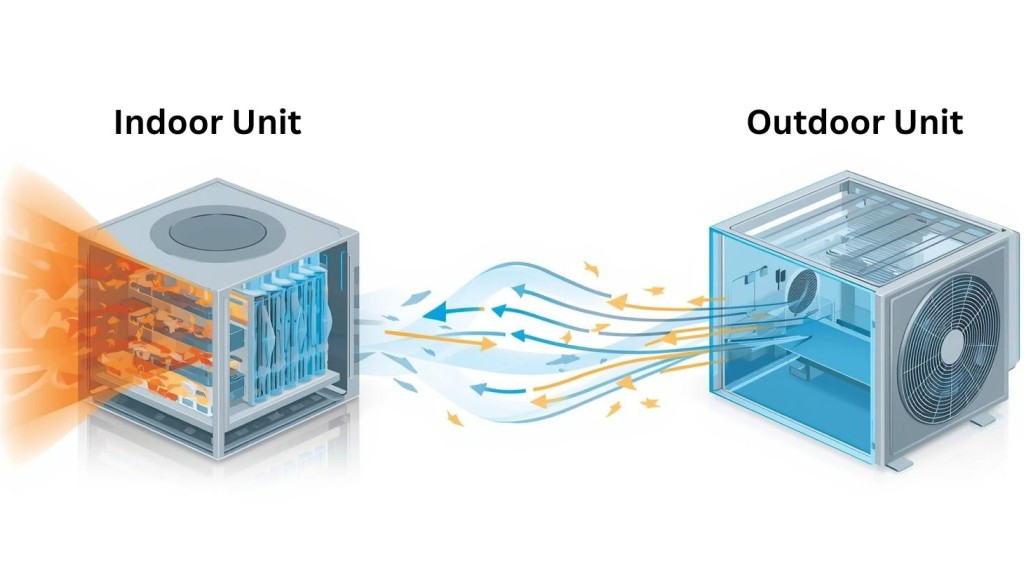
While each type of AC looks different, they all work in a similar way. To put it simply, air conditioners move heat from inside your home to the outdoors. Here’s how that process works:

  • Warm indoor air is pulled into the system and passed over cold coils filled with refrigerant, which absorbs the heat.
  • The refrigerant carries the heat outside to the outdoor unit, where the heat is released into the air.
  • Once the heat is removed, cool air is sent back into your home through vents or directly from the unit, depending on the system type.
  • This process repeats continuously until your home reaches the temperature set on your thermostat.

This cycle ensures steady cooling without requiring you to adjust the system constantly.

Air conditioners are typically used during warm or hot months when cooling is the main priority. They are especially effective in climates with distinct summer seasons or homes that benefit from powerful, consistent cooling.

AC-only systems are an excellent choice for homes that already rely on another method for heating, such as a gas or electric furnace. Below are the situations where an air-conditioner-only setup makes the most sense:

  • Homeowners who want strong, reliable cooling during the summer months and already have a dedicated heating system for winter.
  • Homes located in regions where winter temperatures drop low enough that a heat pump may require supplemental heat anyway.
  • Homeowners who prefer the simplicity of having separate systems for heating and cooling.
  • Houses with existing ductwork that can easily accommodate a central air conditioner.

In these situations, an air conditioner provides a straightforward, effective solution for staying cool, especially when paired with a furnace or another dedicated heating source.

2. What Is a Heat Pump?

A heat pump is a versatile home comfort system that can both cool and heat your home using the same equipment. Unlike a traditional air conditioner, which only cools, a heat pump can reverse its operation to provide warmth during the colder months. This dual functionality makes it a popular choice for homeowners looking to simplify their heating and cooling needs while improving energy efficiency.

How a Heat Pump Works

Heat pumps operate on a principle similar to air conditioners, but with the ability to reverse the flow of refrigerant. Here’s a simple explanation of how a heat pump works:

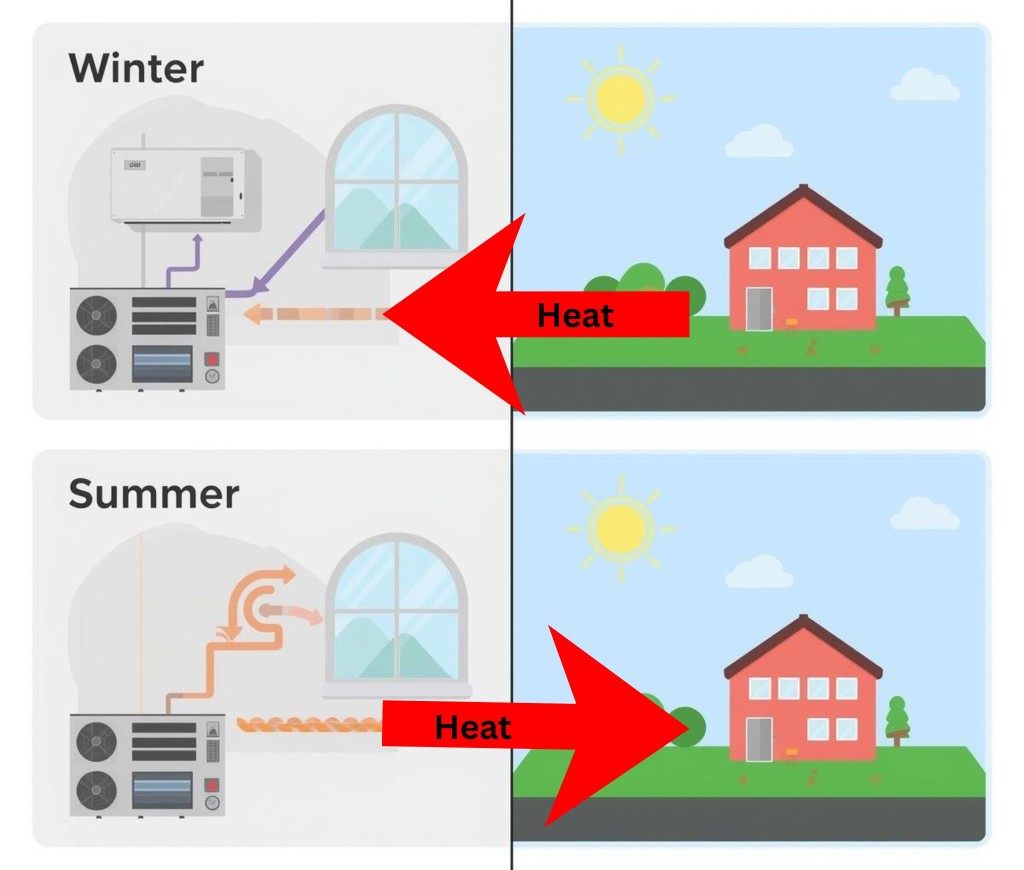
  • During the summer, a heat pump functions like an air conditioner by removing heat from inside the home and releasing it outdoors.
  • During the winter, the system reverses, extracting heat from the outdoor air (even in cold temperatures) and bringing it inside to warm the home.
  • The refrigerant acts as a carrier, transferring heat in either direction depending on whether the system is in cooling or heating mode.
  • A thermostat controls the system, automatically switching between heating and cooling to maintain the desired indoor temperature.

This reversible process allows a heat pump to efficiently provide year-round comfort without the need for separate heating and cooling systems.

How a heat pump works

Heat pumps are most effective in moderate climates where winter temperatures don’t regularly fall below extreme cold. In these conditions, they can heat and cool efficiently while reducing energy consumption compared to traditional systems.

Below are some situations where a heat pump can be particularly beneficial for homeowners:

  • Homes that need both heating and cooling from a single, energy-efficient system.
  • Houses located in regions with milder winters, where the heat pump can meet most heating needs without backup systems.
  • Homeowners looking to reduce their energy bills and environmental impact by using a system that transfers heat rather than generating it.
  • Properties where adding a separate furnace or boiler would be costly or unnecessary.
  • Homeowner in a colder climate who want to reduce their energy bills and environmental impact, who have a backup system when the temperatures become extremely cold.

In the right conditions, a heat pump provides a convenient and efficient solution, giving you consistent comfort throughout the year while simplifying your home’s heating and cooling setup.

3. Efficiency Comparison: Heat Pump VS Air Conditioner

When it comes to choosing between a heat pump and an air conditioner, energy efficiency is one of the most important factors for homeowners. Efficiency affects not only your monthly energy bills but also the environmental impact of your home. Understanding how these systems perform in different climates and comparing their seasonal energy ratings can help you make a smarter choice.

Energy Efficiency Ratio (SEER or SEER2)

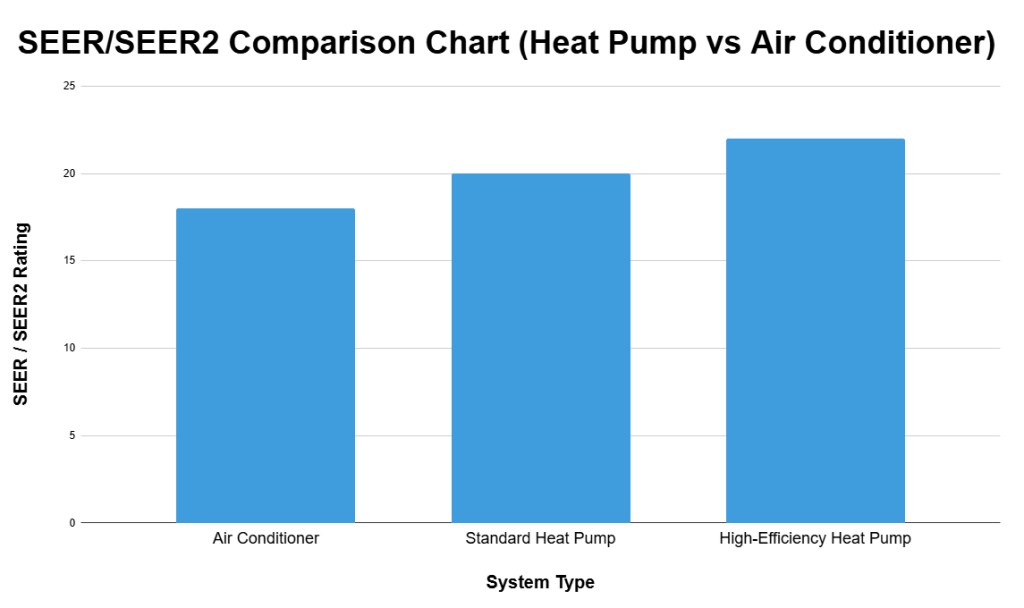
One way to measure the efficiency of both heat pumps and air conditioners is by looking at their Seasonal Energy Efficiency Ratio (SEER or SEER2). This rating indicates how much cooling a system provides per unit of energy consumed over a typical cooling season.

  • Higher SEER or SEER2 ratings indicate more efficient systems that use less electricity to cool the same amount of space.
  • Modern air conditioners often have SEER ratings between 14 and 22, with higher numbers offering better energy efficiency.
  • Heat pumps also use SEER ratings for cooling, but when heating, their efficiency is measured using the Heating Seasonal Performance Factor (HSPF).
  • Advanced heat pumps can achieve efficiency levels that outperform traditional air conditioners, especially when providing both heating and cooling year-round.
SEER SEER2 Comparison Chart

Energy Use

While both systems are efficient at cooling, there are differences in energy use between heat pumps and air conditioners.

  • Air conditioners only cool, so homeowners must rely on a separate heating system in winter, which can increase overall energy consumption.
  • Heat pumps transfer heat rather than generate it, which can reduce energy use for both heating and cooling, particularly in milder climates.
  • Electric resistance heaters paired with AC systems tend to consume more electricity than heat pumps when heating is required.
  • Proper sizing and installation are critical for both systems to achieve maximum efficiency and prevent unnecessary energy waste.

Ontario Climate Considerations

In Ontario, where winters can be very cold, a heat pump may require supplemental heating during the coldest months to maintain comfort efficiently.

For Ontario homeowners, the key takeaways about efficiency are clear:

  • Both systems can provide efficient cooling during the summer, but heat pumps offer the added benefit of efficient heating in moderate conditions.
  • SEER/SEER2 ratings are important to compare when selecting either system, as higher ratings mean lower energy bills.
  • Homeowners should consider their climate zone and heating needs when evaluating whether a heat pump or an air conditioner is the most efficient choice.
  • Professional installation and proper sizing are essential for maximizing efficiency and ensuring reliable performance.

Understanding these efficiency differences can help you make a choice that balances comfort, cost, and energy savings for your home throughout the year.

4. Effectiveness Comparison: Cooling & Heating Performance

When comparing a heat pump and an air conditioner, it’s important to consider effectiveness, or how well each system keeps your home comfortable in real-world conditions. While both systems are designed to cool your home, heat pumps also provide heating, which adds another layer to the comparison.

Understanding how they perform in both hot and cold weather can help you choose the right system for your needs.

Cooling Performance

Both heat pumps and air conditioners provide excellent cooling during the summer months, but there are some differences in how they operate and perform.

  • Air conditioners are designed solely for cooling and generally maintain consistent performance even during extreme heat.
  • Heat pumps provide similar cooling performance to air conditioners in warm weather, often with comparable energy efficiency.
  • The size and capacity of the system are critical for cooling effectiveness, regardless of whether it is a heat pump or an air conditioner.
  • Both systems require proper installation and regular maintenance to ensure even airflow and consistent indoor temperatures.

Overall, you can expect reliable cooling from both systems, with heat pumps offering the added benefit of heating when the season changes.

Heating Performance

This is where heat pumps differ significantly from air conditioners, as air conditioners cannot heat a home. Heat pumps extract heat from the outdoor air and transfer it indoors, providing energy-efficient warmth during the winter.

  • In moderate winter climates, heat pumps can provide most or all of the home’s heating needs efficiently.
  • In very cold temperatures, heat pump performance can drop, reducing their ability to heat a home without additional support.
  • Many homes in colder climates pair heat pumps with backup heating sources, such as electric resistance heaters or gas furnaces, to ensure consistent warmth on the coldest days.
  • The combination of a heat pump and backup heating provides both energy efficiency and reliability throughout the year.

By understanding how heat pumps perform in different temperature ranges, homeowners can plan for both comfort and efficiency, ensuring their system meets their heating and cooling needs without compromise.

Heat Pump Performance in Cold Weather

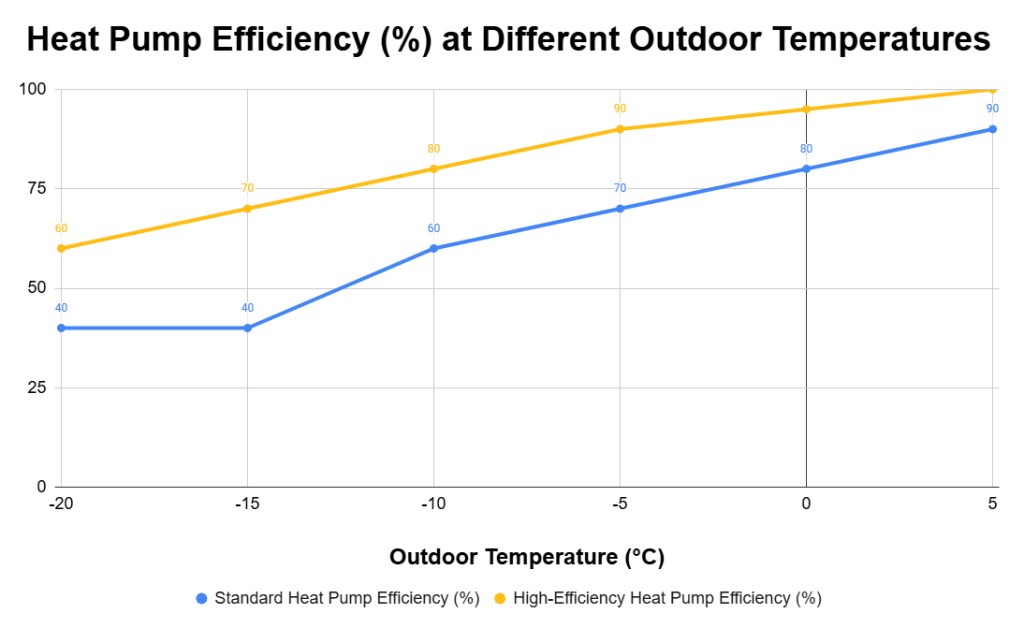
Heat pumps are designed to work efficiently in a range of temperatures, but their performance can vary depending on how cold it gets outside. Standard heat pumps typically operate most efficiently when outdoor temperatures are above -5°C to 0°C, providing reliable heating without needing supplemental systems.

However, modern high-efficiency heat pumps are engineered to handle colder conditions. Many advanced models can maintain effective heating at temperatures as low as -15°C to -20°C, making them suitable for colder climates while still reducing energy use compared to traditional electric or fossil-fuel heating systems.

Investing in a high-efficiency heat pump allows homeowners to enjoy year-round comfort, even during harsh winter months, with minimal reliance on backup heating sources.

In summary, while both heat pumps and air conditioners deliver excellent cooling, heat pumps add the ability to heat your home efficiently. For homes in colder regions, pairing a heat pump with a backup heating system ensures consistent comfort all year round.

Heat Pump Efficiency at different outdoor temperatures

5. Cost Comparison: Upfront, Operating & Maintenance Costs

When deciding between a heat pump and an air conditioner, understanding the full cost picture is essential. While upfront expenses are important, it’s equally crucial to consider operating costs, long-term maintenance, and available incentives.

Evaluating these factors helps you make a choice that balances your comfort, efficiency, and budget.

Purchase & Installation Costs

The initial investment for a heat pump or air conditioner varies depending on system type, size, and installation requirements.

  • Air conditioners typically have lower upfront costs than heat pumps, especially for single-room or central systems.
  • Heat pumps generally cost more to purchase and install because they provide both heating and cooling in one system.
  • Installation costs can increase if ductwork upgrades or modifications are needed for either system.
  • Professional installation is recommended for both systems to ensure optimal performance and efficiency.

Considering these costs upfront helps you budget appropriately for your new system.

Expected Energy Savings

Long-term energy use can significantly impact the overall cost of your heating and cooling system.

  • Heat pumps transfer heat rather than generating it, which can reduce electricity consumption and energy bills compared to running separate heating and cooling systems.
  • Air conditioners efficiently cool homes but require a separate heating system in winter, which can increase overall energy costs.
  • High-efficiency models of both heat pumps and AC units can deliver greater savings over time by using less electricity per unit of cooling or heating.
  • Energy savings will depend on climate, system size, and proper installation.

By considering long-term energy use, homeowners can better assess the true cost of their system over its lifespan.

Lifespan & Long-Term Maintenance

The lifespan and maintenance requirements of a system affect both its reliability and total cost of ownership.

  • Air conditioners typically last 12–15 years with regular maintenance.
  • Heat pumps usually have a similar lifespan, around 12–15 years, though high-efficiency models may last longer with proper care.
  • Regular maintenance, including cleaning, filter replacement, and annual professional inspections, is essential to maximize performance and lifespan for both systems.
  • Neglecting maintenance can lead to higher repair costs and reduced efficiency over time.

Understanding these factors ensures that homeowners plan for ongoing costs and protect their investment.

furnace filter replacement

6. Pros & Cons of Each System

Choosing between a heat pump and an air conditioner isn’t just about efficiency or effectiveness; it’s also important to weigh the advantages and disadvantages of each system. Understanding the pros and cons can help you make an informed decision that fits your comfort needs, budget, and climate.

Heat Pump Pros & Cons

Heat pumps offer the unique ability to both heat and cool your home, but they also have some limitations depending on climate and installation.

Pros:

  • Heat pumps provide year-round comfort by offering both heating and cooling in a single system.
  • They are energy-efficient, often reducing electricity consumption compared to separate heating and cooling systems.
  • Heat pumps can lower overall home energy costs, particularly in moderate climates.
  • They have a smaller environmental footprint since they transfer heat instead of generating it through combustion or resistance heating.

Cons:

  • Heat pumps can lose efficiency in extremely cold climates, sometimes requiring a backup heating source.
  • The upfront installation cost is typically higher than a standard air conditioner alone.
  • Proper sizing and installation are crucial, and mistakes can reduce efficiency and comfort.
  • Some older homes may require ductwork upgrades or additional modifications to support a heat pump.

Overall, heat pumps are an excellent choice for homeowners looking for an all-in-one system, especially in areas with moderate winters.

Air Conditioner Pros & Cons

Air conditioners are a tried-and-true solution for home cooling, offering reliable performance, but they only provide cooling.

Pros:

  • Air conditioners deliver strong, consistent cooling during hot weather.
  • They are generally less expensive to install than a heat pump.
  • AC systems are straightforward and well-understood, making maintenance and repairs easier.
  • Homes with existing heating systems can simply add an AC unit without changing the heating setup.

Cons:

  • Air conditioners cannot provide heating, so a separate heating system is required in colder months.
  • Operating two separate systems (AC + furnace) can increase overall energy costs compared to a heat pump in moderate climates.
  • AC-only setups may be less efficient if a home requires heating and cooling throughout the year.

In summary, air conditioners are ideal for homeowners who only need reliable cooling and already have a heating system in place, while heat pumps offer a more versatile solution with both heating and cooling capabilities, particularly in milder climates.

Heat Pump Pros Air Conditioner Pros
Can heat and cool your home with one unit. Excellent and reliable cooling performance in hot weather.
More energy-efficient than ACs in moderate climates. Lower upfront cost compared to heat pumps.
Can significantly reduce heating costs when paired with electricity. Simple system with less maintenance required.
Heat Pump Cons Air Conditioner Cons
May require a backup heat source during very cold winters. Only provides cooling—separate heating system still needed.
Higher upfront install cost than AC-only systems. Less energy-efficient overall compared to heat pumps.
Cold-weather performance varies by model efficiency. Requires more power during extreme heat waves.

7. Which Option Is Best for Your Home?

After comparing heat pumps and air conditioners in terms of efficiency, performance, and pros and cons, the next step is deciding which system is the right fit for your home. The best choice depends on factors like your local climate, your budget and energy goals, and whether you need both heating and cooling in a single system.

Considering these points carefully can help you make a decision that balances comfort, cost, and long-term efficiency.

Climate Considerations

Your local climate is a major factor when choosing between a heat pump and an air conditioner.

  • Heat pumps are most effective in moderate climates where winter temperatures rarely fall extremely low.
  • In regions with harsh, cold winters, a heat pump may need a supplemental heating source to maintain comfort.
  • Air conditioners perform consistently in hot weather, making them ideal for homes where summer cooling is the primary concern.
  • Homeowners in areas with both hot summers and very cold winters may benefit from a combination of a heat pump and a backup furnace or boiler.
  • If you live in a colder climate, consider getting an advanced, high efficiency heat pump that can maintain effective heating at temperatures as low as -15°C to -20°C.

By taking climate into account, you can ensure that your system will provide reliable comfort year-round.

Budget & Energy Goals

Your budget and energy goals also play a key role in the decision-making process.

  • Heat pumps typically have a higher upfront cost than air conditioners, but they can reduce long-term energy bills by efficiently providing both heating and cooling.
  • Air conditioners usually cost less to install, but pairing them with a separate heating system can increase overall operating costs.
  • Homeowners focused on energy efficiency and reducing environmental impact may prefer a heat pump for its dual functionality.
  • Those prioritizing a lower initial investment may choose an air conditioner if they already have an efficient heating system in place.

Balancing upfront costs with long-term savings can help you choose a system that meets both your financial and energy goals.

Whether You Need Both Heating and Cooling

Finally, consider whether you need both heating and cooling in one system.

  • If you want a single system to manage both home heating and cooling, a heat pump is usually the best option.
  • If your home already has an efficient heating system, an air conditioner may be sufficient for cooling needs.
  • Heat pumps provide convenience and reduce the need for multiple systems, which can be appealing for homeowners looking for simplicity.
  • AC-only setups can work well for homes that primarily require cooling, especially when paired with a reliable furnace or boiler.

By evaluating your heating and cooling needs, you can select the system that provides the most comfort and efficiency for your home.

In conclusion, the best option depends on a combination of climate, budget, energy goals, and whether you want a single system for year-round comfort. Homeowners in Ontario can make a confident choice by considering these factors and consulting with experienced professionals to determine which system fits their home best.

Best Choice: Heat Pump Best Choice: Air Conditioner
Ideal for homeowners who want both heating and cooling in one efficient system. Ideal for homeowners who already have a reliable furnace for heating.
Works best in moderate to cold climates when using a high-efficiency model. Works best in areas with hot summers but mild or minimal winter heating needs.
Great option for lowering long-term energy costs, especially if electricity rates are competitive. Best for homeowners who want lower upfront installation costs.
Perfect for homes interested in reducing carbon footprint and maximizing energy efficiency. Suitable for AC-only homes where heating needs are handled separately and efficiently.
Ideal for year-round comfort when paired with a backup heat source in very cold regions. Ideal if installing a heat pump is not practical due to budget or home layout.

8. Additional Resources

Choosing between a heat pump and an air conditioner is easier when you have access to reliable information and local resources. The right guidance can help you understand system options, compare efficiency, and take advantage of cost-saving programs. Below are several resources that can help you make an informed decision.

Generations Heating & Air Conditioning Services

The team at Generations Heating & Air Conditioning offers professional guidance, installation, and maintenance for both heat pumps and air conditioners. Their services can help you select the right system for your home and ensure it operates efficiently.

  • Generations Heating & AC provides expert consultations to help homeowners determine which heating and cooling system best fits their needs.
  • They offer professional installation of both heat pumps and air conditioners, ensuring optimal performance and efficiency.
  • Generations also provides ongoing maintenance and repairs to keep your system running smoothly year-round.
  • Their team can help you understand available rebates and incentives when choosing a new system.

By working with Generations Heating & AC, homeowners can gain peace of mind knowing their system is installed correctly and performing efficiently.

Government Efficiency Guides

Understanding efficiency standards can help you choose a system that reduces energy use and lowers costs. Several government resources provide valuable information on seasonal ratings, energy savings, and system performance.

  • Canada’s Natural Resources Canada (NRCan) website offers guides on energy-efficient heating and cooling systems for homes.
  • The NRCan ENERGY STAR program provides ratings and recommendations for heat pumps and air conditioners.
  • Efficiency guides include tips for optimizing system performance and lowering energy bills throughout the year.

Consulting these guides can help you compare options objectively and understand the long-term energy implications of your choice.

Local Rebate Programs

Homeowners in Ontario can often access rebate programs that help offset the cost of upgrading to more efficient heating and cooling systems.

  • Many local utility providers offer rebates for installing high-efficiency heat pumps or air conditioners.
  • Government programs may provide financial incentives for energy-efficient home upgrades.
  • Generations Heating & Air Conditioning can help homeowners identify which programs and rebates are available in their area.

Taking advantage of these rebates can make upgrading to a high-efficiency system more affordable while reducing your overall energy costs.

By exploring these resources, homeowners can make well-informed decisions, save on installation and operating costs, and ensure their heating and cooling systems are as efficient as possible.

Making the Right Choice with Generations Heating & Air Conditioning

Generation Heating and Air Conditioning van

Deciding between a heat pump and an air conditioner comes down to understanding your home’s specific needs, your climate, and your energy goals. Both systems provide reliable cooling, but heat pumps offer the added benefit of year-round heating, making them ideal for moderate climates or homeowners looking to simplify their home’s comfort system. Air conditioners, on the other hand, deliver consistent cooling and can be paired with existing heating systems for homes in colder regions.

By considering factors such as efficiency, performance, cost, and climate, you can make a choice that balances comfort, long-term savings, and convenience. For Ontario homeowners, consulting with experienced professionals is key to ensuring your system is properly sized, installed, and maintained for optimal results.

If you’re ready to upgrade your home’s comfort system or want expert guidance on choosing between a heat pump and an air conditioner, the team at Generations Heating & AC is here to help. They can provide a personalized consultation, recommend the most efficient solution for your home, and assist with installation and maintenance every step of the way.

Contact Generations Heating & AC today to schedule your consultation today.

More Reasons to Choose Generations:

If it's the comfort of your house that you're concerned about, you want to work with a company you can trust. At Generations Heating & Air Conditioning, we pride ourselves on offering professional advice, honest service, and dependable help from start to finish.

Local Experts Serving Kitchener and Beyond

We know Kitchener's weather and home styles inside and out. Our recommendations are based on hands-on experience here, not guesswork.

Friendly, Knowledgeable Technicians

Our service pros are highly trained technicians who care about you and your home. We take the time to clearly explain your options and answer your questions so that you feel confident making every decision.

No Pushy Sales Tricks, Just Honest Advice

You'll never be pressured into buying something you don't need. We prioritize what's best for you and your home, not what's easiest to sell.

Start-to-Finish Service

From the moment you receive your quote to long after your new system is installed, we're with you. Expect clear communication, tidy work, and follow-up service you can trust.

Ready to experience the Generations difference? Book a free consultation today and get the best home comfort system for your needs and budget.

Contact Us
5 stars

What Our Customers Are Saying...

"Great service. Rob and his co-op student were very punctual and efficient The work was done rapidly, and he was happy to also include inspecting our air conditioner. All are functioning well-not surprisingly since they were also installed by Generations in 2015. Additionally Rob proved to be a very clear and helpful instructor for his co-op student, who will gain valuable experience with Rob in his co-op placement with Generations.
Many thanks"

-Bob and Jean Ann Norman

5 stars

"We have used generations for many years, they are very helpful, knowledgeable, on time. We’ve used them to install a furnace, move gas lines, install gas stoves, and do our yearly annual furnace maintenance. We are very happy with their service."

-Ela R

Read More Reviews

Filed Under: Air Conditioners, Heat Pumps Tagged With: Heat Pump VS Air Conditioner

Furnace Installation in Kitchener: What to Expect and How to Prepare Your Home

November 17, 2025 By GenHeatAirAdmin

Furnace Installation in Kitchener: What to Expect and How to Prepare Your Home

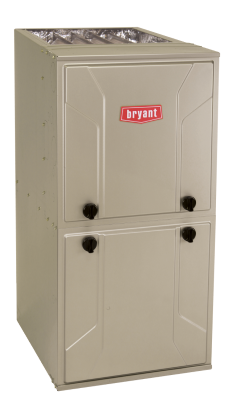
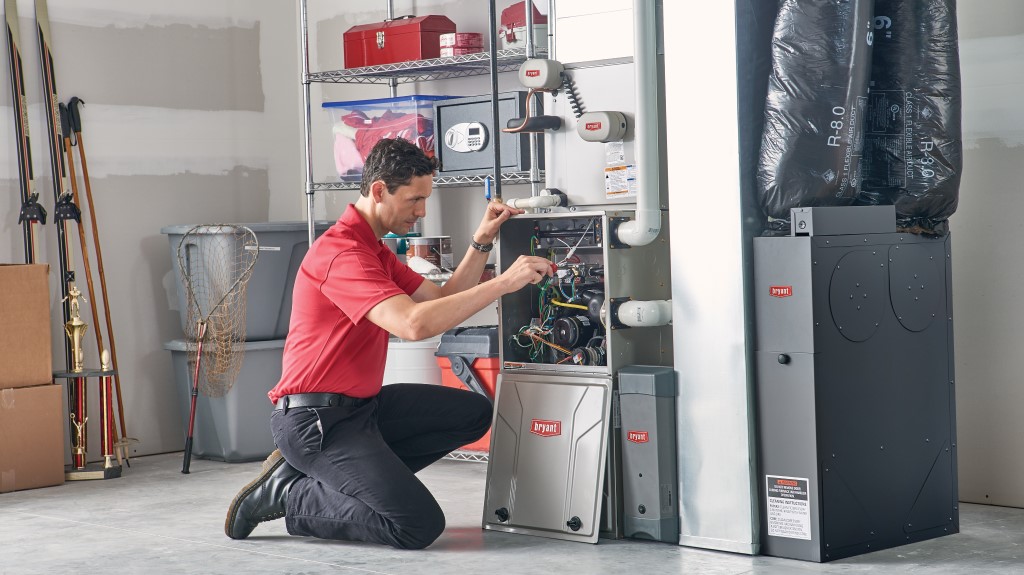
Bryant furnace

In this guide, we’ll walk you through the entire installation process —from initial consultation and sizing to removing your old system and final testing and provide tips to prepare your home for a hassle-free experience.

Upgrading your home’s heating system is a big decision, and knowing what to expect can make the process smooth and stress-free. Whether you’re considering a new furnace in Kitchener or planning a routine replacement, professional furnace installation ensures your home stays warm, safe, and energy-efficient all winter long.

  1. Initial Consultation and Assessment
  2. Furnace Sizing and Choosing the Right System
  3. Preparing Your Home for Installation
  4. Removal of the Old Furnace
  5. Installing the New Furnace
  6. Testing and Final Adjustments
  7. Post-Installation Tips
  8. Furnace Installation in Kitchener – FAQ

Ready for a reliable furnace installation in Kitchener? Contact Generations Heating & AC today to schedule your consultation and keep your home warm all winter.

Contact Us

Key Takeaways

  • Scheduling a professional consultation is the first step in a successful furnace installation in Kitchener.
  • Proper furnace sizing and selection ensure your home stays comfortable and energy-efficient.
  • Preparing your home, including clearing space and checking ductwork, helps the installation go smoothly.
  • Removal of the old furnace should be handled by trained professionals for safety and efficiency.
  • Professional installation guarantees correct connections, optimal performance, and protects your warranty.
  • Testing and final adjustments confirm your furnace operates safely and efficiently.
  • Regular maintenance, filter changes, and following manufacturer guidelines extend the life of your system.
  • Trusting experts like Generations Heating & AC ensures a reliable heating system and peace of mind.

1. Initial Consultation and Assessment

Bryant furnace warranty

The first step in any furnace installation in Kitchener is scheduling a professional consultation with a qualified heating technician. This visit allows the technician to evaluate your home and heating needs to ensure you get the right system for maximum comfort and efficiency.

  • During the consultation, the technician will carefully assess several key aspects of your home and current heating setup, including:
  • The technician will evaluate your current heating system to determine its condition and efficiency.
  • They will measure your home’s size and review the layout to ensure the new system is properly sized for every room.
  • The technician will inspect your insulation and ductwork to identify any areas that may need improvement for optimal airflow and energy efficiency.
  • They will discuss your energy efficiency goals and recommend options that can help reduce your utility bills while maintaining comfort.
  • This thorough assessment ensures that your heating installation in Kitchener is tailored to your home’s unique needs and provides long-lasting performance.

By completing this initial step, you set the stage for a smooth installation process and make sure your furnace installation Kitchener project starts on the right foot.

2. Furnace Sizing and Choosing the Right System

Choosing the right furnace is a critical part of a successful furnace installation in Kitchener. A properly sized system keeps your home comfortable, runs efficiently, and avoids unnecessary energy costs.

During this step, your technician will help you select the best system by considering several important factors:

  • They will calculate the correct furnace size based on your home’s square footage to ensure even heating throughout every room.
  • The technician will evaluate the number of rooms and how your home is used to make sure the system can meet your household’s daily heating needs.
  • They will review energy efficiency ratings, such as AFUE (Annual Fuel Utilization Efficiency), to recommend a furnace that balances performance and cost savings.
  • Your local climate and typical Kitchener winters will be taken into account to ensure your new furnace can keep your home warm during the coldest months.

Taking the time to choose the right furnace ensures that your heating installation in Kitchener is tailored to your home and provides reliable, energy-efficient warmth for years to come.

3. Preparing Your Home for Installation

Bryant Gas Furnace

Proper preparation can make your furnace installation in Kitchener faster, safer, and less disruptive. By taking a few simple steps, you can help ensure the installation goes smoothly and your home stays protected throughout the process.

Before the installation day, consider the following tips:

  • Clear the area around your existing furnace so the technicians have easy access to remove the old system and install the new one.
  • Inspect and, if needed, clean your ductwork to ensure proper airflow and maximize the efficiency of your new furnace.
  • Move any furniture, fragile items, or valuables away from the work area to prevent damage during installation.
  • Make sure pets and children are kept safely away from the installation space to avoid accidents.
  • Gather any relevant documentation, such as warranty information or maintenance records, so the technicians can review them as needed.
  • Ask your installer about warranties, maintenance plans, and expected timelines to have a clear understanding of the service you’ll receive.

By taking these preparation steps, you help the technicians complete your heating installation in Kitchener efficiently while minimizing disruptions in your home. Proper preparation also ensures your new furnace operates at peak performance from day one.

4. Removal of the Old Furnace

Once your home is prepared, the next step in a furnace installation in Kitchener is the safe removal of your old system. This process is handled by trained professionals to ensure safety and efficiency.

During this step, the technicians will:

  • Carefully disconnect the old furnace from electrical, gas, and ventilation connections to prevent any hazards.
  • Remove the old unit from your home while following all safety protocols to protect your property and family.
  • Inspect the area for any issues, such as leaks, damaged ductwork, or structural concerns, that may need attention before installing the new furnace.
  • Dispose of or recycle the old furnace responsibly, in compliance with local regulations and environmental guidelines.

By allowing professionals to handle the removal, you avoid potential safety risks and ensure that your heating installation in Kitchener proceeds smoothly. Proper removal also prepares your home for the next step: installing your new, energy-efficient furnace.

5. Installing the New Furnace

Bryant furnace maintenance

With the old system removed, it’s time for the installation of your new furnace. A professional furnace installation in Kitchener ensures your system is set up safely, efficiently, and correctly from the start.

During this process, the technicians will:

  • Position and secure the new furnace in the designated area, making sure it fits properly and aligns with existing ductwork.
  • Connect the furnace to your home’s ductwork, venting system, and electrical or gas lines according to safety standards.
  • Install any supplementary systems, such as thermostats, humidifiers, or air purifiers, to optimize comfort and indoor air quality.
  • Check all connections, seals, and components to ensure the furnace operates safely and efficiently.

Professional installation ensures that your new heating system in Kitchener will run effectively, provide consistent warmth, and maintain energy efficiency for years to come. A properly installed furnace also helps protect your warranty and gives you peace of mind.

6. Testing and Final Adjustments

After your new furnace is installed, the next step in a furnace installation in Kitchener is thorough testing and calibration. This ensures your system runs safely, efficiently, and reliably from day one.

During this stage, the technician will:

  • Test the airflow and heating output to confirm that every room in your home is receiving consistent warmth.
  • Perform safety checks, including inspecting gas lines, electrical connections, and venting systems.
  • Calibrate the thermostat and controls to ensure accurate temperature readings and optimal energy use.
  • Walk you through the operation of your new furnace, including filter replacement, thermostat settings, and basic troubleshooting tips.

This final step guarantees that your heating installation in Kitchener is complete and that your new furnace delivers maximum comfort and efficiency. By understanding how your system works and maintaining it properly, you can enjoy reliable warmth throughout the winter.

7. Post-Installation Tips

furnace filter replacement

After your furnace installation in Kitchener is complete, a few simple steps can help you maintain your system, extend its lifespan, and ensure it continues running efficiently.

Homeowners should consider the following tips:

  • Register your furnace’s warranty with the manufacturer to make sure you have full coverage and access to any available support.
  • Schedule regular maintenance with a certified technician to keep your system running at peak efficiency and prevent unexpected breakdowns.
  • Replace or clean furnace filters according to the manufacturer’s recommendations to maintain airflow and indoor air quality.
  • Keep vents and registers clear of furniture, curtains, or other obstructions to ensure proper airflow throughout your home.
  • Consider implementing energy-saving practices, such as adjusting the thermostat when you’re away, to reduce heating costs without sacrificing comfort.

Following these simple steps ensures that your new furnace in Kitchener delivers reliable warmth, improves energy efficiency, and protects your investment for years to come.

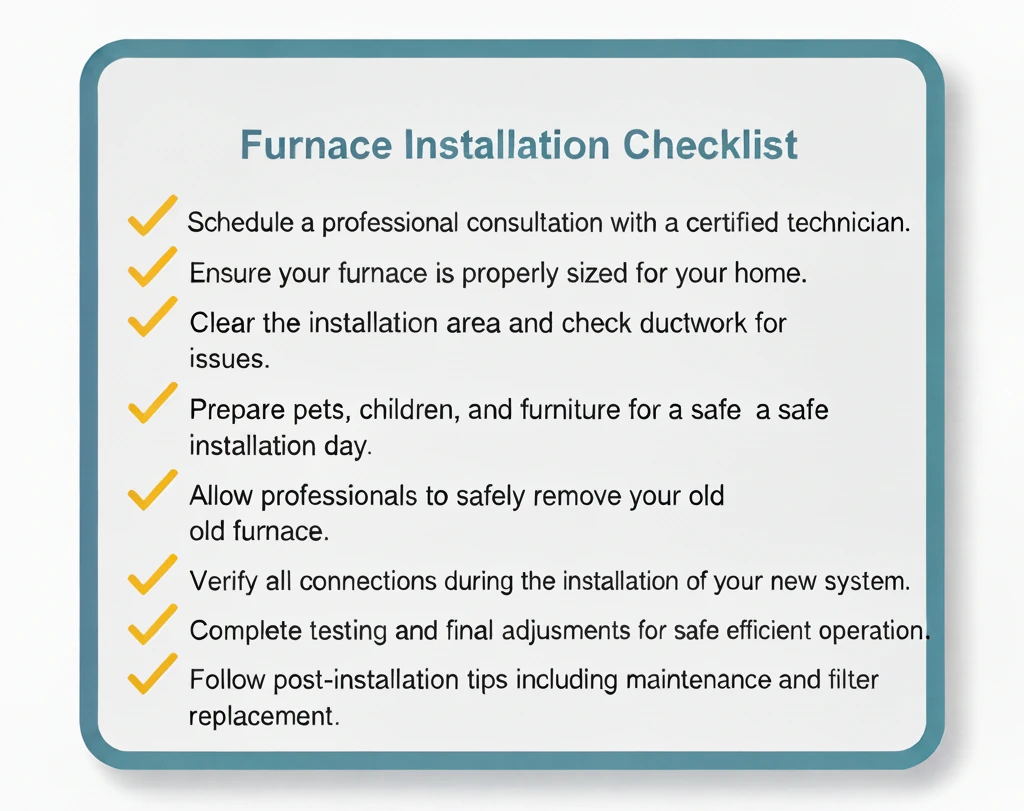
Furnace Installation Checklist

Furnace Installation in Kitchener – FAQ

Q: How long does a furnace installation typically take?
A: Most professional installations can be completed in a single day, but the exact time depends on the size of your home, the complexity of the installation, and whether ductwork or other upgrades are needed.

Q: Can I stay home during the installation?
A: Yes! Technicians will work safely in your home. It’s helpful to give them clear access to the furnace area and keep pets and children away from the workspace.

Q: How do I know if my new furnace is the right size?
A: Your technician will assess your home’s square footage, layout, insulation, and heating needs to recommend the properly sized furnace, ensuring comfort and energy efficiency.

Q: Will my old furnace be removed and disposed of?
A: Yes, trained professionals safely disconnect and remove your old system, and they will dispose of or recycle it in compliance with local regulations.

Q: What kind of maintenance does a new furnace require?
A: Regular maintenance includes replacing or cleaning filters, annual professional inspections, and keeping vents and registers clear to maintain airflow and efficiency.

Q: Are there warranties on new furnaces?
A: Most new furnaces come with manufacturer warranties. Your installer can help you understand coverage and register your system to protect your investment.

Q: Can you install a new furnace in older homes?
A: Yes. Professional installers can adapt new systems to fit older homes, including updating ductwork or venting as needed for a safe, efficient setup.

Ready for Your Furnace Installation in Kitchener?

Generation Heating and Air Conditioning van

Installing a new furnace is a major investment in your home’s comfort and energy efficiency. By following the steps outlined above, from the initial consultation and assessment to professional installation, testing, and post-installation care, you can ensure a smooth, safe, and effective furnace installation in Kitchener.

If you’re ready to upgrade to a reliable, energy-efficient heating system, trust the experts at Generations Heating & AC. Our team provides professional heating installation in Kitchener, expert guidance, and peace of mind with every project.

Contact Generations Heating & AC today to schedule your consultation and get your home comfortably warm for years to come.

More Reasons to Choose Generations:

If it's the comfort of your house that you're concerned about, you want to work with a company you can trust. At Generations Heating & Air Conditioning, we pride ourselves on offering professional advice, honest service, and dependable help from start to finish.

Local Experts Serving Kitchener and Beyond

We know Kitchener's weather and home styles inside and out. Our recommendations are based on hands-on experience here, not guesswork.

Friendly, Knowledgeable Technicians

Our service pros are highly trained technicians who care about you and your home. We take the time to clearly explain your options and answer your questions so that you feel confident making every decision.

No Pushy Sales Tricks, Just Honest Advice

You'll never be pressured into buying something you don't need. We prioritize what's best for you and your home, not what's easiest to sell.

Start-to-Finish Service

From the moment you receive your quote to long after your new HVAC system is installed, we're with you. Expect clear communication, tidy work, and follow-up service you can trust.

Ready to experience the Generations difference? Book a free consultation today and get the best HVAC system for your needs and budget.

Contact Us
5 stars

What Our Customers Are Saying...

"Excellent sales and new furnace installation from Generations.
Punctual, polite, efficient, neat and tidy.
Furnace area much more efficient now than the original installation.
We’re very satisfied knowing all work has been done to today’s code and the furnace will not only be efficient but quieter as well.
If any other work needs to be done we won’t hesitate to call on Generations a local family-run business."

-Liz Gerald

Read More Reviews

Filed Under: Furnaces Tagged With: Furnace Installation

How Much Does It Cost to Install a New Water Heater in Kitchener-Waterloo Region

November 13, 2025 By GenHeatAirAdmin

How Much Does It Cost to Install a New Water Heater in Kitchener-Waterloo Region?

Right Water Heater for Your Home

When it comes time to replace your water heater, one of the first questions homeowners often ask is: “How much will a new water heater cost?” While it’s tempting to look for a simple number, the reality is that the cost of a new water heater can vary widely depending on several factors. Understanding these variables can help you make the best decision for your home and budget.

  1. Factors That Affect the Cost of a New Water Heater
  2. How to Decide on the Right New Water Heater
  3. Buying vs Renting a Water Heater

Need help choosing the right water heater for your home? Contact Generations Heating & AC today for expert guidance and professional installation in the Kitchener-Waterloo region.

Contact Us

Key Takeaways

  • The cost of a new water heater varies depending on type, fuel source, size, installation complexity, and brand features.
  • Tank water heaters are reliable and simpler to install, while tankless units provide on-demand hot water and greater energy efficiency.
  • Gas water heaters heat water faster but may have higher installation costs, while electric models are easier to install but can have higher operating costs.
  • Proper sizing ensures your household has enough hot water without wasting energy.
  • Installation requirements and home layout can affect the total cost and complexity of replacing a water heater.
  • Energy-efficient models may have higher upfront costs but can save money over time through lower operating expenses.
  • Buying a water heater offers long-term savings, control over features, and greater flexibility, while renting provides convenience and included maintenance.
  • Consulting a professional ensures you choose the right water heater for your home’s needs, energy goals, and budget.

1. Factors That Affect the Cost of a New Water Heater

running hot water

When it comes to installing a new water heater, costs can vary widely depending on several key factors. Understanding these factors can help you make informed decisions whether you are building a new home, renovating, or updating an existing unit.

A) Type of Water Heater: Tank vs Tankless

The type of water heater you choose plays a major role in both the installation process and the overall cost. Here’s what to consider:

  • Tank water heaters store a set amount of hot water, commonly between 40 and 80 gallons, and are generally simpler to install.
  • Tank water heaters are a reliable choice for families with consistent hot water needs.
  • Tankless water heaters heat water on demand, providing unlimited hot water without the need for a large storage tank.
  • Tankless units are typically more energy-efficient but may require higher installation costs due to additional plumbing and electrical work.

Choosing the right type depends on your household size, hot water usage patterns, and energy efficiency goals.

B) Fuel Source: Gas vs Electric

The fuel source affects both installation costs and ongoing operating expenses:

  • Gas water heaters usually have higher upfront installation costs because they require proper venting and gas connections.
  • Gas water heaters can heat water faster and may cost less to operate depending on local gas rates.
  • Electric water heaters are generally easier and cheaper to install.
  • Electric water heaters can be more expensive to operate in some areas due to electricity costs.

Selecting the right fuel type depends on your home’s existing utilities, energy costs, and efficiency priorities.

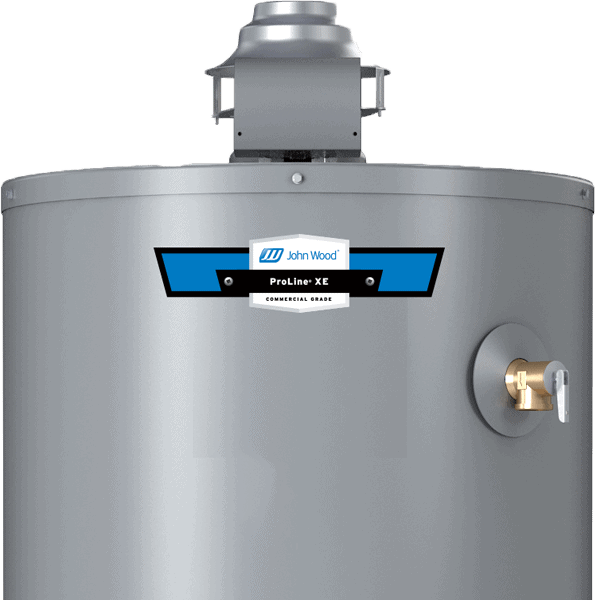
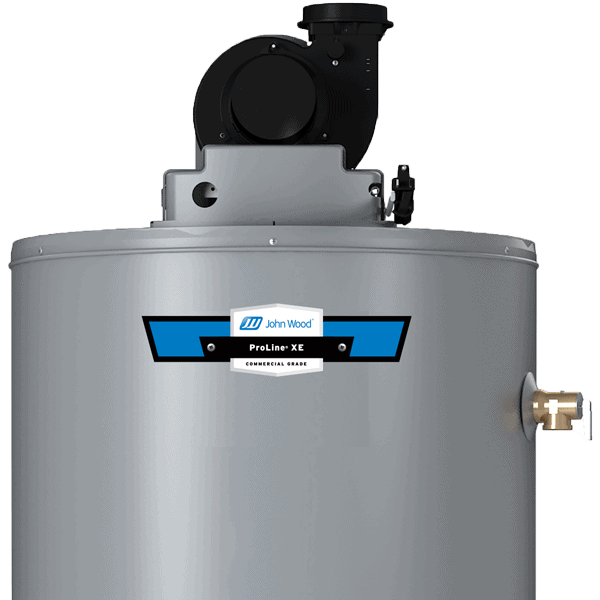
jw-proline-xe-atmospheric-hr1
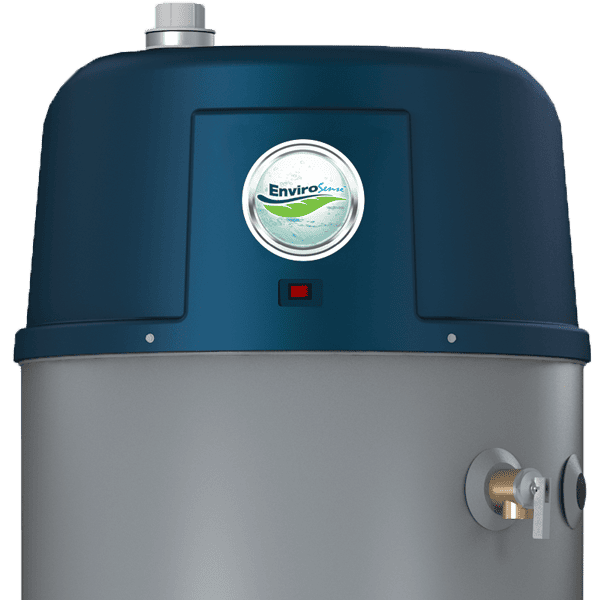
John Wood Envirosense Power Vent Water Heater
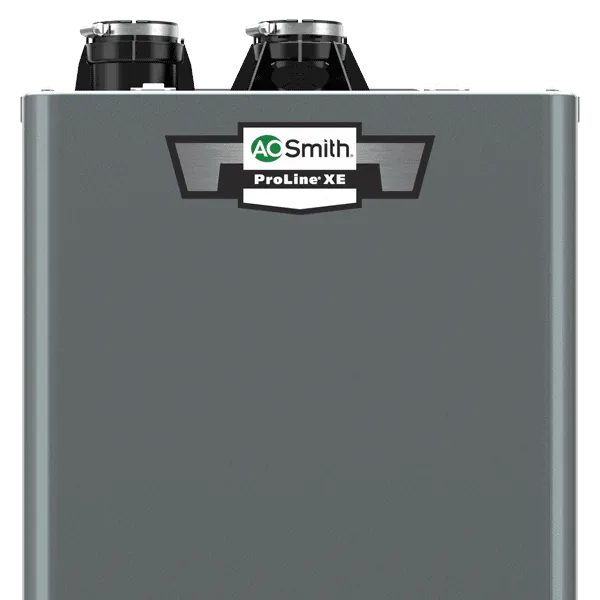
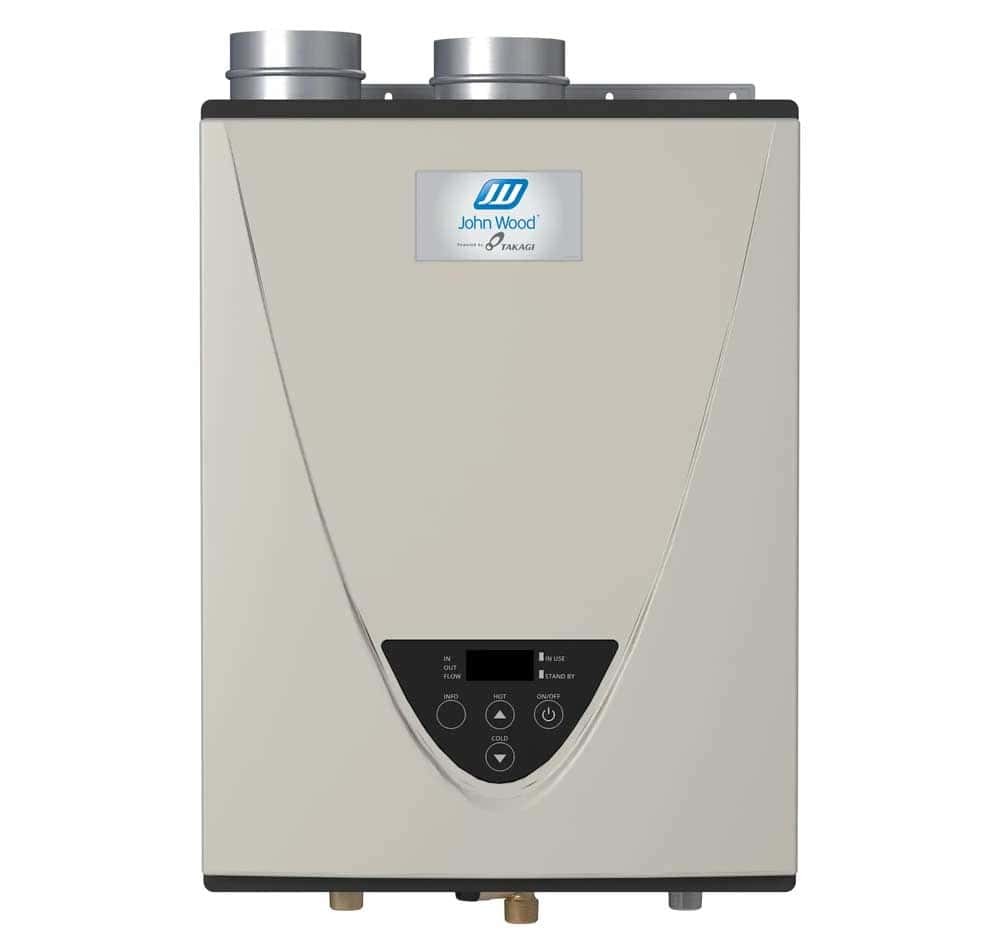
John Wood Adapt Condensing Tankless Water Heater

Images: John Wood Water Heaters


C) Size and Capacity

The size of your water heater should match your household’s hot water needs:

  • Larger water heaters generally cost more than smaller units.
  • Families of four or more typically need a larger tank or a higher-capacity tankless unit.
  • Choosing the correct size ensures you have enough hot water without wasting energy or money.

Proper sizing is essential for both comfort and efficiency in your home.

D) Installation Complexity

The difficulty of the installation can significantly affect the cost of a new water heater:

  • Installation costs vary depending on your home’s plumbing setup and the water heater’s location.
  • Additional work such as venting, electrical upgrades, or water line adjustments can increase installation time and cost.
  • Homes with older plumbing or unconventional layouts may require extra preparation before installation.

Understanding the complexity of the installation helps you anticipate potential additional costs.

E) Brand and Features

The brand and features of a water heater can also influence price and long-term value:

  • Premium brands with advanced features, such as digital controls, high energy efficiency, or leak detection, generally cost more upfront.
  • Investing in a high-quality water heater can save money over time through energy efficiency and durability.
  • Standard models without advanced features are typically less expensive but may have shorter lifespans or higher operating costs.

Choosing a water heater that balances features, brand reliability, and cost ensures both performance and long-term savings.


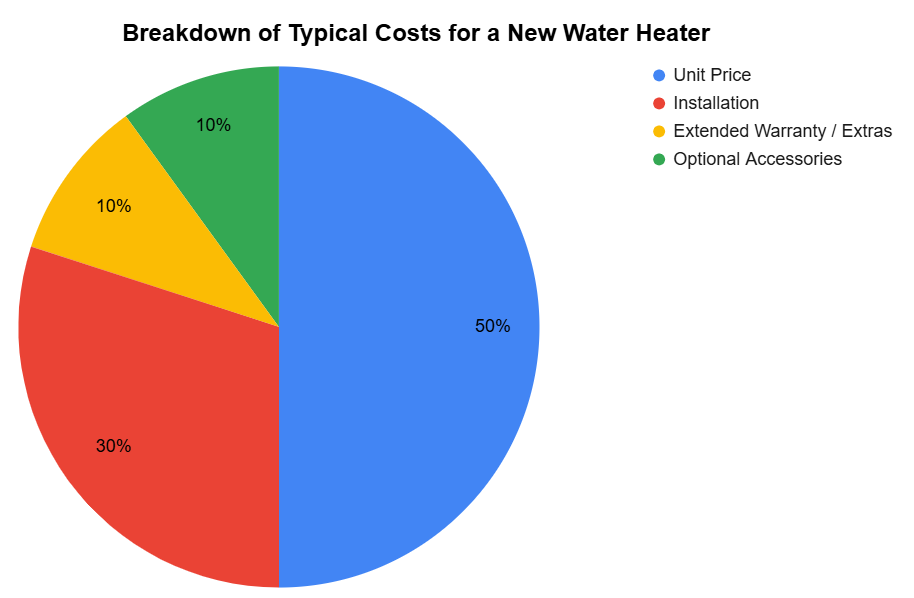
Breakdown of Typical Costs for a New Water Heater

2. How to Decide on the Right New Water Heater

Choosing the right water heater is about more than just cost. It’s important to consider your household’s size, lifestyle, and energy goals to ensure you select a unit that meets your needs now and in the future.

Consider Usage Patterns

Your household’s hot water demand is a key factor in selecting the right water heater:

  • Large families or households with multiple bathrooms may benefit from tank water heaters or high-capacity tankless units.
  • Singles or couples with lower hot water needs may prefer compact tankless options for efficiency and convenience.
  • Understanding daily water usage helps prevent shortages and ensures consistent hot water availability.

Evaluating your household’s usage patterns helps you choose a unit that provides reliable hot water without unnecessary energy waste.

Think About Energy Efficiency

Energy efficiency impacts both operating costs and environmental footprint:

  • Tankless and high-efficiency water heaters typically have higher upfront costs but can reduce energy bills over time.
  • Energy-efficient models may qualify for rebates or incentives, providing additional savings.
  • Selecting an energy-efficient unit contributes to long-term comfort and cost savings for your home.

Focusing on energy efficiency ensures your water heater is both economical and environmentally responsible.

Space and Installation Requirements

The physical space available and ease of installation should influence your decision:

  • Tankless water heaters are compact and save valuable space, making them ideal for smaller homes or tight utility areas.
  • Traditional tank water heaters are easier to replace in existing water heater closets or basements with standard plumbing connections.
  • Considering installation requirements can help reduce complications and additional costs during setup.

Taking space and installation into account makes the replacement process smoother and more efficient.

Fuel Type Availability

The type of fuel available in your home can determine which water heater options are feasible:

  • Homes with natural gas lines may benefit from gas water heaters, which heat water quickly and can be more cost-effective to operate.
  • Homes without gas access may need electric water heaters, which are simpler to install but may have higher operating costs depending on local electricity rates.
  • Evaluating fuel availability ensures your new water heater operates safely and efficiently.

Selecting the appropriate fuel type guarantees that your water heater is compatible with your home’s utilities and energy needs.

3. Buying vs Renting a Water Heater

Signs Your Furnace is Failing - High energy bills

When it comes to getting a new water heater, homeowners in Kitchener-Waterloo often face the choice between buying and renting. Both options have advantages, but understanding the differences can help you make the best decision for your home and budget.

Advantages of Buying a New Water Heater

Owning your water heater offers long-term benefits for homeowners:

  • Buying a new water heater provides full control over the brand, size, and features you choose.
  • Ownership typically results in long-term savings, as there are no ongoing rental fees.
  • You can maintain the unit on your schedule, which can extend its lifespan and improve reliability.
  • Investing in a high-quality water heater can increase your home’s value and energy efficiency.

Owning a water heater ensures you have a reliable, efficient system tailored to your household’s needs without ongoing rental costs.

Considerations for Renting a Water Heater

Some homeowners choose to rent a water heater for convenience and lower upfront costs:

  • Rentals often include maintenance and repairs, which can reduce unexpected expenses.
  • Monthly rental fees can add up over time, sometimes exceeding the cost of purchasing a unit.
  • Rental options may limit your choice of models, sizes, and features.

While renting can simplify short-term budgeting, it may not be the most cost-effective solution over the long term.

Making the Right Choice

Evaluating your household’s needs, long-term budget, and preference for control or convenience can guide your decision:

  • If you value ownership, customization, and long-term savings, buying a new water heater is often the better option.
  • If you prioritize lower upfront costs and included maintenance, renting may be worth considering.
  • Consulting a professional can help determine which option aligns with your home’s requirements and energy goals.

By carefully weighing these factors, homeowners can select the option that provides reliable hot water while fitting their budget and lifestyle.

Ready to Upgrade Your Water Heater?

Generation Heating and Air Conditioning van

Choosing the right water heater for your home can feel overwhelming, but with the right guidance, it doesn’t have to be. From selecting the right type and size to deciding between buying or renting, each decision impacts your comfort, energy efficiency, and long-term savings.

At Generations Heating & AC, we help homeowners in the Kitchener-Waterloo region find the perfect water heater for their home. Our experts provide professional advice, reliable installation, and ongoing support to ensure your new water heater meets your needs for years to come.

Contact us today to discuss your options and schedule a consultation. Let us help you enjoy reliable, efficient hot water in your home without the guesswork.

More Reasons to Choose Generations:

If it's the comfort of your house that you're concerned about, you want to work with a company you can trust. At Generations Heating & Air Conditioning, we pride ourselves on offering professional advice, honest service, and dependable help from start to finish.

Local Experts Serving Kitchener and Beyond

We know Kitchener's weather and home styles inside and out. Our recommendations are based on hands-on experience here, not guesswork.

Friendly, Knowledgeable Technicians

Our service pros are highly trained technicians who care about you and your home. We take the time to clearly explain your options and answer your questions so that you feel confident making every decision.

No Pushy Sales Tricks, Just Honest Advice

You'll never be pressured into buying something you don't need. We prioritize what's best for you and your home, not what's easiest to sell.

Start-to-Finish Service

From the moment you receive your quote to long after your new system is installed, we're with you. Expect clear communication, tidy work, and follow-up service you can trust.

Ready to experience the Generations difference? Book a free consultation today and get the best home comfort for your needs and budget.

Contact Us
5 stars

What Our Customers Are Saying...

"Spencer and the team were awesome! Very professional and efficient. Highly recommend! We already have our next job lined up with them."

-S D

Read More Reviews

Filed Under: Water Heaters Tagged With: New Water Heater

Signs Your Furnace is Failing: Don’t Ignore These Warning Signals

October 10, 2025 By GenHeatAirAdmin

Signs Your Furnace is Failing: Don’t Ignore These Warning Signals

Signs Your Furnace is Failing

Your furnace works hard to keep your home warm and comfortable during the cold months, but like any major appliance, it won’t last forever. Sometimes, a failing furnace gives warning signs before it completely breaks down.

Recognizing these signals early can save you from unexpected repairs, high energy bills, or even safety hazards. In this post, we’ll cover the most common signs that your furnace is failing, what they could mean, and when it’s time to contact a professional.

  1. Strange Noises
  2. Poor or Inconsistent Airflow
  3. Rising Energy Bills
  4. Frequent Cycling
  5. Yellow or Flickering Pilot Light (for older models)
  6. Unusual Odours
  7. Age of the Furnace
  8. Increased Humidity or Moisture Problems

Don’t wait until a small problem turns into a costly repair. Schedule a professional furnace inspection or repair today to keep your home safe and warm.

Contact Us

Key Takeaways

  • A furnace often shows warning signs before it completely fails, and recognizing them early can prevent costly repairs and safety hazards.
  • Strange noises such as rattling, squealing, or grinding usually indicate loose or worn parts and should be checked by a professional.
  • Poor or inconsistent airflow may be caused by clogged filters, duct issues, or blower problems, and it can reduce comfort and efficiency.
  • Rising energy bills often signal an inefficient or failing furnace that requires inspection.
  • Frequent cycling can indicate thermostat issues, clogged filters, or overheating components.
  • Yellow or flickering pilot lights and unusual odours are serious safety concerns and should be addressed immediately by a licensed technician.
  • The age of the furnace matters; older units are more prone to failures and decreased efficiency.
  • Increased humidity or moisture problems in the home can indicate leaks or ventilation issues, which may lead to mold or structural damage.
  • Scheduling a professional inspection or repair at the first sign of trouble ensures your home stays safe, warm, and energy-efficient.

1. Strange Noises

furnace maintenance benefits

Don't ignore strange noises coming from your furnace.

When your furnace makes unusual noises, it's trying to tell you something. Typical sounds are rattling, banging, squealing, or grinding. Even a small change in sound can let you know that something is malfunctioning.

What it Could Mean:

Unusual noises can be caused by a variety of things, such as:

  • Worn or loose parts: Components in the furnace can loosen or wear down with time.
  • Blower motor issues: An erratic blower motor can cause squealing or grinding sounds.
  • Faulty bearings: Worn bearings can create a noticeable grinding or rattling noise.

Action:

If the noise is constant or suspicious, turn off your furnace immediately. Have a licensed service technician inspect and repair the system before the problem gets out of hand.

2. Poor or Inconsistent Airflow

When you notice that some rooms are not heating evenly or that airflow from your vents is poor, your furnace may not be circulating air the way it should. Poor airflow can leave your home less comfortable and make your system work harder than it needs to.

What it Could Be:

Unreliable airflow can be caused by several things, including:

  • Dirty or clogged filters: Clogged filters restrict airflow and reduce heating efficiency.
  • Blower motor issues: A faulty motor will not force air through the ducts properly.
  • Ductwork problems: Leaks, obstructions, or undersized ducts can keep warm air from circulating to all rooms.

Action:

Inspect and replace filters on a regular basis to enhance airflow and system performance. If the airflow does not get any better, have a professional technician examine your blower and ductwork.

3. Rising Energy Bills

Signs Your Furnace is Failing - High energy bills

An inefficient furnace will drive up your bill.

A sudden spike in your energy bills can be more than a mere seasonal variation; it could be a sign that your furnace is broken. Even if your heating habits haven't changed, an inefficient system will drive up your bills.

What it Could Mean:

Higher energy bills can indicate:

  • Worn-out furnace components: Broken components are inefficient and make your system work harder.
  • Dirty filters or ducts: Dirty filter or ducts can limit your airflow. Limited airflow makes the furnace work longer to keep warm.
  • Faulty heat exchanger: A compromised heat exchanger may cause inadequate heating and higher energy use.

Action:

Check and replace filters on a regular basis to ensure efficiency. Have your furnace inspected professionally if your bills just continue to go up without a clear reason. If issues are caught early, money is saved and an entire system failure can be avoided.

4. Frequent Cycling

When your furnace turns on and off more than usual, this is known as frequent cycling or short cycling. Short cycling can prevent your house from maintaining a constant temperature and put extra wear on the system.

What it Could Be:

Frequent cycling is caused by:

  • Thermostat issues: A malfunctioning thermostat can provide inaccurate signals, with the furnace turning on and off repeatedly.
  • Dirty filters: Reduced airflow can make the furnace cycle more often in an attempt to maintain temperature.
  • Overheating: Overheated electrical and mechanical parts can shut down the furnace temporarily in an attempt to prevent damage.

Action:

Replace and/or clean your furnace filters if they are dirty or clogged. Have a professional technician look at the situation if cycling continues frequently, as it could be a root mechanical or electrical problem that needs to be repaired immediately.

5. Yellow or Flickering Pilot Light (for older furnaces)

older home

If an older furnace with a pilot light has a flickering or yellow flame, something is wrong.

A sudden spike in your energy bills can be more than a mere seasonal variation; it could be a sign that your furnace is broken. Even if your heating habits haven't changed, an inefficient system will drive up your bills.

What it Could Mean:

Higher energy bills can indicate:

  • Worn-out furnace components: Broken components are inefficient and make your system work harder.
  • Dirty filters or ducts: Dirty filter or ducts can limit your airflow. Limited airflow makes the furnace work longer to keep warm.
  • Faulty heat exchanger: A compromised heat exchanger may cause inadequate heating and higher energy use.

Action:

Check and replace filters on a regular basis to ensure efficiency. Have your furnace inspected professionally if your bills just continue to go up without a clear reason. If issues are caught early, money is saved and an entire system failure can be avoided.

6. Unusual Odours

Unusual odours from your furnace or vents are a warning that you should pay attention to. Typical smells you could notice are gas-like, musty, or burning odours.

What it Could Be:

Unusual odours may be caused by:

  • Electrical issues: Burning odours might be a result of overheating parts or wiring.
  • Burning dust: The dust contained within the furnace may produce a brief burning smell when the system is turned on for the first time.
  • Mold or mildew: Pungent smells can signal water buildup in the ducts or furnace.
  • Gas leaks: Gas odour is a critical safety hazard that has to be addressed immediately.

Action:

Replace and/or clean your furnace filters if they are dirty or clogged. Have a professional technician look at the situation if cycling continues frequently, as it could be a root mechanical or electrical problem that needs to be repaired immediately.

7. Age of the Furnace

older furnace

Furnaces normally last 15–20 years, and older ones are more likely to break down or lose efficiency.

Even when your furnace is running smoothly, age is a factor. Furnaces normally last 15–20 years, and older ones are more likely to break down or lose efficiency.

What it Could Mean:

With time, a furnace may develop signs of failure like:

  • Increased repairs: Older parts deteriorate quicker and need more maintenance.
  • Decreased efficiency: Older machines use more energy to heat your home.
  • Increased risk of failure: Components can fail with disastrous results, shutting down the entire system.

Action:

Closely observe the performance of your furnace as it ages. Consider having a professional inspect to assess whether or not replacement is more cost-effective than ongoing repair.

8. Increased Humidity or Moisture Problems

If you notice additional humidity, condensation, or wet spots in your home, there could be a problem with your furnace. Moisture problems will not only affect comfort but cause damage over time.

What it Could Be:

Too much moisture could be indicative of:

  • Leaks in heat exchangers: Cracks or damage can allow the transmission of moisture into your home.
  • Poor ventilation: Insufficient air circulation can lead to the buildup of condensation.
  • Mold or mildew growth: Too much moisture increases the likelihood of mold, which can impact indoor air quality.

Action:

Have a professional technician check your furnace and ductwork. Address moisture issues early to prevent structural damage or health issues.

Take Action Before It’s Too Late: Contact Generations Heating & Air Conditioning

Generation Heating and Air Conditioning van

Ignoring warning signs can lead to costly repairs, higher energy bills, or even safety hazards. If you’ve noticed any of the issues above: strange noises, poor airflow, rising energy costs, or unusual odors, it’s time to act.

Schedule a professional furnace inspection or repair today to ensure your home stays safe, warm, and efficient all winter long. Don’t wait until a small problem turns into an emergency. Contact Generations Heating & Air Conditioning now to book your service.

More Reasons to Choose Generations:

If it's the comfort of your house that you're concerned about, you want to work with a company you can trust. At Generations Heating & Air Conditioning, we pride ourselves on offering professional advice, honest service, and dependable help from start to finish.

Local Experts Serving Kitchener and Beyond

We know Kitchener's weather and home styles inside and out. Our recommendations are based on hands-on experience here, not guesswork.

Friendly, Knowledgeable Technicians

Our service pros are highly trained technicians who care about you and your home. We take the time to clearly explain your options and answer your questions so that you feel confident making every decision.

No Pushy Sales Tricks, Just Honest Advice

You'll never be pressured into buying something you don't need. We prioritize what's best for you and your home, not what's easiest to sell.

Start-to-Finish Service

From the moment you receive your quote to long after your new system is installed, we're with you. Expect clear communication, tidy work, and follow-up service you can trust.

Ready to experience the Generations difference? Book a free consultation today and get the best air conditioning system for your needs and budget.

Contact Us
5 stars

What Our Customers Are Saying...

"Great service, very adorable. they showed up when they said they would. And technician was professional. Happy to recommend and use them again if I need to."

-Louis Ormston

Read More Reviews

Filed Under: Furnace Maintenance, Furnaces Tagged With: Signs Your Furnace is Failing

Why Is My Furnace Not Blowing Hot Air?

September 18, 2025 By GenHeatAirAdmin

Bryant furnace

Nothing is more frustrating than turning on your furnace on a cold day only to feel cold air blowing from the vents. A furnace not blowing hot air is a common problem, and while it can feel alarming, the cause is often something simple. From thermostat settings to clogged filters, there are a few issues you can safely check yourself before calling in a professional.

In this post, we’ll break down the top reasons your furnace may not be heating properly, along with clear steps you can take, and when it’s time to call the experts at Generations Heating & AC.

  1. Top Reasons Your Furnace Is Not Blowing Hot Air
  2. Preventing Future Problems
  3. When to Call Generations Heating & AC

If your furnace is not blowing hot air, don’t wait. Contact Generations Heating & AC today for fast, reliable service and get your home warm again.

Contact Us

Key Takeaways

  • A furnace not blowing hot air can often be traced back to simple issues like thermostat settings or a dirty filter.
  • DIY fixes include switching the thermostat fan to AUTO, replacing clogged filters, checking the pilot light, and ensuring vents are open.
  • Complex problems such as ignition failures, overheating safety shutoffs, or ductwork leaks usually require professional help.
  • Preventive steps like regular filter changes, annual maintenance, clear vents, and duct inspections reduce the risk of future breakdowns.
  • Generations Heating & AC offers local expertise, fast service, and safe, reliable furnace repairs for homeowners.

Why Is My Furnace Not Blowing Hot Air?

1. Top Reasons Your Furnace Is Not Blowing Hot Air

There are a number of common causes when your furnace is running but not producing hot air. Some issues are easy to fix on your own, while others require the expertise of a professional HVAC technician. Let's take a look at the top reasons this happens and what you can do about it.

Furnace Common Problems

Common Problem DIY Fix Available? Professional Help Needed?
Thermostat Settings ✅ Yes ⚪ Only if wiring issues
Dirty or Clogged Air Filter ✅ Yes ⚪ If overheating persists
Pilot Light / Ignition Problems ⚪ Only for pilot light ✅ Yes for ignition or gas issues
Overheating Safety Shutoff ✅ Check airflow ✅ If recurring
Ductwork Leaks / Disconnections ✅ Minor gaps ✅ Extensive or hidden leaks

Thermostat Settings

Occasionally, the problem isn't with the furnace itself, it's with the thermostat. If your fan is on the "ON" position rather than the "AUTO", the blower will continue to run even when no heat is being generated. This can give the illusion that your furnace is blowing cold air.

Problem:
The fan mode is on ON, so the blower never turns off even when there is no heat being generated.

DIY Fix:
Set the fan mode to AUTO so the blower runs only when the furnace is actually heating.

When to Call a Pro:
If the thermostat won't respond, isn't communicating with your furnace, or has electrical issues, call an HVAC professional.

Ensuring your thermostat is all right is always a good first step before thinking there might be a bigger furnace problem.

Clogged or Dirty Air Filter

The most common reason a furnace isn't blowing hot air anymore is that the air filter is clogged. Over time, dust and dirt clog the filter, restricting airflow. It makes the furnace labour too hard and can cause it to overheat. Safety switches then cut off the burners when that happens, and you are left with your furnace only blowing cold air.

Problem:
A dirty filter stops airflow, which leads to overheating and safety shutdowns.

DIY Fix:
Replace your air filter regularly (every 1–3 months, depending on use and home conditions like whether you have pets).

When to Call a Pro:

If the furnace continues to overheat with a fresh filter, you should contact a professional technician to inspect it for more severe airflow problems or safety switch issues.

Keeping your filter clean is one of the easiest and most worthwhile steps to keeping your furnace working properly.

https://youtu.be/SGYrVgFSzV4

Pilot Light or Ignition Problems (Gas Furnaces)

If you have a gas furnace, the burners won't produce heat without an operational ignition system. Older furnaces use a pilot light, but newer systems use electronic ignition. If the pilot light has extinguished or the igniter is dirty or bad, your furnace will not provide heat.

Problem:
Faulty igniter, clogged flame sensor, or dead pilot light prevents the burners from igniting.

DIY Fix:
If you have an older furnace with a standing pilot, see if the flame has gone out. If it has, follow the manufacturer's instructions very carefully to relight it.

When to Call a Pro:
If the ignition system will not operate time and again, you detect a gas smell, or you don't feel confident in dealing with gas appliances, have a professional do it immediately.

Gas problems can be dangerous, so it is always best to leave it to an HVAC technician.

Overheating Safety Shutoff

Modern furnaces are designed with built-in safety systems to prevent overheating. If your furnace gets too hot, it will automatically shut off the burners. Even though the blower may keep running, you’ll only feel cool air coming through your vents.

Problem:
The furnace overheats, causing the safety system to shut off the burners while the blower continues running.

DIY Fix:
Check for restricted airflow, replace a clogged filter, and make sure all registers and vents are open and clear. For example, move any furniture that may be covering your vent.

When to Call a Pro:
If your furnace repeatedly trips the safety cutoff, have a professional check for more serious mechanical or electrical problems.

Duct Leaks or Disconnections

Even though your furnace is producing heat, you may not have that heat circulating through your living spaces if there is a problem with your duct system. Leaks, holes, or disconnected sections of the duct will pull in cold, unheated air from spaces like attics, crawl spaces, or basements, and you will be getting cold air coming from the vents.

Problem:
Leaks and seams in ducts combine warm air with cold air in unconditioned areas.

DIY Fix:
Inspect any exposed ductwork for loose connections or small holes and seal them with aluminum foil tape (don't use the old-fashioned duct tape, which breaks down over time).

When to Call a Pro:
For extensive or hidden duct leaks, it’s best to have a professional test your ductwork and make proper, long-lasting repairs. Healthy ductwork ensures the warm air your furnace produces actually reaches your living areas.

A furnace that's not blowing hot air does not always mean a disastrous breakdown. Minor issues like thermostat settings or a clogged filter are usually the reasons in most cases. For more complex problems, Generations Heating & AC is dedicated to helping you get your house warmed up in no time and with no risk.


2. Preventing Future Problems

furnace filter replacement


Dealing with a furnace that won't blow hot air is frustrating, but the good news is that most of these issues can be prevented with simple, regular maintenance. By taking a few proactive steps, you can keep your system running well and avoid abrupt breakdowns.

Stay Ahead with Scheduled Maintenance.

  • Replace air filters on a regular basis. Dirty air filters are the most common source of airflow issues and overheating. Replacing them every 1–3 months ensures proper airflow, protects your furnace from stress, and maintains clean indoor air.
  • Schedule annual furnace maintenance. Having your furnace serviced by a professional once a year allows small problems to be found before they turn into costly repairs. Maintenance also keeps your system running safely and at peak efficiency.
  • Keep registers and vents open and clear. Blocking vents or covering registers with furniture impedes airflow, leading to overheating and shutdown of your furnace. Keeping your vents clear of obstructions permits even circulation of warm air around your house.
  • Have ductwork checked every couple of years. Leaks and disconnections in your ducts reduce heating efficiency and leave you with inconsistent temperatures. Professional duct inspection ensures your heated air reaches your living spaces.

By following these simple steps, you’ll reduce the chances of running into problems like cold air blowing from your furnace. Preventive care keeps your system reliable, your energy bills lower, and your home comfortable all winter long.


3. When to Call Generations Heating & AC

It is acceptable to try a few simple repairs yourself, like adjusting the thermostat or replacing a dirty air filter. However, when the problem is more complicated or keeps recurring, it is time to hire a professional. Having a professional come in ensures that your furnace will be fixed correctly and safely.

Why Trust Generations Heating & Air Conditioning?

  • Local expertise you can trust. We know the unique heating needs of our region and provide tailored solutions that keep your home comfortable every winter season.
  • Quick and dependable service. When your furnace isn't heating, you can't afford long waits. Our professionals get to your home quickly to restore warmth.
  • A very strong emphasis on safety. Furnaces contain gas, electricity, and high heat. Our professional technicians approach each repair with caution to protect your home and family.
Generations Logo
Generations truck

Whether your furnace is struggling with ignition issues, persistent overheating, or ductwork problems, you can trust Generations Heating & Air Conditioning to determine what's ailing it and provide you with lasting solutions.

Should your furnace be blowing cold air, call Generations Heating & AC today for reliable furnace repair and maintenance.

Contact Us

What Our Customers Are Saying...

"Brought Wonderful, thoughtful and creative solutions to retro fitting our old home for air conditioning and a new furnace. Never remember, the team was considerate and friendly, and they consistently worked above and beyond to deliver some really impressive ideas for minimizing the disruption to the house and hiding the air conditioner away thoughtfully. They took extra care to make sure that we felt informed at every step and that we knew what they were gonna do and why they were gonna do it! I particularly appreciate it how the team worked with both my wife and I and they talked to us together to help us both get the most out of the system. From the big things like price and reliability, to the small stuff like tuning the system to be as efficient as I could, they took care and pride in everything.

Everything was top class and we’re looking forward to welcoming them back for annual maintenance inspections."

-Emily and Michael

Read More Reviews

Filed Under: Furnace Maintenance, Furnaces Tagged With: Furnace Not Blowing Hot Air

Tank vs Tankless: What’s the Right Water Heater for Your Home?

August 13, 2025 By GenHeatAirAdmin

water heaters bathroom

Choosing the right water heater for your home is more than just picking between two price tags, it’s about comfort, efficiency, and meeting your household’s unique needs. The biggest decision most homeowners face is whether to go with a traditional tank water heater or a modern tankless system. Each has its own benefits, costs, and considerations. In this guide, we’ll break down how both systems work, compare them side-by-side, and help you decide which is the perfect fit for your home.

  1. What is a Tank Water Heater?
  2. What is a Tankless Water Heater?
  3. Side-by-Side Comparison: Tank vs. Tankless
  4. Pros & Cons of Each System
  5. Which is the Right Water Heater for Your Home?
  6. Expert Tip: Considering Your Hot Water Demand

Generations Heating & Air Conditioning can help you choose and professionally install the perfect water heater for your needs. Contact us today for expert advice and installation you can trust.

Contact Us

Key Takeaways

  • The right water heater for your home depends on your budget, household size, and hot water usage habits.
  • Tank water heaters store a set amount of hot water, have lower upfront costs, and are ideal for larger households with simultaneous hot water needs.
  • Tankless water heaters heat water on demand, offer higher energy efficiency, and save space, but come with a higher initial investment.
  • Peak hot water demand should be calculated before choosing a system to ensure consistent performance during busy usage times.
  • Climate and water hardness can affect a water heater’s efficiency, maintenance needs, and lifespan.
  • Professional guidance and installation help ensure you get the right size, type, and setup for your household.

The Right Water Heater for Your Home

1. What is a Tank Water Heater?

John Wood ProLine® XE Atmospheric Vent Water Heaters

John Wood ProLine® XE Atmospheric Vent Water Heater

A storage tank water heater is one of the most common setups in Canadian homes, which is appreciated for its reliability and ease of use. It works by holding a set amount of hot water in a large insulated tank and making it usable whenever you wish.

Definition:

A tank water heater holds a set volume of water, typically 20 to 80 gallons, in a large insulated cylinder. The system stores this water at a specified temperature, heating it on demand to replace hot water that has been consumed.

How It Works:

  1. Cold water enters the tank through an inlet pipe, usually at the bottom of the device.
  2. Heating coil (electric) or burner (gas) warms the water to the thermostat setting.
  3. The warm water warms up at the top of the tank, ready to be pumped through your plumbing system whenever you turn on a faucet or appliance.
  4. Once hot water is runs out, cold water enters, and the warming up starts all over again.

Standard Sizes and Capacities:

Home models typically range from 20 to 80 gallons, and the most typical sizes for medium-sized homes are the 40- and 50-gallon units. The ideal size is dependent upon your home's highest hot water load and the number of occupants you have. Larger tanks are best for families that use hot water for multiple activities at the same time.

Ideal For:

  • Storage tank water heaters are great for busy early mornings with standard showers and evening washing up.
  • They are a good choice for medium to high demand homes that want the reassurance of having a full tank of hot water on tap all the time.

A tank water heater remains a viable choice for most homes, offering continuous hot water availability and simplicity of installation. While it is not as space-savvy or energy-savvy as newer designs, its proven track record of performance and lower installation price make it a great choice for most homes.

2. What is a Tankless Water Heater?

John-Wood-powered-by-Takagi-Condensing-Gas-Tankless-Water-Heater

John Wood powered by Takagi Condensing Gas Tankless Water Heater


A tankless water heater, or on-demand water heater, is a cutting-edge method of heating household water by producing hot water only as it's required. Unlike traditional tank-style units, it doesn't store water—it heats it as soon as it travels through the device.

Definition:

A tankless water heater heats water when it's required, without requiring a large storage tank. It does not work unless a hot water appliance or tap is switched on, reducing energy loss in heating unused water.

How It Works:

  1. When you turn on a hot water tap, cold water enters the device and across intense heating elements (electric) or gas burners.
  2. The device heats the water to the temperature set by it as it passes through instantly.
  3. The hot water is then fed directly to your appliance, shower, or faucet, providing a steady flow so long as demand is within the unit capacity.

Power Sources:

  • Gas-fired units tend to heat water faster and are best for homes that use more hot water.
  • Electric units are smaller and easier to install but may require electrical system adjustments for higher flow rates.

Ideal For:

  • Tankless water heaters are great for small families or those with lower simultaneous hot water requirements.
  • They work well for homeowners looking for greater energy efficiency and lower bills in the long term.
  • Properties with lower available space and a desire for a wall-mounted, compact unit.

A tankless water heater is an ideal choice for homeowners who value efficiency, space savings, and continuous hot water. While it does cost more upfront, long-term energy savings and ease of use are often well worth the cost.

3. Side-by-Side Comparison: Tank vs. Tankless

To make it easier to see how tank and tankless water heaters stack up, here’s a side-by-side comparison of key factors like cost, efficiency, space, hot water supply, and lifespan. This chart highlights the main differences at a glance so you can quickly evaluate which system might be best for your home.

Factor Tank Water Heater Tankless Water Heater
Upfront Cost Lower initial purchase and installation cost. Higher purchase and installation cost.
Energy Efficiency Moderate; some energy loss from keeping water heated in the tank. High; heats water only when needed, reducing waste.
Space Needed Requires floor space for a large tank. Compact, wall-mounted design saves space.
Hot Water Supply Limited to tank size; can run out during high use. Continuous hot water as long as demand stays within unit capacity.
Lifespan 8–12 years. 15–20+ years.
Maintenance Periodic flushing to remove sediment buildup. Regular descaling, especially in hard water areas.

4. Pros & Cons of Each System

Right Water Heater for Your Home

Each of the tank and tankless water heaters has both its own benefits, as well as some drawbacks. Understanding both of these advantages and disadvantages can help you decide which system will be best for your home.

Tank Water Heater Pros:

  • Lower initial cost. Tank models are cheaper to purchase and install, so they can be more affordable.
  • Simpler to install and replace. Most homes already have a tank system, so less modification is required when installing.
  • Works well with multiple purposes at the same time. Wonderful storage capacity allows showering, laundry, and dishwashing to be done at the same time without a drop in temperature, until the tank runs out.

Tank Water Heater Cons:

  • Limited hot water supply. Once the stored hot water has been used, you must wait for the tank to heat up again before more supply is released.
  • More energy expenses by way of standby heating. Energy is used to keep water hot in the tank even if you are not using it.
  • Shorter lifespan. Tank water heaters usually have a shelf life of 8–12 years before they need to be replaced.

Tankless Water Heater Pros:

  • Non-stop hot water supply. It heats water on demand, so you never have to go without. It is ideal for extended showers or back-to-back use.
  • Long-term energy savings. Because it only heats water when in use, a tankless unit can save you on monthly utility bills.
  • Space-saving design. Tankless water heaters are thin and wall-mounted, with a smaller footprint than a conventional floor-standing tank.
  • Longer lifespan. With proper maintenance, tankless units can last 15–20+ years.

Tankless Water Heater Cons:

  • Higher upfront expense. Equipment and setup can be significantly higher than a normal storage tank water heater.
  • Setup can require upgrading gas piping or electrical systems. These modifications add to the upfront expense.
  • May have trouble serving more than a few hot water uses at once in large residences. May require a larger unit or more systems to handle high concurrent demand.

The choice between these two systems comes down to a calculation of short-term expenditures versus long-term savings, as well as an examination of your space, family size, and habits for hot water usage.

5. Which is the Right Water Heater for Your Home?


John Wood Adapt Condensing Tankless Water Heater

John Wood Adapt Condensing Tankless Water Heater

John Wood ProLine® XE Power Vent Water Heaters

John Wood ProLine® XE Power Vent Water Heaters

Choosing the best water heater for your home is more than a price comparison; it's finding the right system for your home's size, hot water demand, and space. Here's how to know which one is the better fit for you.

Choose a Tank if:

  • You have a large household with simultaneous hot water needs. A storage tank model’s stored hot water can handle multiple showers, laundry loads, and dishwashing at the same time without an immediate drop in temperature.
  • You want a lower initial investment. Tank water heaters cost less to purchase and install, making them ideal if you’re watching your budget.
  • You have room for a storage tank. These units demand a specific place, like a basement or utility room, to store the unit.

Select a Tankless if:

  • You desire increased energy efficiency. Tankless units provide warm water only as it is needed, not wasting energy and saving money in the long run.
  • You want endless hot water. Ideal for extended showers or multiple back-to-back applications without having to wait for a tank to be refilled.
  • You have less space for installation. Wall-mounted and compact, tankless models conserve more valuable floor space in smaller condos or houses.

Looking to the design of your home, your budget, and the habit of your water use, you can choose the system which will work best for you in performance, efficiency, and comfort. The right choice will give you reliable hot water and meet your long-term requirements.

6. Expert Tip: Considering Your Hot Water Demand


Before committing to a tank or tankless water heater, you should have an idea of how much hot water your home consumes, especially in its peak usage. This will enable you to choose a system that can meet your needs without wasting energy.

Calculate Your Peak Hot Water Consumption:

  1. Identify your times of peak usage. These could be morning times when a number of people are showering, doing dishes, and doing laundry.
  2. Estimate gallons per minute (GPM) consumed by each activity. A shower, for example, consumes 2.0–2.5 GPM, a dishwasher consumes 1.5–2.0 GPM, and a washer consumes 2.0–2.5 GPM.

Example:

If two showers (2.5 GPM each) and the dishwasher (1.5 GPM) are running at once, your household’s peak demand is roughly 6.5 GPM. You’ll want a water heater that can supply at least that amount without a drop in temperature.

Factor in Climate and Water Quality:

  • Climate effect: In cooler climates, water temperature is cooler coming into the system, so your system will need to work harder, especially in tankless designs. This would imply a larger unit or two systems for peak winter performance.
  • Water hardness: Hard water leads to scale buildup within the water heater, reducing efficiency and life. Tank systems may need to be drained more often, and tankless systems may experience periodic descaling to maintain performance.

Allowing yourself the time to calculate your highest hot water usage and taking into account your climate region and water quality will allow you to select a water heater that is effective year-round and will last for years to come.

Choosing the Right Water Heater with Generations Heating & Air Conditioning

Generation Heating and Air Conditioning van

Selecting the right water heater for your home is a decision that should balance comfort, efficiency, and long-term value. By now, you’ve seen how tank and tankless systems compare in terms of cost, energy savings, space requirements, and performance. The best choice ultimately depends on your budget, household size, and daily hot water habits.

The right water heater will keep your home warm and your hot water flowing for years to come. Generations Heating & Air Conditioning can help you choose and professionally install the perfect water heater for your needs. Call us today for professional advice and installation you can trust.

More Reasons to Choose Generations:

If it's the comfort of your house that you're concerned about, you want to work with a company you can trust. At Generations Heating & Air Conditioning, we pride ourselves on offering professional advice, honest service, and dependable help from start to finish.

Local Experts Serving Kitchener and Beyond

We know Kitchener's weather and home styles inside and out. Our recommendations are based on hands-on experience here, not guesswork.

Friendly, Knowledgeable Technicians

Our service pros are highly trained technicians who care about you and your home. We take the time to clearly explain your options and answer your questions so that you feel confident making every decision.

No Pushy Sales Tricks, Just Honest Advice

You'll never be pressured into buying something you don't need. We prioritize what's best for you and your home, not what's easiest to sell.

Start-to-Finish Service

From the moment you receive your quote to long after your new system is installed, we're with you. Expect clear communication, tidy work, and follow-up service you can trust.

Ready to experience the Generations difference? Book a free consultation today and get the best air conditioning system for your needs and budget.

Contact Us
5 stars

What Our Customers Are Saying...

"Great service, very adorable. they showed up when they said they would. And technician was professional. Happy to recommend and use them again if I need to."

-Louis Ormston

Read More Reviews

Filed Under: Water Heaters Tagged With: Right water heater for your home, Tank vs Tankless Water Heater

How to Choose the Best Air Conditioning System for Your Home in Kitchener

July 17, 2025 By GenHeatAirAdmin

Choosing the best air conditioning system for your home can feel overwhelming, especially if you’re not sure where to start. With so many options, features, and price points, it’s easy to get lost in the details. But don’t worry, this guide will walk you through everything you need to know to make a smart, confident decision for your home in Kitchener.

  1. What Makes an AC System “The Best” for Your Home?
  2. Choosing the Right Size: Bigger Isn’t Always Better
  3. Energy Efficiency: Save Money in the Long Run
  4. System Types: Which One is Right for You?
  5. Features Worth Considering
  6. What to Expect: Installation Costs and Rebates

Need help right away? Contact Generations Heating & Air Conditioning for friendly, expert advice tailored to your space and budget.

Contact Us

The Best Air Conditioning System for Your Home

1. What Makes an AC System “The Best” for Your Home?

evolution-extreme-26-variable-speed-air-conditioner-red-shield-186C

A properly sized, properly installed system that meets your individual needs will always outperform an oversized or incompatible unit.

When it comes to air conditioning, there is no single system that will work in every home. Your perfect air conditioning system for your house will depend on a very broad set of variables such as how big your house is, what its layout is, how well it's insulated, and how you use it. Your own requirements, energy concerns, and wallet also play a significant role.

Think Outside the Brand

It's easy to assume that the most expensive or the most recognized name will always win. But a properly sized, properly installed system that meets your individual needs will always outperform an oversized or incompatible unit, no matter what the price tag.

What This Guide Will Cover

In an effort to assist you in making the right choice, this guide will walk you through the factors that are most important:

  • Size: Why your home's square footage matters
  • Energy Efficiency: Long-term cost savings
  • System Type: Central air, ductless, and heat pump comparison
  • Features: Smart technology, indoor air quality, and convenience features
  • Cost: Expectations and where to save costs

By the time you're done, you'll have the knowledge you need to be confident making a choice on an AC system that's right for your house, not for today, but for years to come.

2. Choosing the Right Size: Bigger Isn’t Always Better

Why Size Matters

best air conditioning system

Get an air conditioning system that is made for the size of your home.


With air conditioning, bigger isn't necessarily better. One that is too big will quickly cool your home but won't operate long enough to dehumidify properly, leaving you with a cold, wet home. On the other hand, an under-sized unit will strain to attempt to cool your home, running continuously and driving up your utility costs without ever quite cooling your home enough.

Proper sizing ensures proper functioning, even cooling, and longer equipment life.

The Function of Professional Load Calculations

To find the correctly sized AC for your home, HVAC professionals use an application called a load calculation. It factors in square footage, insulation, windows, ceiling height, sunlight, and other factors. It's not an estimate, it's science. At Generations Heating & Air Conditioning, we use precise load calculations to make your system an exact match.

Signals Your Current System Is the Wrong Size

Not sure if your current system is correctly sized? Watch for these telltale signs:

  • Unbalanced temperatures from room to room
  • Your AC short cycles (cycles on and off frequently)
  • Runs continuously but never seems to cool the house
  • Runs for excessive energy bills even when used normally
  • Excessive indoor humidity in the summer

If you notice any of these, then it is probably time to rethink your system's size and performance.

3. Energy Efficiency: Save Money in the Long Run

Understanding SEER Ratings

Bryant preferred-2-stage-air-conditioner

The higher the SEER number, the more efficient the unit.


One of the most significant figures to consider when buying an air conditioner is the SEER rating. SEER is short for Seasonal Energy Efficiency Ratio. It's a measure of how well your system uses electricity during a cooling season. The higher the SEER number, the more efficient the unit.

For example, an air conditioner with a SEER of 18 will use less energy to cool your home than one with a SEER of 13 and will save you several hundred dollars on your hydro bill in the long term.

The Benefits of High-Efficiency Models

High-efficiency air conditioners cost more to buy, but they pay many long-term benefits:

  • Lower hydro bills each month
  • Smaller environmental impact, thanks to lower energy use
  • Quieter operation and more consistent comfort
  • Often eligible for rebates or incentives

If you’re planning to stay in your home for a while, the savings can really add up.

Look at the Long-Term Picture

It’s tempting to choose the lowest-cost system, but don’t forget to factor in what it will cost to run. A slightly higher investment now could mean significant savings down the road, especially during hot Ontario summers when your system is working overtime.

4. System Types: Which One is Right for You?

best air conditioning system will be affected by your home's layout

The layout of your home is one factor used to determine the best air conditioning system for you.

Not all air conditioning systems are created equal, and choosing the right one for your requirements depends on your home's layout, existing infrastructure, and how much control you want over indoor comfort. The following is a rundown of the most common types of AC systems and how they work in Ontario homes.

Central Air Conditioners

Central air conditioners are perfect for homes with pre-existing ductwork. They are one of Ontario's most popular options. They distribute even, consistent cool air throughout the home through your pre-existing ducts. Central systems are fairly quiet and most often paired with a furnace for year-round comfort without interruption. The upfront cost is higher, especially if ductwork installation or enhancement is necessary.

Ideal for: Homeowners who desire whole-house cooling with minimal or no visual impact and already have ducting in place.

Ductless Mini-Split Systems

Ductless mini-split systems are perfect for homes without existing ductwork, additions, or renovations. They offer zoned cooling, meaning you can have different temperatures in different rooms. They are very efficient, with higher SEER ratings than central air systems in most instances. They are more expensive per unit and may need multiple indoor heads for larger homes, however.

Ideal for: Older homes, additions, or rooms with special temperature needs, without the cost of adding ductwork.

Heat Pumps

Heat pumps are two-in-one units that provide heating and cooling, so they're a smart, energy-conserving choice. They're ultra-efficient in moderate climates, and they conserve energy year-round. In Ontario, they're outstanding at cooling in the summer and heating in the spring and fall. During very cold winters, a supplemental heat source. a gas furnace, for example, may be necessary.

Ideal for: Homeowners who need year-round comfort and energy efficiency, especially in Ontario's milder climates or with a hybrid setup.

Window & Portable Units

For small spaces or small budgets, window and portable AC units offer quick heatwave relief. They're inexpensive and easy to install, with no long-term changes necessary. They are less efficient and typically cool one room at a time. They can be loud and take up space in your living area.

Best for: Apartments, rental houses, or homeowners who need temporary or supplemental cooling.

Still uncertain about which system is best for your house? Contact Generations Heating & Air Conditioning and we'll lead you to the perfect solution for your space, comfort, and budget.

5. Features Worth Considering

Bryant Smart Thermostat

Smart thermostats allow you to automatically adjust the temperature based on your schedule, so you can conserve energy.


Apart from simple cooling, air conditioning systems today usually include a number of features that add to comfort, convenience, and indoor air quality. If you're shopping for a new system, here are some valuable features to look for.

Smart Thermostats and Programmable Timers

Smart thermostats allow you to automatically adjust the temperature based on your schedule, so you can conserve energy without sacrificing comfort. You can program different settings for daytime and nighttime, or when you're away from home. Most models also offer energy consumption analysis to allow you to track savings over time.

Quiet operation

Sound level can make a tremendous difference, especially if your unit is situated near a bedroom or outdoor living area. Most new systems are designed for quiet operation, featuring insulated compressors and variable-speed fans. A quieter model can contribute to your level of comfort without disrupting your daily routine.

Air Purification and Humidity Control

Upscale AC systems can do more than cool the air, they can help clean and balance it, too. Look for units with integrated air purification or filtration systems to reduce allergens and airborne particles. Humidity control comes in handy during Ontario's humid summers, preventing mold and increasing indoor comfort.

Wi-Fi Connectivity for Remote Control

Wi-Fi-enabled systems enable you to control changes from anywhere using your smartphone. Regardless of whether you are at work or on vacation, you can monitor and control your AC remotely. Such a feature offers convenience and helps prevent energy loss when you're not at home.

Need help searching for an air conditioner that fits your lifestyle? Talk to the experts at Generations Heating & Air Conditioning for professional consultation and installation.


6. What to Expect: Installation Costs and Rebates

AC Technician

Costs will vary depending on the system type and your home's specific requirements.


Understanding how much a new air conditioning system will cost is a large part of making an informed, confident decision. While costs may vary depending on the system type and your home's specific requirements, here's what you can generally expect in Ontario, along with some ways to make it more affordable.

Average Installation Costs in Ontario

For a typical homeowner in Ontario, a new air conditioning system installation typically falls within the following price ranges:

  • Central Air Conditioners: $3,500 to $8,000+, depending on the size and efficiency of the unit
  • Ductless Mini-Splits: $3,000 to $6,000+ per zone, with multi-zone installations costing more
  • Heat Pumps: $6,000 to $15,000+ for a whole-home system, which addresses both the heating and cooling functions

Every home is different, so obtain a personalized quote for your layout, square footage, and energy goals.

Rebates and Energy Incentives

Provincial and utility rebates typically exist for upgrading to high-efficiency systems, especially those that meet ENERGY STAR® qualifications.

Rebates can reduce the upfront cost of your system by hundreds or even thousands of dollars. Generations Heating & Air Conditioning stays up to date on Ontario energy rebate programs offered and will help you through the application process.

Tip: Ask about rebates when you book your consultation; programs can change seasonally.

Flexible Financing Options

We understand that an air conditioner is a large investment. That's why Generations Heating & Air Conditioning offers financing options to help you pay in installments. Choose from low-cost payment plans to fit your monthly budget.

Be Comfortable Today Without Cost Being a Concern.

Would you prefer to know what your installation will be and which rebates you qualify for? Contact Generations Heating & Air Conditioning for a no-obligation estimate and expert advice on your options.


Why Choose Generations Heating & Air Conditioning?

Generation Heating and Air Conditioning van


If it's the comfort of your house that you're concerned about, you want to work with a company you can trust. At Generations Heating & Air Conditioning, we pride ourselves on offering professional advice, honest service, and dependable help from start to finish.

Local Experts Serving Kitchener and Beyond

We know Kitchener's weather and home styles inside and out. Our recommendations are based on hands-on experience here, not guesswork.

Friendly, Knowledgeable Technicians

Our service pros are highly trained technicians who care about you and your home. We take the time to clearly explain your options and answer your questions so that you feel confident making every decision.

No Pushy Sales Tricks, Just Honest Advice

You'll never be pressured into buying something you don't need. We prioritize what's best for you and your home, not what's easiest to sell.

Start-to-Finish Service

From the moment you receive your quote to long after your new system is installed, we're with you. Expect clear communication, tidy work, and follow-up service you can trust.

Ready to experience the Generations difference? Book a free consultation today and get the best air conditioning system for your needs and budget.

Contact Us
5 stars

What Our Customers Are Saying...

"Brought Wonderful, thoughtful and creative solutions to retro fitting our old home for air conditioning and a new furnace. Never remember, the team was considerate and friendly, and they consistently worked above and beyond to deliver some really impressive ideas for minimizing the disruption to the house and hiding the air conditioner away thoughtfully. They took extra care to make sure that we felt informed at every step and that we knew what they were gonna do and why they were gonna do it! I particularly appreciate it how the team worked with both my wife and I and they talked to us together to help us both get the most out of the system. From the big things like price and reliability, to the small stuff like tuning the system to be as efficient as I could, they took care and pride in everything.

Everything was top class and we’re looking forward to welcoming them back for annual maintenance inspections."

-Emily and Michael

Read More Reviews

Filed Under: Air Conditioners, HVAC Tagged With: Best Air Conditioning

What is the Best Pool Heater?

April 1, 2025 By GenHeatAirAdmin

best pool heater

A pool heater transforms your swimming experience, allowing you to extend the use of your pool well beyond the summer months. Whether you're enjoying an early morning swim or hosting an evening poolside gathering, a heated pool ensures comfort and convenience. In this post, we'll explore the "best pool heater" options available by comparing their types, weighing their pros and cons, and highlighting some of the top models on the market. Let's help you find the perfect solution to keep your pool warm and inviting year-round!

  1. Gas Pool Heaters: A Quick Heating Solution.
  2. Electric Heat Pumps: A Versatile and Efficient Option
  3. Electric Pool Heaters: A Simple and Reliable Option
  4. Gas Heater & Heat Pump Combination
  5. Factors to Consider When Choosing the Best Pool Heater

If you're unsure which pool heater is right for your needs, contact Generations Heating & AC today—our team is here to guide you toward the perfect solution!

Contact Us

Pool Heaters

1. Gas Pool Heaters: A Quick Heating Solution

Hayward Universal H-Series H250 Low NOx Pool Heater, 250,000 BTU, Natural Gas

Hayward Universal H-Series H250 Low NOx Pool Heater, 250,000 BTU, Natural Gas - by Hayward

Gas pool heaters are a popular choice for those seeking quick and efficient heating solutions. As the fastest way to heat your pool or spa, they are ideal for intermittent use, such as warming the pool for a weekend gathering or during cooler seasons.

Benefits of Gas Pool Heaters

  • Rapid Heating: Gas heaters are the quickest way to heat your pool or spa, ensuring comfort in no time.
  • Suitable for All Weather: They can maintain any desired temperature, regardless of weather conditions, making them ideal for colder climates.
  • Cost-Effective for Intermittent Use: With lower operating costs for occasional heating, gas heaters shine when not used continuously.

Drawbacks to Consider

  • Higher Fuel Costs: Compared to other types, gas heaters can be more expensive to run for frequent or long-term use.
  • Environmental Impact: These heaters emit carbon dioxide, which may be a concern for eco-conscious individuals.
  • Lower Energy Efficiency: While effective for quick heating, they are generally less efficient compared to alternatives like electric heat pumps.

Is a Gas Pool Heater Right for You?

Gas pool heaters are a standout option for those who prioritize quick heating and reliable temperature maintenance, particularly in colder climates or for sporadic use. Weighing their pros and cons can help determine if this type of heater is the "best pool heater" for your needs.

2. Electric Heat Pumps: A Versatile and Efficient Option

HeatPro Series Heat+Chill Pump 140,000 BTU

Hayward HeatPro Series Heat+Chill Pump 140,000 BTU

Electric heat pumps are an excellent choice for pool owners seeking an energy-efficient and environmentally friendly way to maintain water temperature. These heaters are ideal for daily swimming and work particularly well in warmer climates, where the ambient air temperature supports their operation.

Benefits of Electric Heat Pumps

  • Energy Efficiency: Electric heat pumps use ambient air to heat or cool your pool water, significantly reducing energy consumption compared to gas heaters. In fact, they can help lower energy costs by up to 70%.
  • Temperature Maintenance: Perfect for extending your swim season, these heaters efficiently maintain water temperature, ensuring your pool is always ready for a refreshing dip.
  • Cooling Capability: Electric heat pumps are the only pool heating option that can also cool or chill your water, making them incredibly versatile.
  • Low Operating Costs: They are cost-effective for maintaining temperatures over time, offering long-term savings for regular pool use.

Drawbacks to Keep in Mind

  • Dependent on Climate: These heat pumps rely on ambient air to function, meaning they are less effective in cooler weather.
  • Slower Heating Time: While efficient, they take longer to heat your pool compared to gas heaters.

Top Picks: HeatPro Series and Variable-Speed Heat Pumps

For those looking to invest in an electric heat pump, the Hayward HeatPro Series stands out as a reliable and efficient choice. Designed to utilize ambient air, these units are perfect for maintaining water temperature, cooling water, or even chilling it. They are particularly valued for their ability to extend swim seasons while keeping energy costs in check.

Additionally, Hayward's variable-speed heat pumps, such as the HeatPro VS Heat/Cool units, offer advanced features like intelligent temperature regulation, energy savings, soft starts, and whisper-quiet operation. Engineered with cutting-edge technology, these units deliver exceptional performance with minimal operational effort.


Hayward HeatPro Variable-Speed Heat-Cool Pump 120,000 BTU, Omni Compatible

Hayward HeatPro Variable-Speed Heat-Cool Pump 120,000 BTU, Omni Compatible


Why Choose an Electric Heat Pump?

If you’re seeking a sustainable and cost-effective solution for maintaining or cooling your pool's water temperature, electric heat pumps are a stellar choice. While they may not heat as quickly as gas heaters, their energy efficiency and versatility make them a top contender for the title of "best pool heater."

3. Gas Heater & Heat Pump Combination: The Ultimate Pool Heating Solution

best pool heater

A gas heater and heat pump combination could be the "best pool heater" for your needs.


For pool owners looking for versatility, efficiency, and comfort, a gas heater and heat pump combination offers the perfect setup. This hybrid system combines the best of both worlds, delivering ultimate speed to heat and the ability to extend your pool season, even in colder climates.

How It Works

The gas heater and heat pump work together to provide energy savings and unmatched performance. The heat pump operates most of the time, efficiently maintaining your ideal pool temperature by utilizing ambient air. When temperatures drop, the system seamlessly switches to the gas heater, which rapidly heats your pool or spa on demand. This makes the combination highly adaptable for any climate or situation.

Benefits of the Gas Heater & Heat Pump Combination

  • Energy Efficiency in Any Climate: This system is one of the most energy-efficient ways to heat or cool your pool and spa. It leverages the heat pump to keep operational costs low while reserving the gas heater for situations requiring rapid heating.
  • Temperature Versatility: The heat pump consistently maintains the ideal pool temperature, while the gas heater quickly raises the spa temperature whenever needed.
  • Seasonal Flexibility: With the ability to toggle between heat pump and gas heating, this combination is perfect for cooler days or colder climates.
  • Extended Swim Season: For less than 10% of your pool’s build cost, this system allows you to extend your swim season and enjoy comfortable water temperatures, even outside traditional swimming months.

Drawbacks to Consider

  • Higher Upfront Cost: Installing a combination system requires a larger initial investment compared to standalone heaters.
  • Maintenance Complexity: The dual-system setup may require more attention to maintain optimal performance.

The Hayward Gas Heater & Heat Pump Combination

The Hayward gas heater and heat pump combination exemplifies the benefits of this approach, offering unparalleled speed and efficiency for pool heating. With its ability to maintain water temperatures in any climate and provide rapid heating when needed, this system is an excellent investment for those looking to maximize comfort and energy savings.

Is It Right for You?

If you're seeking a flexible, efficient, and powerful solution for year-round pool and spa enjoyment, a gas heater and heat pump combination could be the "best pool heater" for your needs. It’s perfect for extending swim seasons, maintaining water temperature, and heating on demand, regardless of the weather.

4. Electric Pool Heaters: A Simple and Reliable Option

swimming pool heater

Electric pool heaters are available in a range of models that can accommodate various pool sizes.

Electric pool heaters are an excellent choice for pool owners seeking an efficient and budget-friendly solution to maintain water temperature. These stand-alone units offer straightforward functionality and are particularly well-suited for small pools or spas. With their compact design, electric pool heaters integrate seamlessly into your existing filtration system, making installation a breeze.

How Electric Pool Heaters Work

These heaters operate by connecting directly to your pool's filtration system. Once installed, you simply activate the filtration to begin heating your pool water. While the initial heating process may take 2 to 5 days to reach the desired temperature, the heater maintains this temperature consistently thereafter, ensuring ongoing comfort for swimmers.

Additionally, electric pool heaters are available in a range of models tailored to accommodate various pool sizes and requirements, offering flexibility for different setups.

Advantages of Electric Pool Heaters

  • Reliable and Consistent Heating: Electric heaters provide dependable performance, keeping your pool or spa at a steady and comfortable temperature.
  • Straightforward Installation: Their compact design makes it easy to integrate them into your existing pool system.
  • Affordability: These units are a cost-effective choice for maintaining pool temperatures, especially for smaller pools or spas.

Drawbacks to Consider

  • Higher Electricity Consumption: Electric pool heaters can have significant energy demands, which may increase operational costs over time.
  • Slower Heating Time: Compared to gas heaters, electric heaters take longer to heat your pool initially.

Is an Electric Pool Heater Right for You?

Electric pool heaters are ideal for pool owners who prioritize simplicity, affordability, and consistent heating for smaller pools or spas. While they may not match the speed or efficiency of other heating options, their reliability and ease of installation make them a practical choice for many.

5. Factors to Consider When Choosing the Best Pool Heater

pool heaters

Consider factors like climate, pool size, frequency of use, cost, and eco-friendliness when you are selecting the "best pool heater" for your needs.


Selecting the best pool heater for your needs involves weighing several important factors. By understanding your priorities and requirements, you can choose a heater that perfectly suits your pool and lifestyle. Here are some factors to consider when making your decision.

Climate Conditions

Your local climate plays a significant role in determining the ideal type of pool heater. For colder regions, gas heaters or gas heater and heat pump combinations are better suited, as they can quickly heat the pool and maintain a consistent temperature regardless of external conditions. In moderate or warmer climates, electric heat pumps are an energy-efficient option, as they utilize ambient air to heat the pool water effectively.

Pool Size

The size of your pool is another crucial consideration. Larger pools require more heating power to maintain a comfortable water temperature, making gas heaters or combination systems more suitable due to their fast and efficient heating capabilities. For smaller pools or spas, electric pool heaters can be a cost-effective and practical choice.

Frequency of Use

Your pool usage patterns should guide your decision. If you swim daily and require steady water temperatures, electric heat pumps excel at maintaining consistent warmth with lower operational costs. Conversely, for occasional use, a gas pool heater offers the speed and flexibility to warm up the pool quickly when needed, making it ideal for intermittent swimmers.

Initial Cost vs. Ongoing Operational Expenses

While the upfront cost of the heater is an important factor, it's equally important to consider long-term operational expenses. Gas heaters often come with a lower initial cost but may result in higher fuel expenses over time, especially with frequent use. Electric heat pumps or combination systems may require a larger upfront investment but offer significant energy savings in the long run.

Eco-Friendliness

If environmental impact is a priority, electric heat pumps are an eco-friendly choice. They utilize renewable ambient air, consume less energy, and emit no greenhouse gases during operation. On the other hand, gas heaters, while effective, produce carbon dioxide emissions, which could be a concern for environmentally conscious pool owners.

By carefully considering these factors—climate, pool size, frequency of use, cost, and eco-friendliness—you can make an informed decision and select the "best pool heater" to suit your needs.

Get the Best Pool Heater Professionally Installed

For top-quality pool heaters and the expertise of an professional Hayward dealer, reach out to Generations Heating & Air Conditioning. Our team is dedicated to helping you select the ideal pool heater to meet your unique needs. As a professional Hayward dealer, we bring extensive training and in-depth knowledge, enabling us to customize solutions specifically for you. Additionally, we are authorized warranty service providers for Hayward and Jandy, but we proudly service all makes and models.

Schedule a consultation and extend your swimming season today.

Generations: Your Furnace Expert Too!

At Generations Heating & Air Conditioning, our TSSA-certified technicians are friendly, knowledgeable, and dedicated to providing top-notch furnace maintenance and repair services. Serving Cambridge, Kitchener, Waterloo, and surrounding areas, we offer emergency furnace repair services when you need them most. To ensure your furnace operates at peak performance and efficiency, we strongly recommend a yearly inspection and maintenance program.

We will not only look after your furnace but also provide a full range of home comfort services including:

  • Air Quality
  • Ductless Heating
  • Hybrid Heating
  • Fireplaces
  • Water Softeners
  • Pool Heating
  • Air Conditioning
  • Duct Free
  • Gas Fitting
  • Water Heaters

Contact Generations Heating & Air Conditioning today at 519-635-4561 or fill out our online form to schedule your appointment.

Contact Us
5 stars

What Our Customers Are Saying...

"Generations installed a gas line from the meter and installed my gas pool heater. They did an amazing job, and didn't leave until they felt everything was up to their expectations. The install team explained everything as they went and made sure nothing was overlooked. They have high standards and it shows in their work. I will definitely be using Generations as my go to HVAC/Gas company!"

-Mr. D.

Read More Reviews

Filed Under: Uncategorized

Best Water Heater Options for Your Home 2025

March 11, 2025 By GenHeatAirAdmin

Best Water Heater Options for Your Home 2025

Electric Water Heater
Power Vent Water Heater
John Wood ProLine® XE Power Vent Water Heaters
Atmospheric Vent Water Heater

John Wood Water Heaters

Choosing the best water heater for your home is essential for ensuring year-round comfort, energy efficiency, and cost savings. Whether you’re upgrading your current system or replacing a broken one, selecting the perfect water heater can make a significant impact on your monthly utility bills and overall convenience. In this guide, we’ll explore five of the most popular types of water heaters:

  1. Tankless Water Heaters
  2. Gas Storage Tank Water Heaters
  3. High-Efficiency Gas Storage Tank Water Heaters
  4. Electric Water Heaters
  5. Propane Storage Tank Water Heaters

At Generations Heating & Air Conditioning, our team is here to help you assess your needs and make an informed decision, ensuring you find the best water heater for your home and budget. Contact us today to get started.

Contact Us

Key Takeaways

  • Tankless Water Heaters: Provide endless hot water on demand, save space, and are highly efficient, but require a higher upfront investment and may need multiple units for larger households.
  • Gas Storage Tank Water Heaters: A traditional, affordable choice that reliably supplies hot water for medium to large families, though less energy-efficient due to standby heat loss.
  • High-Efficiency Gas Storage Tank Heaters: Offer the same steady hot water supply as standard models but with advanced technology that reduces energy use and long-term operating costs.
  • Electric Water Heaters: Cost-effective and easy to install for small to medium households, but operating costs can be higher in regions with expensive electricity.
  • Propane Storage Tank Water Heaters: Ideal for rural areas without natural gas access, providing reliable hot water with efficiency comparable to gas, though propane prices can fluctuate.
  • Home & Family Size Matter: The best water heater depends on your household’s hot water usage, available space, and energy source options.
  • Budget vs. Long-Term Costs: While some units are cheaper upfront, investing in high-efficiency or tankless models can lead to long-term savings on utility bills.

1. Tankless Water Heaters

Overview

Tankless water heaters, also known as on-demand water heaters, are a new and energy-efficient way of heating water.

In contrast to traditional storage tank units, tankless heaters do not store water in a tank.

Instead, they heat water immediately as it passes through the device when required.

This will never run out of hot water because the system continues to heat water as needed.

Tankless water heaters are compact, wall-hung, and supply an endless quantity of hot water, which is why they're so popular among homeowners who want to save space and energy.

John Wood powered by Takagi Condensing Gas Tankless Water Heater

John Wood powered by Takagi Condensing Gas Tankless Water Heater

Things to Consider for Your Home

Home Size
Tankless water heaters are perfect for small houses or families with little space. Their compact size allows them to be installed in tight spaces like closets, basements, or utility rooms. If you have a larger home, you may need to install multiple tankless units to ensure that every area of the home gets hot water when required. You should consider the hot water demands in various areas of your home prior to choosing a tankless unit.

Family Size
Tankless units are best suited for small and medium-sized families with typical hot water demand. If your household typically relies on hot water for a couple of showers or appliances at once, a tankless water heater can provide it. Larger households with multiple users of hot water simultaneously—such as morning shower time when the whole household is getting ready—might find a single tankless unit insufficient. Multiple units would need to be installed or an upgraded unit must be chosen in such cases.

Budget
One of the primary considerations in choosing a tankless water heater is the up-front cost. These devices cost more to buy than traditional storage tank heaters. Installation charges might be higher, too, if your home needs electrical or gas line upgrades to accommodate the device. But long-term savings are significant. Tankless water heaters are more efficient since they heat water only when required, unlike traditional systems that continuously heat and store water. These energy savings can cover the cost in the long term.

Efficiency
Tankless water heaters are highly efficient compared to traditional ones. They do not have standby heat loss, which exists in storage tank systems, as they use energy only when there is a need for hot water. They are thus a great choice for environmentally friendly homeowners who want to conserve energy. A one demerit, however, is that their efficiency can be reduced when more than one outlet requests hot water simultaneously. If multiple people are using water simultaneously (e.g., different showers or appliances), the water temperature may be unstable. Choosing a larger unit or several units for large-demand homes can prevent this issue.

In short, tankless water heaters offer a convenient and space-saving solution for most homes with average hot water demands. Depending on your home size, household hot water usage, and budget, you can decide whether or not a tankless system is right for your home.

2. Gas Storage Tank Water Heaters

Overview

Gas storage tank water heaters are the traditional, popular systems that heat and store plenty of water for later use.

These systems use natural gas as a fuel source to heat the water in a tank, which is available for use whenever you need it.

Gas storage water heaters come in various sizes, holding up to 30 to 80 gallons or more of hot water, depending on your needs.

These units are dependable and have a history of providing a steady supply of hot water and therefore are a top choice for many households.

John Wood ProLine® XE Atmospheric Vent Water Heaters

John Wood ProLine® XE Atmospheric Vent Water Heaters

Things to Consider for Your Home

Home Size
Gas storage tank water heaters are usually quite suitable for large to medium-sized households. The fact that they store and provide hot water in a big tank makes them perfect for households with greater hot water demands, like houses with more than one bathroom or bigger kitchens. Gas storage tank water heaters can supply your needs quite effectively, with a constant availability of hot water, if your household has a large hot water demand.

Family Size
They are perfect for families that need a constant and continuous hot water supply throughout the day. You will have more than enough hot water with a gas storage tank to cater to the demands of multiple users at once, such as showering, doing dishes, or laundry. The size of the tank you'll need will depend on your home's demand for hot water, but generally speaking, gas storage tank heaters are a great choice for families with higher daily hot water requirements.

Budget
One of the best advantages of gas storage tank water heaters is that they represent a lower upfront cost. These units are less costly to purchase and install compared to other water heaters, including tankless ones. However, while the initial outlay is low, the running costs will vary depending on how efficiently the unit is operated and on the price of natural gas where you live. In the long run, you may find that the costs of running a gas storage heater add up.

Efficiency
Traditional gas storage tank heaters will be less efficient in terms of energy usage compared to some newer models like high-efficiency units or tankless heaters. This is mainly due to standby heat loss, which occurs when the water in the tank loses heat and the heater has to use energy to keep it warm. Although they provide a steady hot water supply, you may find that efficiency will be different based on how efficiently the unit can maintain the water warm for a period of time. There are high-efficiency models of gas storage tanks available that can save more energy than the old models.

In conclusion, gas storage tank water heaters are an affordable, dependable option for homes with medium to large hot water needs. The ability to store and deliver hot water makes them a suitable option for homes that require a steady supply of hot water, but efficiency and energy cost in the long run ought to be considered when selecting the right model.

3. High-Efficiency Gas Storage Tank Water Heaters

Overview

High-efficiency gas storage tank water heaters are the next generation of gas storage tank water heaters that provide the same hot water supply with even greater reliability and lesser energy consumption.

These appliances use newer technology, such as advanced insulation and efficient burners, to save more energy and thereby reduce its cost of operation.

With the help of high-efficiency components, these water heaters retain heat for longer periods and reduce standby heat loss—one of the biggest energy guzzlers in standard models.

If you want a reliable water heater that will earn its keep in the long run through cost savings on energy bills, a high-efficiency gas storage tank is what you might be looking for.

John Wood Envirosense® Power Direct Vent Water Heater

John Wood Envirosense® Power Direct Vent Water Heater

Things to Consider for Your Home

Home Size
High-efficiency gas tank water heaters are adaptable and ideal for any home size. Whether you live in a house or an apartment, there is a high-efficiency gas model that can meet your home's hot water needs. High-efficiency gas tank water heaters have various sizes, and they will keep supplying a constant quantity of hot water, hence ideal for homes that use different amounts of hot water.

Family Size
Such water heaters are particularly suited for those families that have a high requirement of hot water usage on a day-to-day basis, like families with more than one bathroom or frequent daily uses of appliances like dishwashers and washing machines. High-efficient gas types of water heaters are particularly suited to families that want to reduce their energy usage without affecting the reliability or availability of hot water.

Budget
One of the trade-offs with high-efficiency gas storage tank water heaters is the higher initial cost. These units are typically more expensive to purchase and install than standard models due to the advanced technology and improved efficiency. However, the higher upfront cost is often offset by lower operating expenses over time. With reduced energy consumption, you’ll notice savings on your utility bills, making this option a more cost-effective choice in the long run.

Efficiency

Highly efficient gas storage water heaters are much more energy-efficient than conventional gas models. With the new technologies like enhanced burners, high-end insulation, and smart thermostats, the heaters consume less energy, keeping the water temperature just right with a minimal amount of energy input. This renders them efficient both in reducing your bills and your carbon footprint, making them an excellent choice for eco-conscious homeowners.

Generally, high-efficiency gas tank water heaters are an excellent choice for homes who want a reliable, energy-saving water heating solution. While more costly upfront, the long-term savings and economy of energy usage make it highly worthwhile for homeowners looking to cut down on total energy consumption.

4. Electric Water Heaters

Overview

Electric water heaters employ electric resistance heating elements to heat water kept in a storage tank.

Electric water heaters are a convenient and readily accessible heat source for house dwellers, especially in those areas where access to natural gas is not a choice.

The water is heated through electrically driven heating parts within the storage tank, and after the water reaches the selected temperature, it is held and kept until drawn on.

Electric water heaters are also easy and efficient, and as they operate using electricity.

They can be a wonderful choice for homes that are already connected to electricity and not reliant on gas systems.

John Wood ProLine® Master Connected Electric

John Wood ProLine® Master Connected Electric

Things to Consider for Your Home

Home Size
Electric water heaters function best for small to medium-sized homes. They come in small sizes, which make them suitable for crowded areas like closets or the basement. Thus, electric water heaters can easily be accommodated in a house that does not have enough space. If you have a large house that needs more hot water, a large electric water heater can be used, although sometimes it might need to be supplemented with additional units in order to have continuous hot water throughout the entire house.

Family Size
Electric water heaters fit families with standard hot water use. If your family typically requires hot water for a couple of showers or devices at the same time, an electric water heater will be adequately able to supply these requirements. However, if you have a large family or you have high concurrent hot water use, you will experience a longer recovery period or even need a bigger unit. In such cases, it's worth considering the tank capacity and recovery rate of the appliance to decide if it will be appropriate for your home's needs.

Budget
Another benefit of electric water heaters is that they are usually cheaper to purchase and install compared to gas or high-efficiency models. This makes them a cost-effective option for homeowners who need a reliable water heater. Regional electricity rates can significantly impact your monthly bill. In areas with high electricity rates, the use of an electric water heater may be more expensive than gas models.

Efficiency

The cost to operate an electric water heater largely depends on the rate of electricity. When electricity is high-cost in certain locations, the operating cost cancels out the energy savings. Electric water heaters are still popular because they are easy and easy to use.

An electric water heater that is the right size for your family's needs can ensure efficient and constant hot water availability for many years.

5. Propane Storage Tank Water Heaters

Overview

Propane storage tank water heaters operate similarly to traditional gas storage heaters but use propane instead of natural gas.

Propane storage tank water heaters use propane to heat water in a tank for later use.

Like gas storage models, propane-burning heaters provide a steady supply of hot water to homes.

They work best for homes not on a natural gas line but would like to experience the benefits of a traditional tank water heater.

Propane is an excellent option in rural communities or zones where natural gas pipe installation is unavailable.

John Wood ProLine® & ProLine® Master Atmospheric Vent Water Heaters

John Wood ProLine® & ProLine® Master Atmospheric Vent Water Heaters

Things to Consider for Your Home

Home Size
Propane storage tank water heaters can be used in any home size. They are especially useful for homes located in areas where natural gas is not accessible, giving the same benefit as gas models but with the mobility of propane. Propane heaters are available in different sizes to meet your home's needs. Bigger houses might need bigger tanks or more than one unit to provide a constant flow of hot water for the whole family.

Family Size
These water heaters are ideal for high to medium hot water-consuming families. If your family frequently uses hot water for showering, washing dishes, or doing laundry, a propane storage tank water heater can provide a consistent and reliable amount of hot water. Large households with two or more bathrooms and heavy water consumption will enjoy the increased storage capacity and faster recovery rates that propane water heaters offer.

Budget
Although propane water heaters tend to be less expensive to purchase upfront than electric or tankless models, the price of propane fuel can vary. It's a good idea to research propane availability and prices in your region to see if this is an affordable choice for your residence. In certain situations, the variable price of propane might affect the long-term cost of running the unit, so it's a good idea to consider this in your decision-making process.

Efficiency

Propane tank water heaters are generally comparable in efficiency with gas models. They are consistent and reliable as a heater with minimal loss of energy. While propane systems are just as efficient as natural gas systems, there are also high-efficiency systems that save fuel and reduce operating costs. These units offer greater insulation and improved burner technology to enhance efficiency and reduce waste, making them a suitable choice for homeowners who want to increase energy efficiency.

Finally, propane storage tank water heaters are an excellent choice for homes where natural gas is not available. They are suitable for homes with heavy to moderate hot water demands and are available in many sizes. While the price of propane can fluctuate, there are high-efficiency models that will save fuel and lower operating costs. With proper planning and consideration of fuel availability, a propane water heater can be a cost-effective and reliable choice for your home.

For the Best Water Heater, Contact Generations Heating & Air Conditioning

Generations Heating and Air Conditioning is committed to helping you find the perfect water heater for your home. With our expertise and a wide range of options, we can tailor a solution to your specific needs. We also provide maintenance services for your water heater.

Schedule a consultation and discover the difference an energy-efficient water heater can make.

Generations: Your Furnace Expert Too!

At Generations Heating & Air Conditioning, our TSSA-certified technicians are friendly, knowledgeable, and dedicated to providing top-notch furnace maintenance and repair services. Serving Cambridge, Kitchener, Waterloo, and surrounding areas, we offer emergency furnace repair services when you need them most. To ensure your furnace operates at peak performance and efficiency, we strongly recommend a yearly inspection and maintenance program.

We will not only look after your furnace but also provide a full range of home comfort services including:

  • Air Quality
  • Ductless Heating
  • Hybrid Heating
  • Fireplaces
  • Water Softeners
  • Pool Heating
  • Air Conditioning
  • Duct Free
  • Gas Fitting
  • Water Heaters

Contact Generations Heating & Air Conditioning today at 519-635-4561 or fill out our online form to schedule your appointment.

Contact Us
5 stars

What Our Customers Are Saying...

"The Team is amazing. Scott is so nice to deal with, helpful, smart and professional. The installation and manufacturing Team were awesome, Ron, Spencer, Lee and Rob did a terrific job, all in the time promised and left the work space clean and tidy. Great company"

-Carol Caughill

Read More Reviews

Filed Under: Water Heaters Tagged With: Best Water Heater

Pool Heaters: A Complete Guide to Choosing the Best Option for Your Pool

March 10, 2025 By GenHeatAirAdmin

pool heaters

Pool heaters can significantly enhance your swimming experience by keeping your water warm and comfortable, extending your pool season, and allowing you to enjoy your pool no matter the weather. However, with multiple options available—including gas heaters, heat pumps, and electric pool heaters—choosing the right one can be overwhelming.

In this guide, we’ll break down the different types of pool heaters, their benefits, and how to determine the best option based on factors like climate, pool size, energy costs, and usage habits. Whether you're looking for fast heating, energy efficiency, or an eco-friendly solution, this guide will help you make an informed decision.  Click on each section to learn more:

  1. Gas Pool Heaters
  2. Gas with Heat Integrated Bypass Technology
  3. Heat Pumps
  4. Electric Pool Heaters
  5. Heat Pumps vs. Gas Heat

If you are looking for the perfect pool heater, contact us. We can help you decide which one is right for your situation.

Contact Us

Pool Heaters

1. Gas Pool Heaters

Hayward Universal H-Series H250 Low NOx Pool Heater, 250,000 BTU, Natural Gas

Hayward Universal H-Series H250 Low NOx Pool Heater, 250,000 BTU, Natural Gas - by Hayward

Gas pool heaters use either natural gas or propane to heat the water in your pool or spa. They are an excellent option if you have access to affordable gas or if electricity costs in your area are high. One of the biggest advantages of a gas heater is its ability to heat water quickly, making it a great choice if you want to enjoy a warm pool on short notice.

Works in Any Climate

Unlike some other heating options, gas pool heaters perform well in all weather conditions. Whether it’s a cool evening or an early spring morning, a gas heater will ensure your pool or spa reaches a comfortable temperature, even when the air temperature is low.

Choosing the Right Size

Gas pool heaters come in various sizes to suit different pool types. The right size will depend on factors such as:

  • Your pool’s volume
  • Desired temperature increase
  • How frequently you plan to heat the water

A pool professional can assess your needs and help you select the best gas heater to maximize efficiency and performance.

When it comes to pool heating in the Kitchener-Waterloo area, trust the experts at Generations Heating & AC. We're proud to be a professional Hayward pool heater dealer, a distinction that sets us apart. Unlike regular dealers, we benefit from in-depth training, direct manufacturer support, and access to the most current product knowledge. This means we can offer you expert advice, seamless installations, and reliable repairs for your Hayward pool heater. At Generations, we're committed to being the authority on pool heating in KW, ensuring your swimming experience is always perfectly heated.

2. Gas Pool Heaters with Integrated Bypass Technology

JXI Pool Heater 200 Natural

JXI Pool Heater 200 Natural - by Jandy

Gas heaters with Integrated Bypass Technology, such as the Jandy JXi™ Pool and Spa Heater with VersaFlo™, offer all the benefits of a traditional gas heater with added energy efficiency. This advanced technology helps reduce energy consumption by up to 20%, making it a cost-effective option for heating your pool or spa.

Two Modes for Optimal Efficiency

These innovative pool heaters feature two operating modes:

  • Heat Mode: Water is directed through the heat exchanger to quickly warm up your pool or spa.
  • Bypass Mode: When heating isn’t needed, the system bypasses the heat exchanger, reducing strain on your pool pump and saving electricity.

Since pool heaters are typically only in use for about 3.5% of a pool pump’s annual runtime, having the ability to bypass the heater when it’s not needed can lead to significant savings—potentially up to $350 per year.

Ideal for Energy-Conscious Pool Owners

If you’re looking for a gas pool heater that provides fast, reliable heating while lowering your energy costs, a model with Integrated Bypass Technology is a smart investment. It allows you to heat your pool only when necessary while reducing wear on your equipment and cutting down on operational expenses.

3. Heat Pump Pool Heaters

Zodiac heat pump pool heater Z650iQ

Zodiac Heat Pump Pool Heater Z650iQJXI Pool Heater 200 Natural - by Zodiac

Heat pump pool heaters are an affordable and eco-friendly solution for maintaining an ideal water temperature in your pool. They are easy to install, requiring only electrical and hydraulic connections, making them suitable for both new constructions and existing pools.

How They Work

Heat pumps operate by extracting heat from the ambient air and transferring it to the pool water. This process is energy-efficient, as it uses the existing warmth in the air, resulting in lower operational costs compared to traditional heating methods.

Performance in Various Climates

Modern heat pumps are designed to function effectively in a range of environmental conditions. For instance, the Z250iQ model by Zodiac utilizes horizontal full inverter technology with three modes—Boost, Smart, and Ecosilence—and operates efficiently in outdoor air temperatures as low as -7°C, extending your swimming season. Similarly, the Z550iQ is suitable for compact spaces due to its reduced footprint and vertical airflow design, allowing for discreet installation near any pool.

Advantages of Heat Pumps

  • Energy Efficiency: By harnessing heat from the air, heat pumps consume less energy, leading to cost savings.
  • Environmental Impact: Their efficient operation results in reduced greenhouse gas emissions, making them a greener choice.
  • Versatility: With various models available, heat pumps can accommodate different pool sizes and climates, ensuring optimal performance.

Incorporating a heat pump into your pool's heating system offers a balance between comfort, cost-effectiveness, and environmental responsibility.

4. Electric Pool Heaters

Red Line Electric Pool Heater - by Zodiac

Red Line Electric Pool Heater - by Zodiac

Electric pool heaters are efficient, stand-alone units that offer a budget-friendly option for maintaining your pool's temperature. Their compact design allows for straightforward installation into your existing filtration system, making them an attractive choice for pool owners seeking simplicity and affordability.

How They Work

These heaters function by integrating directly with your pool's filtration system. Once installed, you simply activate the filtration to commence heating. Typically, the water reaches the desired temperature within 2 to 5 days, after which the heater maintains this temperature to ensure consistent comfort.

Suitable Models for Various Pool Sizes

Zodiac® offers a range of electric heaters tailored to different pool dimensions and requirements:

  • RED LINE Range: Known for delivering excellent value, these heaters rapidly warm your pool and sustain the set temperature, all at a competitive price point.
  • RE/L Range: Designed for smaller pools, these heaters are user-friendly and ensure your water remains at an optimal temperature.
  • RE/U Range: A modular option suitable for pools ranging from 80 to 160 m³, offering digital regulation and robust performance.
  • RE/I Range: Among the most powerful in the Zodiac® lineup, these heaters are ideal for larger pools exceeding 150 m³, providing comprehensive digital control and durability.

When selecting an electric pool heater, consider factors such as your pool's size, usage patterns, and specific heating needs to choose the model that best aligns with your requirements.

5. Heat Pumps vs. Gas Heat

pool heaters

Heat pumps are most efficient in warmer climates where the air temperature stays above 50°F (10°C). - Image by Engin Akyurt from Pixabay


Choosing between heat pumps and gas pool heaters depends on several factors. While both options effectively heat your pool, they operate differently and are suited for different climates, usage habits, and energy costs. Here are the key considerations to help determine which heating option is best for your pool.

Climate Considerations

Heat pumps are most efficient in warmer climates where the air temperature stays above 50°F (10°C). They extract heat from the air to warm the water, making them an energy-efficient option in regions with mild to hot weather.

Gas heaters, on the other hand, can quickly heat your pool regardless of the outside temperature, making them ideal for colder climates or for those who want to extend their swimming season into the fall and winter.

Pool Usage Frequency

If you plan to use your pool frequently and want to maintain a consistent temperature, a heat pump is a great choice. It gradually heats the water and maintains warmth efficiently.

If you only use your pool occasionally or want to heat it quickly for weekend use, a gas heater is the better option since it warms water much faster than a heat pump.

Pool Size and Heating Needs

Heat pumps work best for smaller to medium-sized pools or pools that stay heated consistently.

Gas heaters are more effective for large pools or spas that require rapid heating on demand.

Energy Costs and Availability

The cost of gas vs. electricity in your area is another important factor. If electricity rates are lower in your region, a heat pump can be a cost-effective option over time due to its energy efficiency.

If natural gas or propane is affordable and readily available, a gas heater may be the better choice, especially if you need fast heating.

Making the Right Choice

The best way to determine whether a heat pump or a gas pool heater is right for you is to evaluate your climate, pool usage habits, and energy costs. Consulting with a pool professional can help you make the best decision for your specific needs and budget.

For the Best Pool Heaters, Contact Generations Heating & Air Conditioning

For the best pool heaters, and the assurance of an authorized Hayward dealer, contact Generations Heating & Air Conditioning. We're committed to helping you find the perfect pool heater for your situation. Our status as an authorized dealer means we have in-depth knowledge and training, allowing us to tailor a solution to your specific needs. We also provide maintenance and repair services for your pool heater, regardless of the make or model.

Schedule a consultation and extend your swimming season today.

Generations: Your Furnace Expert Too!

At Generations Heating & Air Conditioning, our TSSA-certified technicians are friendly, knowledgeable, and dedicated to providing top-notch furnace maintenance and repair services. Serving Cambridge, Kitchener, Waterloo, and surrounding areas, we offer emergency furnace repair services when you need them most. To ensure your furnace operates at peak performance and efficiency, we strongly recommend a yearly inspection and maintenance program.

We will not only look after your furnace but also provide a full range of home comfort services including:

  • Air Quality
  • Ductless Heating
  • Hybrid Heating
  • Fireplaces
  • Water Softeners
  • Pool Heating
  • Air Conditioning
  • Duct Free
  • Gas Fitting
  • Water Heaters

Contact Generations Heating & Air Conditioning today at 519-635-4561 or fill out our online form to schedule your appointment.

Contact Us
5 stars

What Our Customers Are Saying...

"I had a problem with my 13 year old pool heater. Generations was recommended by my pool store. I called and they came out the next day. Diagnosis of the problem was quick and a replacement part was on the truck. Excellent service, great advice was received and a fair price for the work done. What more could I ask for. I highly recommend this company."

-Dan Anderson

Read More Reviews

Filed Under: Pools Tagged With: Pool Heaters

  • 1
  • 2
  • →

Services

We offer the following services:

  • Furnaces
  • Air Quality
  • Ductless Heating
  • Hybrid Heating
  • Fireplaces
  • Water Softeners
  • Pool Heating
  • Air Conditioning
  • Duct Free
  • Gas Fitting
  • Water Heaters

FEATURED SERVICES

  • Furnaces
  • Ductless Cooling
  • Air Conditioners
  • Water Softeners
  • Pool Heaters

Our Products

We offer many products and use the most trusted brands. Some types of products we offer are furnaces & air conditioners, ductless heating & cooling, air exchangers, and air quality products.

Contact

Generations Heating and Air Conditioning Ltd
Kitchener, Ontario
Phone : 519-635-4561
Email : info@generationsheating.net

Site Dudes