Indoor Air Quality Kitchener: How to Improve Your Home’s Air with HVAC Solutions

The air inside your home may not be as clean as you think. Dust, pet dander, pollen, household chemicals, and imbalanced humidity can all affect indoor air quality, potentially contributing to allergy symptoms, respiratory irritation, and everyday discomfort. For homeowners in Kitchener-Waterloo, tightly sealed homes and long heating seasons can make it particularly important to maintain proper ventilation and air filtration.
Fortunately, the right HVAC solutions can make a noticeable difference. From high-efficiency air filters and HRV/ERV systems to whole-home humidifiers and UV air purifiers, there are several ways to address common indoor air quality concerns and create a more comfortable living environment.
- What Affects Indoor Air Quality in Your Kitchener-Waterloo Home?
- Five HVAC Solutions That Can Improve Home Air Quality
- How to Know If Your Home Needs Better Indoor Air Quality Solutions
- Which Indoor Air Quality Solution Is Right for Your Home?
- Why Kitchener-Waterloo Homeowners Shouldn't Overlook Indoor Air Quality
- Frequently Asked Questions About Indoor Air Quality
If you're looking for ways to improve your home's air quality, contact Generations Heating & Air Conditioning for expert advice and help finding the right indoor air quality solutions for your home.
Key Takeaways
Understanding indoor air quality can help you make informed decisions about your home's comfort and HVAC system.
Indoor air quality affects everyday comfort. Dust, pollen, pet dander, household chemicals, and imbalanced humidity can all contribute to indoor air quality concerns.
Ventilation is important in tightly sealed homes. HRV and ERV systems help exchange stale indoor air with fresh outdoor air while recovering energy.
Different HVAC solutions address different concerns. High-efficiency filters, whole-home humidifiers, HRVs, ERVs, and UV air purifiers each serve a different purpose.
Ontario's changing seasons create year-round challenges. Winter dryness, seasonal pollen, summer humidity, and reduced natural ventilation can all affect indoor air quality in Kitchener-Waterloo homes.
The right solution depends on your home's needs. Professional HVAC guidance can help identify the underlying concern and determine which improvements are appropriate.
Looking to improve your home's air quality? The right combination of filtration, ventilation, and humidity control can help create a more comfortable indoor environment.
1. What Affects Indoor Air Quality in Your Kitchener-Waterloo Home?
Several factors influence the quality of the air inside your home, including how effectively your HVAC system filters airborne particles, how well fresh air circulates, and whether indoor humidity remains balanced. Understanding these factors can help you identify potential problems and determine which improvements may benefit your home.
Dirty or Ineffective HVAC Air Filters
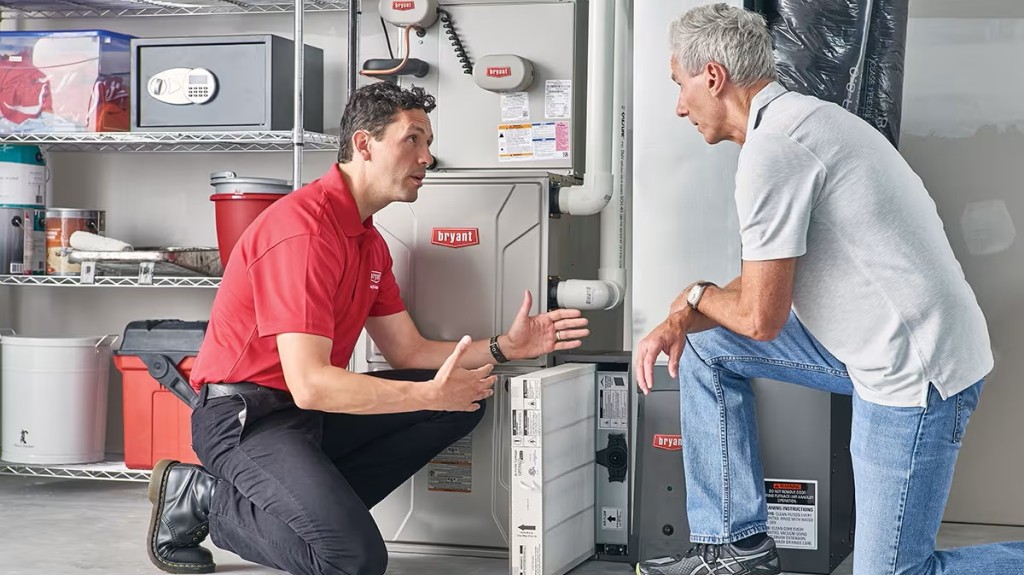
Your furnace filter plays an important role in capturing airborne particles before they circulate throughout your home. Depending on the filter type and efficiency, it can help trap:
- Dust and other airborne particles.
- Pollen and seasonal allergens.
- Pet dander and hair.
- Other particles circulating through your HVAC system.
When a filter becomes clogged, it can restrict airflow and make your heating and cooling system work harder to circulate air. Filters that are not designed to capture smaller particles may also allow more airborne contaminants to pass through.
Choosing the appropriate filter is important. Higher-efficiency filters can capture smaller particles, but not every HVAC system is designed to accommodate them. Selecting a filter with the correct MERV rating helps balance filtration performance with your system's airflow requirements.
Poor Ventilation and Stale Indoor Air
Modern homes are often built with tighter building envelopes to improve energy efficiency. While this helps reduce heat loss, it can also limit the natural exchange of indoor and outdoor air, allowing airborne pollutants to accumulate.
Common sources of indoor air contaminants include:
- Cooking activities that release smoke, grease particles, and odours.
- Cleaning products and household chemicals that release airborne compounds.
- Everyday activities that introduce moisture into the air.
- Odours, dust, and other contaminants that build up when fresh air circulation is limited.
Opening windows can help introduce fresh air, but it isn't always practical during cold Kitchener-Waterloo winters. Mechanical ventilation systems, such as Heat Recovery Ventilators (HRVs) and Energy Recovery Ventilators (ERVs), provide a more consistent way to exchange stale indoor air with fresh outdoor air while recovering energy from the outgoing air.
Imbalanced Indoor Humidity
Maintaining appropriate indoor humidity is important for both home comfort and indoor air quality. Humidity levels that are too low or too high can create different problems.
When indoor air is too dry, homeowners may experience:
- Dry skin, irritated nasal passages, and general discomfort.
- A dry throat and increased irritation.
- More frequent static electricity.
- Excessive drying that can affect wood flooring, furniture, and other wood surfaces.
When indoor humidity is too high, potential problems include:
- Condensation forming on windows and other cool surfaces.
- Conditions that encourage mould growth.
- Persistent musty odours.
- Increased dust mite activity.
Balanced humidity helps create a more comfortable indoor environment while reducing conditions that can contribute to moisture-related problems. Whole-home humidifiers and proper ventilation can help manage humidity levels as part of an overall indoor air quality strategy.
VOCs and Other Airborne Contaminants
Volatile organic compounds (VOCs) are gases released by certain household products and materials. These compounds can enter the air during everyday activities and contribute to indoor air pollution.
Common household sources of VOCs include:
- Paints, stains, and wood finishes.
- Cleaning products, disinfectants, and air fresheners.
- Furniture, carpeting, and certain building materials.
- Adhesives, solvents, and other household chemicals.
Other airborne contaminants can also affect indoor air quality, including pet dander, pollen, smoke, and fine dust. Some particles can circulate through your HVAC system, while gases and chemical vapours may require different approaches to manage.
This is why filtration and ventilation work best as complementary parts of an indoor air quality strategy. Air filters help capture airborne particles, while proper ventilation helps remove stale indoor air and dilute the concentration of certain indoor pollutants.
2. Five HVAC Solutions That Can Improve Home Air Quality
Improving indoor air quality often requires more than a standard furnace filter. Different HVAC technologies address different concerns, including airborne particles, poor ventilation, dry air, and certain microorganisms. The right combination depends on your home's existing equipment, indoor conditions, and specific air quality concerns.
Here are five HVAC solutions that can help Kitchener-Waterloo homeowners create a cleaner, more comfortable indoor environment.
Which Indoor Air Quality Solution Does Your Home Need?
Different HVAC technologies address different indoor air quality concerns. Compare the options to understand how each can help improve your home's air.
High-Efficiency Air Filters
Dust, pollen, pet dander, and other airborne particles.
Captures more airborne particles as air circulates through your HVAC system.
HRV and ERV Systems
Stale indoor air, poor ventilation, and the buildup of indoor pollutants.
Exchanges stale indoor air with fresh outdoor air while recovering energy.
Whole-Home Humidifiers
Excessively dry indoor air, static electricity, and winter discomfort.
Adds moisture throughout your home to help maintain comfortable humidity levels.
UV Air Purifiers
Certain airborne microorganisms, including bacteria, viruses, and mould spores.
Uses UV-C light to help inactivate susceptible microorganisms within HVAC systems.
Integrated Indoor Air Quality Solutions
Multiple indoor air quality concerns, such as dust, poor ventilation, dry air, and airborne contaminants.
Combines compatible HVAC technologies to address several indoor air quality needs throughout your home.
Not sure which solution is right for your home? The best approach depends on your specific air quality concerns, existing HVAC equipment, and home conditions. Some homes benefit from combining multiple technologies.
High-Efficiency Air Filters for Better Particle Removal
High-efficiency furnace filters capture airborne particles as air circulates through your heating and cooling system. Compared with standard filters, higher-efficiency options can trap smaller particles, helping reduce the amount of dust, pollen, pet dander, and other airborne contaminants circulating throughout your home.
Understanding MERV Ratings
MERV (Minimum Efficiency Reporting Value) ratings indicate how effectively an air filter captures particles of different sizes. Generally, a higher MERV rating means the filter can capture smaller particles more efficiently.
- Standard furnace filters: Basic filters typically capture larger particles, helping protect HVAC equipment from dust and debris.
- Higher-efficiency filters: These filters capture a greater percentage of smaller airborne particles, including certain types of pollen, dust, and pet dander.
- Filter compatibility: Higher-rated filters can create additional airflow resistance. Your HVAC system must be capable of accommodating the selected filter without compromising performance.
Regular filter inspections and replacements are also important. A clogged filter can restrict airflow, reduce system efficiency, and affect heating and cooling performance.
If you're considering upgrading your furnace filter, Generations Heating & Air Conditioning can help you determine which filtration options are compatible with your existing HVAC equipment.
HRV and ERV Systems for Better Home Ventilation
Heat Recovery Ventilators (HRVs) and Energy Recovery Ventilators (ERVs) improve indoor ventilation by exchanging stale indoor air with fresh outdoor air. Unlike simply opening a window, these systems recover energy from outgoing air to help reduce the heating or cooling demands associated with ventilation.
What Is the Difference Between an HRV and an ERV?
Both systems exchange indoor and outdoor air, but they handle moisture differently:
- Heat Recovery Ventilators (HRVs): Transfer heat from outgoing indoor air to incoming outdoor air without intentionally transferring moisture.
- Energy Recovery Ventilators (ERVs): Transfer both heat and some moisture between incoming and outgoing air, helping manage indoor humidity.
These systems can be particularly beneficial in tightly sealed, energy-efficient homes where natural air exchange is limited. They help reduce the buildup of stale air, indoor odours, and certain airborne pollutants by providing a consistent supply of fresh outdoor air.
Proper installation and system sizing are important to ensure adequate ventilation without creating unnecessary energy losses or humidity problems.
If your home frequently feels stuffy or has persistent cooking odours despite regular cleaning, an HRV or ERV system may be worth considering. Generations can help you explore which ventilation solution is appropriate for your home's layout and HVAC requirements.
Whole-Home Humidifiers for Better Winter Comfort
Furnace operation during cold Ontario winters can contribute to uncomfortable indoor dryness. A whole-home humidifier helps maintain more consistent humidity levels by adding moisture to the air as it circulates through your HVAC system.
Unlike portable humidifiers that treat individual rooms, whole-home systems connect to your heating equipment and distribute moisture through the existing ductwork.
Benefits of a Whole-Home Humidifier
A properly installed and maintained humidifier can help:
- Reduce discomfort associated with excessively dry air, including dry skin and irritated nasal passages.
- Minimize static electricity during the heating season.
- Improve indoor comfort when outdoor temperatures drop.
- Help protect wood flooring, furniture, and other furnishings from excessive dryness.
Whole-Home vs. Portable Humidifiers
Portable humidifiers require regular refilling and cleaning and generally provide moisture to a limited area. Whole-home systems offer more consistent humidity control throughout the house and typically require less daily attention.
Humidity settings should be adjusted according to outdoor temperatures and indoor conditions. Excessive humidity can contribute to window condensation and moisture-related problems, so maintaining appropriate levels is important.
If you're constantly refilling portable humidifiers or struggling with dry indoor air during winter, Generations can help you determine whether a whole-home humidifier is a practical addition to your HVAC system.
UV Air Purifiers for Additional Airborne Contaminant Control
UV air purifiers use ultraviolet-C (UV-C) light to help inactivate certain microorganisms, including bacteria, viruses, and mould spores. When properly designed and installed within an HVAC system, UV technology can provide an additional layer of air treatment.
How UV Air Purification Works
UV-C light damages the genetic material of susceptible microorganisms, preventing them from reproducing. Depending on the system design and application, UV lamps may be installed near HVAC coils or within designated air treatment sections of the ductwork.
UV air treatment differs from conventional filtration:
- Air filters: Physically capture airborne particles such as dust, pollen, and pet dander.
- UV air purifiers: Use ultraviolet light to inactivate certain microorganisms rather than physically removing particles from the air.
UV systems do not replace furnace filters or proper ventilation. Their effectiveness depends on factors such as UV intensity, exposure time, airflow, and installation location.
Professional installation is important to ensure the system is appropriately positioned and operates safely. Homeowners interested in additional air treatment beyond conventional filtration can ask Generations whether a UV air purifier is suitable for their existing HVAC equipment.
Integrated Indoor Air Quality Solutions
No single HVAC product addresses every indoor air quality concern. A furnace filter may capture airborne particles, for example, but it won't correct poor ventilation or maintain comfortable humidity levels.
Combining different technologies can provide a more comprehensive approach to improving home air quality.
How Different HVAC Solutions Work Together
Different HVAC solutions improve indoor air quality in different ways. Some capture airborne particles, while others improve ventilation, manage humidity, or help treat certain microorganisms.
| HVAC Solution | How It Helps Improve Indoor Air Quality |
|---|---|
| High-Efficiency Air Filters | Capture dust, pollen, pet dander, and other airborne particles as air moves through your heating and cooling system. |
| HRV and ERV Systems | Bring fresh outdoor air into your home while removing stale indoor air and recovering energy. |
| Whole-Home Humidifiers | Add moisture to dry indoor air to help maintain comfortable humidity levels. |
| UV Air Purifiers | Use ultraviolet light to help inactivate certain bacteria, viruses, and other susceptible microorganisms within your HVAC system. |
Which combination is right for your home? The best approach depends on your home's specific conditions and indoor air quality concerns. Some homeowners may primarily need better air filtration, while others may benefit from improved ventilation, humidity control, or additional air treatment. An HVAC professional can help determine which solutions are appropriate for your home.
3. How to Know If Your Home Needs Better Indoor Air Quality Solutions
Indoor air quality problems are not always obvious, but certain signs may indicate that your home's filtration, ventilation, or humidity levels need attention. If you regularly experience any of the following issues, it may be worth investigating your indoor air quality.
Common warning signs include:
- Dust accumulates quickly:
If surfaces become dusty shortly after cleaning, airborne particles may be circulating throughout your home. - Persistent allergy-like symptoms:
Family members who frequently experience sneezing, nasal irritation, or other allergy-like symptoms indoors may be reacting to airborne allergens or irritants. - Excessively dry indoor air:
Dry skin, irritated nasal passages, static electricity, and general discomfort during winter may indicate that indoor humidity is too low. - Frequent window condensation:
Moisture collecting on windows can indicate excessive indoor humidity or inadequate ventilation, particularly during colder months. - Persistent household odours:
Cooking smells, pet odours, or musty smells that linger may indicate insufficient ventilation or other indoor air quality concerns. - Stuffy indoor air:
If your home feels stale or stuffy even when the heating or cooling system is running, fresh air circulation may be inadequate. - Uneven comfort between rooms:
Noticeable differences in temperature or comfort throughout your home may point to airflow or HVAC distribution issues that deserve further investigation.
These symptoms can have several possible causes, and they do not necessarily indicate a single indoor air quality problem. An HVAC assessment can help identify potential filtration, ventilation, humidity, or airflow issues and determine which improvements may be appropriate for your home.
4. Which Indoor Air Quality Solution Is Right for Your Home?
Choosing the right indoor air quality solution depends on the problems you're experiencing in your home. Whether you're dealing with excessive dust, poor ventilation, dry winter air, or concerns about airborne contaminants, different HVAC technologies address different needs. Understanding which solutions target specific problems can help you make an informed decision and avoid investing in equipment that doesn't address your primary concerns.
Match Your Indoor Air Quality Concerns to the Right HVAC Solution
Use this quick comparison to identify which HVAC technologies may help address your home's specific air quality concerns.
| Your Home's Air Quality Concern | Potential HVAC Solution |
|---|---|
| Dust, pollen, and pet dander | High-efficiency air filtration Captures airborne particles circulating through your HVAC system. |
| Stale air and poor ventilation | HRV or ERV system Exchanges stale indoor air with fresh outdoor air while recovering energy. |
| Dry air during winter | Whole-home humidifier Adds moisture to help maintain comfortable indoor humidity levels. |
| Certain airborne microorganisms | UV air purifier Uses UV-C light to help inactivate certain bacteria, viruses, and mould spores. |
| Multiple indoor air quality concerns | Integrated HVAC air quality solutions Combines complementary technologies to address different indoor air quality needs. |
Dust, pollen, and pet dander
↓ Potential SolutionHigh-Efficiency Air Filtration
Captures airborne particles circulating through your HVAC system.
Stale air and poor ventilation
↓ Potential SolutionHRV or ERV System
Exchanges stale indoor air with fresh outdoor air while recovering energy.
Dry air during winter
↓ Potential SolutionWhole-Home Humidifier
Adds moisture to help maintain comfortable indoor humidity levels.
Certain airborne microorganisms
↓ Potential SolutionUV Air Purifier
Uses UV-C light to help inactivate certain bacteria, viruses, and mould spores.
Multiple indoor air quality concerns
↓ Potential SolutionIntegrated HVAC Air Quality Solutions
Combines complementary technologies to address different indoor air quality needs.
Choosing the right solution starts with understanding your home. The most appropriate HVAC equipment depends on your existing heating and cooling system, ventilation, humidity levels, and specific air quality concerns. An assessment can help determine which improvements are most suitable for your home.
5. Why Kitchener-Waterloo Homeowners Shouldn't Overlook Indoor Air Quality
Kitchener-Waterloo's changing seasons create different indoor air quality challenges throughout the year. From freezing winter temperatures to humid summer weather and seasonal pollen, local homeowners need to consider how outdoor conditions affect their indoor environment.
Several local factors make indoor air quality particularly important:
- Cold Ontario winters:
During extended periods of freezing temperatures, you tend to keep your windows and doors closed. This reduces natural air exchange and makes properly designed ventilation especially important. - Heating season dryness:
Ontario's cold winter air contains relatively little moisture. When outdoor air enters your home and is heated, indoor relative humidity can drop, making an already dry environment feel even less comfortable. - Seasonal allergens:
Spring and summer bring pollen from trees, grasses, and other plants throughout the Waterloo Region. These allergens can enter homes through open windows, doors, and ventilation systems, making seasonal air quality management important for allergy-sensitive households. - Modern home construction:
Many newer homes are designed to minimize air leakage and improve energy efficiency. While this helps reduce heating and cooling demands, it also makes properly designed mechanical ventilation important for maintaining adequate fresh air exchange. - Year-round comfort:
Indoor air quality is not exclusively a winter concern. Seasonal allergens, summer humidity, household pollutants, and ventilation needs can affect your home throughout the year.
Because local weather and household conditions change with the seasons, improving indoor air quality requires more than a one-time fix. The right combination of HVAC equipment, filtration, ventilation, and humidity control can help Kitchener-Waterloo homeowners maintain a more comfortable indoor environment year-round.
6. Frequently Asked Questions About Indoor Air Quality
Have questions about improving the air inside your home? Find answers to common indoor air quality questions from Kitchener-Waterloo homeowners.
1. How can I improve indoor air quality in my Kitchener home?
Improving indoor air quality starts with addressing the main sources of airborne pollutants and maintaining a healthy indoor environment. Homeowners can take several steps, including:
- Replacing furnace filters regularly and choosing an appropriate high-efficiency filter.
- Improving ventilation with an HRV or ERV system to bring fresh outdoor air into the home.
- Managing indoor humidity with a whole-home humidifier when needed.
- Scheduling regular HVAC maintenance to help keep heating and ventilation equipment operating properly.
- Reducing pollutant sources by limiting strong chemical cleaners, fragrances, and other products that release airborne compounds.
The best approach depends on your home's existing HVAC equipment, ventilation, and specific air quality concerns.
2. What is the best HVAC system for improving indoor air quality?
There isn't one HVAC system or product that addresses every indoor air quality concern. The right solution depends on what you want to improve in your home.
- Airborne particles: High-efficiency filtration can capture dust, pollen, and other particles circulating through your HVAC system.
- Poor ventilation: An HRV or ERV system can help exchange stale indoor air with fresh outdoor air.
- Dry indoor air: A whole-home humidifier can help maintain more comfortable humidity levels.
- Certain microorganisms: A properly selected UV air purifier can help inactivate susceptible microorganisms within the HVAC system.
A combination of solutions may be appropriate when a home has several indoor air quality concerns.
3. Do high-efficiency furnace filters help with allergies?
Yes. An appropriately selected high-efficiency furnace filter can capture airborne particles such as pollen, dust, and some pet dander as air circulates through your HVAC system. This can help reduce the amount of these particles circulating indoors.
However, not every furnace can accommodate every filter. Higher-efficiency filters can restrict airflow if they are not compatible with the equipment. Check your furnace manufacturer's recommendations or consult an HVAC professional before upgrading your filter.
4. What is the difference between an HRV and an ERV system?
Both heat recovery ventilators (HRVs) and energy recovery ventilators (ERVs) exchange stale indoor air with fresh outdoor air while recovering energy from the outgoing air.
The main difference is how they transfer moisture:
- HRV: Transfers heat between incoming and outgoing air but does not transfer moisture in the same way as an ERV.
- ERV: Transfers both heat and some moisture, helping moderate humidity transfer between indoor and outdoor air.
The right option depends on your home's humidity levels, ventilation requirements, construction, and existing HVAC equipment. An HVAC professional can help determine which system is appropriate.
5. Does a whole-home humidifier improve indoor air quality?
A whole-home humidifier can improve indoor comfort by adding moisture to dry air during the heating season. Maintaining appropriate indoor humidity can help reduce discomfort associated with excessively dry conditions, including dry skin, irritated nasal passages, and static electricity.
However, a humidifier does not remove dust, pollen, chemicals, or other airborne pollutants. It should be considered part of a broader indoor air quality approach rather than a replacement for proper filtration and ventilation. Humidity levels should also be managed carefully to avoid excess moisture and condensation.
6. How often should I replace my furnace filter to maintain good indoor air quality?
Furnace filter replacement frequency depends on the filter type, household conditions, and how often your heating and cooling system operates. Some standard filters may need replacement every one to three months, while certain high-efficiency filters are designed to last longer.
You may need to check and replace your filter more frequently if you have pets, multiple occupants, renovation activity, or significant dust in your home.
Always follow the filter manufacturer's instructions and your furnace manufacturer's recommendations. Checking your filter regularly helps prevent excessive buildup that can restrict airflow and affect system performance.
7. How much does it cost to improve the air quality in your home?
The cost of improving indoor air quality depends on the type of equipment you need, your home's size, your existing HVAC system, and the complexity of installation. Some improvements are relatively affordable, while larger ventilation or whole-home air treatment systems require a greater investment.
As a general guide, homeowners may encounter the following approximate costs in Canadian dollars:
- High-efficiency air filtration: Approximately $20–$100 or more for replacement filters, depending on the type and size. Installing a whole-home media filter cabinet or upgraded filtration system may cost approximately $300–$1,500 or more.
- HRV or ERV systems: Approximately $2,250–$7,500 or more installed, depending on the unit, existing ductwork, and whether additional ventilation ductwork is required.
- Whole-home humidifiers: Approximately $500–$3,000 installed. Basic bypass or fan-powered models are generally less expensive than higher-capacity steam humidifiers.
- UV air purification systems: Approximately $350–$1,700 or more installed, depending on the equipment, system design, and installation requirements.
These are broad estimates rather than fixed prices or a quote for your home. Actual costs can vary based on equipment brand and capacity, the size and layout of your home, compatibility with your existing furnace and ductwork, electrical or plumbing modifications, labour, and other installation requirements. Prices can also change over time, and applicable taxes may be additional.
You may not need every solution listed above. The most cost-effective approach is to identify your home's main indoor air quality concerns first and choose equipment that addresses those specific needs. Generations Heating & Air Conditioning can help you explore suitable options and provide a more accurate estimate based on your home and existing HVAC system.
Still have questions about your home's indoor air quality? Generations Heating & Air Conditioning can help you explore practical HVAC solutions for your home.
Improve Your Indoor Air Quality with Generations Heating & Air Conditioning
Your home's indoor air quality plays an important role in everyday comfort. Generations Heating & Air Conditioning understands the heating, cooling, and ventilation needs of Kitchener-Waterloo homes and can help you explore practical ways to address common air quality concerns.
Professional guidance can help you focus on improvements that address your specific concerns rather than investing in equipment that may not solve the underlying problem. Talk to Generations about your home's indoor air quality and find out which HVAC improvements may make the biggest difference.
Breathe More Comfortably with Better Indoor Air Quality
If you're concerned about the air inside your home, take the next step toward a more comfortable indoor environment.
Improve My Home's Air Quality →
Reasons to Choose Generations:
If it's the comfort of your house that you're concerned about, you want to work with a company you can trust. At Generations Heating & Air Conditioning, we pride ourselves on offering professional advice, honest service, and dependable help from start to finish.
Local Experts Serving Kitchener and Beyond
We know Kitchener's weather and home styles inside and out. Our recommendations are based on hands-on experience here, not guesswork.
Friendly, Knowledgeable Technicians
Our service pros are highly trained technicians who care about you and your home. We take the time to clearly explain your options and answer your questions so that you feel confident making every decision.
No Pushy Sales Tricks, Just Honest Advice
You'll never be pressured into buying something you don't need. We prioritize what's best for you and your home, not what's easiest to sell.
Start-to-Finish Service
From the moment you receive your quote to long after your new system is installed, we're with you. Expect clear communication, tidy work, and follow-up service you can trust.
Ready to experience the Generations difference? Book a free consultation today and get the best home comfort for your needs and budget.

What Our Customers Are Saying...
"We trust Generations to maintain our HVAC system. Their service is prompt, professional, and friendly. They are also very genuine when it comes to purchases, explaining the pros and cons of each model, with zero pressure/upselling.
If you’re looking for an honest, reliable HVAC company that genuinely cares about its customers, then Generations fits the bill."
-Michele A.
"Scott and his team provided excellent service when our furnace unexpectedly quit in the very cold days of February. Excellent communication through the entire process put our minds at ease knowing we would be looked after! We would highly recommend Generations for both their service and new installations!"
-Gavin Albrecht
"Generations is my go-to for furnace and air conditioning maintenance and repairs. Recently Rob and the Co-op student came to my house for my furnace’s yearly maintenance checkup. They interacted with me in a friendly and respectful manner, communicating clearly as they told me about my furnace and answered my questions. Scott is always friendly when I call to set up my appointments. I find their prices to be fair. If you need help with heating or cooling, I recommend that you call Generations."
-Elain Mason