Water Heater Leaking? Troubleshooting Guide for Quick Fixes and When to Call a Pro
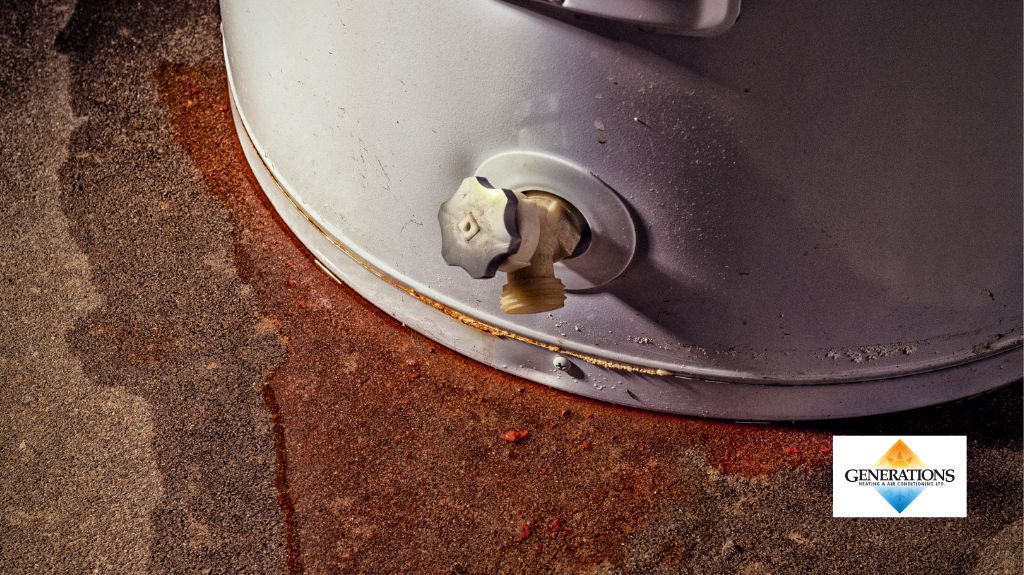
A water heater leaking is one of those home problems that can go from minor to major in a hurry. A small puddle near the tank might not seem urgent at first, but leaks often signal bigger issues that can lead to water damage, electrical hazards, or a complete system failure. The good news is that there are a few safe, simple checks you can do to understand what’s happening without attempting any repairs yourself. In this guide, we’ll walk you through the most common causes of water heater leaks, what you can quickly look for, and when it’s time to call a licensed professional for water heater repair or emergency service in Kitchener-Waterloo.
- Step 1: Stay Safe First (Before You Troubleshoot)
- Step 2: Is It Actually the Water Heater Leaking?
- Step 3: Common Places a Water Heater Leaks From
- Step 4: Is Your Water Heater Electric? Do These Basic Checks
- Step 5: When a Water Heater Leak Is an Emergency
- Step 6: What a Professional Water Heater Repair Technician Will Do
If your water heater is leaking, don’t wait. Contact Generations Heating & Air Conditioning for fast, professional water heater repair and emergency service you can trust in the Kitchener-Waterloo area.
Key Takeaways
- A water heater leaking can signal serious issues and should never be ignored.
- Safety comes first: turn off power or gas, shut off the water supply, and avoid touching pooled water.
- Not all leaks come from the tank—check nearby plumbing, drain pans, and appliances to identify the source.
- Common leak points include water connections, T&P relief valves, drain valves, and internal tank corrosion.
- Electric water heater owners can do basic checks like confirming the unit is plugged in and breakers haven’t tripped, but never attempt electrical repairs yourself.
- Signs of an emergency leak include rapid flooding, water near electrical panels, gas smells, or loss of hot water combined with leaking.
- DIY repairs are risky and can cause electrical shock, gas hazards, flooding, or void warranties.
- Licensed technicians provide proper diagnosis, repairs or replacements, and code-compliant safety checks.
- Regular professional maintenance, including flushing sediment and inspecting aging units, helps prevent future leaks and saves money long-term.
- For reliable water heater repair and emergency service in Kitchener-Waterloo, contact Generations Heating & Air Conditioning.
Step 1: Stay Safe First (Before You Troubleshoot)
Before you look for the cause of a water heater leaking, safety must come first. Water heaters combine water, electricity, and sometimes natural gas, which means even a small leak can create serious hazards if handled incorrectly.
Why Safety Matters
A leaking water heater is not just a plumbing issue, it can also be an electrical or gas safety risk. Water near live electrical components can cause shock or fire hazards, while gas-powered units can pose risks if valves or connections are disturbed. Taking the right safety steps right away helps protect you, your home, and your family.
What to Do Immediately
As soon as you notice water around your water heater, take the following steps to reduce risk before doing any further checks.
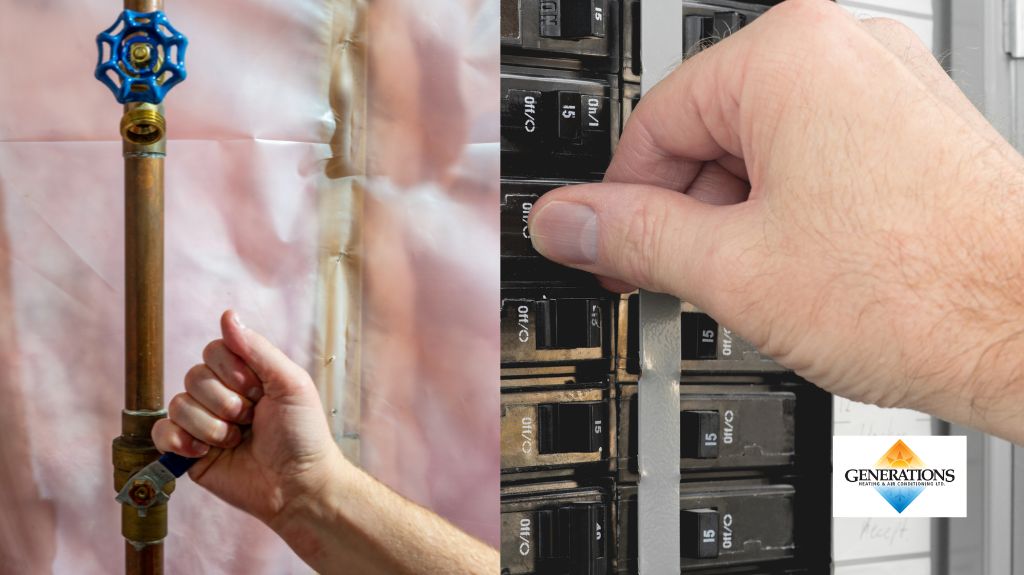
- Turn off the power to the water heater at the breaker if it is an electric unit, or turn the gas control valve to the “off” position if it is gas-powered.
- Shut off the cold water supply valve to prevent more water from entering the tank and worsening the leak.
- Avoid touching or stepping in pooled water, especially if it is near electrical panels, wiring, or the base of the unit.
These steps are meant to stabilize the situation, not fix the problem. They help limit damage and keep conditions safe until the issue can be properly diagnosed.
Do Not Attempt Repairs Yourself
It is important to be clear that you should not attempt to repair a leaking water heater on your own. Water heater repairs involve specialized tools, electrical components, pressurized systems, and gas connections that should only be handled by a licensed technician. Attempting repairs yourself can lead to injury, property damage, or more costly repairs later.
Once the area is safe, you can move on to simple visual checks to identify where the leak may be coming from and determine when to call a professional for water heater repair or emergency service.
Step 2: Is It Actually the Water Heater Leaking?
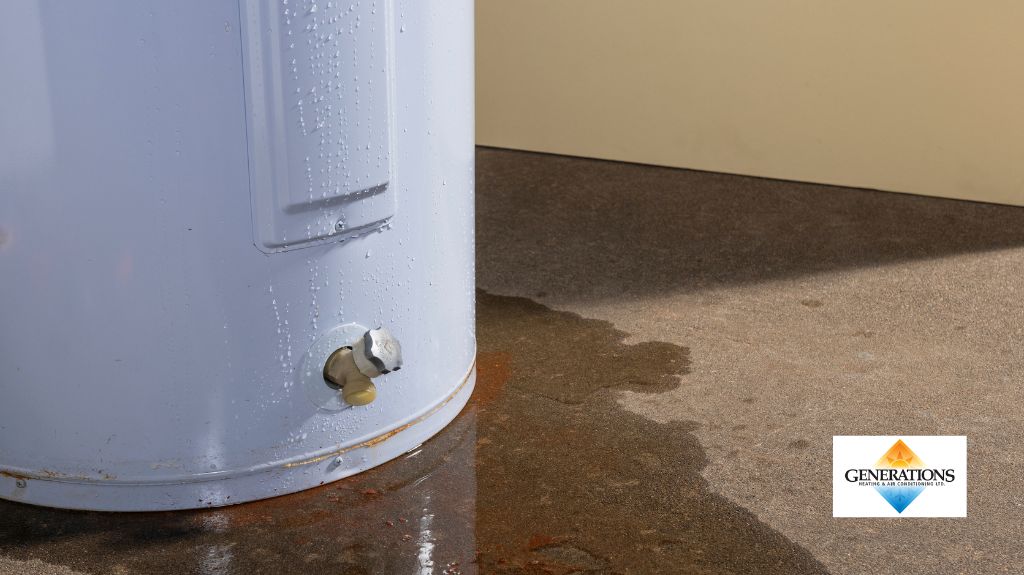
Not every puddle near your water heater comes from the tank itself. Sometimes water can appear to be leaking from the heater, but it may actually be coming from nearby plumbing lines, drain pans, or even appliances like humidifiers. Before calling for water heater repair, it’s important to confirm the source of the leak so the right solution can be applied.
Quick Checks You Can Safely Do
You can perform a few simple, safe observations to determine whether the water is truly coming from the water heater:
- Look closely at the tank to distinguish between condensation on the outside and an actual leak. Condensation may appear as dripping water but usually isn’t a cause for alarm.
- Inspect nearby plumbing lines for loose fittings or signs of corrosion that could be producing the water.
- Check the drain pan under the heater to see if it is collecting overflow from the tank or another source.
- Examine other nearby appliances, such as humidifiers, washing machines, or water softeners, that could be leaking and creating the puddle.
These checks help you narrow down the origin of the water and provide accurate information when you contact a licensed professional. Knowing exactly where the leak is coming from can save time, prevent unnecessary repairs, and ensure that emergency water heater service addresses the real problem.
Step 3: Common Places a Water Heater Leaks From
| Leak Source | What to Look For | Recommended Action |
|---|---|---|
| Cold/Hot Water Connections | Drips or corrosion at the pipes connected to the tank | Call a licensed technician; do not tighten or replace fittings yourself |
| Temperature & Pressure (T&P) Relief Valve | Dripping from the valve or discharge pipe | Have a professional test and replace if necessary; never cap or ignore it |
| Drain Valve | Water pooling at the bottom of the tank | Technician should inspect for valve wear or tank corrosion |
| Internal Tank Corrosion | Rust-colored water or leaks from tank body | Replacement is usually required; never attempt DIY repair |
If your water heater is leaking, it usually comes from one of several common areas. Understanding where leaks typically occur can help you identify the issue and explain it clearly when contacting a licensed technician.
1. Loose or Leaking Cold/Hot Water Connections
The most common source of leaks is often the pipes connected to your water heater.
- You can visually inspect the cold and hot water connections at the top of the tank for water buildup, dripping, or corrosion.
- Even if you notice a small leak at a fitting, tightening or replacing the connection yourself is not recommended, as improper handling can cause bigger leaks or damage the tank.
These connections are usually straightforward for a professional to repair safely and correctly.
2. Temperature & Pressure (T&P) Relief Valve
The T&P relief valve is a critical safety feature that prevents excessive pressure from building inside your water heater.
- This valve releases water if the tank gets too hot or pressurized, so dripping can indicate the system is working to protect itself.
- Dripping from the T&P valve is a warning sign, and you should never try to cap it or bypass it yourself, as this can create dangerous pressure buildup.
A licensed technician can test the valve and determine whether it needs replacement or if the leak indicates a deeper problem.
3. Drain Valve at the Bottom of the Tank
The drain valve allows you to flush sediment from the tank but can also become a leak point over time.
- This valve is a common failure point, especially in older water heaters.
- Leaks from the drain valve often indicate internal wear or corrosion inside the tank, which is more than a simple repair can address.
A professional can assess whether the valve itself is failing or if the tank is nearing the end of its lifespan.
4. Internal Tank Corrosion (Most Serious)
Corrosion inside the tank is the most serious cause of a water heater leak.
- Over time, the metal tank can rust from the inside out, eventually causing cracks or holes that allow water to escape.
- Internal tank corrosion usually means replacement is necessary, as attempting to patch a rusted tank is unsafe and unlikely to last.
Recognizing this type of leak early can prevent flooding and property damage, but it always requires professional intervention.
Identifying which part of your water heater is leaking helps your technician diagnose the problem quickly and recommend the safest and most effective repair or replacement option.
Step 4: Is Your Water Heater Electric? Do These Basic Checks
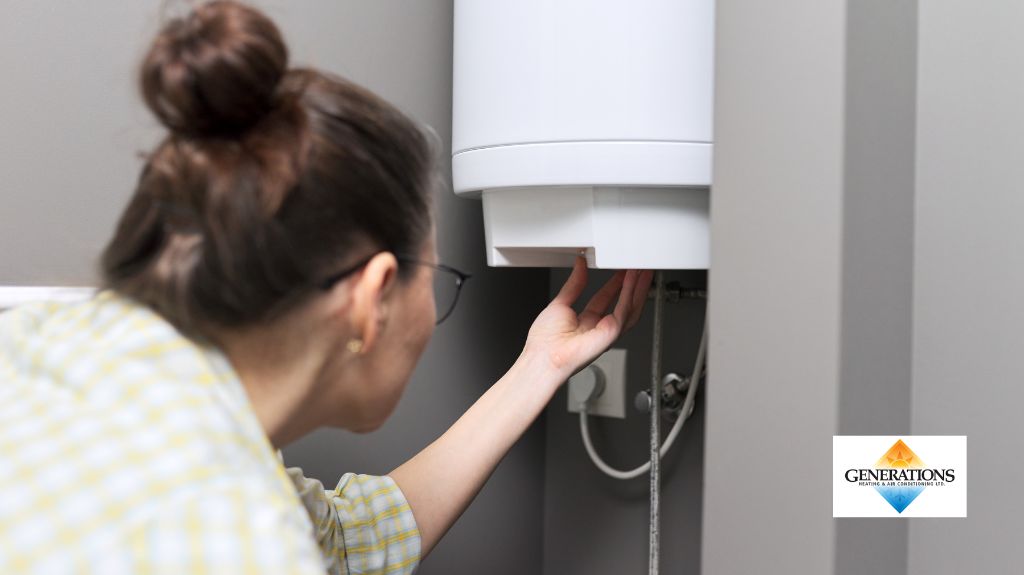
If your water heater is electric, there are a few simple checks you can safely do to help identify potential issues. These are visual or basic checks only. They are not repairs, and you should never attempt to open or fix electrical components yourself.
Quick Electric Water Heater Checks
Start by confirming the most obvious factors before calling a professional:
- Check if the unit is still plugged in and the power cord is secure. Sometimes power can be disconnected accidentally or tripped due to moisture.
- Inspect your home’s circuit breaker to see if it has tripped. Moisture or small leaks can sometimes cause the breaker to shut off for safety.
- Look around the wiring or access panels for any visible water, but do not open panels or touch wiring, as this can be extremely dangerous.
These checks help you determine whether the issue might be related to power or electrical components, but they do not fix the leak itself.
Why You Should Call a Professional
Any combination of water and electricity is a serious safety hazard. If you notice water near wiring, a tripped breaker, or any other electrical concerns with a leaking water heater, contact a licensed technician immediately. A professional can safely diagnose and repair the problem, protecting both your home and your safety.
Step 5: When a Water Heater Leak Is an Emergency
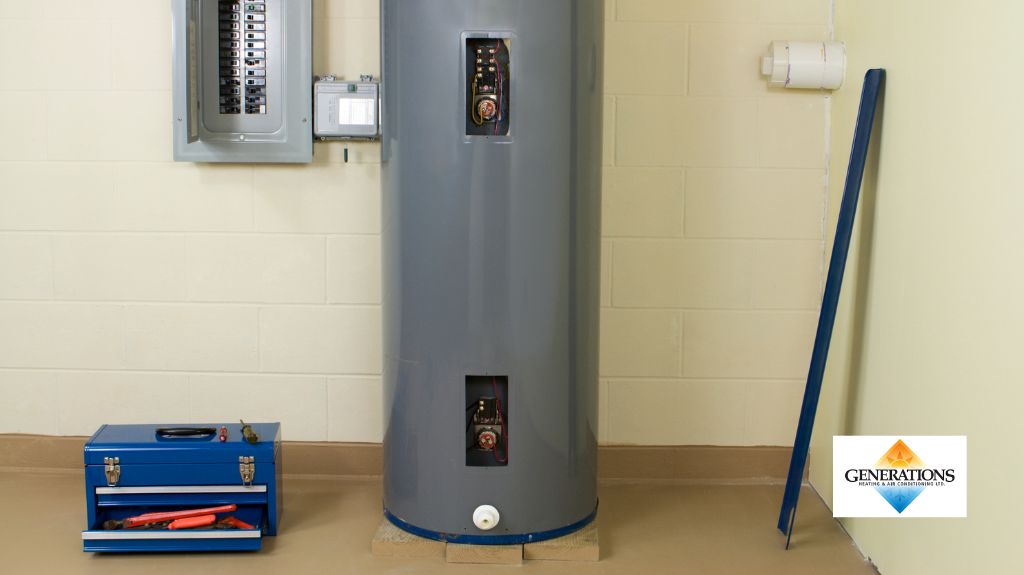
Not all water heater leaks are immediate emergencies, but some signs indicate that you need emergency water heater service right away. Acting quickly can prevent serious damage to your home and protect your family.
Signs You Need Emergency Service
Watch for these warning signs that a water heater leak requires urgent professional attention:
- Rapid leaking or flooding around the water heater, which can quickly damage floors, walls, and belongings.
- Water pooling near electrical panels or outlets, creating a severe risk of electrical shock or fire.
- Any gas smell or hissing near a gas-powered water heater, which could indicate a dangerous gas leak.
- A complete loss of hot water combined with visible leaking, signaling a possible tank rupture or internal failure.
Ignoring these warning signs can lead to costly repairs, extensive water damage, and potential safety hazards that could have been prevented with prompt professional service.
Why You Should Not Attempt Water Heater Repairs Yourself
It is important to understand the serious risks involved in trying to fix a leaking water heater on your own:
- You risk electrical shock if the unit is powered or water comes into contact with wiring.
- Gas leaks or carbon monoxide exposure can occur if you tamper with a gas-powered heater.
- The tank could rupture, causing major flooding and property damage.
- Attempting repairs yourself may void manufacturer warranties and affect insurance coverage.
Licensed technicians have the specialized tools, training, and replacement parts to safely diagnose and fix leaking water heaters. Calling a professional ensures the repair is done correctly, protects your home, and keeps you and your family safe.
Step 6: What a Professional Water Heater Repair Technician Will Do
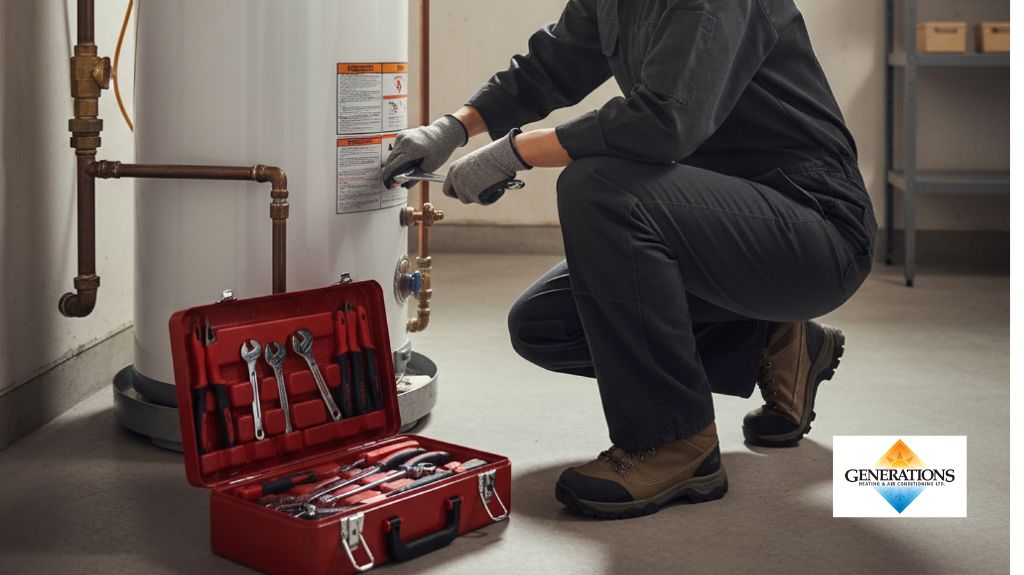
Once you call a licensed technician, they can safely and accurately address a water heater leaking. Professionals have the training and tools to diagnose problems quickly and prevent further damage.
How Professionals Handle Water Heater Leaks
A licensed technician will perform several key steps to ensure your water heater is repaired correctly and safely including the following:
- Conduct a proper leak diagnosis to identify the exact source of the problem.
- Perform pressure testing and inspect the T&P relief valve to ensure it is functioning correctly and safely.
- Provide repair versus replacement recommendations based on the age, condition, and severity of the leak.
- Carry out code-compliant repairs and safety checks to meet local regulations and protect your home from hazards.
These steps ensure that the issue is resolved safely, reducing the risk of further leaks, flooding, or electrical or gas hazards.
Preventing Future Water Heater Leaks
In addition to repairing your current leak, a professional can help prevent future problems:
- Conduct annual inspections to catch minor issues before they become major leaks.
- Flush sediment from the tank, which helps maintain efficiency and extends the life of your water heater.
- Recommend replacing aging units before failure, avoiding emergency situations and costly water damage.
- Show how proactive service saves money long-term by preventing emergency repairs, extending equipment life, and maintaining energy efficiency.
Call the Professionals at Generations Heating & Air Conditioning
If your water heater is leaking, don’t wait. Contact Generations Heating & Air Conditioning for fast, reliable water heater repair and emergency service in the Kitchener-Waterloo area. Their licensed technicians will ensure your home stays safe and your water heater runs efficiently.
Contact Generations Heating & Air Conditioning: For Reliable Water Heater Repair
A water heater leaking may start as a small drip, but it can quickly turn into a serious problem that risks water damage, electrical hazards, or even a complete tank failure. While there are a few safe checks you can perform yourself, most leaks require the expertise of a licensed professional.
Don’t wait until a minor leak becomes an emergency. Contact Generations Heating & Air Conditioning for fast, reliable water heater repair and emergency service in the Kitchener-Waterloo area. Their experienced technicians will diagnose the problem, provide safe, code-compliant solutions, and help prevent future leaks, keeping your home safe and your water heater running efficiently.
More Reasons to Choose Generations:
If it's the comfort of your house that you're concerned about, you want to work with a company you can trust. At Generations Heating & Air Conditioning, we pride ourselves on offering professional advice, honest service, and dependable help from start to finish.
Local Experts Serving Kitchener and Beyond
We know Kitchener's weather and home styles inside and out. Our recommendations are based on hands-on experience here, not guesswork.
Friendly, Knowledgeable Technicians
Our service pros are highly trained technicians who care about you and your home. We take the time to clearly explain your options and answer your questions so that you feel confident making every decision.
No Pushy Sales Tricks, Just Honest Advice
You'll never be pressured into buying something you don't need. We prioritize what's best for you and your home, not what's easiest to sell.
Start-to-Finish Service
From the moment you receive your quote to long after your new system is installed, we're with you. Expect clear communication, tidy work, and follow-up service you can trust.
Ready to experience the Generations difference? Book a free consultation today and get the best home comfort for your needs and budget.

What Our Customers Are Saying...
"Considerate and thorough as always. Happy to recommend Generations. They have been our trusted go-to for over 15 years."
-Neil Macleod