Why Your AC Isn’t Cooling Even on Mild Days: Hidden Issues Most Homeowners Miss
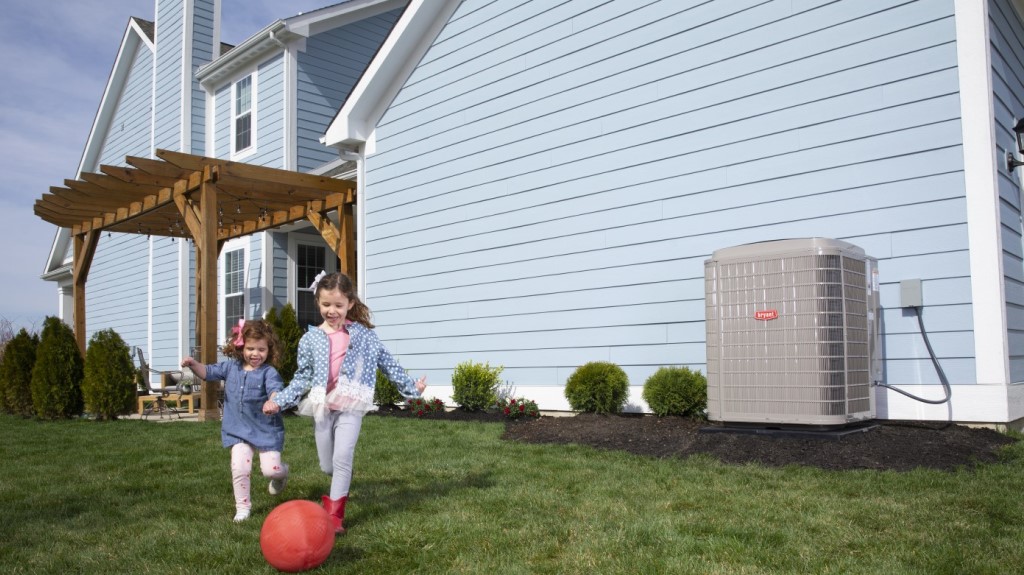
It’s easy to assume your air conditioner will only struggle during extreme heat, but many homeowners notice their AC isn’t cooling properly even on mild days when it should have no trouble keeping the house comfortable. The system may be running, air may be blowing, but the temperature just doesn’t seem to drop the way it used to.
In this article, we’ll walk through the most common reasons your AC isn’t cooling properly, what you can safely check yourself, and when it’s time to call a professional to prevent a bigger and more expensive repair.
- Start With the Basics: Quick Checks You Can Do First
- Thermostat Problems You Might Not Notice
- Restricted Airflow: The Silent Efficiency Killer
- Dirty Coils: A Hidden Cause of Poor Cooling
- Low Refrigerant or Leaks
- Aging or Worn-Out Components
- When Mild Weather Still Causes Problems
- When to Call a Professional HVAC Technician
- Preventative Maintenance: The Best Way to Avoid Cooling Problems
If your AC isn’t cooling and you’re not sure why, contact Generations Heating & Air Conditioning for a professional inspection and reliable solutions.
Key Takeaways: Why Your AC Isn’t Cooling
- An AC that isn’t cooling, even on mild days, often points to hidden or overlooked issues rather than extreme heat.
- Simple homeowner checks like thermostat settings, air filter condition, and vent clearance can solve many common problems.
- Thermostat problems, including miscalibration, poor placement, or aging components, can prevent your AC from cooling efficiently.
- Restricted airflow from dirty filters, blocked ducts, closed vents, or a failing blower reduces cooling performance.
- Dirty evaporator or condenser coils limit heat transfer, making it harder for your system to cool your home.
- Low refrigerant or leaks are serious issues that require a licensed HVAC professional to repair.
- Aging or worn-out components can reduce system efficiency and may make repairs less cost-effective over time.
- Struggling AC during mild weather is a warning sign of reduced efficiency or hidden strain; early detection prevents bigger problems.
- Preventative maintenance, including annual tune-ups, filter changes, and keeping outdoor units clear, improves efficiency, extends lifespan, and catches issues early.
- When problems persist despite basic troubleshooting, call a professional HVAC technician to ensure proper diagnosis and repair.
1. Why a Spring AC Tune-Up Matters
A spring AC tune-up is more than just routine maintenance. It’s an investment in your comfort, your wallet, and the longevity of your system. Taking the time to prepare your air conditioner before the heat arrives can save you from costly repairs and headaches later.
Check Your Thermostat Settings
Your thermostat controls when and how your air conditioner runs, so this is always the first place to check. Incorrect settings or simple thermostat issues can make it seem like your AC isn’t working properly when it actually is.
Start by checking the following thermostat settings and conditions:
- Make sure the thermostat is set to cool, not fan or heat mode.
- Confirm the temperature setting is lower than the current room temperature, so the system will actually turn on.
- Replace the thermostat batteries if your thermostat uses them, because low batteries can cause the system to malfunction or not turn on at all.
After checking your thermostat, wait a few minutes to see if the system starts cooling properly before moving on to the next step.
Inspect Your Air Filter
A clogged air filter is one of the most common reasons an AC isn’t cooling properly. When the filter is dirty, it restricts airflow, which makes it harder for your system to circulate cool air throughout your home and can even cause the system to freeze up or overheat.
Here are a few simple air filter tips every homeowner should follow:
- Check your air filter at least once per month, especially during the cooling season.
- Replace the air filter every 1–3 months, depending on usage, pets, and dust levels in your home.
- If the filter looks grey, dusty, or clogged, it should be replaced immediately.
Keeping your air filter clean is one of the easiest and most effective ways to keep your air conditioner running efficiently.
The following video shows you how to easily change your furnace/AC filter.
Make Sure Vents Aren’t Blocked
Even if your air conditioner is working properly, blocked vents can prevent cool air from circulating through your home. This can make certain rooms feel warm and give the impression that the entire system isn’t cooling.
Walk through your home and check for common airflow obstructions:
- Make sure furniture is not placed directly in front of vents.
- Check that rugs are not covering floor vents.
- Ensure curtains or drapes are not blocking airflow from wall vents.
- Confirm that vents are open and not accidentally closed.
Proper airflow throughout your home is essential for your air conditioner to cool effectively and maintain consistent temperatures.
If these simple fixes don’t solve the problem, the issue may be deeper inside your system.
2. Thermostat Problems You Might Not Notice
When an AC isn’t cooling, many homeowners assume the air conditioner itself is the problem, but sometimes the issue is actually the thermostat. Thermostats can malfunction in subtle ways that cause your system to run at the wrong times, shut off too early, or not cool your home properly even though everything else is working.
Thermostat Miscalibration
One common issue is thermostat miscalibration. This means the thermostat is reading the indoor temperature incorrectly, which causes the air conditioner to behave improperly.
Here are a few signs your thermostat may be miscalibrated:
- The thermostat says the home is at the correct temperature, but the house feels warmer or cooler than the reading.
- The air conditioner turns off before the home actually reaches the set temperature.
- The air conditioner runs for very short cycles and never fully cools the home.
If the thermostat temperature reading is inaccurate, the system will not run long enough to properly cool your home.
Poor Thermostat Placement
The location of your thermostat can also affect how well your air conditioner cools your home. If the thermostat is placed in a poor location, it may read a temperature that does not reflect the rest of the house.
Common thermostat placement problems include the following:
- The thermostat is located in direct sunlight, which makes it think the house is warmer than it is.
- The thermostat is installed near an air vent, causing it to cool down too quickly and shut off the system early.
- The thermostat is near kitchens, appliances, or other heat sources that affect temperature readings.
When the thermostat gets incorrect temperature readings due to placement, your AC may shut off too soon or run when it doesn’t need to.
Aging or Outdated Thermostats
Older thermostats can simply become less accurate over time. Mechanical thermostats and older digital models may lose accuracy, respond slowly, or fail to communicate properly with your HVAC system.
Older thermostats may cause the following issues:
- The temperature reading may drift and become inaccurate over time.
- The system may not turn on or off at the correct times.
- The thermostat may not control newer high-efficiency systems properly.
If your thermostat is more than 10–15 years old, upgrading can often improve comfort and efficiency immediately.
Consider Upgrading Your Thermostat
If you suspect your thermostat may be part of the problem, upgrading to a newer model can make a big difference in comfort and energy efficiency. Programmable and smart thermostats allow better temperature control, scheduling, and more accurate readings, which helps your air conditioning system cool your home more consistently and efficiently.
3. Restricted Airflow: The Silent Efficiency Killer
Airflow is essential for your air conditioner to cool your home effectively. Even if your AC is running perfectly, poor airflow can prevent cool air from circulating, making rooms feel warmer than they should and causing the system to work harder than necessary.
Why Airflow Matters
Airflow carries the cooled air from your system through the ducts and into your living spaces. When airflow is restricted, your home may not reach the desired temperature, and your AC may run longer, increasing energy use and wear on the system. Maintaining proper airflow is crucial for efficiency, comfort, and the longevity of your air conditioner.
Common Causes of Restricted Airflow
There are several reasons your AC may not be delivering air properly. Some of the most common causes include:
- Dirty or clogged air filters:
A blocked filter reduces airflow and makes it harder for your system to cool the home efficiently. - Blocked or leaky ductwork:
Dust buildup, debris, or holes in your ducts can reduce airflow and prevent cool air from reaching certain rooms. - Closed or improperly balanced vents:
If vents are closed or unevenly distributed, some rooms may get too little airflow while others get too much. - Failing blower motor:
The blower is responsible for pushing air through the system. If it is worn or malfunctioning, airflow can be weak or inconsistent.
Checking these factors can help you identify airflow problems and determine whether a simple fix or professional service is needed.
Key takeaway: Even a perfectly functioning AC unit can’t cool your home without proper airflow, making it critical to address restrictions promptly.
Key takeaway: Even a perfectly functioning AC unit can’t cool your home without proper airflow, making it critical to address restrictions promptly.
4. Dirty Coils: A Hidden Cause of Poor Cooling
Even when your air conditioner is running, dirty coils can prevent it from cooling your home effectively. Both the indoor and outdoor coils play a critical role in the heat transfer process, and when they get clogged with dirt or debris, your AC’s efficiency and performance suffer.
Evaporator Coils (Indoor)
The evaporator coils are located inside your air handler or furnace and are responsible for absorbing heat from your home. When these coils become coated with dust, dirt, or grime, they can’t absorb heat efficiently, which makes your AC work harder and reduces cooling performance.
Common effects of dirty evaporator coils include:
- The AC takes longer to reach the desired temperature.
- Air may feel less cold even when the system is running continuously.
- Frost or ice may form on the coils due to restricted airflow.
Regular maintenance and professional cleaning help keep evaporator coils operating efficiently.
Condenser Coils (Outdoor)
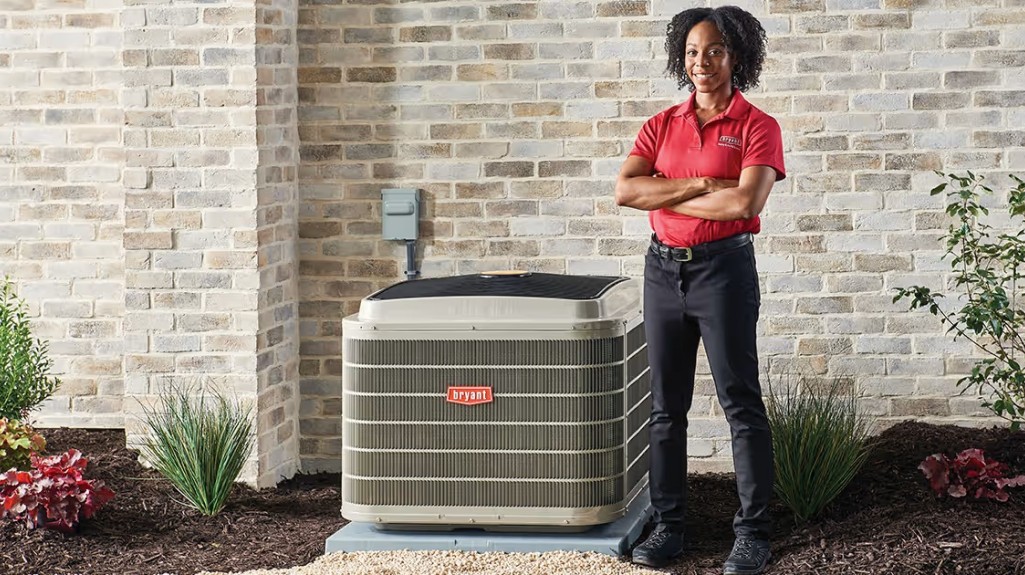
The condenser coils are part of your outdoor unit and are responsible for releasing heat from your home to the outside air. Dirt, leaves, pollen, and other debris can accumulate on these coils, trapping heat and reducing the system’s ability to cool effectively.
Signs that condenser coils may be dirty include:
- The outdoor unit feels unusually hot to the touch.
- The system runs continuously without achieving the set temperature.
- Higher than normal energy bills.
Simple Homeowner Checks
While professional cleaning is recommended for coils, homeowners can perform a few simple checks to help maintain efficiency:
- Visually inspect the outdoor unit for leaves, dirt, or other debris that may block airflow.
- Keep at least 2 feet of clearance around the outdoor unit to ensure proper ventilation.
Keeping both the indoor and outdoor coils clean is essential for maintaining your air conditioner’s cooling performance and preventing unnecessary strain on the system.
5. Low Refrigerant or Leaks
Low refrigerant or a refrigerant leak is a more serious issue that can prevent your air conditioner from cooling properly. Refrigerant is the substance that carries heat from inside your home to the outside, making it essential for your AC to function. Unlike normal wear and tear, low refrigerant almost always indicates a leak that needs professional attention.
Why Refrigerant Levels Matter
Refrigerant allows your system to absorb heat from inside your home and release it outside. When refrigerant levels are too low:
- The air conditioner cannot absorb or release heat effectively.
- Cooling performance drops, even if the system appears to be running normally.
- Components like the compressor can be damaged over time due to strain.
Warning Signs of Low Refrigerant or Leaks
Homeowners should watch for these signs that may indicate a refrigerant problem:
- The AC blows warm or slightly cool air instead of reaching the set temperature.
- Ice buildup on refrigerant lines or the evaporator coil can occur due to restricted flow.
- Hissing or bubbling sounds coming from the indoor or outdoor unit may indicate a refrigerant leak.
Important Safety Note
Handling refrigerant is not safe for homeowners. It is a hazardous substance, and improper handling can damage the system or cause personal injury. Always contact a licensed HVAC professional to inspect, diagnose, and repair refrigerant leaks.
Addressing low refrigerant promptly ensures your AC can cool effectively and prevents more costly damage to your system.
6. Aging or Worn-Out Components
Even if your air conditioner is still running, aging or worn-out components can reduce its ability to cool your home effectively. Over time, normal wear and tear, dust, and environmental factors gradually degrade system performance, making it harder for the AC to maintain consistent temperatures, even on mild days.
Common Aging Issues
Several components can wear down over time and contribute to poor cooling:
- Compressor inefficiency:
The compressor may lose efficiency, making it harder to move refrigerant through the system. - Electrical component wear:
Worn capacitors, relays, or other electrical parts can cause the system to cycle improperly or fail intermittently. - Reduced overall system capacity:
Ducts, coils, and other parts may become less effective due to age, lowering the system’s ability to cool the home consistently.
These issues often develop gradually, so you may notice your AC taking longer to cool your home or struggling even when the weather is mild.
Guidance for Homeowners
- Systems over 10–15 years old may no longer be able to provide efficient cooling, especially if maintenance has been irregular.
- While repairs can sometimes restore performance, frequent or major fixes may become less cost-effective than replacing the system with a newer, more efficient unit.
Monitoring the performance of older systems and scheduling regular professional inspections can help prevent unexpected breakdowns and maintain comfort throughout the year.
7. When Mild Weather Still Causes Problems
Your air conditioner should have no trouble keeping your home comfortable during mild weather. If you notice your AC isn’t cooling properly even when it’s not particularly hot outside, it often points to underlying issues that need attention.
What Mild Weather Problems Reveal
When an AC struggles in mild temperatures, it is usually a sign of hidden problems that could get worse if left unchecked. Common causes include:
- Reduced efficiency:
The system may be losing cooling capacity due to dirty components, clogged filters, or worn-out parts. - Hidden system strain:
Even minor issues like low refrigerant, airflow restrictions, or thermostat problems can make the system work harder than necessary. - Early warning signs of bigger issues:
Problems that seem small now, like inconsistent cooling or higher energy bills, can lead to major breakdowns when temperatures rise.
Why Early Detection Matters
Catching these issues early can save you from costly repairs and uncomfortable home conditions during peak summer heat. Regular inspections, preventive maintenance, and prompt professional attention ensure your AC continues to run efficiently, even before the hottest days arrive.
8. When to Call a Professional HVAC Technician
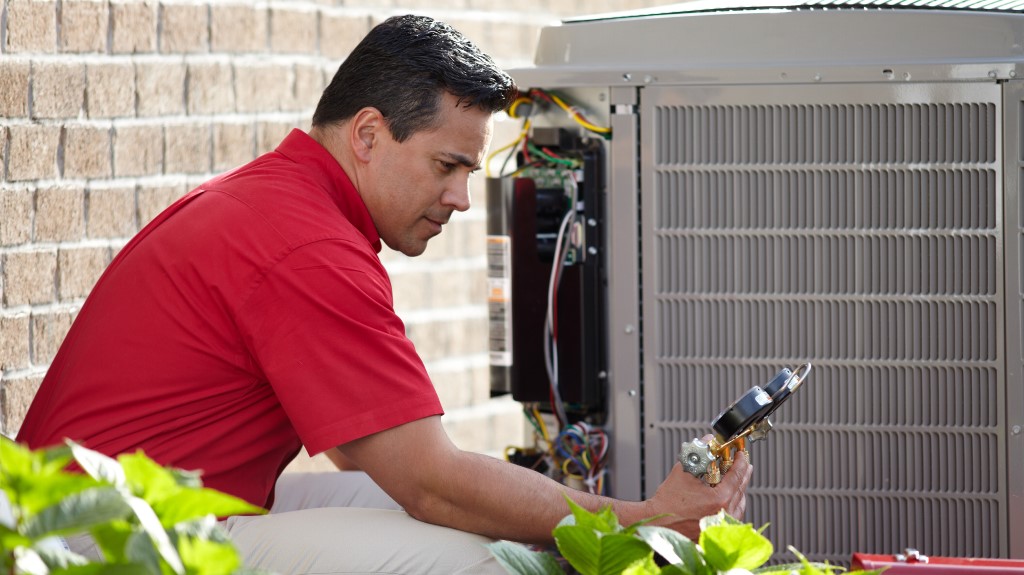
Sometimes, despite your best efforts, your air conditioner still isn’t cooling properly. Knowing when to call a professional is essential to prevent further damage and ensure your home stays comfortable. This section helps you identify clear signs that it’s time to bring in an expert.
Signs You Need Professional Service
If any of the following issues occur, it’s a good indication that your AC requires a licensed HVAC technician:
- Your AC runs constantly but doesn’t cool the home effectively.
- Airflow is weak throughout the house, even with vents open and filters clean.
- You notice ice forming on refrigerant lines, refrigerant leaks, or unusual noises coming from the system.
- Your energy bills are rising without any clear reason.
- Basic troubleshooting; like checking filters, vents, and thermostat settings; didn’t solve the problem.
Why Professional Help Matters
Calling a professional ensures that underlying issues are correctly diagnosed and repaired. Licensed HVAC technicians have the tools and expertise to safely handle refrigerant, clean components, repair worn parts, and restore your system to full efficiency. Acting promptly can save you from more extensive repairs and keep your home comfortable year-round.
9. Preventative Maintenance: The Best Way to Avoid Cooling Problems
Regular maintenance is the most effective way to keep your air conditioner running efficiently and prevent hidden issues from becoming major problems. By taking proactive steps, homeowners can extend the life of their system, improve comfort, and reduce costly repairs.
Benefits of Regular AC Maintenance
Scheduling routine maintenance for your air conditioner provides multiple benefits, including:
- Improves cooling efficiency:
Clean components and proper airflow allow your system to cool your home more effectively. - Extends system lifespan:
Regular upkeep prevents unnecessary strain on key components, helping your AC last longer. - Reduces repair costs:
Identifying small problems early can prevent expensive breakdowns later. - Catches issues early:
Maintenance inspections can detect worn parts, low refrigerant, or airflow restrictions before they become major concerns.
Recommended Preventative Steps
Homeowners can take simple, consistent actions to maintain AC performance, including:
- Schedule an annual AC tune-up, ideally in the spring before the cooling season begins.
- Perform regular air filter changes, checking monthly and replacing as needed.
- Keep outdoor units clean and free of debris, with at least 2 feet of clearance around the unit to ensure proper airflow.
By following these preventative maintenance steps, you can keep your air conditioner running smoothly, avoid unexpected cooling problems, and enjoy consistent comfort throughout the year.
Don’t Ignore the Early Signs: Trust Generations Heating & Air Conditioning
An air conditioner that isn’t cooling properly, even on mild days, is a warning sign that something isn’t working as it should. Small issues, like clogged filters, restricted airflow, or low refrigerant, can quickly turn into costly repairs if left unaddressed. Taking action early can save both time and money while keeping your home comfortable year-round.
If your AC isn’t cooling the way it should, don’t wait to get professional help. Generations Heating & Air Conditioning offers:
- Experienced technicians who can accurately diagnose and fix your AC problems.
- Fast, reliable service to restore comfort quickly.
- Honest recommendations to help you make the best decisions for your home and system.
Whether it’s a simple fix or a deeper issue, our team will get your home cool and comfortable again, before the heat really hits.
Reasons to Choose Generations:
If it's the comfort of your house that you're concerned about, you want to work with a company you can trust. At Generations Heating & Air Conditioning, we pride ourselves on offering professional advice, honest service, and dependable help from start to finish.
Local Experts Serving Kitchener and Beyond
We know Kitchener's weather and home styles inside and out. Our recommendations are based on hands-on experience here, not guesswork.
Friendly, Knowledgeable Technicians
Our service pros are highly trained technicians who care about you and your home. We take the time to clearly explain your options and answer your questions so that you feel confident making every decision.
No Pushy Sales Tricks, Just Honest Advice
You'll never be pressured into buying something you don't need. We prioritize what's best for you and your home, not what's easiest to sell.
Start-to-Finish Service
From the moment you receive your quote to long after your new system is installed, we're with you. Expect clear communication, tidy work, and follow-up service you can trust.
Ready to experience the Generations difference? Book a free consultation today and get the best home comfort for your needs and budget.

What Our Customers Are Saying...
"These guys are top notch. I had an issue of no heat due to my error (humidifier issue) that occurred after hours. They called me back within an hour to problem solve the issue and sent a technician first thing in the morning to ensure all was well. Maintenance performed at a reasonable price. Courteous and professional team. Highly recommend."
-Kris Pryke
"We trust Generations to maintain our HVAC system. Their service is prompt, professional, and friendly. They are also very genuine when it comes to purchases, explaining the pros and cons of each model, with zero pressure/upselling.
If you’re looking for an honest, reliable HVAC company that genuinely cares about its customers, then Generations fits the bill."
-Michele A.
"I would like to express my sincere appreciation for the excellent services provided by Generations Heating to me and my family. I highly recommend their services, as they consistently demonstrate professionalism, and the quality of their work is truly outstanding."
-Jeff Chircop