Text Now Live Help

Generations Heating and Air Conditioning Ltd

  • Heating
    • Furnaces
    • Water Heaters
    • Pool Heaters
    • Ductless Heating
    • Hybrid Heating
    • Fireplaces
    • Heat Pumps
    • HVAC Rebates
  • Cooling
    • Air Conditioners
    • Ductless Cooling
    • Heat Pumps
    • HVAC Rebates
  • Home Services
    • Air Quality
    • Water Softeners
    • Gas Fitting and Piping
  • Products
    • Bryant
    • Payne
    • John Wood Water Heaters
    • Navien Water Heaters
    • Continental
    • Kingsman
  • Reviews
  • Contact
  • Financing

Air Conditioner Repair in Kitchener: Common Problems and Expert Solutions
January 6, 2026 By GenHeatAirAdmin

Air Conditioner Repair in Kitchener: Common Problems and Expert Solutions

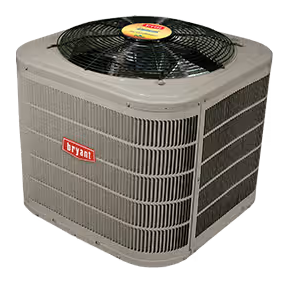
Bryant preferred-2-stage-air-conditioner

A properly functioning air conditioner is essential for staying comfortable during Kitchener’s hot summer months. However, like any complex system, AC units can develop problems over time, from poor cooling and strange noises to leaks and electrical issues. While you can do some minor checks yourself, most air conditioner repairs require professional expertise to ensure safety and prevent further damage. In this post, we’ll explore common air conditioner problems in Kitchener, offer basic troubleshooting tips, and explain when it’s time to contact the experts.

  1. Common Air Conditioner Problems in Kitchener
  2. Troubleshooting vs. Professional Repair
  3. When to Call a Professional
  4. Preventive Maintenance Tips

If your air conditioner is showing any signs of trouble, don’t wait. Contact Generations Heating & AC for fast, reliable air conditioner repair in Kitchener.

Contact Us

Key Takeaways

  • Air conditioners in Kitchener can experience common issues such as poor cooling, strange noises, water leaks, electrical problems, and foul odours.
  • Homeowners can perform basic troubleshooting like checking filters, vents, and thermostat settings, but most repairs require professional expertise.
  • Attempting DIY repairs can be dangerous, may void your warranty, and can cause further damage to your AC system.
  • Immediate professional attention is needed if the AC won’t turn on, produces unusual noises, leaks water, has persistent cooling problems, or emits burning smells.
  • Regular preventive maintenance, including filter replacement, keeping vents clear, and annual professional inspections, helps extend the life of your system and improves efficiency.
  • Generations Heating & AC provides reliable, local air conditioner repair in Kitchener, ensuring safety, proper diagnosis, and lasting performance.

1. Common Air Conditioner Problems in Kitchener

Air conditioners are complex systems that can develop a variety of issues over time. Understanding the most common problems can help you identify when something is wrong and decide whether a professional repair is needed. Below are some of the typical issues homeowners in Kitchener may experience, along with troubleshooting tips.

Common AC Problem Signs to Watch For Action Needed
Poor Cooling Performance Air isn't cold, uneven room temperatures Check filters & vents; call professional if persists
Strange Noises Buzzing, rattling, grinding, or hissing sounds Call a professional immediately
Water Leaks Pooling water around indoor unit Turn off AC and call a professional
Electrical Issues AC won't turn on, frequent breaker trips Call a professional immediately
Foul or Strange Odors Moldy or chemical smells from vents Replace filters; schedule professional cleaning if persists

1.1 Poor Cooling Performance

If your AC isn’t keeping your home as cool as it should, it may be suffering from poor cooling performance. This problem can make some rooms uncomfortable while others remain too warm.

Common signs and causes include:

  • The air coming from the vents isn’t as cold as it should be.
  • Some rooms are cooler than others, indicating uneven cooling.
  • Dirty filters are restricting airflow and reducing cooling efficiency.
  • Low refrigerant levels can prevent the system from reaching the desired temperature.
  • Blocked vents or failing compressors can also impact performance.

Quick Troubleshooting Tip:

Check and replace filters and ensure that all vents are open.

Even with these basic checks, persistent poor cooling often requires a professional to safely diagnose and repair the system.

1.2 Strange Noises

Unusual sounds from your air conditioner are often a warning that something is wrong. Buzzing, rattling, grinding, or hissing noises should never be ignored.

Common causes include:

  • Loose components within the unit.
  • Worn-out motors or bearings.
  • Refrigerant leaks create hissing or bubbling sounds.

Quick Troubleshooting Tip:

Listen carefully to identify the location of the noise, but avoid opening the unit yourself.

Persistent or loud noises should always be inspected by a professional to prevent further damage.

1.3 Water Leaks

Water pooling around your indoor unit is a clear sign that your AC isn’t draining properly. Leaks can cause damage to floors, walls, and ceilings if not addressed quickly.

Possible causes include:

  • A clogged condensate drain prevents water from leaving the system.
  • Frozen evaporator coils that thaw and drip onto surfaces.
  • A damaged or rusted drain pan.

Quick Troubleshooting Tip:

Turn off your air conditioner to prevent water damage, and do not attempt to dismantle the unit yourself.

A licensed technician can safely clear clogs and repair any damaged components to stop leaks.

1.4 Electrical Issues

Electrical problems can prevent your AC from turning on or cause frequent tripping of breakers. These issues are not only inconvenient but can be dangerous if handled incorrectly.

Common causes include:

  • Faulty wiring within the unit or home.
  • Damaged capacitors that affect startup and operation.
  • Tripped breakers caused by overloads or short circuits.

Safety Note:

Electrical repairs are extremely hazardous, and attempting them yourself can result in injury or further damage. Call a professional immediately.

1.5 Foul or Strange Odors

Unpleasant smells coming from your air conditioner often indicate a hygiene or maintenance problem.

Common causes include:

  • Mould or mildew growing in the ductwork or on coils.
  • Dirty filters that trap dust and debris.
  • Refrigerant leaks that can produce chemical odours.

Quick Tip:

Replace filters regularly, and schedule a professional cleaning if odours persist.

Ignoring these odours can affect indoor air quality and potentially lead to health issues, so prompt professional attention is recommended.

2. Troubleshooting vs. Professional Repair
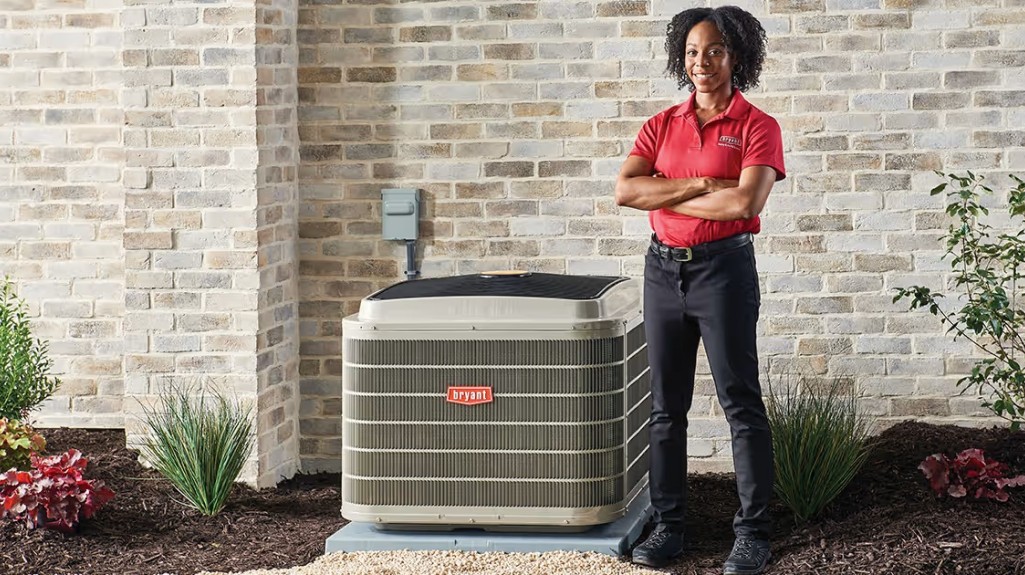
Air Conditioner Repair

While some minor air conditioner issues can be addressed by homeowners, most problems require the expertise of a licensed technician. Understanding what you can safely troubleshoot versus what should be left to professionals is essential for protecting your home, your AC system, and your safety.

2.1 Safe Troubleshooting You Can Try at Home

There are a few simple checks that you can perform without risking damage or injury. These include:

  • You can check and replace your air filters to improve airflow and cooling efficiency.
  • You can make sure all vents and registers are open and unblocked.
  • You can verify that your thermostat settings are correct and functioning properly.
  • You can check your circuit breakers to see if a tripped breaker is preventing your AC from running.
  • You can clear any overgrown foliage or debris that is located near your outside AC unit.

These basic steps may solve minor issues, such as reduced airflow or uneven cooling, but they do not address deeper mechanical, electrical, or refrigerant problems.

The following video demonstrates how to reset a tripped circuit breaker.

https://youtu.be/-uFQOoU7YL0

2.2 Why Professional Repair is Important

Attempting to repair complex AC problems on your own can be risky. Calling a professional is the safest and most effective course of action for several reasons:

  • Safety risks:
    Air conditioners contain high-voltage components and refrigerants that can be dangerous to handle without proper training.
  • Warranty protection:
    Attempting DIY repairs can void your manufacturer’s warranty, leaving you responsible for expensive repairs.
  • Preventing further damage:
    Improper repairs can worsen existing issues, potentially leading to costly damage to the compressor, coils, or other critical parts.
  • Accurate diagnosis:
    Professionals have the tools and experience to pinpoint hidden issues such as refrigerant leaks, electrical faults, or mechanical wear that are not visible during basic troubleshooting.

By calling a licensed technician, you ensure that the repair is performed safely, efficiently, and correctly the first time.

3. When to Call a Professional

Bryant furnace warranty

Knowing when to call a professional for air conditioner repair is crucial to protect your home, ensure your system operates efficiently, and keep your family safe. While some minor issues can be resolved with basic troubleshooting, certain signs indicate that immediate expert attention is required.

3.1 Signs Your AC Needs Professional Repair

If you notice any of the following issues, it’s time to stop troubleshooting and call a licensed technician:

  • Your air conditioner won’t turn on at all, even after checking circuit breakers and thermostat settings.
  • Unusual or loud noises persist after basic checks, indicating possible mechanical or electrical issues.
  • Water is leaking from your AC unit, which could cause damage to floors, walls, or ceilings.
  • Your air conditioner continues to provide poor cooling, even after replacing filters and checking vents.
  • You detect burning smells or experience frequent electrical breaker trips, which are serious safety concerns.

These problems are not only inconvenient but can lead to costly repairs or safety hazards if left unaddressed.

3.2 Benefits of Calling Generations Heating & AC

Contacting Generations Heating & AC for air conditioner repair in Kitchener ensures that your system is repaired quickly, safely, and correctly.

  • Our licensed technicians have the experience and tools to accurately diagnose and fix both common and complex AC issues.
  • We provide reliable, local service so you can trust that your system will be maintained according to the highest standards.
  • By calling a professional, you minimize the risk of further damage to your air conditioner and protect your home and family.

Recognizing the signs that require professional attention can save you time, money, and stress. When your air conditioner exhibits any of these warning signs, don’t wait; contact Generations Heating & AC for expert air conditioner repair in Kitchener.

4. Preventive Maintenance Tips
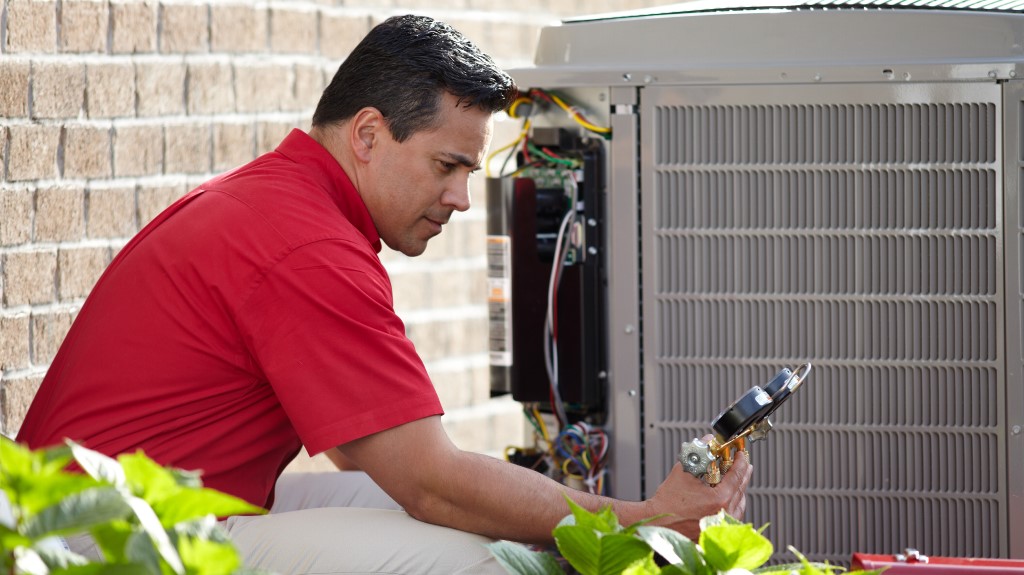
CheckingGauge

Regular maintenance can help keep your air conditioner running efficiently, reduce the likelihood of costly repairs, and extend the life of your system. While professional inspections are essential, there are simple steps you can take to help your AC perform at its best.

4.1 Simple Maintenance Steps for Homeowners

Even with professional service, these routine tasks can make a noticeable difference in your AC’s performance:

  • Replace or clean air filters every 1–3 months to maintain proper airflow and cooling efficiency.
  • Keep vents and registers clear of furniture, curtains, or other obstructions to allow air to circulate freely.
  • Maintain proper thermostat settings to reduce unnecessary strain on your system.
  • Keep the outdoor unit free of debris, leaves, and vegetation that could block airflow.
  • Schedule annual professional tune-ups to inspect refrigerant levels, electrical components, and overall system performance.

Performing these simple steps can help prevent common problems and keep your home comfortable all summer long.

4.2 The Value of Professional Maintenance

Even with regular homeowner checks, a licensed technician should inspect your AC at least once a year. Professional maintenance can:

  • Detect hidden issues before they become major problems.
  • Ensure that all electrical and mechanical components are working safely and efficiently.
  • Maintain your warranty and protect the long-term performance of your system.
  • Improve energy efficiency, which can lower your cooling costs over time.

Air conditioners are complex systems that require both regular maintenance and professional expertise when problems arise. While basic troubleshooting can help with minor issues, most air conditioner repairs in Kitchener should be handled by licensed technicians to ensure safety, protect your warranty, and prevent further damage.

If you’re experiencing poor cooling, unusual noises, leaks, or any other AC problem, don’t wait; contact Generations Heating & AC for fast, reliable, and professional air conditioner repair in Kitchener. Our local experts are ready to keep your home cool and comfortable all season long.

Keep Your Air Conditioner Running Smoothly: Schedule Professional Maintenance Today
Generation Heating and Air Conditioning van

Don’t wait for a breakdown to remind you that your air conditioner needs attention. Professional maintenance ensures your system runs efficiently, lasts longer, and keeps your home comfortable all season long.

Generations Heating and Air Conditioning offers comprehensive AC tune-ups and maintenance services performed by certified HVAC technicians. From checking refrigerant levels to inspecting electrical components, we handle the tasks that keep your system at peak performance safely and reliably.

Contact us today to book your professional air conditioner maintenance and enjoy a worry-free cooling season.

More Reasons to Choose Generations:

If it's the comfort of your house that you're concerned about, you want to work with a company you can trust. At Generations Heating & Air Conditioning, we pride ourselves on offering professional advice, honest service, and dependable help from start to finish.

Local Experts Serving Kitchener and Beyond

We know Kitchener's weather and home styles inside and out. Our recommendations are based on hands-on experience here, not guesswork.

Friendly, Knowledgeable Technicians

Our service pros are highly trained technicians who care about you and your home. We take the time to clearly explain your options and answer your questions so that you feel confident making every decision.

No Pushy Sales Tricks, Just Honest Advice

You'll never be pressured into buying something you don't need. We prioritize what's best for you and your home, not what's easiest to sell.

Start-to-Finish Service

From the moment you receive your quote to long after your new system is installed, we're with you. Expect clear communication, tidy work, and follow-up service you can trust.

Ready to experience the Generations difference? Book a free consultation today and get the best home comfort for your needs and budget.

Contact Us
5 stars

What Our Customers Are Saying...

"I would like to express my sincere appreciation for the excellent services provided by Generations Heating to me and my family. I highly recommend their services, as they consistently demonstrate professionalism, and the quality of their work is truly outstanding."

-Jeff Chircop

Read More Reviews

Filed Under: Air Conditioners Tagged With: Air Conditioner Repair

Essential Air Conditioner Maintenance Tips to Keep Your Home Cool All Summer

December 22, 2025 By GenHeatAirAdmin

Essential Air Conditioner Maintenance Tips to Keep Your Home Cool All Summer

Air Conditioner Repair

Regular air conditioner maintenance not only ensures your system runs efficiently but also helps extend its lifespan and prevent costly breakdowns. While some basic tasks, like changing filters or clearing debris around the outdoor unit, can be handled by homeowners, most maintenance should be performed by a professional to ensure safety and protect your warranty. Click on the following sections to learn more.

  1. Why Air Conditioner Maintenance Matters
  2. Homeowner-Friendly Maintenance Tasks
  3. Professional Maintenance Tasks
  4. Signs Your Air Conditioner Needs Professional Attention
  5. Tips for Extending the Lifespan of Your Air Conditioner

Contact Generations Heating and Air Conditioning today to schedule professional air conditioner maintenance and keep your system running efficiently all year long

Contact Us

Key Takeaways

  • Regular air conditioner maintenance keeps your system running efficiently and extends its lifespan.
  • Homeowners can safely perform simple tasks like changing air filters, clearing debris around the outdoor unit, and keeping indoor vents clean.
  • Most maintenance tasks, including coil cleaning, refrigerant checks, and electrical inspections, should be performed by certified HVAC professionals.
  • Neglecting maintenance can lead to reduced efficiency, higher energy bills, increased wear and tear, and costly breakdowns.
  • Recognizing early warning signs, such as unusual noises, reduced cooling, or water leaks—can help prevent major repairs.
  • Combining homeowner upkeep with professional maintenance ensures reliable performance, improved energy efficiency, and a longer-lasting air conditioner.
  • Additional lifestyle steps, like using a programmable thermostat and keeping your home well-insulated, further reduce strain on your system.

1. Why Air Conditioner Maintenance Matters

Regular maintenance is essential for keeping your air conditioner running efficiently and reliably. Neglecting even basic upkeep can lead to a range of problems that affect your comfort, your wallet, and the lifespan of your system.

How Air Conditioner Maintenance Impacts Performance and Cost

Performance Factor Well-Maintained AC Poorly Maintained AC
Energy Efficiency High efficiency, lower energy use Reduced efficiency, higher energy use
Monthly Energy Bills Lower and predictable Higher and inconsistent
System Lifespan 12–15+ years Significantly shortened lifespan
Breakdown Risk Low risk of unexpected failures High risk, especially during heat waves
Overall Comfort Consistent, reliable cooling Uneven temperatures and discomfort

The Risks of Neglecting Maintenance

Failing to maintain your air conditioner can create several issues over time. Key risks include:

  • Reduced efficiency leads to higher energy bills. When your system is dirty or worn, it has to work harder to cool your home, which consumes more electricity.
  • Increased wear and tear shortens the lifespan of your system. Components under constant strain can fail sooner, requiring expensive replacements.
  • Greater likelihood of breakdowns results in costly repairs. Neglected systems are more prone to sudden failures, especially during peak summer months.

By understanding these risks, it’s clear that skipping maintenance can be costly and inconvenient.

The Benefits of Regular Maintenance

Regular professional maintenance ensures that your air conditioner operates safely, efficiently, and reliably. Benefits include:

  • Maintaining consistent comfort in your home. A well-maintained AC delivers steady cooling throughout your living spaces.
  • Maximizing energy efficiency. Proper upkeep reduces energy waste, helping you save on monthly utility bills.
  • Extending the lifespan of your system. Routine inspections and tune-ups prevent premature wear, protecting your investment.
  • Reducing the risk of unexpected breakdowns. Preventative care allows small issues to be addressed before they become major problems.

By prioritizing regular air conditioner maintenance, you can enjoy a cool, comfortable home while avoiding unnecessary expenses and stress.

2. Homeowner-Friendly Maintenance Tasks

furnace filter replacement


While most air conditioner maintenance should be performed by a professional, there are a few simple tasks that homeowners can safely do themselves. These tasks help improve airflow, maintain efficiency, and prevent minor issues from becoming major problems.

Simple Tasks You Can Do Yourself

Homeowners can perform several basic maintenance tasks without specialized tools or training. These include:

  • Changing or cleaning air filters improves airflow and system efficiency. Dirty filters restrict airflow, forcing your AC to work harder and increasing energy costs. Regularly replacing or cleaning filters also helps maintain better indoor air quality.
  • Clearing debris around the outdoor unit keeps your system from overheating. Leaves, dirt, and other debris can block airflow, reducing cooling performance. Gently removing debris and trimming vegetation around the unit allows it to operate properly.
  • Keeping the area around indoor vents and units clean ensures consistent cooling. Dust and clutter can obstruct airflow, making your system work harder and reducing overall efficiency.

By performing these simple tasks, you can help your air conditioner run more efficiently and maintain a comfortable home environment.

Why Professional Maintenance Is Still Necessary

Even with regular homeowner upkeep, most air conditioner maintenance tasks require a trained professional. Complex tasks like inspecting electrical components, cleaning coils, and checking refrigerant levels involve safety risks and require specialized knowledge. Attempting these tasks yourself could damage the system, reduce efficiency, or even void your warranty.

By combining basic homeowner tasks with professional maintenance, you can keep your air conditioner running smoothly while protecting your investment.

3. Professional Maintenance Tasks

While homeowners can handle a few basic tasks, most air conditioner maintenance requires a trained professional. Certified HVAC technicians have the tools, knowledge, and experience to keep your system running safely and efficiently. Professional maintenance not only improves performance but also protects your warranty and extends the lifespan of your system.

Homeowner Maintenance vs. Professional Air Conditioner Maintenance

Maintenance Task Homeowner Professional
Change air filter ✔ Safe to DIY —
Clear debris around outdoor unit ✔ Safe to DIY —
Clean evaporator & condenser coils ✖ Not recommended ✔ Required
Check refrigerant levels ✖ Not allowed ✔ Certified task
Inspect electrical components ✖ Safety risk ✔ Required
Full system tune-up ✖ Not possible ✔ Recommended annually

Key Professional Maintenance Tasks

These tasks are best left to experts due to their complexity and safety considerations:

  • Coil maintenance keeps your system efficient and prevents overheating.
    Both the evaporator and condenser coils can collect dirt over time, reducing heat transfer and forcing the system to work harder. Professionals use specialized tools to clean coils without damaging delicate components.
  • Checking and adjusting refrigerant levels ensures proper cooling performance.
    Low or imbalanced refrigerant can cause your AC to cool inefficiently or even freeze up. Handling refrigerant requires certification and proper safety procedures.
  • Inspecting electrical components and connections prevents hazards and system failure.
    Loose or damaged wiring can create safety risks and lead to breakdowns. Professionals ensure all connections are secure and functioning properly.
  • Scheduling regular tune-ups allows early detection of potential problems.
    During a tune-up, technicians inspect the entire system, lubricate moving parts, calibrate the thermostat, and verify optimal operation, helping to prevent costly repairs.

By relying on professional maintenance for these critical tasks, you can ensure your air conditioner runs efficiently, stays safe, and lasts for many years.

4. Signs Your Air Conditioner Needs Professional Attention

furnace maintenance benefits

Even with regular homeowner maintenance, your air conditioner may still show early warning signs that it needs professional care. Highlighting these signs helps homeowners know when to call a technician before a small problem becomes a costly repair.

Common Signs Your AC May Need Professional Maintenance

Here are some of the more common signs that indicate your air conditioner needs professional maintenance:

  • Reduced cooling performance.
    If your home isn’t reaching the desired temperature or certain rooms stay warmer than others, it may indicate low refrigerant, dirty coils, or other underlying issues.
  • Unusual noises.
    Rattling, buzzing, or grinding sounds often point to loose components, worn motors, or other mechanical problems.
  • Increased energy bills.
    A sudden spike in energy costs can be a sign that your system is working harder than it should due to inefficiency or a failing component.
  • Frequent cycling on and off.
    Short cycles, or the AC turning on and off too often, can indicate electrical issues, a dirty filter, or an improperly sized system.
  • Water leaks or excessive moisture.
    Standing water or ice around your AC unit may signal clogged drains, refrigerant problems, or coil issues.

By recognizing these signs early, you can schedule professional maintenance before small problems lead to expensive repairs or system failure.

5. Tips for Extending the Lifespan of Your Air Conditioner

evolution-extreme-26-variable-speed-air-conditioner-red-shield-186C

Beyond regular maintenance, there are practical steps you can take to help your air conditioner last longer and perform efficiently. While many of these tasks are simple, they complement professional maintenance and reduce the risk of costly repairs.

Effective ways to extend your AC’s lifespan include:

  • Using a programmable thermostat helps reduce unnecessary wear.
    Setting your AC to run only when needed minimizes strain on the system and lowers energy costs.
  • Keeping your home well-insulated improves efficiency.
    Proper insulation and sealed windows reduce the workload on your air conditioner, allowing it to operate more efficiently.
  • Closing blinds or curtains during hot days prevents overheating.
    Reducing the indoor heat load helps your system cool your home more easily.
  • Scheduling maintenance at least once a year ensures early problem detection.
    Annual professional tune-ups catch small issues before they turn into major repairs.
  • Avoiding DIY repairs beyond simple tasks prevents damage.
    Attempting complex repairs yourself can harm the system, create safety hazards, and void your warranty.

By combining these tips with routine professional maintenance, you can enjoy reliable cooling, lower energy bills, and a longer-lasting air conditioner.

Stay Cool and Protect Your AC: The Importance of Maintenance

Proper air conditioner maintenance is essential for keeping your home comfortable, reducing energy costs, and protecting your investment. While homeowners can handle simple tasks like changing filters and clearing debris, most maintenance should be left to certified professionals to ensure safety, system efficiency, and warranty compliance. By combining basic upkeep with regular professional service, you can enjoy a reliable, long-lasting air conditioner that keeps your home cool all season long.

Keep Your Air Conditioner Running Smoothly: Schedule Professional Maintenance Today

Generation Heating and Air Conditioning van

Don’t wait for a breakdown to remind you that your air conditioner needs attention. Professional maintenance ensures your system runs efficiently, lasts longer, and keeps your home comfortable all season long.

Generations Heating and Air Conditioning offers comprehensive AC tune-ups and maintenance services performed by certified HVAC technicians. From checking refrigerant levels to inspecting electrical components, we handle the tasks that keep your system at peak performance safely and reliably.

Contact us today to book your professional air conditioner maintenance and enjoy a worry-free cooling season.

More Reasons to Choose Generations:

If it's the comfort of your house that you're concerned about, you want to work with a company you can trust. At Generations Heating & Air Conditioning, we pride ourselves on offering professional advice, honest service, and dependable help from start to finish.

Local Experts Serving Kitchener and Beyond

We know Kitchener's weather and home styles inside and out. Our recommendations are based on hands-on experience here, not guesswork.

Friendly, Knowledgeable Technicians

Our service pros are highly trained technicians who care about you and your home. We take the time to clearly explain your options and answer your questions so that you feel confident making every decision.

No Pushy Sales Tricks, Just Honest Advice

You'll never be pressured into buying something you don't need. We prioritize what's best for you and your home, not what's easiest to sell.

Start-to-Finish Service

From the moment you receive your quote to long after your new system is installed, we're with you. Expect clear communication, tidy work, and follow-up service you can trust.

Ready to experience the Generations difference? Book a free consultation today and get the best home comfort for your needs and budget.

Contact Us
5 stars

What Our Customers Are Saying...

"I would like to express my sincere appreciation for the excellent services provided by Generations Heating to me and my family. I highly recommend their services, as they consistently demonstrate professionalism, and the quality of their work is truly outstanding."

-Jeff Chircop

Read More Reviews

Filed Under: Air Conditioners, HVAC Tagged With: air conditioner maintenance

Heat Pump VS Air Conditioner: A Complete Guide for Homeowners

November 28, 2025 By GenHeatAirAdmin

Heat Pump VS Air Conditioner: A Complete Guide for Homeowners

Air Conditioner Maintenance

Choosing between a heat pump and an air conditioner can feel confusing, especially when both systems offer reliable home comfort. While they may look similar from the outside, they operate differently and offer unique benefits when it comes to efficiency, effectiveness, and long-term cost.

In this guide, we’ll break down Heat Pump VS Air Conditioner in simple terms so you can understand how each system works, what it costs, and which one makes the most sense for your home. Whether you’re upgrading your cooling system or planning for a more energy-efficient setup, this comparison will help you make a confident, informed decision.

  1. What Is an Air Conditioner?
  2. What Is a Heat Pump?
  3. Efficiency Comparison: Heat Pump VS Air Conditioner
  4. Effectiveness Comparison: Cooling & Heating Performance
  5. Cost Comparison: Upfront, Operating & Maintenance Costs
  6. Pros & Cons of Each System
  7. Which Option Is Best for Your Home?
  8. Additional Resources

If you’d like expert help choosing the right option for your home, the team at Generations Heating & AC is always here to guide you.

Contact Us

Key Takeaways: Heat Pump VS Air Conditioner

  • Dual Functionality: Heat pumps provide both heating and cooling, while air conditioners only provide cooling.
  • Efficiency Matters: Heat pumps are often more energy-efficient for year-round comfort, but climate and system sizing impact performance.
  • Cooling Performance: Both heat pumps and air conditioners deliver strong cooling in hot weather.
  • Heating Performance: Heat pumps work well in moderate winters but may need a backup heating source in very cold climates.
  • Cost Considerations: Air conditioners generally have lower upfront costs, while heat pumps can offer long-term energy savings.
  • Climate is Key: Homeowners in colder regions may prefer AC with a separate heating system, while moderate climates benefit most from heat pumps.
  • Professional Guidance Helps: Consulting with experts ensures proper system sizing, installation, and access to available rebates and incentives.

Heat Pump

  • Provides both heating and cooling.
  • More energy-efficient in moderate climates.
  • Can lower annual heating costs.
  • Most effective with a backup heat source in cold winters.
  • Higher upfront cost but potential long-term savings.

Air Conditioner

  • Provides cooling only — separate heating required.
  • Excellent performance in hot summer weather.
  • Lower initial purchase and installation cost.
  • Simple system with minimal maintenance requirements.
  • Best for homes with an existing furnace.

1. What Is an Air Conditioner?

An air conditioner is a cooling system designed to remove heat from the air inside your home and replace it with cool, comfortable air. While AC units come in many styles and sizes, they all serve one purpose: keeping your home at a comfortable temperature during warm weather.

Understanding the basics of how air conditioners work and where they’re most effective can help you decide if an AC-only setup is the right choice for your home.

Air conditioners are available in several different types, each offering unique benefits for different home layouts and cooling needs. Below is an overview of the most common options.

  • Window air conditioners cool a single room and are installed directly in a window or a specially designed slot in a wall.
  • Portable air conditioners provide cooling for small spaces and can be moved from room to room as needed.
  • Ductless mini-split systems offer targeted cooling without the need for ductwork, making them ideal for additions, apartments, or older homes.
  • Central air conditioning systems cool the entire home using a network of ducts, offering consistent comfort and better overall efficiency.

These types of air conditioners give homeowners flexibility, whether they need whole-home cooling or a simple solution for a single room.

How an Air Conditioner Works

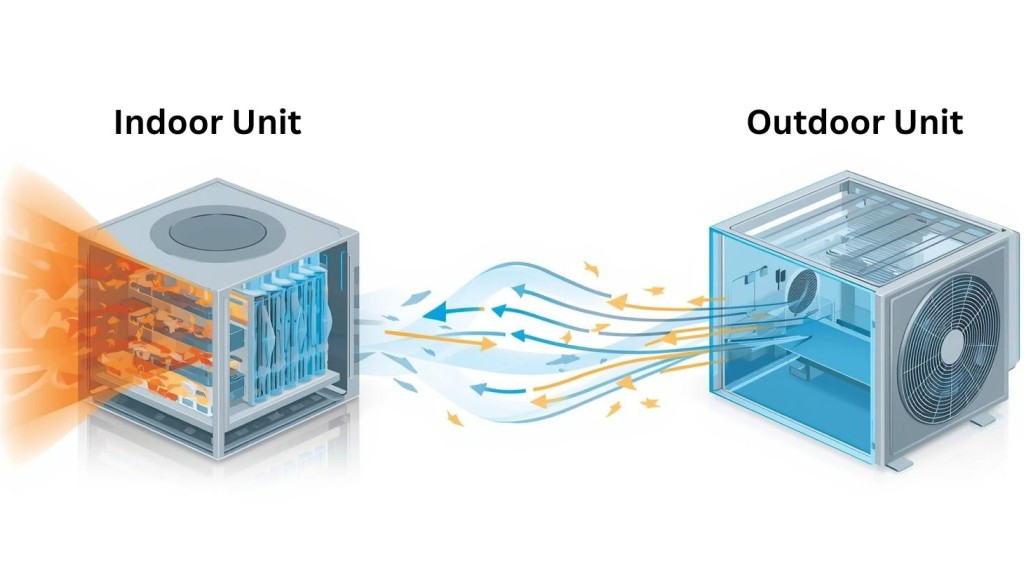
While each type of AC looks different, they all work in a similar way. To put it simply, air conditioners move heat from inside your home to the outdoors. Here’s how that process works:

  • Warm indoor air is pulled into the system and passed over cold coils filled with refrigerant, which absorbs the heat.
  • The refrigerant carries the heat outside to the outdoor unit, where the heat is released into the air.
  • Once the heat is removed, cool air is sent back into your home through vents or directly from the unit, depending on the system type.
  • This process repeats continuously until your home reaches the temperature set on your thermostat.

This cycle ensures steady cooling without requiring you to adjust the system constantly.

Air conditioners are typically used during warm or hot months when cooling is the main priority. They are especially effective in climates with distinct summer seasons or homes that benefit from powerful, consistent cooling.

AC-only systems are an excellent choice for homes that already rely on another method for heating, such as a gas or electric furnace. Below are the situations where an air-conditioner-only setup makes the most sense:

  • Homeowners who want strong, reliable cooling during the summer months and already have a dedicated heating system for winter.
  • Homes located in regions where winter temperatures drop low enough that a heat pump may require supplemental heat anyway.
  • Homeowners who prefer the simplicity of having separate systems for heating and cooling.
  • Houses with existing ductwork that can easily accommodate a central air conditioner.

In these situations, an air conditioner provides a straightforward, effective solution for staying cool, especially when paired with a furnace or another dedicated heating source.

2. What Is a Heat Pump?

A heat pump is a versatile home comfort system that can both cool and heat your home using the same equipment. Unlike a traditional air conditioner, which only cools, a heat pump can reverse its operation to provide warmth during the colder months. This dual functionality makes it a popular choice for homeowners looking to simplify their heating and cooling needs while improving energy efficiency.

How a Heat Pump Works

Heat pumps operate on a principle similar to air conditioners, but with the ability to reverse the flow of refrigerant. Here’s a simple explanation of how a heat pump works:

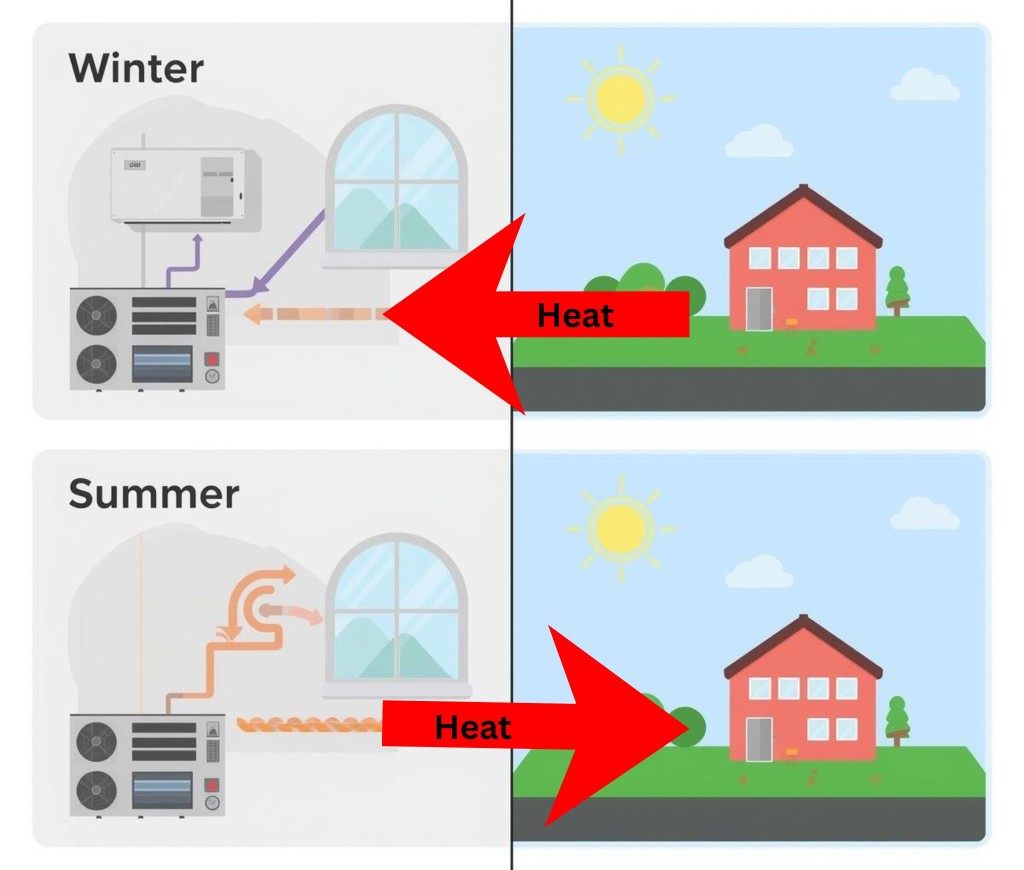
  • During the summer, a heat pump functions like an air conditioner by removing heat from inside the home and releasing it outdoors.
  • During the winter, the system reverses, extracting heat from the outdoor air (even in cold temperatures) and bringing it inside to warm the home.
  • The refrigerant acts as a carrier, transferring heat in either direction depending on whether the system is in cooling or heating mode.
  • A thermostat controls the system, automatically switching between heating and cooling to maintain the desired indoor temperature.

This reversible process allows a heat pump to efficiently provide year-round comfort without the need for separate heating and cooling systems.

How a heat pump works

Heat pumps are most effective in moderate climates where winter temperatures don’t regularly fall below extreme cold. In these conditions, they can heat and cool efficiently while reducing energy consumption compared to traditional systems.

Below are some situations where a heat pump can be particularly beneficial for homeowners:

  • Homes that need both heating and cooling from a single, energy-efficient system.
  • Houses located in regions with milder winters, where the heat pump can meet most heating needs without backup systems.
  • Homeowners looking to reduce their energy bills and environmental impact by using a system that transfers heat rather than generating it.
  • Properties where adding a separate furnace or boiler would be costly or unnecessary.
  • Homeowner in a colder climate who want to reduce their energy bills and environmental impact, who have a backup system when the temperatures become extremely cold.

In the right conditions, a heat pump provides a convenient and efficient solution, giving you consistent comfort throughout the year while simplifying your home’s heating and cooling setup.

3. Efficiency Comparison: Heat Pump VS Air Conditioner

When it comes to choosing between a heat pump and an air conditioner, energy efficiency is one of the most important factors for homeowners. Efficiency affects not only your monthly energy bills but also the environmental impact of your home. Understanding how these systems perform in different climates and comparing their seasonal energy ratings can help you make a smarter choice.

Energy Efficiency Ratio (SEER or SEER2)

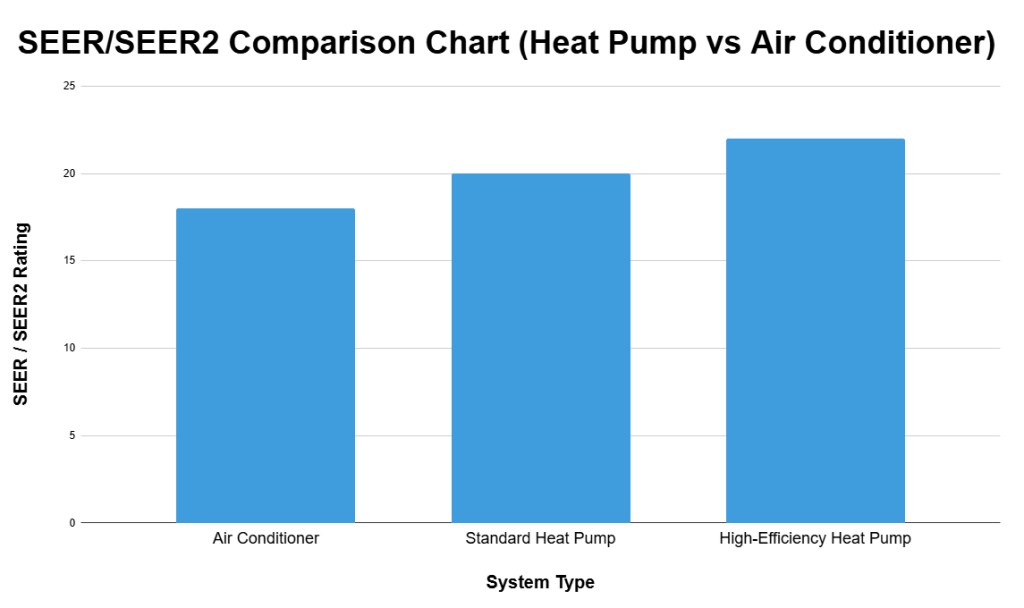
One way to measure the efficiency of both heat pumps and air conditioners is by looking at their Seasonal Energy Efficiency Ratio (SEER or SEER2). This rating indicates how much cooling a system provides per unit of energy consumed over a typical cooling season.

  • Higher SEER or SEER2 ratings indicate more efficient systems that use less electricity to cool the same amount of space.
  • Modern air conditioners often have SEER ratings between 14 and 22, with higher numbers offering better energy efficiency.
  • Heat pumps also use SEER ratings for cooling, but when heating, their efficiency is measured using the Heating Seasonal Performance Factor (HSPF).
  • Advanced heat pumps can achieve efficiency levels that outperform traditional air conditioners, especially when providing both heating and cooling year-round.
SEER SEER2 Comparison Chart

Energy Use

While both systems are efficient at cooling, there are differences in energy use between heat pumps and air conditioners.

  • Air conditioners only cool, so homeowners must rely on a separate heating system in winter, which can increase overall energy consumption.
  • Heat pumps transfer heat rather than generate it, which can reduce energy use for both heating and cooling, particularly in milder climates.
  • Electric resistance heaters paired with AC systems tend to consume more electricity than heat pumps when heating is required.
  • Proper sizing and installation are critical for both systems to achieve maximum efficiency and prevent unnecessary energy waste.

Ontario Climate Considerations

In Ontario, where winters can be very cold, a heat pump may require supplemental heating during the coldest months to maintain comfort efficiently.

For Ontario homeowners, the key takeaways about efficiency are clear:

  • Both systems can provide efficient cooling during the summer, but heat pumps offer the added benefit of efficient heating in moderate conditions.
  • SEER/SEER2 ratings are important to compare when selecting either system, as higher ratings mean lower energy bills.
  • Homeowners should consider their climate zone and heating needs when evaluating whether a heat pump or an air conditioner is the most efficient choice.
  • Professional installation and proper sizing are essential for maximizing efficiency and ensuring reliable performance.

Understanding these efficiency differences can help you make a choice that balances comfort, cost, and energy savings for your home throughout the year.

4. Effectiveness Comparison: Cooling & Heating Performance

When comparing a heat pump and an air conditioner, it’s important to consider effectiveness, or how well each system keeps your home comfortable in real-world conditions. While both systems are designed to cool your home, heat pumps also provide heating, which adds another layer to the comparison.

Understanding how they perform in both hot and cold weather can help you choose the right system for your needs.

Cooling Performance

Both heat pumps and air conditioners provide excellent cooling during the summer months, but there are some differences in how they operate and perform.

  • Air conditioners are designed solely for cooling and generally maintain consistent performance even during extreme heat.
  • Heat pumps provide similar cooling performance to air conditioners in warm weather, often with comparable energy efficiency.
  • The size and capacity of the system are critical for cooling effectiveness, regardless of whether it is a heat pump or an air conditioner.
  • Both systems require proper installation and regular maintenance to ensure even airflow and consistent indoor temperatures.

Overall, you can expect reliable cooling from both systems, with heat pumps offering the added benefit of heating when the season changes.

Heating Performance

This is where heat pumps differ significantly from air conditioners, as air conditioners cannot heat a home. Heat pumps extract heat from the outdoor air and transfer it indoors, providing energy-efficient warmth during the winter.

  • In moderate winter climates, heat pumps can provide most or all of the home’s heating needs efficiently.
  • In very cold temperatures, heat pump performance can drop, reducing their ability to heat a home without additional support.
  • Many homes in colder climates pair heat pumps with backup heating sources, such as electric resistance heaters or gas furnaces, to ensure consistent warmth on the coldest days.
  • The combination of a heat pump and backup heating provides both energy efficiency and reliability throughout the year.

By understanding how heat pumps perform in different temperature ranges, homeowners can plan for both comfort and efficiency, ensuring their system meets their heating and cooling needs without compromise.

Heat Pump Performance in Cold Weather

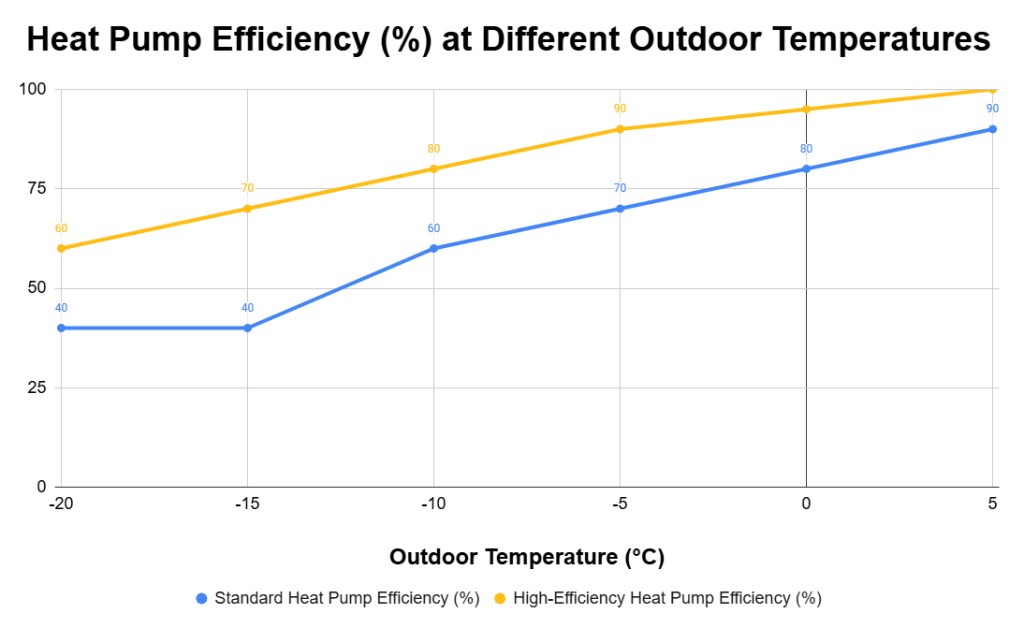
Heat pumps are designed to work efficiently in a range of temperatures, but their performance can vary depending on how cold it gets outside. Standard heat pumps typically operate most efficiently when outdoor temperatures are above -5°C to 0°C, providing reliable heating without needing supplemental systems.

However, modern high-efficiency heat pumps are engineered to handle colder conditions. Many advanced models can maintain effective heating at temperatures as low as -15°C to -20°C, making them suitable for colder climates while still reducing energy use compared to traditional electric or fossil-fuel heating systems.

Investing in a high-efficiency heat pump allows homeowners to enjoy year-round comfort, even during harsh winter months, with minimal reliance on backup heating sources.

In summary, while both heat pumps and air conditioners deliver excellent cooling, heat pumps add the ability to heat your home efficiently. For homes in colder regions, pairing a heat pump with a backup heating system ensures consistent comfort all year round.

Heat Pump Efficiency at different outdoor temperatures

5. Cost Comparison: Upfront, Operating & Maintenance Costs

When deciding between a heat pump and an air conditioner, understanding the full cost picture is essential. While upfront expenses are important, it’s equally crucial to consider operating costs, long-term maintenance, and available incentives.

Evaluating these factors helps you make a choice that balances your comfort, efficiency, and budget.

Purchase & Installation Costs

The initial investment for a heat pump or air conditioner varies depending on system type, size, and installation requirements.

  • Air conditioners typically have lower upfront costs than heat pumps, especially for single-room or central systems.
  • Heat pumps generally cost more to purchase and install because they provide both heating and cooling in one system.
  • Installation costs can increase if ductwork upgrades or modifications are needed for either system.
  • Professional installation is recommended for both systems to ensure optimal performance and efficiency.

Considering these costs upfront helps you budget appropriately for your new system.

Expected Energy Savings

Long-term energy use can significantly impact the overall cost of your heating and cooling system.

  • Heat pumps transfer heat rather than generating it, which can reduce electricity consumption and energy bills compared to running separate heating and cooling systems.
  • Air conditioners efficiently cool homes but require a separate heating system in winter, which can increase overall energy costs.
  • High-efficiency models of both heat pumps and AC units can deliver greater savings over time by using less electricity per unit of cooling or heating.
  • Energy savings will depend on climate, system size, and proper installation.

By considering long-term energy use, homeowners can better assess the true cost of their system over its lifespan.

Lifespan & Long-Term Maintenance

The lifespan and maintenance requirements of a system affect both its reliability and total cost of ownership.

  • Air conditioners typically last 12–15 years with regular maintenance.
  • Heat pumps usually have a similar lifespan, around 12–15 years, though high-efficiency models may last longer with proper care.
  • Regular maintenance, including cleaning, filter replacement, and annual professional inspections, is essential to maximize performance and lifespan for both systems.
  • Neglecting maintenance can lead to higher repair costs and reduced efficiency over time.

Understanding these factors ensures that homeowners plan for ongoing costs and protect their investment.

furnace filter replacement

6. Pros & Cons of Each System

Choosing between a heat pump and an air conditioner isn’t just about efficiency or effectiveness; it’s also important to weigh the advantages and disadvantages of each system. Understanding the pros and cons can help you make an informed decision that fits your comfort needs, budget, and climate.

Heat Pump Pros & Cons

Heat pumps offer the unique ability to both heat and cool your home, but they also have some limitations depending on climate and installation.

Pros:

  • Heat pumps provide year-round comfort by offering both heating and cooling in a single system.
  • They are energy-efficient, often reducing electricity consumption compared to separate heating and cooling systems.
  • Heat pumps can lower overall home energy costs, particularly in moderate climates.
  • They have a smaller environmental footprint since they transfer heat instead of generating it through combustion or resistance heating.

Cons:

  • Heat pumps can lose efficiency in extremely cold climates, sometimes requiring a backup heating source.
  • The upfront installation cost is typically higher than a standard air conditioner alone.
  • Proper sizing and installation are crucial, and mistakes can reduce efficiency and comfort.
  • Some older homes may require ductwork upgrades or additional modifications to support a heat pump.

Overall, heat pumps are an excellent choice for homeowners looking for an all-in-one system, especially in areas with moderate winters.

Air Conditioner Pros & Cons

Air conditioners are a tried-and-true solution for home cooling, offering reliable performance, but they only provide cooling.

Pros:

  • Air conditioners deliver strong, consistent cooling during hot weather.
  • They are generally less expensive to install than a heat pump.
  • AC systems are straightforward and well-understood, making maintenance and repairs easier.
  • Homes with existing heating systems can simply add an AC unit without changing the heating setup.

Cons:

  • Air conditioners cannot provide heating, so a separate heating system is required in colder months.
  • Operating two separate systems (AC + furnace) can increase overall energy costs compared to a heat pump in moderate climates.
  • AC-only setups may be less efficient if a home requires heating and cooling throughout the year.

In summary, air conditioners are ideal for homeowners who only need reliable cooling and already have a heating system in place, while heat pumps offer a more versatile solution with both heating and cooling capabilities, particularly in milder climates.

Heat Pump Pros Air Conditioner Pros
Can heat and cool your home with one unit. Excellent and reliable cooling performance in hot weather.
More energy-efficient than ACs in moderate climates. Lower upfront cost compared to heat pumps.
Can significantly reduce heating costs when paired with electricity. Simple system with less maintenance required.
Heat Pump Cons Air Conditioner Cons
May require a backup heat source during very cold winters. Only provides cooling—separate heating system still needed.
Higher upfront install cost than AC-only systems. Less energy-efficient overall compared to heat pumps.
Cold-weather performance varies by model efficiency. Requires more power during extreme heat waves.

7. Which Option Is Best for Your Home?

After comparing heat pumps and air conditioners in terms of efficiency, performance, and pros and cons, the next step is deciding which system is the right fit for your home. The best choice depends on factors like your local climate, your budget and energy goals, and whether you need both heating and cooling in a single system.

Considering these points carefully can help you make a decision that balances comfort, cost, and long-term efficiency.

Climate Considerations

Your local climate is a major factor when choosing between a heat pump and an air conditioner.

  • Heat pumps are most effective in moderate climates where winter temperatures rarely fall extremely low.
  • In regions with harsh, cold winters, a heat pump may need a supplemental heating source to maintain comfort.
  • Air conditioners perform consistently in hot weather, making them ideal for homes where summer cooling is the primary concern.
  • Homeowners in areas with both hot summers and very cold winters may benefit from a combination of a heat pump and a backup furnace or boiler.
  • If you live in a colder climate, consider getting an advanced, high efficiency heat pump that can maintain effective heating at temperatures as low as -15°C to -20°C.

By taking climate into account, you can ensure that your system will provide reliable comfort year-round.

Budget & Energy Goals

Your budget and energy goals also play a key role in the decision-making process.

  • Heat pumps typically have a higher upfront cost than air conditioners, but they can reduce long-term energy bills by efficiently providing both heating and cooling.
  • Air conditioners usually cost less to install, but pairing them with a separate heating system can increase overall operating costs.
  • Homeowners focused on energy efficiency and reducing environmental impact may prefer a heat pump for its dual functionality.
  • Those prioritizing a lower initial investment may choose an air conditioner if they already have an efficient heating system in place.

Balancing upfront costs with long-term savings can help you choose a system that meets both your financial and energy goals.

Whether You Need Both Heating and Cooling

Finally, consider whether you need both heating and cooling in one system.

  • If you want a single system to manage both home heating and cooling, a heat pump is usually the best option.
  • If your home already has an efficient heating system, an air conditioner may be sufficient for cooling needs.
  • Heat pumps provide convenience and reduce the need for multiple systems, which can be appealing for homeowners looking for simplicity.
  • AC-only setups can work well for homes that primarily require cooling, especially when paired with a reliable furnace or boiler.

By evaluating your heating and cooling needs, you can select the system that provides the most comfort and efficiency for your home.

In conclusion, the best option depends on a combination of climate, budget, energy goals, and whether you want a single system for year-round comfort. Homeowners in Ontario can make a confident choice by considering these factors and consulting with experienced professionals to determine which system fits their home best.

Best Choice: Heat Pump Best Choice: Air Conditioner
Ideal for homeowners who want both heating and cooling in one efficient system. Ideal for homeowners who already have a reliable furnace for heating.
Works best in moderate to cold climates when using a high-efficiency model. Works best in areas with hot summers but mild or minimal winter heating needs.
Great option for lowering long-term energy costs, especially if electricity rates are competitive. Best for homeowners who want lower upfront installation costs.
Perfect for homes interested in reducing carbon footprint and maximizing energy efficiency. Suitable for AC-only homes where heating needs are handled separately and efficiently.
Ideal for year-round comfort when paired with a backup heat source in very cold regions. Ideal if installing a heat pump is not practical due to budget or home layout.

8. Additional Resources

Choosing between a heat pump and an air conditioner is easier when you have access to reliable information and local resources. The right guidance can help you understand system options, compare efficiency, and take advantage of cost-saving programs. Below are several resources that can help you make an informed decision.

Generations Heating & Air Conditioning Services

The team at Generations Heating & Air Conditioning offers professional guidance, installation, and maintenance for both heat pumps and air conditioners. Their services can help you select the right system for your home and ensure it operates efficiently.

  • Generations Heating & AC provides expert consultations to help homeowners determine which heating and cooling system best fits their needs.
  • They offer professional installation of both heat pumps and air conditioners, ensuring optimal performance and efficiency.
  • Generations also provides ongoing maintenance and repairs to keep your system running smoothly year-round.
  • Their team can help you understand available rebates and incentives when choosing a new system.

By working with Generations Heating & AC, homeowners can gain peace of mind knowing their system is installed correctly and performing efficiently.

Government Efficiency Guides

Understanding efficiency standards can help you choose a system that reduces energy use and lowers costs. Several government resources provide valuable information on seasonal ratings, energy savings, and system performance.

  • Canada’s Natural Resources Canada (NRCan) website offers guides on energy-efficient heating and cooling systems for homes.
  • The NRCan ENERGY STAR program provides ratings and recommendations for heat pumps and air conditioners.
  • Efficiency guides include tips for optimizing system performance and lowering energy bills throughout the year.

Consulting these guides can help you compare options objectively and understand the long-term energy implications of your choice.

Local Rebate Programs

Homeowners in Ontario can often access rebate programs that help offset the cost of upgrading to more efficient heating and cooling systems.

  • Many local utility providers offer rebates for installing high-efficiency heat pumps or air conditioners.
  • Government programs may provide financial incentives for energy-efficient home upgrades.
  • Generations Heating & Air Conditioning can help homeowners identify which programs and rebates are available in their area.

Taking advantage of these rebates can make upgrading to a high-efficiency system more affordable while reducing your overall energy costs.

By exploring these resources, homeowners can make well-informed decisions, save on installation and operating costs, and ensure their heating and cooling systems are as efficient as possible.

Making the Right Choice with Generations Heating & Air Conditioning

Generation Heating and Air Conditioning van

Deciding between a heat pump and an air conditioner comes down to understanding your home’s specific needs, your climate, and your energy goals. Both systems provide reliable cooling, but heat pumps offer the added benefit of year-round heating, making them ideal for moderate climates or homeowners looking to simplify their home’s comfort system. Air conditioners, on the other hand, deliver consistent cooling and can be paired with existing heating systems for homes in colder regions.

By considering factors such as efficiency, performance, cost, and climate, you can make a choice that balances comfort, long-term savings, and convenience. For Ontario homeowners, consulting with experienced professionals is key to ensuring your system is properly sized, installed, and maintained for optimal results.

If you’re ready to upgrade your home’s comfort system or want expert guidance on choosing between a heat pump and an air conditioner, the team at Generations Heating & AC is here to help. They can provide a personalized consultation, recommend the most efficient solution for your home, and assist with installation and maintenance every step of the way.

Contact Generations Heating & AC today to schedule your consultation today.

More Reasons to Choose Generations:

If it's the comfort of your house that you're concerned about, you want to work with a company you can trust. At Generations Heating & Air Conditioning, we pride ourselves on offering professional advice, honest service, and dependable help from start to finish.

Local Experts Serving Kitchener and Beyond

We know Kitchener's weather and home styles inside and out. Our recommendations are based on hands-on experience here, not guesswork.

Friendly, Knowledgeable Technicians

Our service pros are highly trained technicians who care about you and your home. We take the time to clearly explain your options and answer your questions so that you feel confident making every decision.

No Pushy Sales Tricks, Just Honest Advice

You'll never be pressured into buying something you don't need. We prioritize what's best for you and your home, not what's easiest to sell.

Start-to-Finish Service

From the moment you receive your quote to long after your new system is installed, we're with you. Expect clear communication, tidy work, and follow-up service you can trust.

Ready to experience the Generations difference? Book a free consultation today and get the best home comfort system for your needs and budget.

Contact Us
5 stars

What Our Customers Are Saying...

"Great service. Rob and his co-op student were very punctual and efficient The work was done rapidly, and he was happy to also include inspecting our air conditioner. All are functioning well-not surprisingly since they were also installed by Generations in 2015. Additionally Rob proved to be a very clear and helpful instructor for his co-op student, who will gain valuable experience with Rob in his co-op placement with Generations.
Many thanks"

-Bob and Jean Ann Norman

5 stars

"We have used generations for many years, they are very helpful, knowledgeable, on time. We’ve used them to install a furnace, move gas lines, install gas stoves, and do our yearly annual furnace maintenance. We are very happy with their service."

-Ela R

Read More Reviews

Filed Under: Air Conditioners, Heat Pumps Tagged With: Heat Pump VS Air Conditioner

How to Choose the Best Air Conditioning System for Your Home in Kitchener

July 17, 2025 By GenHeatAirAdmin

Choosing the best air conditioning system for your home can feel overwhelming, especially if you’re not sure where to start. With so many options, features, and price points, it’s easy to get lost in the details. But don’t worry, this guide will walk you through everything you need to know to make a smart, confident decision for your home in Kitchener.

  1. What Makes an AC System “The Best” for Your Home?
  2. Choosing the Right Size: Bigger Isn’t Always Better
  3. Energy Efficiency: Save Money in the Long Run
  4. System Types: Which One is Right for You?
  5. Features Worth Considering
  6. What to Expect: Installation Costs and Rebates

Need help right away? Contact Generations Heating & Air Conditioning for friendly, expert advice tailored to your space and budget.

Contact Us

The Best Air Conditioning System for Your Home

1. What Makes an AC System “The Best” for Your Home?

evolution-extreme-26-variable-speed-air-conditioner-red-shield-186C

A properly sized, properly installed system that meets your individual needs will always outperform an oversized or incompatible unit.

When it comes to air conditioning, there is no single system that will work in every home. Your perfect air conditioning system for your house will depend on a very broad set of variables such as how big your house is, what its layout is, how well it's insulated, and how you use it. Your own requirements, energy concerns, and wallet also play a significant role.

Think Outside the Brand

It's easy to assume that the most expensive or the most recognized name will always win. But a properly sized, properly installed system that meets your individual needs will always outperform an oversized or incompatible unit, no matter what the price tag.

What This Guide Will Cover

In an effort to assist you in making the right choice, this guide will walk you through the factors that are most important:

  • Size: Why your home's square footage matters
  • Energy Efficiency: Long-term cost savings
  • System Type: Central air, ductless, and heat pump comparison
  • Features: Smart technology, indoor air quality, and convenience features
  • Cost: Expectations and where to save costs

By the time you're done, you'll have the knowledge you need to be confident making a choice on an AC system that's right for your house, not for today, but for years to come.

2. Choosing the Right Size: Bigger Isn’t Always Better

Why Size Matters

best air conditioning system

Get an air conditioning system that is made for the size of your home.


With air conditioning, bigger isn't necessarily better. One that is too big will quickly cool your home but won't operate long enough to dehumidify properly, leaving you with a cold, wet home. On the other hand, an under-sized unit will strain to attempt to cool your home, running continuously and driving up your utility costs without ever quite cooling your home enough.

Proper sizing ensures proper functioning, even cooling, and longer equipment life.

The Function of Professional Load Calculations

To find the correctly sized AC for your home, HVAC professionals use an application called a load calculation. It factors in square footage, insulation, windows, ceiling height, sunlight, and other factors. It's not an estimate, it's science. At Generations Heating & Air Conditioning, we use precise load calculations to make your system an exact match.

Signals Your Current System Is the Wrong Size

Not sure if your current system is correctly sized? Watch for these telltale signs:

  • Unbalanced temperatures from room to room
  • Your AC short cycles (cycles on and off frequently)
  • Runs continuously but never seems to cool the house
  • Runs for excessive energy bills even when used normally
  • Excessive indoor humidity in the summer

If you notice any of these, then it is probably time to rethink your system's size and performance.

3. Energy Efficiency: Save Money in the Long Run

Understanding SEER Ratings

Bryant preferred-2-stage-air-conditioner

The higher the SEER number, the more efficient the unit.


One of the most significant figures to consider when buying an air conditioner is the SEER rating. SEER is short for Seasonal Energy Efficiency Ratio. It's a measure of how well your system uses electricity during a cooling season. The higher the SEER number, the more efficient the unit.

For example, an air conditioner with a SEER of 18 will use less energy to cool your home than one with a SEER of 13 and will save you several hundred dollars on your hydro bill in the long term.

The Benefits of High-Efficiency Models

High-efficiency air conditioners cost more to buy, but they pay many long-term benefits:

  • Lower hydro bills each month
  • Smaller environmental impact, thanks to lower energy use
  • Quieter operation and more consistent comfort
  • Often eligible for rebates or incentives

If you’re planning to stay in your home for a while, the savings can really add up.

Look at the Long-Term Picture

It’s tempting to choose the lowest-cost system, but don’t forget to factor in what it will cost to run. A slightly higher investment now could mean significant savings down the road, especially during hot Ontario summers when your system is working overtime.

4. System Types: Which One is Right for You?

best air conditioning system will be affected by your home's layout

The layout of your home is one factor used to determine the best air conditioning system for you.

Not all air conditioning systems are created equal, and choosing the right one for your requirements depends on your home's layout, existing infrastructure, and how much control you want over indoor comfort. The following is a rundown of the most common types of AC systems and how they work in Ontario homes.

Central Air Conditioners

Central air conditioners are perfect for homes with pre-existing ductwork. They are one of Ontario's most popular options. They distribute even, consistent cool air throughout the home through your pre-existing ducts. Central systems are fairly quiet and most often paired with a furnace for year-round comfort without interruption. The upfront cost is higher, especially if ductwork installation or enhancement is necessary.

Ideal for: Homeowners who desire whole-house cooling with minimal or no visual impact and already have ducting in place.

Ductless Mini-Split Systems

Ductless mini-split systems are perfect for homes without existing ductwork, additions, or renovations. They offer zoned cooling, meaning you can have different temperatures in different rooms. They are very efficient, with higher SEER ratings than central air systems in most instances. They are more expensive per unit and may need multiple indoor heads for larger homes, however.

Ideal for: Older homes, additions, or rooms with special temperature needs, without the cost of adding ductwork.

Heat Pumps

Heat pumps are two-in-one units that provide heating and cooling, so they're a smart, energy-conserving choice. They're ultra-efficient in moderate climates, and they conserve energy year-round. In Ontario, they're outstanding at cooling in the summer and heating in the spring and fall. During very cold winters, a supplemental heat source. a gas furnace, for example, may be necessary.

Ideal for: Homeowners who need year-round comfort and energy efficiency, especially in Ontario's milder climates or with a hybrid setup.

Window & Portable Units

For small spaces or small budgets, window and portable AC units offer quick heatwave relief. They're inexpensive and easy to install, with no long-term changes necessary. They are less efficient and typically cool one room at a time. They can be loud and take up space in your living area.

Best for: Apartments, rental houses, or homeowners who need temporary or supplemental cooling.

Still uncertain about which system is best for your house? Contact Generations Heating & Air Conditioning and we'll lead you to the perfect solution for your space, comfort, and budget.

5. Features Worth Considering

Bryant Smart Thermostat

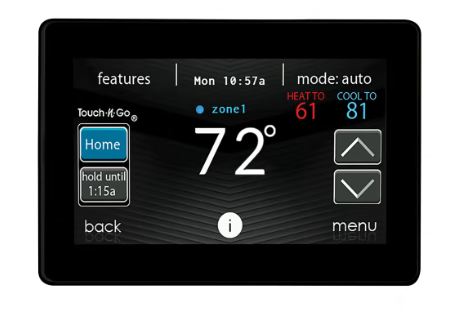
Smart thermostats allow you to automatically adjust the temperature based on your schedule, so you can conserve energy.


Apart from simple cooling, air conditioning systems today usually include a number of features that add to comfort, convenience, and indoor air quality. If you're shopping for a new system, here are some valuable features to look for.

Smart Thermostats and Programmable Timers

Smart thermostats allow you to automatically adjust the temperature based on your schedule, so you can conserve energy without sacrificing comfort. You can program different settings for daytime and nighttime, or when you're away from home. Most models also offer energy consumption analysis to allow you to track savings over time.

Quiet operation

Sound level can make a tremendous difference, especially if your unit is situated near a bedroom or outdoor living area. Most new systems are designed for quiet operation, featuring insulated compressors and variable-speed fans. A quieter model can contribute to your level of comfort without disrupting your daily routine.

Air Purification and Humidity Control

Upscale AC systems can do more than cool the air, they can help clean and balance it, too. Look for units with integrated air purification or filtration systems to reduce allergens and airborne particles. Humidity control comes in handy during Ontario's humid summers, preventing mold and increasing indoor comfort.

Wi-Fi Connectivity for Remote Control

Wi-Fi-enabled systems enable you to control changes from anywhere using your smartphone. Regardless of whether you are at work or on vacation, you can monitor and control your AC remotely. Such a feature offers convenience and helps prevent energy loss when you're not at home.

Need help searching for an air conditioner that fits your lifestyle? Talk to the experts at Generations Heating & Air Conditioning for professional consultation and installation.


6. What to Expect: Installation Costs and Rebates

AC Technician

Costs will vary depending on the system type and your home's specific requirements.


Understanding how much a new air conditioning system will cost is a large part of making an informed, confident decision. While costs may vary depending on the system type and your home's specific requirements, here's what you can generally expect in Ontario, along with some ways to make it more affordable.

Average Installation Costs in Ontario

For a typical homeowner in Ontario, a new air conditioning system installation typically falls within the following price ranges:

  • Central Air Conditioners: $3,500 to $8,000+, depending on the size and efficiency of the unit
  • Ductless Mini-Splits: $3,000 to $6,000+ per zone, with multi-zone installations costing more
  • Heat Pumps: $6,000 to $15,000+ for a whole-home system, which addresses both the heating and cooling functions

Every home is different, so obtain a personalized quote for your layout, square footage, and energy goals.

Rebates and Energy Incentives

Provincial and utility rebates typically exist for upgrading to high-efficiency systems, especially those that meet ENERGY STAR® qualifications.

Rebates can reduce the upfront cost of your system by hundreds or even thousands of dollars. Generations Heating & Air Conditioning stays up to date on Ontario energy rebate programs offered and will help you through the application process.

Tip: Ask about rebates when you book your consultation; programs can change seasonally.

Flexible Financing Options

We understand that an air conditioner is a large investment. That's why Generations Heating & Air Conditioning offers financing options to help you pay in installments. Choose from low-cost payment plans to fit your monthly budget.

Be Comfortable Today Without Cost Being a Concern.

Would you prefer to know what your installation will be and which rebates you qualify for? Contact Generations Heating & Air Conditioning for a no-obligation estimate and expert advice on your options.


Why Choose Generations Heating & Air Conditioning?

Generation Heating and Air Conditioning van


If it's the comfort of your house that you're concerned about, you want to work with a company you can trust. At Generations Heating & Air Conditioning, we pride ourselves on offering professional advice, honest service, and dependable help from start to finish.

Local Experts Serving Kitchener and Beyond

We know Kitchener's weather and home styles inside and out. Our recommendations are based on hands-on experience here, not guesswork.

Friendly, Knowledgeable Technicians

Our service pros are highly trained technicians who care about you and your home. We take the time to clearly explain your options and answer your questions so that you feel confident making every decision.

No Pushy Sales Tricks, Just Honest Advice

You'll never be pressured into buying something you don't need. We prioritize what's best for you and your home, not what's easiest to sell.

Start-to-Finish Service

From the moment you receive your quote to long after your new system is installed, we're with you. Expect clear communication, tidy work, and follow-up service you can trust.

Ready to experience the Generations difference? Book a free consultation today and get the best air conditioning system for your needs and budget.

Contact Us
5 stars

What Our Customers Are Saying...

"Brought Wonderful, thoughtful and creative solutions to retro fitting our old home for air conditioning and a new furnace. Never remember, the team was considerate and friendly, and they consistently worked above and beyond to deliver some really impressive ideas for minimizing the disruption to the house and hiding the air conditioner away thoughtfully. They took extra care to make sure that we felt informed at every step and that we knew what they were gonna do and why they were gonna do it! I particularly appreciate it how the team worked with both my wife and I and they talked to us together to help us both get the most out of the system. From the big things like price and reliability, to the small stuff like tuning the system to be as efficient as I could, they took care and pride in everything.

Everything was top class and we’re looking forward to welcoming them back for annual maintenance inspections."

-Emily and Michael

Read More Reviews

Filed Under: Air Conditioners, HVAC Tagged With: Best Air Conditioning

Services

We offer the following services:

  • Furnaces
  • Air Quality
  • Ductless Heating
  • Hybrid Heating
  • Fireplaces
  • Water Softeners
  • Pool Heating
  • Air Conditioning
  • Duct Free
  • Gas Fitting
  • Water Heaters

FEATURED SERVICES

  • Furnaces
  • Ductless Cooling
  • Air Conditioners
  • Water Softeners
  • Pool Heaters

Our Products

We offer many products and use the most trusted brands. Some types of products we offer are furnaces & air conditioners, ductless heating & cooling, air exchangers, and air quality products.

Contact

Generations Heating and Air Conditioning Ltd
Kitchener, Ontario
Phone : 519-635-4561
Email : info@generationsheating.net

Site Dudes